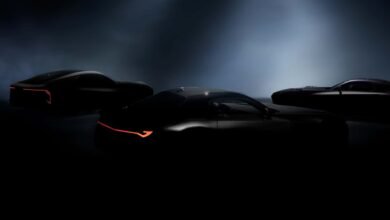
Imagine the hum of a Wankel engine, a sound that sends shivers down the spine of any true gearhead. It’s more than just an engine; it’s a symphony, a legacy. For years, we’ve speculated, hoped, and prayed for its return, but what if the most fervent advocates for a new rotary sports car weren’t just us, the fans, but the very people inside the company that gave it life? That’s right, the whispers from Hiroshima aren’t just whispers anymore; they’re a roaring chorus. We’re talking about an “insane” number of enthusiast employees at Mazda, a passionate internal movement pushing tirelessly for the rebirth of that iconic spinning triangle. Just picture it: late nights in design studios, hushed conversations in hallways, engineers sketching ideas on napkins during lunch breaks. This isn’t just corporate strategy; it’s a deep, personal yearning. (Honestly, who can blame them? That Mazda rotary engine sound is pure magic.) It feels like a silent revolution brewing, a collective heartbeat pushing towards a future where the Wankel engine once again powers a sleek, high-performance machine. The very soul of Mazda, it seems, is crying out for its unique signature to return to the asphalt. This isn’t just about market demand; it’s about preserving an identity, a unique engineering philosophy that has captivated drivers for decades. And the fact that this push comes from within, from those who live and breathe Mazda every single day? Well, that just makes the dream feel all the more potent, all the more real, igniting a spark of hope that perhaps, just perhaps, our rotary prayers might finally be answered. It’s an extraordinary situation, isn’t it?
The Echo from Within: Mazda’s Internal Rotary Uprising
It’s a phenomenon that’s both surprising and utterly heartwarming for anyone who loves cars: the sheer, unadulterated passion of the very people who build them. Sources within Mazda have revealed that the desire for a new rotary sports car isn’t just a fringe idea; it’s a widespread sentiment, almost an internal mandate, among a significant portion of the workforce. “It’s not just a job for us; it’s a mission. The rotary is in our DNA,” shared one anonymous Mazda engineer, their voice tinged with an almost reverent respect for the technology. This isn’t merely about developing another vehicle; it’s about honouring a legacy, a unique part of Mazda’s identity that sets it apart from every other automaker on the planet.
Imagine walking through the bustling hallways of Mazda’s R&D center in Hiroshima. You might expect conversations about electric vehicles or advanced safety features, and those certainly happen. But interwoven into the daily grind are hushed, excited discussions about apex seals, rotor housing, and the unmistakable sound of a high-revving Wankel engine. “Every time I hear that old RX-7 fire up, I can’t help but feel a pang of longing. We know we can do it better now,” admitted a design team member, reflecting a collective ambition to not just replicate the past, but to redefine it for the future. This internal drive is incredibly powerful, acting as an organic lobbying force within the company, pushing management to seriously consider what many outsiders might deem an improbable venture. It’s a testament to the fact that sometimes, the most revolutionary ideas come from the hearts of the very people tasked with creating the future.
A Legacy Forged in Apex Seals: The Rotary Story
To understand this fervent desire, you have to appreciate the history. Mazda’s journey with the rotary engine began in the 1960s, a bold venture into uncharted automotive territory. They were the only mainstream automaker to fully embrace and consistently produce the Wankel engine, starting with the beautiful Cosmo Sport in 1967. This wasn’t just an engineering curiosity; it was a commitment. The rotary’s compact size, high power-to-weight ratio, and incredibly smooth operation — characteristic of its lack of reciprocating parts — captivated engineers and drivers alike.
The legend truly solidified with the RX series. The RX-7, in its various generations, became an icon. Its sleek lines, balanced chassis, and distinctive high-pitched wail cemented its place in sports car folklore. Then came the RX-8, a more practical but still highly engaging four-door rotary sports car, which bravely carried the torch into the new millennium. But the rotary wasn’t without its challenges. Its unique design meant higher oil consumption, and notoriously, less-than-stellar fuel economy and emissions figures compared to conventional piston engines. These factors ultimately led to the retirement of the RX-8 in 2012, leaving a gaping, rotary-shaped hole in the hearts of enthusiasts worldwide. For over a decade, that silence has been deafening, broken only by the occasional concept car or cryptic hint from Mazda.

The Modern Rotary: More Than Just Nostalgia
So, if the challenges were so significant, why the sustained internal push? Because the game has changed. The era of the pure, internal combustion engine might be winding down, but the era of the hybrid is in full swing. Mazda has already shown its hand with the MX-30 R-EV, where a small, single-rotor Wankel engine acts as a range extender for an electric powertrain. This is a brilliant proof of concept, demonstrating that the rotary can indeed have a future by playing a different, albeit crucial, role.
For a new rotary sports car, the approach would undoubtedly be more performance-oriented, likely involving a sophisticated hybrid setup. Imagine an electric motor providing instant torque and incredible efficiency for daily driving, seamlessly transitioning to a high-revving rotary for thrilling acceleration and that unmistakable sound when you really want to unleash it. “The challenge of perfecting the rotary for modern times? That’s what gets us out of bed in the morning!” exclaimed a powertrain specialist, highlighting the intellectual puzzle and engineering pride associated with overcoming past limitations. This isn’t about ignoring emissions or fuel economy; it’s about innovating around them, using new technologies to complement the rotary’s inherent strengths while mitigating its traditional weaknesses. It’s a dance between tradition and cutting-edge science, and Mazda’s engineers seem eager to lead.
What Could a New Rotary Sports Car Look Like?
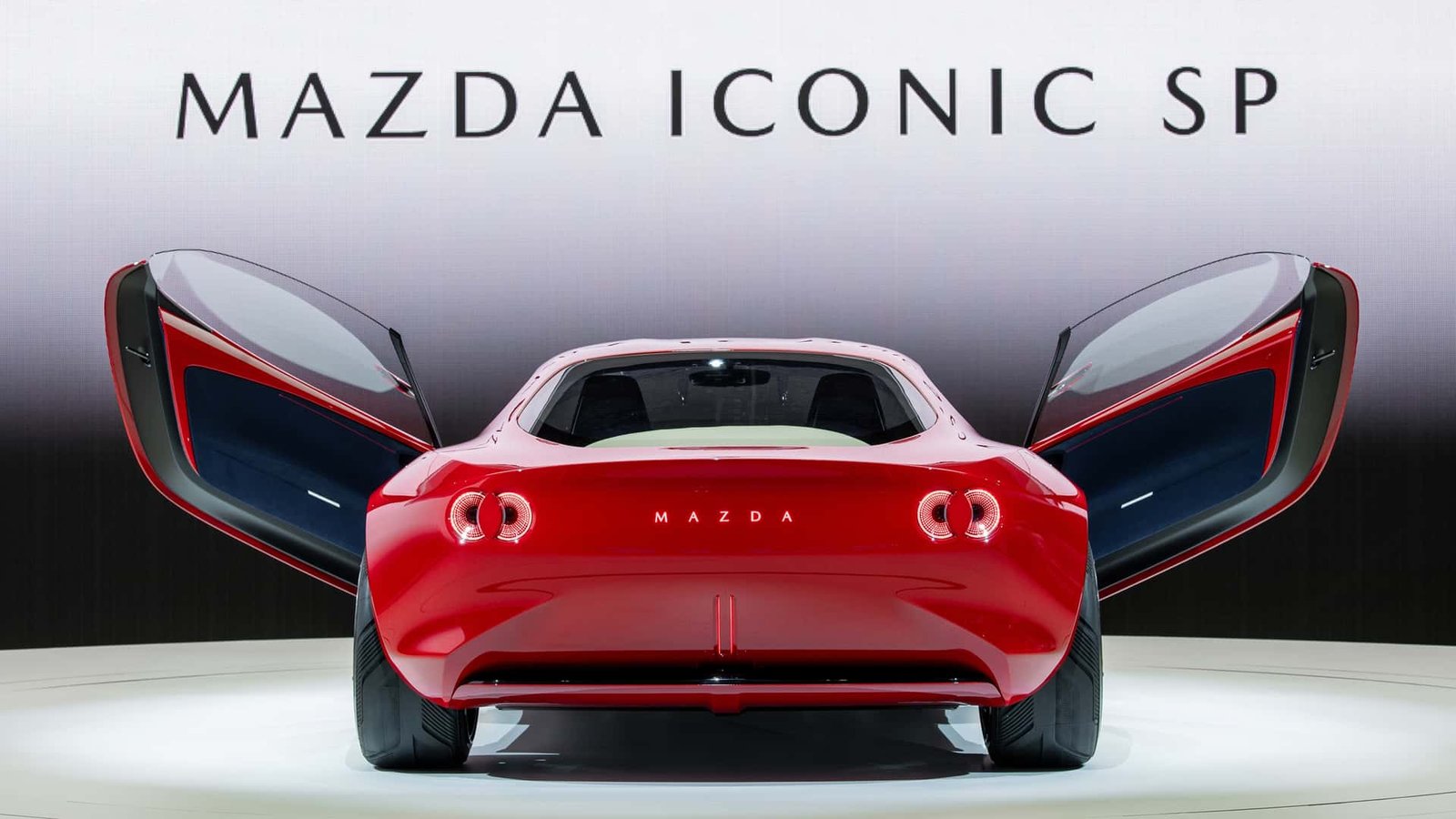
If Mazda were to greenlight a new rotary sports car, what could we expect? The excitement internally suggests something truly special. Designers would likely draw inspiration from the iconic RX-7, blending its timeless proportions with Mazda’s current Kodo design language. Think sleek, minimalist lines, a low slung profile, and perhaps even a hint of the Vision Coupe concept car that wowed crowds a few years back. Performance would be paramount.
We’re probably looking at a lightweight, driver-focused machine. The compact size of the Wankel engine allows for excellent weight distribution, a Mazda hallmark. With electric assistance, torque would be instant and plentiful, silencing any critics who might point to the rotary’s traditionally lower low-end grunt. Acceleration figures could be truly impressive, rivaling established sports car contenders. Inside, a cockpit designed for engagement, with just enough modern tech to enhance the experience without distracting from the pure joy of driving. It wouldn’t just be a car; it would be an experience, a statement. “We see the electric future, yes, but we also see a place for something truly unique, something only Mazda can deliver,” confirmed another engineer, hinting at a vision where electrification augments, rather than replaces, the rotary’s unique character.
The Road Ahead: Hurdles and Hope
Despite the overwhelming internal passion, the path to a new rotary sports car is still fraught with hurdles. Global emissions regulations are becoming increasingly strict, and developing a new powertrain that meets these standards while delivering the performance expected of a sports car is a monumental task. The cost of R&D, tooling, and production for a relatively niche vehicle in an evolving market cannot be underestimated. Mazda is a smaller automaker compared to giants like Toyota or Volkswagen, and every investment needs to be carefully considered.
However, the power of internal enthusiasm should not be discounted. “It’s about passion. You can’t put a price on that kind of internal drive,” noted a source close to Mazda’s management. This collective will, this shared dream among hundreds, if not thousands, of employees, acts as a powerful motivator. It suggests that the research and development isn’t just a corporate directive; it’s a personal quest. Engineers are likely exploring every avenue, from advanced materials to new combustion strategies, to make a modern Wankel engine viable. If any company can pull off the seemingly impossible, it’s Mazda, a brand built on defying conventions and forging its own path. The ongoing development of the rotary in vehicles like the MX-30 R-EV keeps the dream alive, a constant reminder that the rotary technology is still very much a part of Mazda’s present, and potentially, its future.
The sheer volume of enthusiast employees advocating for this project gives it a unique kind of momentum. It’s not just a product proposal; it’s a cultural imperative for many within the company. This internal energy, combined with Mazda’s known engineering prowess and a strategic approach to hybrid technology, paints a hopeful picture for a rotary comeback. We, as enthusiasts, can only watch, wait, and cheer them on. The sound of that Wankel engine, a unique symphony of engineering and passion, just might roar back onto our roads. What a day that will be.
Frequently Asked Questions
| What is driving the renewed interest in a Mazda rotary sports car? | The renewed interest in a Mazda rotary sports car is overwhelmingly driven by an “insane” number of enthusiast employees within Mazda itself. These dedicated individuals, deeply passionate about the brand’s unique engineering heritage, are actively advocating for the return of the Wankel engine in a new high-performance vehicle. It’s an internal movement fueled by nostalgia, a desire to preserve Mazda’s identity, and the challenge of modernizing the iconic engine. |
| What are the potential benefits of Mazda developing a new rotary sports car? | Developing a new rotary sports car could offer several benefits for Mazda. It would revitalize their reputation for innovation and unique engineering, appealing strongly to a dedicated enthusiast base and differentiating them in a crowded market. It could also serve as a halo car, enhancing the brand’s overall image. Furthermore, advancements in hybrid technology could address historical challenges like fuel efficiency and emissions, allowing Mazda to showcase a cutting-edge, sustainable rotary solution. |
| How might a modern rotary engine overcome its past challenges? | A modern rotary engine would likely overcome past challenges through significant technological advancements. Mazda has already shown a path forward with the MX-30 R-EV, where a small rotary serves as a range extender in a hybrid setup. For a sports car, this could evolve into a performance-oriented hybrid powertrain, combining the rotary’s compact power with electric motors for improved efficiency, torque, and reduced emissions, while also addressing durability concerns through contemporary materials and engineering. |
| What are the primary obstacles Mazda faces in bringing back a rotary sports car? | The primary obstacles for Mazda in bringing back a rotary sports car include stringent global emissions regulations, particularly regarding fuel economy and particulate matter. Developing a new, compliant rotary engine requires substantial research and development investment. Market viability and ensuring profitability in a niche sports car segment also pose challenges, as does maintaining the engine’s characteristic performance while improving its environmental footprint and long-term reliability. |
| What does the future hold for the Wankel engine at Mazda? | The future of the Wankel engine at Mazda appears to be multifaceted. While a standalone pure rotary sports car might face immense hurdles, its role as a key component in hybrid powertrains, especially as a range extender, seems more plausible and already demonstrated by the MX-30 R-EV. However, the immense internal employee passion suggests that a performance-oriented hybrid rotary sports car, blending electric power with the unique Wankel experience, remains a strong possibility for enthusiasts who cherish its legacy. |
Important Notice
This FAQ section addresses the most common inquiries regarding the topic.