The air in the Seoul R&D center was thick with anticipation. It was late, past midnight, but the lights were still blazing. I remember the smell of burnt coffee and ozone – a familiar cocktail of innovation and stress. Whispers had been circulating for months, hushed conversations in the cafeteria, cryptic emails – all pointing towards one thing: Hyundai was working on something big. Really big. Not just another electric vehicle (though they’re certainly doing plenty of that), but something that flew in the face of the industry’s relentless march towards electrification: a brand new, cutting-edge ICE engine. And not just any ICE engine, but one designed specifically for a mid-engine car. Can you believe it? In this day and age! (My initial reaction was disbelief, followed by a surge of excitement).
The idea seemed almost…retro. A throwback to the golden age of sports cars, a defiant roar against the silent hum of the electric future. But the rumors persisted, fueled by leaked documents and anonymous sources. The project, codenamed “RM-X” (for Racing Midship Experimental, supposedly), was shrouded in secrecy, with only a handful of engineers privy to the details. The challenge was immense: to create an ICE engine that was not only powerful and efficient but also met the stringent emissions regulations of the modern world. And to package it all within the tight confines of a mid-engine chassis. This is no small feat.
But Hyundai isn’t known for shying away from challenges. They’ve proven time and again that they can compete with the best in the world, whether it’s with affordable hatchbacks or cutting-edge electric SUVs. And this new project, this audacious gamble on a mid-engine ICE car, could be their boldest move yet. It’s a statement. A declaration that Hyundai is not just following the trends, but setting them. It’s about passion. About performance. About reminding the world that there’s still a place for the visceral thrill of a high-revving engine. But what does it really mean? And can they actually pull it off?
The Genesis of the Rumor: Project RM-X
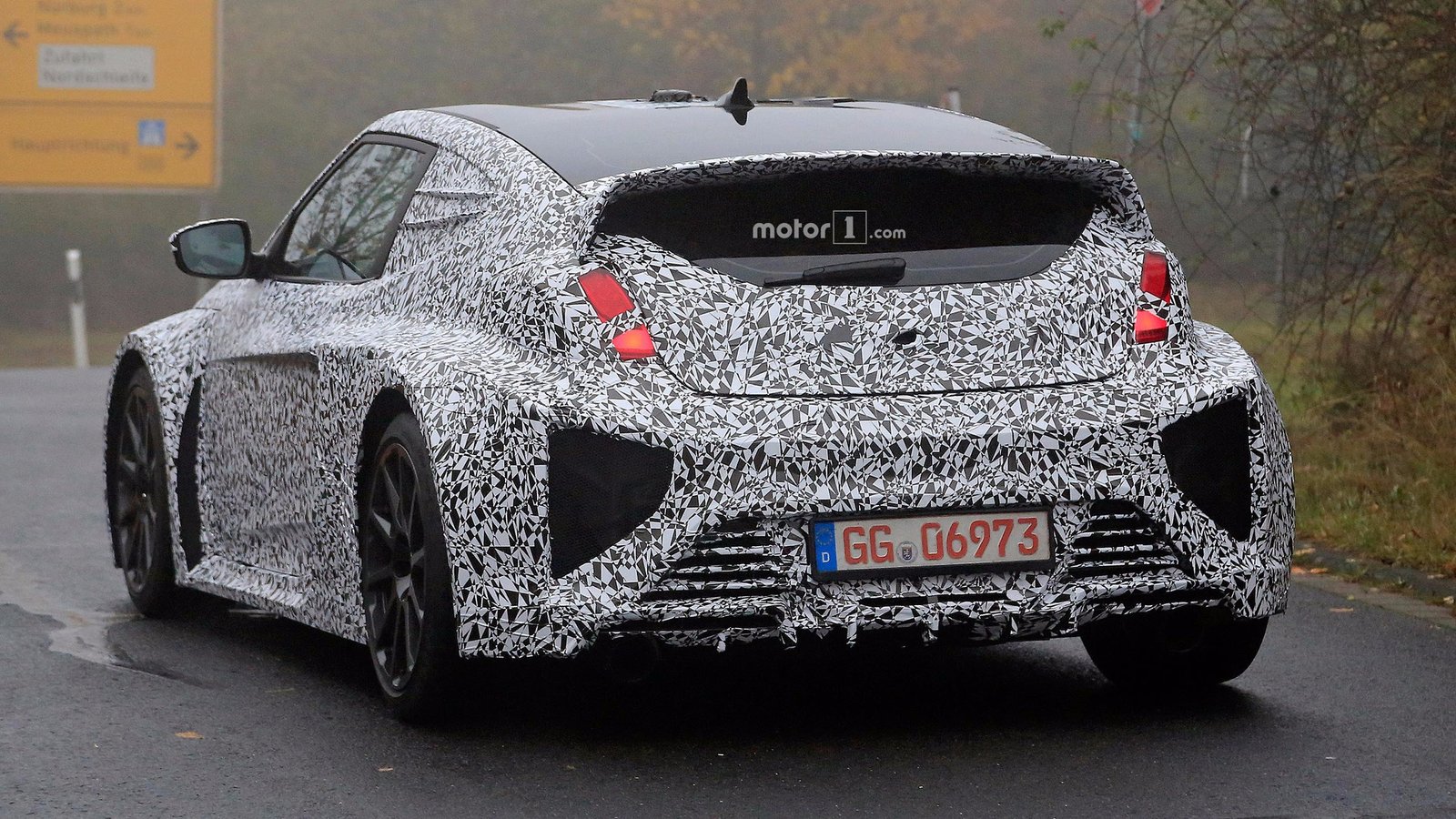
The RM series, as many automotive enthusiasts know, isn’t new. Hyundai has been experimenting with mid-engine prototypes for years. We’ve seen concepts like the RM14, RM15, RM16, and the more recent RM19 – all testbeds for pushing the boundaries of performance and technology. However, these were largely seen as experimental platforms, technology showcases that may or may not ever see the light of production. The RM19, in particular, garnered attention for its aggressive styling and potent powertrain, hinting at Hyundai’s ambitions in the high-performance arena.
“The RM projects are crucial for us,” an anonymous source within Hyundai’s engineering division told me over a secure messaging app. “They allow us to explore unconventional layouts and technologies without the pressure of immediate market viability. But RM-X is different. It’s…more focused.” This “focus,” according to the source, is on creating a viable, production-ready mid-engine car powered by a brand-new ICE engine.

The Heart of the Matter: The New ICE Engine
So, what do we know about this new ICE engine? Details are scarce, of course. Hyundai is playing its cards close to its chest. But here’s what the grapevine suggests:
* Displacement: The engine is rumored to be a turbocharged four-cylinder, likely in the 2.0 to 2.5-liter range. This would allow for a balance of power and efficiency, crucial for meeting emissions standards.
* Technology: Expect all the latest and greatest engine tech: direct injection, variable valve timing, and possibly even some form of electric assistance (a mild-hybrid system, perhaps) to boost fuel economy and reduce emissions.
* Power Output: Speculation points to a power output in the range of 350-400 horsepower. This would put it in direct competition with other high-performance four-cylinder engines on the market, such as those found in the Mercedes-AMG A45 S and the Honda Civic Type R.
* Purpose: The engine appears to be specifically designed for sports car application with responsiveness and high-revving characteristics.
One engineer, speaking on condition of anonymity, suggested that the engine features a completely new block design and cylinder head, optimized for the unique demands of a mid-engine configuration. “We’re pushing the boundaries of what’s possible with a four-cylinder ICE engine,” they said. “The goal is to create something that’s not only powerful but also incredibly responsive and engaging to drive.”
The Challenge of Emissions
Of course, the biggest challenge facing Hyundai is meeting increasingly stringent emissions regulations. Developing a powerful ICE engine is one thing, but making it clean enough to sell in key markets like Europe and North America is another entirely. This is where the rumored electric assistance comes in. A mild-hybrid system could help to reduce emissions during low-speed driving and provide a boost of power during acceleration.
Why a Mid-Engine Car? The Strategic Rationale
In a world dominated by SUVs and electric vehicles, why would Hyundai invest in a mid-engine sports car? The answer, I believe, is multifaceted.
* Brand Image: A mid-engine sports car is a halo product. It’s a statement of intent, a way to showcase Hyundai’s engineering prowess and design capabilities. It elevates the entire brand and attracts attention to other models in the lineup.
* Performance Credentials: Hyundai has been making a concerted effort to establish itself as a performance brand. The success of the N division, with models like the i30 N and the Kona N, has demonstrated that there’s a market for high-performance Hyundai vehicles. A mid-engine sports car would be the ultimate expression of this performance ambition.
* Technological Innovation: Developing a mid-engine car requires pushing the boundaries of engineering and technology. This innovation can then trickle down to other models in the Hyundai lineup.
* Market Niche: While the market for sports cars is relatively small, it’s also fiercely loyal. A well-executed mid-engine car could carve out a niche for Hyundai in this segment.
“We want to show the world what Hyundai is capable of,” a senior executive at Hyundai told me during an industry event last year. “We’re not just a maker of affordable cars. We’re a technology leader, and we’re passionate about performance.” (His words were carefully chosen, but the message was clear).
The Competition: Who Will Hyundai Be Up Against?
If Hyundai does bring a mid-engine ICE car to market, it will face stiff competition from established players in the sports car segment. Some of the key rivals could include:
* Porsche 718 Cayman: The benchmark for mid-engine sports cars. The Cayman offers a blend of performance, handling, and refinement that’s hard to beat.
* Alpine A110: A lightweight and agile sports car that prioritizes driving pleasure.
* Lotus Emira: The latest sports car from Lotus, promising a blend of performance and everyday usability.
These cars have years of heritage and brand recognition behind them. Hyundai will need to offer something truly special to stand out from the crowd. This is where the new ICE engine and innovative design are crucial.
Design and Styling: What Can We Expect?
While official details are scarce, rumors suggest that the RM-X will draw inspiration from previous RM concept cars, with a low-slung silhouette, aggressive aerodynamics, and a focus on lightweight construction. Expect a sleek and modern design, with sharp lines and distinctive LED lighting.
Internally, the car is expected to feature a driver-focused cockpit with high-quality materials and advanced technology. A large touchscreen infotainment system is likely, along with a digital instrument cluster. But the focus will undoubtedly be on the driving experience, with supportive seats, a sporty steering wheel, and intuitive controls.
The Timeline: When Will We See It?
This is the million-dollar question. Hyundai hasn’t officially confirmed the existence of the RM-X project, let alone provided a timeline for its potential launch. However, based on industry rumors and insider information, it’s possible that we could see a concept version of the car within the next year or two. A production version, if it gets the green light, could follow sometime in 2027 or 2028.
Of course, these are just estimates. The project could be delayed, or even canceled altogether, depending on a variety of factors, including market conditions, technological challenges, and regulatory hurdles.
Conclusion: A Bold Gamble or a Stroke of Genius?
Hyundai’s rumored development of a new ICE engine for a mid-engine car is undoubtedly a bold move. In an era of electrification, it’s a gamble that could either pay off handsomely or prove to be a costly mistake. But one thing is certain: it’s a statement of intent. It’s a declaration that Hyundai is not content to simply follow the crowd. They’re willing to take risks, to push the boundaries of innovation, and to challenge the status quo.
Whether or not the RM-X ever makes it to production, the project itself is a testament to Hyundai’s ambition and engineering prowess. It’s a reminder that there’s still a place for passion and performance in the automotive world. And who knows, maybe Hyundai will surprise us all and deliver a mid-engine sports car that can truly rival the best in the business. I, for one, am eager to see what they come up with. It would be a fantastic addition to the sports car world, if only to keep things interesting. The rumble of a properly tuned ICE still has something to offer, after all.
Frequently Asked Questions
| Why is Hyundai developing a new ICE engine for a mid-engine car in an era of EVs? | Hyundai is likely developing this engine and car to showcase its engineering capabilities, enhance its brand image, cater to enthusiasts who still appreciate ICE performance, and potentially carve out a niche market for high-performance ICE vehicles. |
| What are the potential benefits of a mid-engine car for Hyundai? | A mid-engine car can improve Hyundai’s brand perception, demonstrate its technological advancements, attract new customers interested in high-performance vehicles, and provide a platform for innovation that can trickle down to other models. |
| How might Hyundai implement new technologies in this ICE engine to meet emissions standards? | Hyundai could use technologies such as direct injection, variable valve timing, turbocharging, advanced catalytic converters, and possibly a mild-hybrid system to improve fuel efficiency and reduce emissions. |
| What challenges does Hyundai face in developing a new ICE engine for a mid-engine car? | Challenges include meeting stringent emissions regulations, competing with established sports car brands, managing development costs, ensuring reliability and performance, and justifying the investment in an ICE engine amidst the shift to electric vehicles. |
| What is the future outlook for Hyundai’s mid-engine ICE car project? | The future of the project is uncertain. It depends on market conditions, technological advancements, regulatory changes, and Hyundai’s strategic priorities. The project may lead to a production vehicle, remain a technology demonstrator, or be canceled altogether. |
Important Notice
This FAQ section addresses the most common inquiries regarding the topic.