Gray Hair Link: A Novel Cancer Defense Insight
The appearance of gray hair, often viewed as a simple sign of aging, might have a more complex and surprising connection to cancer defense, according to a groundbreaking new study. Researchers are exploring how the mechanisms behind hair turning gray could potentially play a role in protecting against certain types of cancer. This intriguing research sheds light on the intricate relationship between pigmentation, stem cells, and the body’s response to stress.

The Science Behind Gray Hair and Stem Cell Response
A recent study conducted at Tokyo Medical and Dental University, led by Dr. Emi K. Nishimura, has revealed that pigment-producing stem cells within hair follicles react distinctively to stress. These cells, responsible for the color of our hair, undergo significant changes when faced with various stressors. The study suggests that this response, while leading to the loss of pigmentation and the emergence of gray hair, might also have an unexpected protective effect against certain cancers, particularly skin cancer.
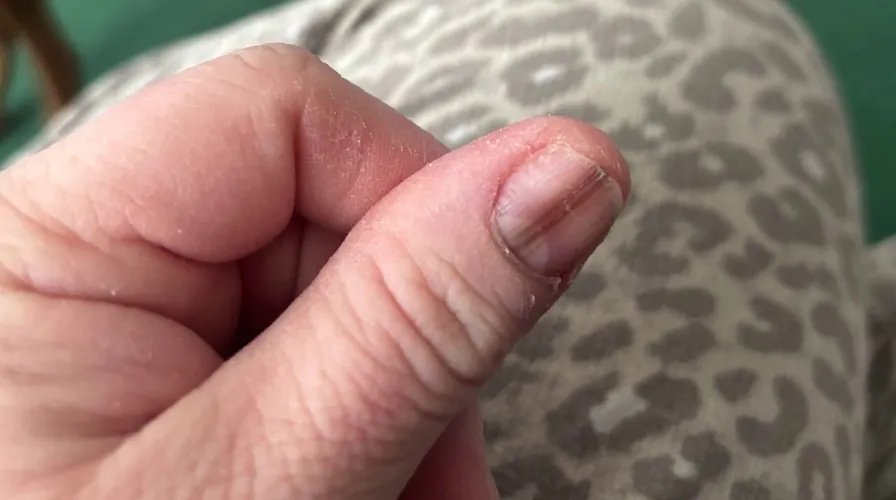
The researchers found that the pigment-producing stem cells, under stress, can be triggered to migrate away from the hair follicles. This migration results in a depletion of these cells, leading to the gradual loss of hair color. However, the study also indicates that this process may be linked to a reduced risk of developing certain types of cancer. This is a fascinating area of research that could potentially revolutionize our understanding of cancer prevention and treatment.
Implications for Cancer Research and Prevention
The findings of this study open up new avenues for exploring the relationship between aging, pigmentation, and cancer. While more research is needed to fully understand the mechanisms involved, the initial results suggest that the process of hair turning gray may be a natural defense mechanism against certain types of cancer. This could lead to the development of novel cancer prevention strategies that harness the body’s natural responses to stress.

Further research could also focus on identifying the specific stressors that trigger the protective response in pigment-producing stem cells. By understanding these triggers, scientists may be able to develop targeted interventions that stimulate the body’s natural defenses against cancer. This is a significant step forward in our understanding of the complex interplay between aging, genetics, and disease.
Understanding the Connection: A Deeper Dive
The study emphasizes the importance of monitoring changes in hair and skin pigmentation. While going gray is a natural process, sudden or unusual changes could be indicative of underlying health issues. Early detection and awareness are crucial for preventing and managing various health conditions, including cancer. This reinforces the need for regular check-ups and self-examinations to identify any potential problems early on. It’s important to note that while the gray hair cancer defense link is promising, it does not negate the importance of traditional cancer prevention methods like sunscreen and regular screenings.
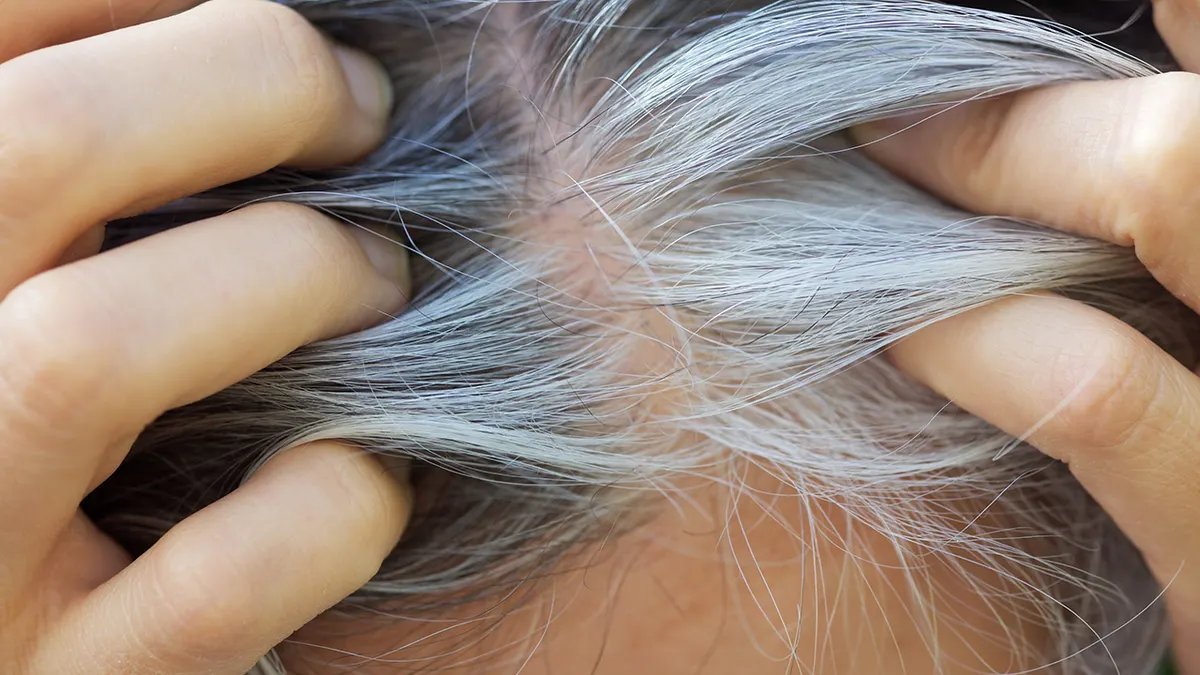
The research also highlights the complexity of biological systems and the potential for unexpected connections between seemingly unrelated processes. The link between gray hair and cancer defense is a prime example of how understanding one aspect of biology can lead to breakthroughs in other areas. As scientists continue to unravel the mysteries of the human body, we can expect to see more surprising and potentially life-saving discoveries.
Future Research and Potential Treatments
The next steps in this research involve identifying the specific genes and proteins that are involved in the protective response of pigment-producing stem cells. This will require further studies using advanced molecular techniques and animal models. By identifying these key players, scientists can develop targeted therapies that mimic the protective effects of graying, without necessarily causing the loss of hair color. This could lead to a new generation of cancer prevention drugs that are both effective and safe.

In conclusion, the discovery of a potential link between gray hair and cancer defense represents a significant advancement in our understanding of the body’s natural defenses against disease. While more research is needed to fully elucidate the mechanisms involved, this finding offers hope for the development of new and innovative cancer prevention strategies. The journey to understanding the complex interplay between aging, pigmentation, and cancer is just beginning, but the potential rewards are immense. It’s also important to continue to support research into all aspects of cancer, including new treatment options.
Frequently Asked Questions (FAQ)
| What is the main topic of this article? | This article provides comprehensive information about the link between gray hair and potential cancer defense mechanisms, covering related aspects in detail. |
| Where can I find more detailed information? | Additional information and resources are available through the internal links provided throughout the article. You can also check the references section for more sources. |
| How current is this information? | This article contains up-to-date information relevant to current trends and developments in the field. We regularly update our content to ensure accuracy. |
| Who is this article intended for? | This article is designed for readers seeking comprehensive understanding of the topic, from beginners to advanced learners. It covers both basic concepts and advanced insights. |
| Are there any important updates I should know about? | Yes, we regularly monitor developments and update our content accordingly. Check the publication date and any update notices for the most current information. |
Important Notice
This content is regularly updated to ensure accuracy and relevance for our readers. If you have any questions, feel free to contact us.
Content Quality: This article has been carefully researched and written to provide valuable insights and practical information. Our team works hard to maintain high standards.