Thanksgiving. The air is crisp, leaves are turning, and the aroma of…exploding turkey? Okay, maybe not *exploding*, but the mere mention of deep-fried turkey can ignite a fiery debate in the culinary world. And who better to fan those flames than the notoriously opinionated Gordon Ramsay? Picture this: Ramsay, eyes narrowed, brow furrowed, uttering the word “disgusting” with the force of a thousand suns. That’s precisely how he reportedly felt about deep-fried turkey, and his stance has sparked discussion among chefs and home cooks alike. It’s a bold claim, considering the cult-like following this method has garnered over the years. I remember my uncle, bless his heart, attempting a deep-fried turkey one year. The sheer spectacle of it all – the bubbling oil, the makeshift contraption in the backyard, the fire extinguisher strategically placed nearby – was more entertaining than the actual meal (which, admittedly, was a bit…greasy).
But is Ramsay’s assessment fair? Is deep-fried turkey truly a culinary abomination, or is it simply misunderstood? The allure is undeniable: crispy skin, juicy meat, and a dramatically shorter cooking time compared to traditional roasting. Imagine the Thanksgiving table, adorned with a perfectly browned, glistening turkey, the result of a mere hour submerged in hot oil. That’s the promise, anyway. But with great power (or in this case, great oil) comes great responsibility. And that’s where things can get…tricky. From potential fire hazards to uneven cooking, the pitfalls of deep-frying a turkey are numerous and often spectacular. (My neighbor still talks about the year his garage nearly went up in flames). The pressure is on!
So, let’s dive deep (pun intended) into the world of deep-fried turkey, exploring the pros and cons, the risks and rewards, and ultimately, whether it’s a Thanksgiving tradition worth embracing or a culinary nightmare best left to the professionals – or avoided altogether. We’ll hear from chefs, both professional and amateur, weighing in on Ramsay’s controversial opinion and sharing their own experiences, both good and bad. What do they say?

The Allure of Deep-Fried Turkey: Why People Love It
The appeal of deep-fried turkey is multifaceted. Beyond the novelty factor, it offers several tangible benefits that make it a popular choice for Thanksgiving and other large gatherings. First and foremost is the speed. Traditional roasting can take hours, tying up the oven and leaving guests impatiently waiting. Deep-frying, on the other hand, drastically reduces cooking time, often cutting it down to less than an hour. This is a huge advantage for those who are short on time or juggling multiple dishes. I mean, who wants to spend all day in the kitchen when there’s football to watch?
Then there’s the texture. Proponents of deep-fried turkey rave about the crispy, golden-brown skin and the incredibly juicy, tender meat. The rapid cooking process seals in the moisture, preventing the turkey from drying out, a common problem with roasting. “It’s like magic,” one home cook exclaimed. “The skin is shatteringly crisp, and the meat is unbelievably moist. It’s a game-changer!” Indeed!
Finally, there’s the flavor. Deep-frying infuses the turkey with a subtle, savory flavor that some find irresistible. The oil itself can contribute to the taste, with peanut oil being a popular choice for its neutral flavor and high smoke point. Some even experiment with flavored oils, adding herbs, spices, or even citrus zest to enhance the flavor profile.
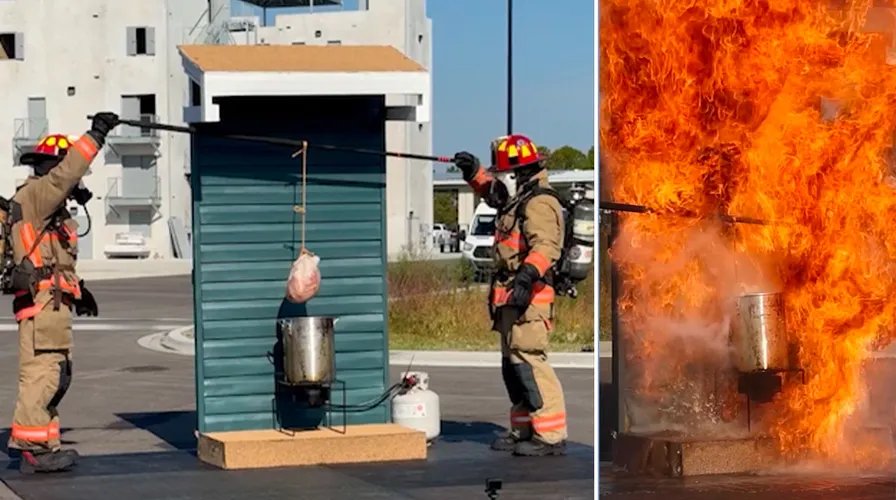
However, even with all this said, it’s crucial to address the elephant in the room: the safety concerns.
The Dark Side: Risks and Challenges of Deep-Frying
While the promise of crispy skin and juicy meat is tempting, the reality of deep-fried turkey can be fraught with danger. The most significant risk is, without a doubt, fire. Heating large quantities of oil to high temperatures outdoors presents numerous opportunities for accidents. The combination of hot oil and open flames is a recipe for disaster, as many unfortunate homeowners have discovered.
One of the biggest mistakes people make is using too much oil. When the turkey is submerged, the oil level rises, potentially overflowing and coming into contact with the burner. This can cause a flash fire that spreads rapidly. Furthermore, if the turkey is not completely thawed, the ice inside can instantly vaporize upon contact with the hot oil, causing it to splatter violently and potentially leading to burns. I’ve read horror stories online.
Another challenge is ensuring even cooking. The turkey needs to be fully submerged in the oil to cook properly, and maintaining a consistent temperature is crucial. If the oil temperature drops too low, the turkey will absorb too much oil, resulting in a greasy, unappetizing mess. On the other hand, if the oil is too hot, the outside of the turkey will burn before the inside is cooked through.
“I tried deep-frying a turkey once,” admitted a chef who wished to remain anonymous. “It was a complete disaster. The outside was charred black, and the inside was still raw. I ended up ordering pizza for Thanksgiving dinner!”

Finally, there’s the issue of disposal. What do you do with gallons of used cooking oil after you’re done? Simply pouring it down the drain is a terrible idea, as it can clog pipes and damage the sewage system. Proper disposal methods are essential, adding another layer of complexity to the process. So, are there safe alternatives?
Chef’s Perspective: Pros and Cons from the Professionals
To get a balanced perspective on deep-fried turkey, let’s turn to the professionals. Chefs have varying opinions on the technique, with some embracing it as a delicious and efficient way to cook a turkey, while others remain skeptical.
Chef Antoine, a seasoned culinary expert, believes that deep-fried turkey can be a worthwhile endeavor if done correctly. “The key is to prioritize safety above all else,” he emphasizes. “Use a proper deep-frying setup, ensure the turkey is completely thawed and dry, and monitor the oil temperature closely. With the right precautions, you can achieve a fantastic result.” He highlights the importance of using a high-quality thermometer and a sturdy, stable fryer.
However, other chefs are less enthusiastic. Chef Isabella, known for her traditional cooking methods, prefers roasting. “I find that roasting allows for more control over the cooking process,” she explains. “You can baste the turkey with herbs and butter, creating layers of flavor. Deep-frying, in my opinion, sacrifices some of that nuance.” She also expresses concerns about the health implications of consuming food cooked in large quantities of oil. I can see her point.

Even among chefs who appreciate the technique, there’s a consensus that it’s not for the faint of heart. “It requires focus and attention,” Chef Antoine warns. “You can’t just set it and forget it. You need to be constantly monitoring the temperature and adjusting as needed.” He also recommends having a fire extinguisher readily available, just in case.
Here’s a quick breakdown of the pros and cons from a chef’s perspective:
* Pros:
* Faster cooking time
* Crispy skin
* Juicy meat
* Cons:
* Potential fire hazard
* Requires specialized equipment
* Can be greasy if not done correctly
* Disposal of used oil
Ramsay’s Verdict: Why He Might Be Right (or Wrong)
So, what about Gordon Ramsay’s harsh assessment of deep-fried turkey? Is he simply being a culinary snob, or is there some truth to his claim that it’s “disgusting?” It’s important to consider Ramsay’s culinary philosophy. He’s a champion of fresh, high-quality ingredients and meticulous cooking techniques. He values flavor and texture, and he’s not afraid to call out anything that falls short of his standards.
Given his emphasis on precision and control, it’s not surprising that he’s not a fan of deep-fried turkey. The process can be unpredictable, and it’s easy to make mistakes that result in a greasy, unevenly cooked bird. Furthermore, Ramsay may object to the sheer amount of oil involved, which can mask the natural flavors of the turkey. (I remember one attempt where all I tasted was oil, and I could feel the grease.)
However, it’s also possible that Ramsay’s criticism is a bit harsh. When done correctly, deep-fried turkey can be a delicious and impressive dish. It’s all about execution. If you take the necessary precautions and follow the instructions carefully, you can achieve a result that’s both flavorful and safe.

Ultimately, whether or not you agree with Ramsay’s verdict is a matter of personal preference. Some people love deep-fried turkey, while others find it unappealing. The key is to weigh the risks and rewards and make an informed decision based on your own culinary skills and preferences.
Alternatives and Safer Options
If you’re intrigued by the idea of a crispy-skinned, juicy turkey but are hesitant to attempt deep-frying, there are several safer alternatives to consider.
* Spatchcocking: This involves removing the backbone of the turkey and flattening it out before roasting. This allows the turkey to cook more evenly and quickly, resulting in crispy skin and juicy meat.
* High-Heat Roasting: Roasting the turkey at a high temperature (around 450°F) for a shorter period of time can also produce crispy skin.
* Air Frying: While you can’t air fry a whole turkey, you can break it down into pieces and air fry them. This is a much safer option than deep-frying and can still deliver crispy skin and juicy meat.
* Professional Deep-Frying: Some grocery stores and restaurants offer deep-fried turkeys for purchase. This is a convenient and safe option for those who want to enjoy the flavor without the risk. I saw one local business offering this!

These alternatives offer a way to achieve similar results without the inherent dangers of deep-frying. They also provide more control over the cooking process, allowing you to customize the flavor and texture to your liking.
Ultimately, the best cooking method for your Thanksgiving turkey is the one that you feel most comfortable and confident with. Whether you choose to embrace the deep-fried tradition or opt for a safer alternative, the goal is to create a delicious and memorable meal for your family and friends.
So, this Thanksgiving, will you dare to deep-fry, or will you stick to the classics? The choice is yours. Just remember to prioritize safety and have a fire extinguisher handy – just in case! And maybe, just maybe, you’ll prove Gordon Ramsay wrong.
Frequently Asked Questions
| What is deep-fried turkey? | Deep-fried turkey involves submerging a whole turkey in hot oil, typically peanut oil, for a relatively short period to cook it quickly and achieve crispy skin. |
| What are the benefits of deep-frying a turkey? | The main benefits include a significantly reduced cooking time compared to roasting, crispy skin, and juicy, tender meat due to the rapid cooking process sealing in moisture. |
| How do I safely deep-fry a turkey? | Safety precautions include using a proper deep-frying setup outdoors, ensuring the turkey is completely thawed and dry, monitoring oil temperature with a thermometer, using the correct amount of oil, and having a fire extinguisher nearby. |
| What are the challenges of deep-frying a turkey? | Challenges include the risk of fire, ensuring even cooking, managing the large volume of hot oil, and properly disposing of the used oil. |
| What are some safer alternatives to deep-frying a turkey? | Safer alternatives include spatchcocking, high-heat roasting, air frying turkey pieces, or purchasing a professionally deep-fried turkey from a grocery store or restaurant. |
Important Notice
This FAQ section addresses the most common inquiries regarding the topic.