Parsons Questions Luvu’s $100K Fine: NFL Debate
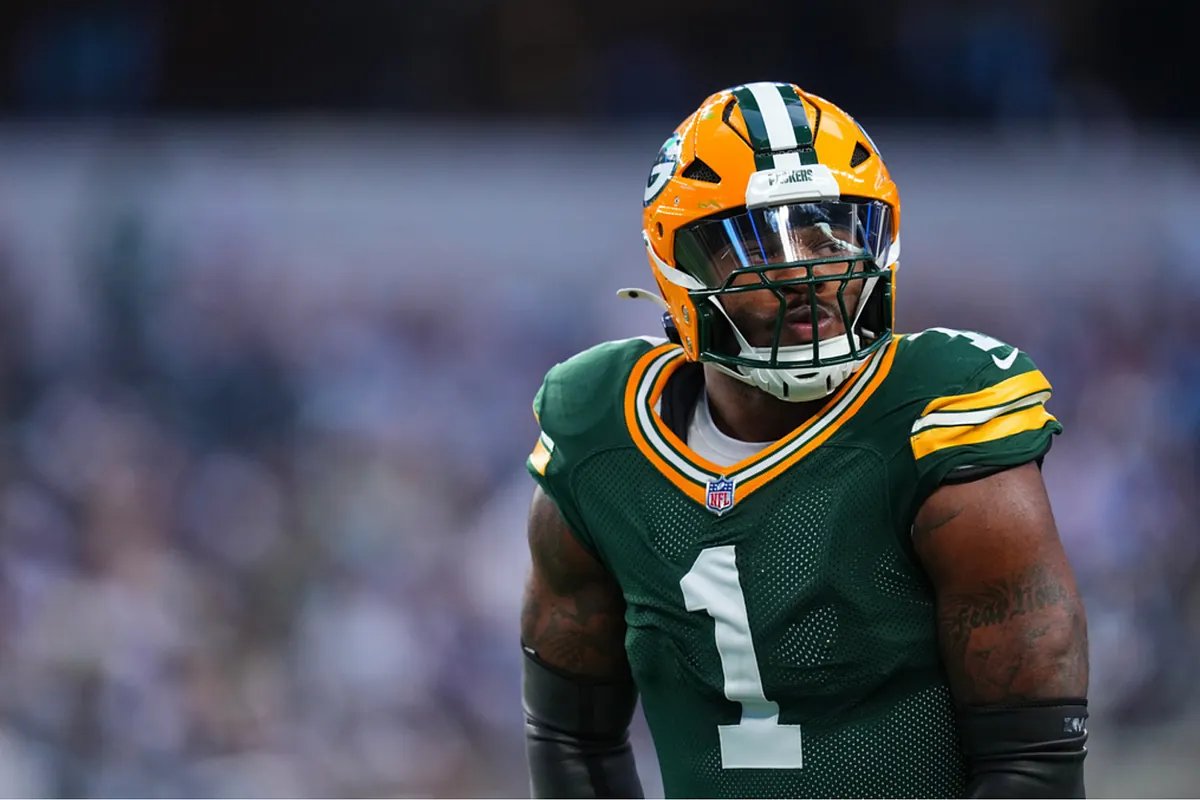
Micah Parsons, a prominent player for the Green Bay Packers, recently voiced his concerns regarding the controversial $100,000 fine levied against Washington Commanders linebacker Frankie Luvu. Parsons’ reaction highlights the ongoing debate surrounding the NFL’s approach to player safety and disciplinary measures, particularly concerning hip-drop tackles. This incident has ignited discussions about the fairness and consistency of post-game penalties.
The NFL has been increasingly focused on eliminating hip-drop tackles to minimize the risk of player injury. While these tackles are relatively common, officials often allow them to occur during games, opting to impose penalties, such as fines or suspensions, after the fact. This policy aims to balance player safety with maintaining the flow of the game. However, the severity of these post-game punishments has drawn considerable criticism. This situation also highlights the growing need for improved communication between the league and its players. The details of Lamar Jackson’s return from injury this season show how much player health is prioritized by the league.
Luvu’s penalty stemmed from a hip-drop tackle on Jaxon Smith-Njigba of the Seattle Seahawks. This marked his third such violation this season. Initially, the NFL announced a one-game suspension. However, Luvu appealed the decision, and hearing officer Derrick Brooks, a Hall of Famer, overturned the suspension, replacing it with the $100,000 fine. This appeal process, while ultimately beneficial to Luvu, further complicates the understanding of the NFL’s disciplinary standards.
Parsons’ Reaction and the Wider Implications
Parsons’ social media reaction, expressing disbelief at the $100,000 fine, underscores the growing concern among players regarding the perceived inconsistency and fairness of these post-game enforcements. Players are questioning whether the punishments are proportionate to the offenses and whether the league is adequately communicating its expectations regarding permissible tackling techniques. The Jets’ recent trade decisions show that sometimes, the financial risks are worth the potential reward, but in this case, Parsons seems to think the fine is excessive.
The situation with Luvu also has implications for the Washington Commanders’ defense. While Luvu’s successful appeal allowed him to play in Week 10, the significant fine could affect team morale and potentially influence his future playing style. It also raises questions about how the Commanders will manage their salary cap moving forward. This situation is very different from the Dodgers’ approach to team building after their World Series triumph, where they invested heavily in player development and retention.
Understanding the NFL’s Stance on Hip-Drop Tackles
The NFL’s increased scrutiny of hip-drop tackles is rooted in a desire to reduce lower-body injuries, which can be particularly debilitating and career-threatening. However, the enforcement of these rules has been inconsistent, leading to confusion and frustration among players and coaches alike. The NFL needs to be clear about what a hip-drop tackle is and how players can avoid committing it. The controversies surrounding referee calls add another layer of complexity to the NFL’s efforts to maintain fairness and consistency.
This issue extends beyond individual fines and suspensions; it touches on the broader relationship between the NFL and its players. Clearer communication, consistent enforcement, and a willingness to engage in open dialogue are crucial for fostering a more collaborative and understanding environment. As Kyle Larson showed by stealing the NASCAR Cup Series championship, sometimes a little risk can be worthwhile, but the NFL needs to make sure that risks aren’t unfairly priced.
Breakdown of NFL Fines (Hypothetical)
While the specifics of NFL fines can vary, here’s a hypothetical example of how fines might be structured for various offenses:
Disclaimer: These amounts are hypothetical and for illustrative purposes only. Actual fines may vary.
Frequently Asked Questions (FAQ)
This article provides comprehensive information about Micah Parsons’ reaction to Frankie Luvu’s $100,000 fine, the NFL’s stance on hip-drop tackles, and the broader implications for player safety and disciplinary measures.
Additional information and resources are available through the internal links provided throughout the article.
This article contains up-to-date information relevant to current trends and developments in the NFL’s disciplinary policies and player safety initiatives.
This article is designed for readers seeking a comprehensive understanding of the NFL’s approach to player safety and the controversies surrounding fines and suspensions, from casual fans to seasoned football analysts.
Important Notice
This content is regularly updated to ensure accuracy and relevance for our readers.
Content Quality: This article has been carefully researched and written to provide valuable insights and practical information.