The already tenuous ceasefire between Israel and Hamas faced renewed scrutiny and strain as a tragic duality unfolded in the region. On one hand, a moment of grim closure for three families arrived as Hamas confirmed and transferred the bodies of three hostages. On the other, the ceasefire’s fragility was brutally exposed when an Israeli airstrike in northern Gaza killed a Palestinian man. This juxtaposition of diplomatic action and military aggression underscores the profound difficulties in maintaining even a limited truce in the long-running conflict. The continued exchange of accusations over truce violations further cemented the dangerous reality that while major fighting has mostly paused, localized violence persists, leaving little doubt that the situation remains critical. The somber news that **Hamas hands over hostage bodies amid Gaza violence** represents the deeply complicated state of affairs on the ground.
The Tenuous Truce: Handover of Hostage Remains
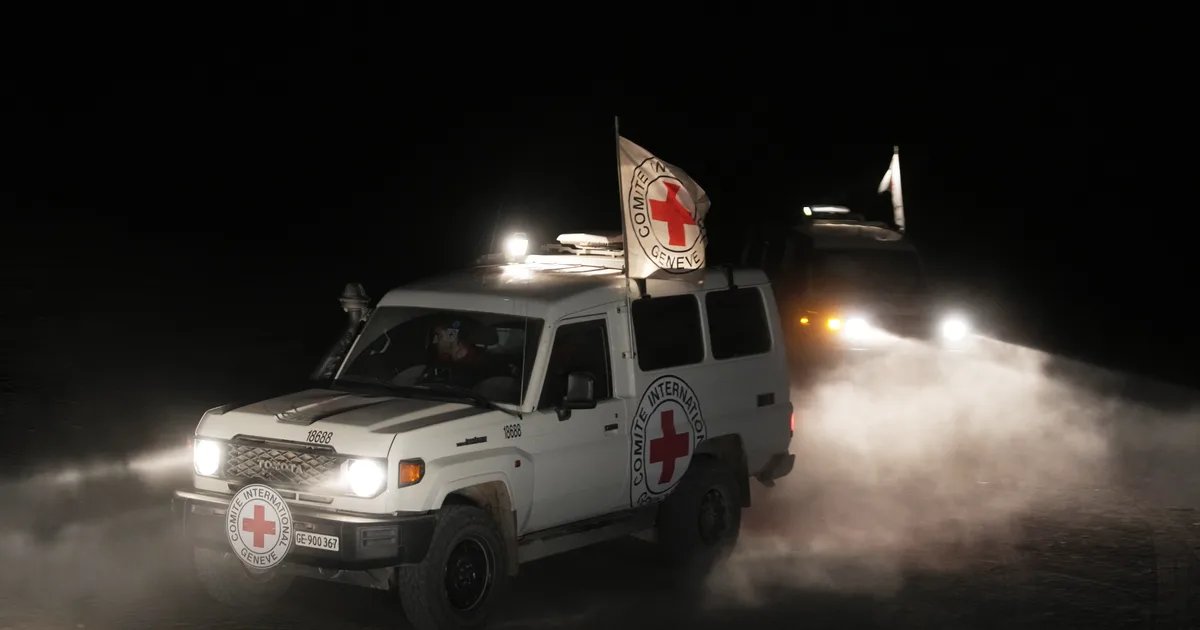
The handover of the three deceased hostages’ bodies on Sunday was a result of painstaking, back-channel negotiations mediated largely by the U.S. and regional partners. Israeli forces in Gaza received the coffins via the Red Cross, a crucial step providing definitive, albeit tragic, resolution for the families involved. According to a statement from Prime Minister Benjamin Netanyahu’s office, the remains were immediately transported to Israel for formal identification and preparation for burial.
This exchange was part of a broader, established framework, yet it quickly became a flashpoint of friction. Israel has been explicitly demanding the return of the remains of 11 specific individuals believed to have died while in captivity, viewing the slow pace of delivery as a violation of the spirit, if not the letter, of the U.S.-brokered ceasefire that commenced on October 10. Hamas, conversely, has defended its timeline, citing the extremely difficult and dangerous conditions within Gaza that complicate the location and movement of the remains.
Disputed Terms and Delays in Repatriation
The speed and mechanism of the repatriation process have become one of several contentious points preventing the full, smooth implementation of the ceasefire agreement. While humanitarian aid flows have seen some improvement, the emotional weight and political significance of the hostage issue ensure it remains front and center. The disparity in expectations and execution has amplified existing mistrust between the combatants.
Furthermore, Hamas has an incentive to manage the pace of these releases, maximizing the pressure placed on Israel regarding reciprocal actions, such as the release of Palestinian prisoners or the sustained flow of critical supplies into the enclave. The negotiations involve intricate detail, requiring both sides to navigate complex trust issues and diplomatic maneuvers that are often opaque to the public. These secretive, high-stakes diplomatic processes often involve complex psychological and strategic elements, similar to when political figures attempt to define and manage their public narrative while maneuvering around difficult internal relationships. For instance, the public has often sought insight into the dynamics when Kamala Harris discussed her complex relationship with Joe Biden, reflecting the inherent difficulties in all high-level, high-pressure partnerships.
Reciprocal Violations: Israeli Airstrike Kills Palestinian Man
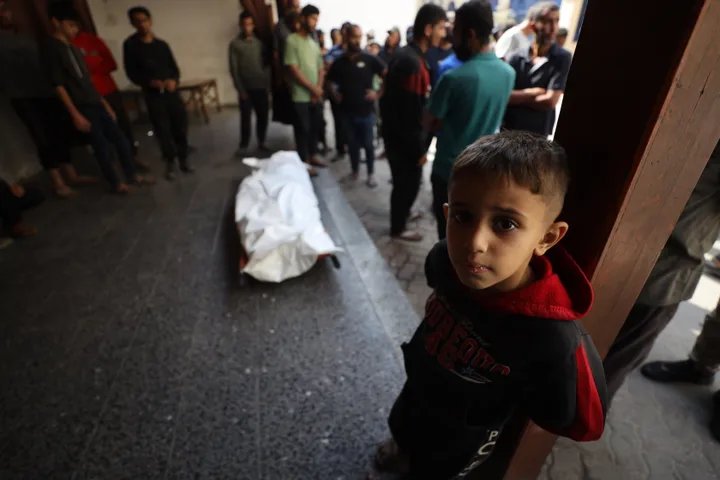
Hours before the handover of the hostage bodies, the delicate balance of the truce was shattered by military action. An Israeli airstrike targeted northern Gaza, resulting in the death of one Palestinian man. The strike occurred near a vegetable market in the Shejaia suburb of Gaza City, confirming the continued lethal risks for civilians even during a declared cessation of hostilities.
The Israeli military immediately offered a justification, stating that its aircraft had struck a militant who was actively posing a threat to Israeli ground forces operating in the area. This reasoning highlights the Israeli position that the truce does not preclude targeted operations aimed at eliminating persistent threats or neutralizing individuals engaged in hostilities near their lines. However, Palestinian officials reported by Al-Ahli Hospital confirmed the fatality, adding another civilian to the rising death toll and fueling further anger regarding the consistency of Israel’s adherence to the truce parameters.
Escalating Rhetoric and Ground Operations
Prime Minister Netanyahu addressed the nation shortly after the incidents, clearly stating the Israeli strategic position. “There are still Hamas pockets in the areas under our control in Gaza, and we are systematically eliminating them,” he said during a cabinet meeting in Jerusalem. This declaration confirms that, from the Israeli perspective, the objective of dismantling Hamas structures overrides a complete halt to all military activity, especially in zones already under Israeli control. This persistent mission focus means that skirmishes, defined by Israel as necessary defensive actions, will likely continue to occur.
In response, Hamas released its own comprehensive list detailing what it described as numerous violations of the ceasefire committed by Israel. Ismail Al-Thawabta, director of the Hamas-run Gaza government media office, strongly denied that Hamas fighters had initiated any breaches by attacking Israeli soldiers during the truce period. This cycle of accusation and counter-accusation illustrates the inherent difficulty in monitoring and enforcing the peace agreement, especially when fundamental strategic goals remain unmet by both sides. Indeed, the pursuit of strategic advantage and the denial of access to vital information mirrors complex political maneuvers seen elsewhere, such as when lawmakers are excluded from security briefings, limiting their ability to respond effectively to government actions.
Analyzing the Fragility of the Gaza Ceasefire
The primary purpose of the ceasefire was to allow for desperately needed humanitarian assistance into Gaza and facilitate the exchange of captives and remains. While these core functions are being partially fulfilled, the persistence of targeted strikes and the disputes over terms reveal a fundamental instability. This ceasefire is less a pathway to lasting peace and more a temporary mechanism built on mutually uncomfortable necessity.
The conflict remains intensely personal for both populations. Every returned body is a painful milestone for Israeli families, and every airstrike fatality ignites renewed grief and political outrage among Palestinians. This constant state of anxiety and grief contributes to a volatile environment where minor incidents can rapidly escalate into full-scale resumption of warfare. The continued operation by Israeli forces to “eliminate pockets” of resistance ensures that violence, though lower in frequency than the war’s peak, is a continuous reality. In fact, many observers believe that the current level of violence is simply too high for the truce to hold long term, necessitating greater international supervision and diplomatic commitment. This need for external management is often a hallmark of intractable conflicts.
The Double-Edged Sword of Hostage Negotiations
The decision by Hamas to transfer the bodies—though confirming the tragic deaths—is a strategic move designed to keep diplomatic channels open while managing internal and external pressure. It offers a limited, controllable form of compliance. However, for the Israeli government, each body returned reinforces the necessity of the military operation while simultaneously highlighting the cost of the conflict. The ongoing need to recover remains, particularly the remaining eight sought by Israel, gives Hamas continued leverage in future negotiations regarding aid, border movements, or prisoner exchanges.
The consequences of these high-stakes diplomatic failures or military miscalculations ripple across the region. Just as individuals face severe public consequences for past actions—where accountability sometimes leads to isolation, as exemplified by the repercussions faced by Prince Andrew following legal disclosures—nations involved in this conflict constantly weigh the short-term tactical wins against long-term strategic and international fallout. The global community watches closely, well aware that the delicate equilibrium represented by the phrase **Hamas hands over hostage bodies amid Gaza violence** could shatter at any moment.
The table below summarizes the key dynamics and challenges facing the ceasefire:
| Truce Component | Status Update (Nov 2, 2025) | Points of Contention |
|---|---|---|
| Hostage Repatriation (Remains) | 3 bodies handed over to Israel via Red Cross. | Hamas deemed too slow by Israel; 11 remains sought. |
| Israeli Military Operations | Low-level targeted strikes reported. | Netanyahu insists on “systematic elimination” of remaining militant pockets. |
| Truce Effectiveness | Mostly halted major fighting; localized violence persists. | Both sides accuse the other of violations (Hamas cited a list of Israeli breaches). |
| Humanitarian Aid Access | Improved, allowing Palestinians to return to some areas. | Security risks hamper full, sustained aid distribution in deeply affected areas. |
In conclusion, the events of this day encapsulate the ongoing crisis. The return of the hostage bodies signifies partial progress on humanitarian fronts, offering a flicker of hope and closure. Yet, the simultaneous lethal airstrike serves as a stark reminder that the war machine has only paused, not stopped. For the ceasefire to hold, both parties must move beyond reciprocal blame and commit to stricter adherence to the agreed-upon terms, lest the fragile peace completely dissolves.
Frequently Asked Questions (FAQ)
The bodies of the three deceased hostages were transferred by Hamas to the Israeli forces in Gaza, mediated through the International Red Cross. This handover was confirmed by the office of Israeli Prime Minister Benjamin Netanyahu and represents a tragic step toward resolution for the affected families.
The ceasefire, brokered by the U.S. and regional partners, has largely held, halting major large-scale fighting. However, it remains extremely fragile, characterized by reciprocal accusations of violations and localized military actions, such as the recent Israeli airstrike and disputes over the pace of hostage body repatriation.
The Israeli military stated that its aircraft had targeted and struck a militant who was deemed to be posing an immediate threat to Israeli ground forces operating in the northern Gaza area. Palestinian sources, however, confirmed the death of one man, describing him as a civilian killed near a vegetable market.
The process is complicated by several factors: the dangerous conditions within Gaza, which make location and movement difficult; the use of the bodies as crucial leverage by Hamas in negotiations; and profound mistrust, which leads to disputes over the speed and mechanism of the exchange, as Israel demands the return of 11 specific remains.
Netanyahu affirmed that Israeli forces would continue targeted operations despite the truce, stating that there are still “Hamas pockets in the areas under our control in Gaza” and that they are being “systematically eliminated.” This indicates that Israel views the truce as a managed pause rather than a complete cessation of all military objectives.