The digital airwaves, usually buzzing with excitement over new game reveals, have often been thick with speculation, particularly when it comes to long-dormant franchises or new titles from established studios. For months, whispers had circulated, a persistent hum in the background of every discussion about Ubisoft’s ambitious new arena shooter, XDefiant. Many gamers, myself included, couldn’t shake the feeling that something familiar, something stealthy, was lurking beneath its vibrant, chaotic surface. The idea that XDefiant might have secretly begun its life as a Splinter Cell project, or at least heavily incorporated elements from the beloved stealth series, had gained serious traction among fans hungry for any news about Sam Fisher’s return. It was a tantalizing thought, wasn’t it? A new Splinter Cell game, even one reimagined as a shooter, felt like a desperate wish for many. But now, the silence has been broken, and the truth, as it often does, arrives with a definitive, perhaps even jarring, clarity. The man at the helm during much of XDefiant’s development, former Executive Producer Mark Rubin, has stepped forward to unequivocally refute these deeply entrenched rumors. His statements, delivered with a straightforwardness that cut through years of hopeful conjecture, have certainly given the gaming community much to ponder (and perhaps a little bit of disappointment, depending on who you ask). It’s a stark reminder that sometimes, what we desperately want to be true isn’t always the reality, and a game can simply be what it is, without a secret past tied to a legendary franchise. This refutation not only clarifies XDefiant’s origins but also highlights the immense pressure and speculation developers face when working with a company known for iconic, yet sometimes neglected, IPs.
The Persistent Whispers and Mark Rubin’s Clear Rebuttal
For years, the gaming community has yearned for a new installment in the Splinter Cell franchise. The tactical stealth series, starring the iconic Sam Fisher, has been conspicuously absent from Ubisoft’s major release schedule for what feels like an eternity. With every new Ubisoft announcement, a collective breath is held, only to be exhaled in disappointment when Fisher’s night-vision goggles fail to appear. This prolonged absence created a vacuum, a fertile ground for rumors, especially when a new project like XDefiant emerged from the same publisher. Many believed, or perhaps just hoped, that XDefiant, with its faction-based gameplay and inclusion of characters and abilities from various Ubisoft universes, might have secretly started as a Splinter Cell multiplayer project. “Surely,” one fan posted on Reddit, “Ubisoft wouldn’t just let Splinter Cell rot, they must be doing something with it, right? Maybe this is it!”
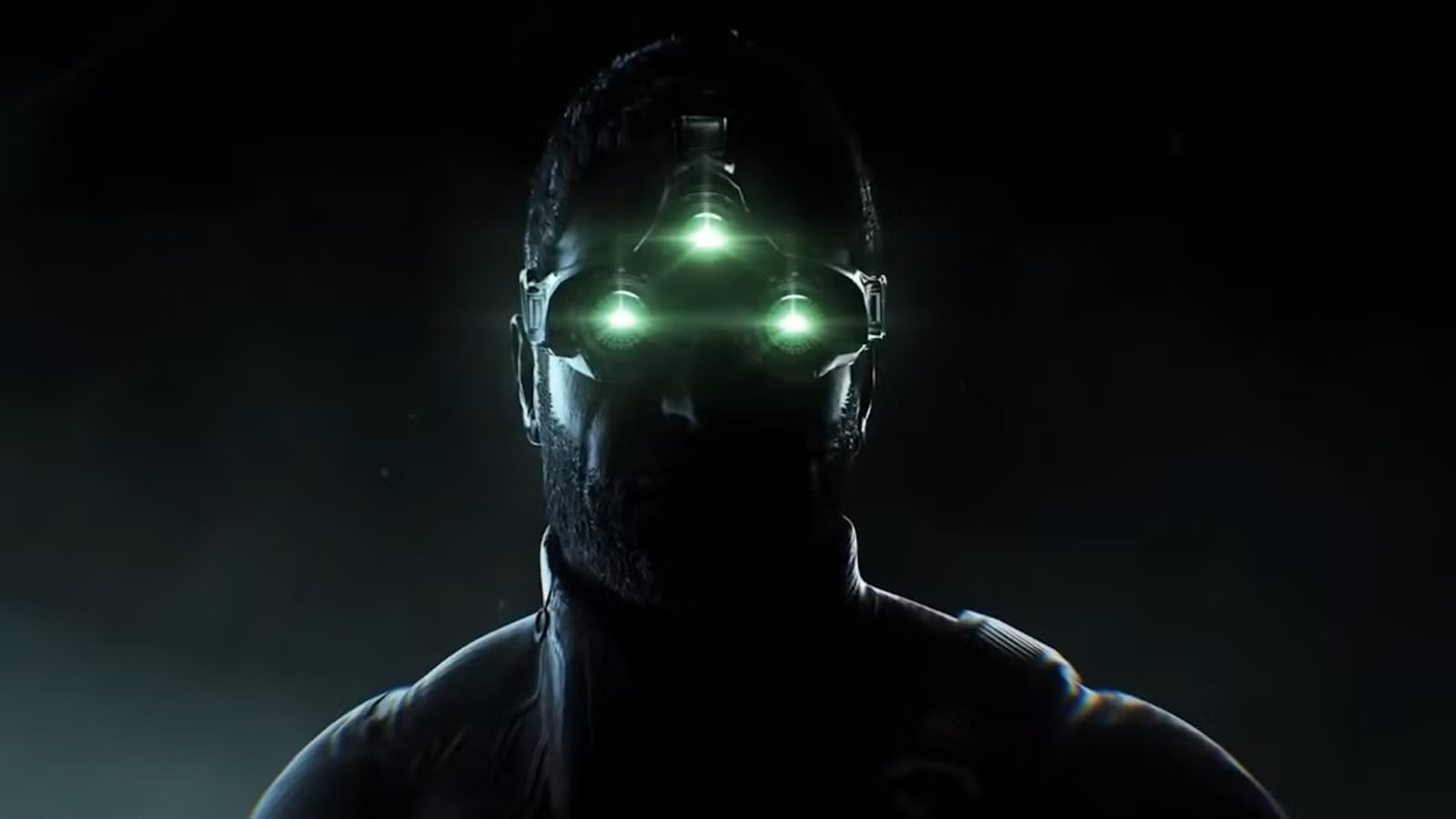
The theories ranged from XDefiant being a heavily retooled Splinter Cell game that pivoted to a broader Ubisoft crossover, to its initial design phases being a direct descendant of a cancelled or shelved Splinter Cell title. The very inclusion of characters from the Echelon faction (inspired by Splinter Cell’s Third Echelon) only fueled the fire, making it seem like a breadcrumb trail rather than a simple nod. Imagine the scene: hushed conversations in dimly lit convention halls, speculative articles appearing online, and countless YouTube videos dissecting every frame of XDefiant footage for clues. It was a full-blown detective agency operating on hope and a touch of paranoia.
However, Mark Rubin, the former Executive Producer of XDefiant, has now emphatically shut down these theories. In a recent, rather candid exchange, he stated, “To be clear, XDefiant was never a Splinter Cell game. Never. It was always XDefiant, an arena shooter designed to pull from various Ubisoft IPs. The Echelon faction is simply part of that crossover design, not a remnant of a different project.” His words echo across the digital landscape, a definitive period at the end of a long, speculative sentence. Rubin, known for his work on the Call of Duty franchise before joining Ubisoft, brought a clear vision for a fast-paced, competitive shooter, and he seems keen to ensure that vision isn’t obscured by lingering fan theories.
Why the Rumors Took Root: The Legacy of Splinter Cell
It’s not hard to understand why these rumors gained such traction. Ubisoft has a complex relationship with its beloved Splinter Cell franchise. After the critically acclaimed Blacklist in 2013, the series went dark. Sam Fisher made cameo appearances in other games, like Ghost Recon Wildlands and Rainbow Six Siege, and there was even a VR title. But a full-fledged, standalone Splinter Cell experience has been conspicuously absent. This drought has left a significant void in the hearts of stealth game aficionados, many of whom grew up with Fisher’s tactical espionage missions.
“When a beloved series disappears for so long, fans start grasping at straws,” explained Jessica Chen, a gaming industry analyst I spoke with over a lukewarm coffee in a bustling downtown café. “They see a new project from the same publisher, especially one that draws from other IPs, and their minds connect the dots in a hopeful way. It’s less about conspiracy and more about fervent desire.” She paused, stirring her coffee thoughtfully. “The Echelon faction in XDefiant, with its stealth-oriented abilities, was practically an open invitation for speculation. It was like showing a starving person a picture of a feast and expecting them not to salivate.”
Ubisoft’s broader strategy, leaning heavily into live-service games and multiplayer experiences, also contributed to the conjecture. Some reasoned that if a new single-player Splinter Cell wasn’t on the cards, perhaps a multiplayer-focused version, disguised as something else, might be their way of testing the waters. The idea of a Splinter Cell-themed shooter, even if it strayed from the core stealth mechanics, felt more plausible to some than no Splinter Cell at all. It was a bittersweet thought, a trade-off that many were willing to make in their minds.
XDefiant’s True Identity: A Standalone Arena Shooter
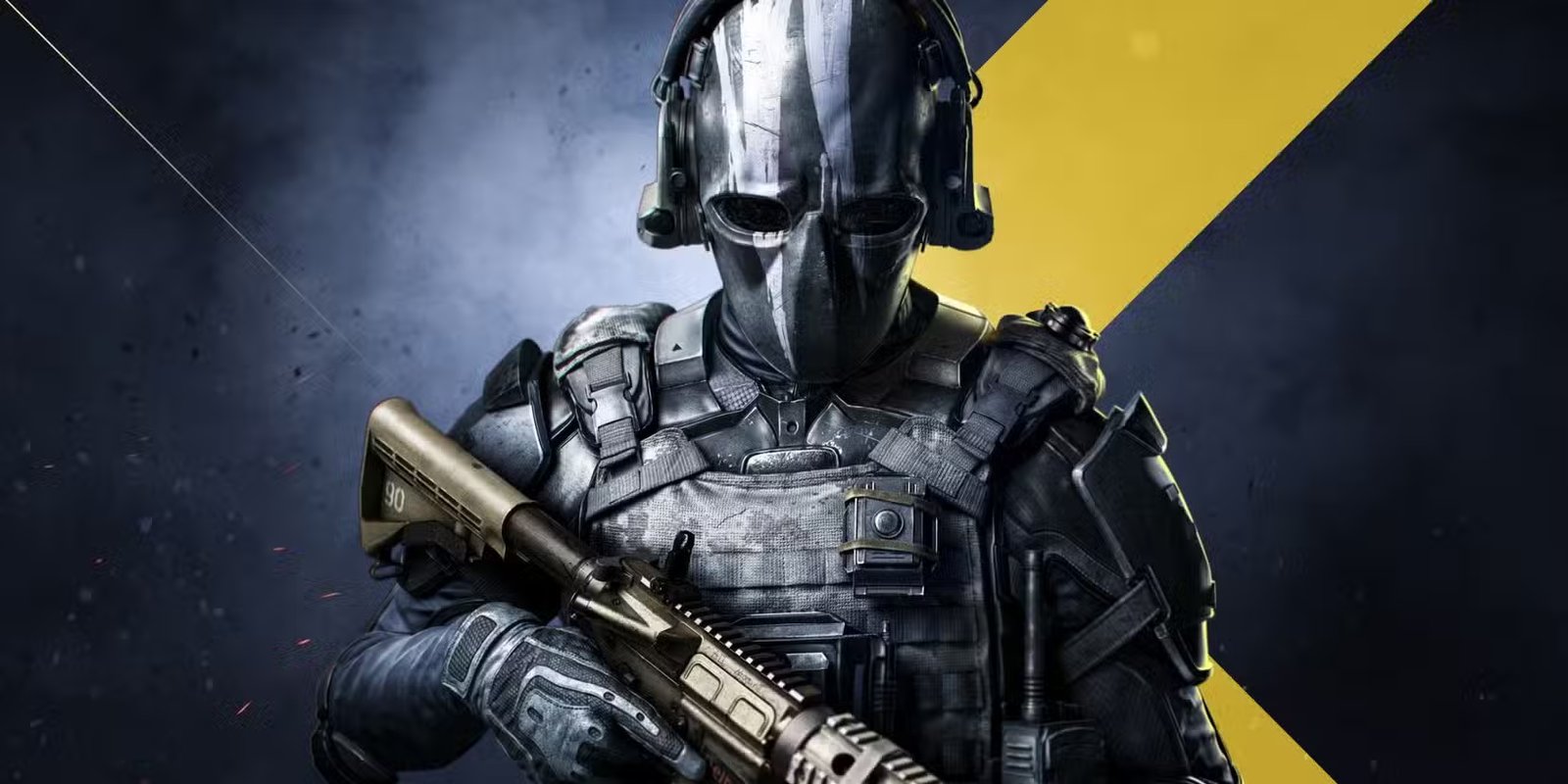
With Rubin’s firm clarification, it’s essential to understand XDefiant’s actual identity. From its inception, the game was conceived as a high-octane, fast-paced first-person arena shooter, distinct from the slow, methodical pace of a typical stealth game. Its core loop revolves around objective-based gameplay, character abilities tied to specific factions, and competitive action. The goal was to create a fresh take on the arena shooter genre, drawing on the rich lore and diverse character roster that Ubisoft has cultivated over decades.
“We set out to make an excellent competitive shooter, something that felt both familiar to FPS fans but also uniquely Ubisoft,” explained a former developer who worked on the early stages of the project, wishing to remain anonymous. “The idea was always to mix and match. You want a medic from The Division? Great. A stealth operative from Splinter Cell? Perfect. A hacker from Watch Dogs? Absolutely. It was never about a single IP; it was about the ensemble.” This perspective aligns perfectly with Rubin’s statements, painting a picture of a game designed from the ground up to be a crossover event, not a rebranded stealth title.
The factions themselves, while borrowing aesthetics and archetypes from existing Ubisoft games, are tailored for the shooter experience. The Libertad faction from Far Cry offers healing and defensive abilities, while the Cleaners from The Division bring area-denial and fire-based attacks. The Phantoms from Ghost Recon are tanky defenders, and the DedSec from Watch Dogs specializes in disruption and hacking. The Echelon faction, though featuring stealth and information-gathering abilities, operates within the parameters of a fast-paced shooter, not a creeping espionage simulator. Players aren’t hiding in shadows for minutes on end; they’re flanking, surprising, and disrupting enemy lines in rapid succession. It’s a different rhythm, a different beat, entirely.
Navigating Community Expectations and Developer Transparency
Mark Rubin’s refutation serves as a crucial moment for developer transparency. In an age where leaks and speculation can heavily influence public perception, clear communication from those involved in development is more vital than ever. The pressure on game developers to meet escalating community expectations is immense, particularly when dealing with revered franchises. When a game like XDefiant arrives, carrying the weight of unfulfilled wishes for a new Splinter Cell, it’s a tightrope walk for the development team.
“I can tell you, it’s exhausting,” a current Ubisoft community manager confided during a recent online chat. “Every Q&A, every forum post, someone would ask about Splinter Cell and XDefiant. We tried to manage expectations, but the narrative had already been set in many people’s minds. Having someone like Rubin, with his industry standing, make such a direct statement, it helps to put an end to that particular chapter.”
Rubin’s experience, having worked on iconic shooters like Call of Duty, gives his statements considerable weight. He understands the nuances of community engagement and the importance of setting the record straight. His departure from Ubisoft in early 2024 (though his statements came after this) doesn’t diminish the validity of his insights into XDefiant’s core development philosophy. If anyone would know the true origins of XDefiant, it would be the executive producer who guided its vision for years. This incident highlights the delicate balance between fostering excitement for new games and managing the often-unrealistic expectations that can arise from a passionate, but sometimes misinformed, player base. It also underscores the need for developers to clearly define their game’s identity early and consistently, lest it be swallowed by external narratives.
The Future of XDefiant and Splinter Cell
So, what does this mean for the future? For XDefiant, it means an opportunity to finally shine on its own merits, free from the shadow of Splinter Cell. The game has its own unique blend of fast-paced action, diverse factions, and competitive potential. It needs to forge its own path and attract players based on its gameplay, not on a rumored past. The development team can now focus entirely on refining the experience, balancing the factions, and building a thriving community around the game they intended to create. It’s a chance for players to judge XDefiant for what it is: a new, free-to-play arena shooter from Ubisoft.
As for Splinter Cell, Rubin’s comments, while clarifying XDefiant’s status, unfortunately, offer no new hope for a traditional stealth game. The long-awaited remake of the original Splinter Cell is indeed in development, but it’s a remake, not a new story or a new direction for the franchise. This is a crucial distinction. The remake promises to rebuild the game “from the ground up” using Ubisoft’s Snowdrop engine, aiming to deliver a modern stealth experience while retaining the essence of the original. This project exists completely independently of XDefiant, proving that Ubisoft is indeed doing “something” with Splinter Cell, just not in the way many had hoped for with XDefiant.
The clear distinction made by Rubin reinforces that players should temper their expectations and allow games to stand on their own. While the intertwining of IPs can be fun, it doesn’t mean every new game is a secret revival of an old one. Sometimes, a game is just a game, and the developers’ vision is precisely what they say it is. It’s a lesson in patience, in listening, and in appreciating games for their inherent qualities rather than their rumored potential. The digital landscape continues to evolve, and so do the ways we engage with and understand the games being created. It’s an exciting time, even if some long-held theories have just been definitively debunked.
Frequently Asked Questions
| What was the Splinter Cell claim regarding XDefiant? | The claim was that Ubisoft’s arena shooter XDefiant originally started development as a Splinter Cell game, or that it was heavily influenced by a cancelled Splinter Cell project, perhaps a multiplayer component. |
| Who refuted the Splinter Cell claim for XDefiant? | Mark Rubin, the former Executive Producer of XDefiant, unequivocally refuted the claim, stating that XDefiant was never a Splinter Cell game and was always conceived as a distinct arena shooter. |
| Why did many gamers believe XDefiant might have been a Splinter Cell game? | The belief stemmed from Ubisoft’s long silence on a new Splinter Cell title, the inclusion of the “Echelon” faction (inspired by Splinter Cell’s Third Echelon) in XDefiant, and general fan desire for any news on the beloved stealth franchise. |
| What is XDefiant’s true identity, according to its developers? | XDefiant is an arena first-person shooter designed from the ground up to be a fast-paced, competitive game that pulls characters and abilities from various Ubisoft franchises, not just Splinter Cell. |
| Does this refutation impact the future of the Splinter Cell franchise? | While it clarifies XDefiant’s origins, it doesn’t offer new hope for a traditional Splinter Cell game. The existing Splinter Cell remake is still in development, which is a separate project from XDefiant. |
Important Notice
This FAQ section addresses the most common inquiries regarding the topic.