Ford Recalls 1.5 Million Vehicles Over Rearview Camera Flaw
Ford is once again in the news, and not for a groundbreaking new model, I’m afraid. The automaker has issued another massive recall, this time affecting nearly 1.5 million older vehicles. You might be wondering why this matters, especially if you don’t own a Ford. But here’s the thing most people miss: recalls are a crucial part of ensuring vehicle safety and holding manufacturers accountable. This particular recall focuses on a potential defect in the rearview cameras of these vehicles. Let’s be honest about what this actually means: a malfunctioning rearview camera can significantly increase the risk of accidents.
The issue? The rearview cameras in these vehicles might display a distorted image or, worse, fail to work altogether. Picture this scenario for a moment: you’re backing out of a parking space, relying on the camera to see what’s behind you, and suddenly… nothing. Or worse, a warped image that gives you a false sense of security. That’s where the danger lies. And guess what? There’s more beneath the surface. This recall isn’t just a random event; it’s part of a larger agreement between Ford and the National Highway Traffic Safety Administration (NHTSA) regarding rearview camera claims.
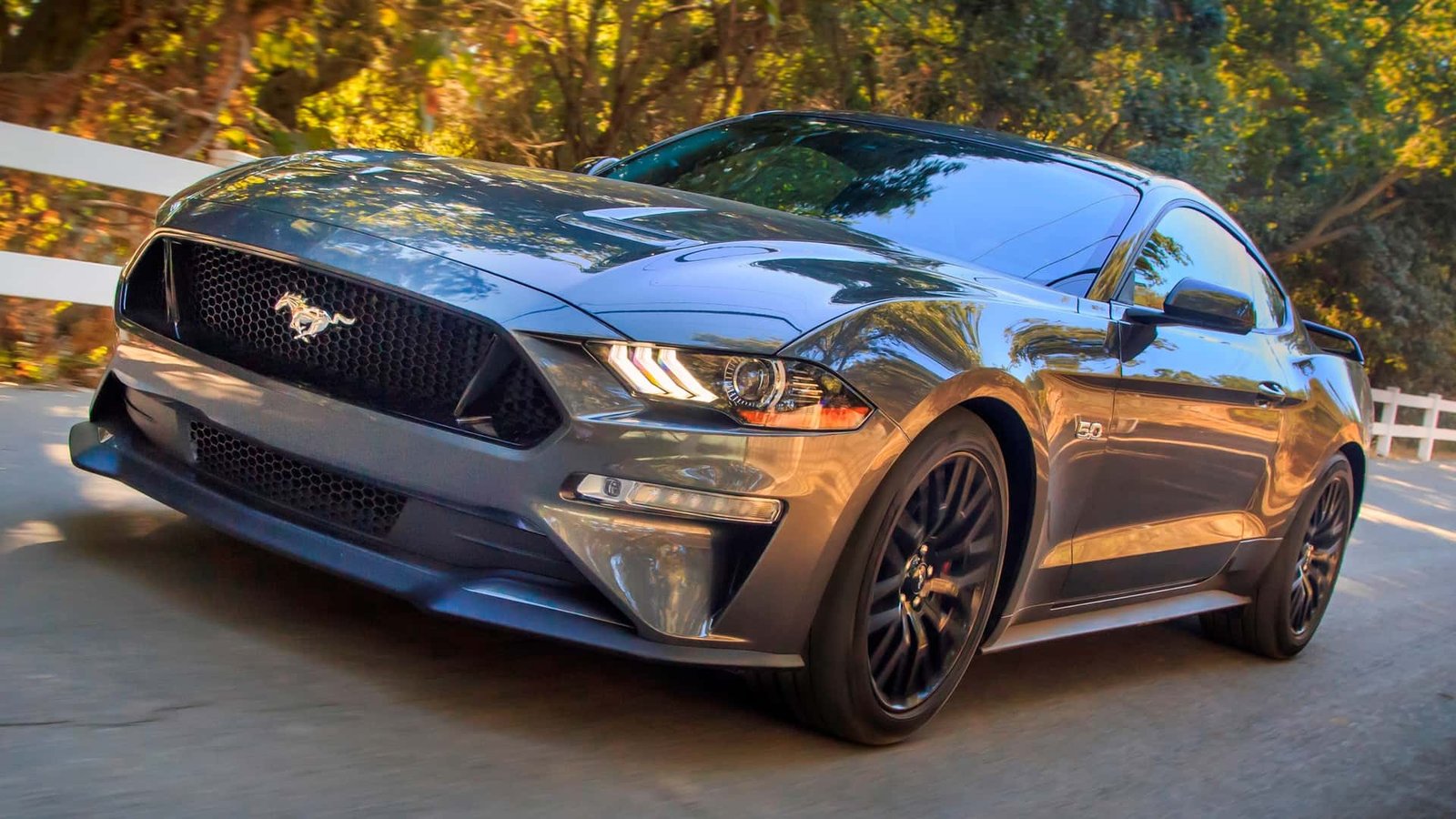
The affected models span a range of Ford and Lincoln vehicles from the 2015 to 2020 model years. Specifically, we’re talking about the 2015-2016 Ford C-Max, 2015-2016 Ford Escape, 2015 Ford Explorer, 2019 Ford Fiesta, 2015-2019 Ford Flex, 2016 Ford Fusion, 2020 Ford Mustang, 2015-2016 and 2018-2019 Ford Taurus, 2015 and 2019 Lincoln MKT, and 2015 Lincoln MKZ. That’s a pretty extensive list, isn’t it? Now, here’s where it gets interesting: the investigation into these defective rear cameras actually began in February 2025, after the NHTSA contacted Ford with complaints from vehicle owners. If there’s one takeaway from all this, it’s that customer feedback plays a vital role in identifying and addressing potential safety issues.
The Timeline: From Complaint to Recall
Ford’s investigation involved reviewing supplier documents, warranty data, and owner complaints. The reality is often different than expectations. While the automaker stated they were “unable to identify a defect related to motor vehicle safety across all vehicle populations equipped with this analog camera,” they ultimately decided to issue the recall. Why? Because the potential risk, however small, was still present. Think of it this way for a moment: even if the odds are low, the consequences of a malfunctioning rearview camera can be severe.
This recall is part of an agreement Ford made with NHTSA regarding how it would handle rearview camera claims from 2015-2025 model year vehicles. The pair agreed to split the affected vehicles into two segments: cars that will receive a recall and vehicles covered by a 15-year extended warranty on the cameras. This is where things take an unexpected turn: Ford isn’t just fixing the problem for everyone; they’re offering an extended warranty to some owners as well. It’s a tiered approach to address the issue, and honestly, I was surprised when I discovered this level of detail.
Warranty Claims and Accident Reports
According to the recall report, Ford is aware of 12,487 warranty claims related to defective rearview cameras. The company received its first claim back in July 2014. This is a significant number, and it highlights the prevalence of the issue. What most experts won’t tell you is that these warranty claims are just the tip of the iceberg. Many owners might not even report the issue, or they might simply live with the inconvenience. Ford also stated that they know of five accidents related to the defect, but thankfully, there have been no reports of any injuries. That’s a relief, but it doesn’t diminish the seriousness of the situation.
Ford has already begun informing owners about the issue by sending an interim remedy notification. Owners will need to take their vehicle to a Ford service center for inspection and possible repair. The automaker expects parts to become available in the third quarter of 2025. But here’s the catch that changes everything: even though the recall has been announced, owners might have to wait a few months before they can actually get their vehicles fixed. That’s not ideal, but it’s the reality of large-scale recalls. If you’re like most people, you’ve probably experienced the frustration of waiting for a repair or replacement part. It’s never fun, but it’s often unavoidable.
What to Do If Your Vehicle Is Affected
If you own one of the affected vehicles, here’s what you need to do: first, check your mailbox for an interim notification from Ford. You can also visit the NHTSA website and enter your vehicle’s VIN (Vehicle Identification Number) to see if it’s included in the recall. Once you’ve confirmed that your vehicle is affected, contact your local Ford dealership to schedule an appointment for inspection and repair. Remember, the repair will be free of charge. This is a crucial step in ensuring your safety and the safety of others on the road. The moment you realize this, everything clicks: recalls aren’t just about fixing a problem; they’re about preventing potential tragedies.
While you’re waiting for the repair, be extra cautious when backing up your vehicle. Rely on your mirrors and physical checks to ensure that the area behind you is clear. Don’t solely depend on the rearview camera, especially if you’ve noticed any issues with its performance. It’s always better to be safe than sorry. And that’s when the magic happens: you take control of the situation and proactively protect yourself and your loved ones. It’s important to understand the potential benefits of elevating your car collection and ensuring that your vehicles are always safe and well-maintained, which is why platforms like Dr. Garage offer comprehensive solutions for car enthusiasts.
Ford’s Recall History: A Broader Perspective
This latest recall is just one in a series of recalls that Ford has issued in recent years. In fact, Ford has faced numerous challenges with quality control and manufacturing defects. While no automaker is immune to recalls, Ford’s recent track record has raised concerns among consumers and industry experts. It’s important to put this recall in context and examine Ford’s overall approach to safety and quality. Here’s a perspective you probably haven’t considered: recalls are a reflection of a company’s commitment to safety, but they also highlight potential weaknesses in its manufacturing processes.
The sheer volume of recalls can erode consumer trust and damage a brand’s reputation. Ford needs to take decisive action to address these underlying issues and regain the confidence of its customers. That might mean investing in better quality control measures, improving communication with suppliers, and fostering a culture of safety within the company. The bottom line is surprisingly straightforward: Ford needs to prioritize quality over quantity and ensure that its vehicles meet the highest safety standards. As Ford navigates these challenges, it’s crucial to remember that the future of luxury driving is rapidly evolving, as evidenced by advancements discussed in the Audi A8’s exploration of innovative technologies and design.
The NHTSA’s Role in Vehicle Safety
The National Highway Traffic Safety Administration (NHTSA) plays a critical role in ensuring vehicle safety in the United States. The agency investigates potential safety defects, issues recalls, and sets safety standards for automakers. The NHTSA’s involvement in this Ford recall highlights the agency’s commitment to protecting consumers from potential hazards. It’s sort of like having a watchdog that keeps automakers in check and ensures that they’re prioritizing safety. Without the NHTSA, automakers might be less inclined to issue recalls or address safety concerns proactively.
The NHTSA also provides valuable resources for consumers, including a website where you can search for recalls and file complaints. If you suspect that your vehicle has a safety defect, it’s important to report it to the NHTSA. Your complaint could help identify a larger problem and trigger a recall that protects other drivers. Understanding how the NHTSA operates is essential for every vehicle owner. For those interested in more nuanced discussions around industry innovations, it’s worth noting that Toyota’s Lexus division is also exploring new strategies to push automotive technology forward.
The Impact on Ford’s Reputation and Future
This recall undoubtedly has an impact on Ford’s reputation. Every recall erodes consumer trust to some degree. However, how Ford handles this situation will ultimately determine the long-term impact on its brand. If Ford responds quickly, efficiently, and transparently, it can mitigate the damage and even regain some lost trust. But if Ford drags its feet or tries to downplay the issue, it could face a significant backlash from consumers. The reality is often different than you’d expect: consumers are more forgiving of recalls when they see that a company is taking responsibility and actively working to fix the problem.
Ford’s future success depends on its ability to address these quality control issues and build safer, more reliable vehicles. That requires a fundamental shift in mindset and a renewed commitment to excellence. The company also needs to invest in better communication with its customers and be more proactive in addressing their concerns. At the end of the day, it comes down to this: Ford needs to earn back the trust of its customers, one vehicle at a time.
| Vehicle Model | Model Years Affected | Potential Issue |
|---|---|---|
| Ford C-Max | 2015-2016 | Distorted or non-functional rearview camera |
| Ford Escape | 2015-2016 | Distorted or non-functional rearview camera |
| Ford Explorer | 2015 | Distorted or non-functional rearview camera |
| Ford Fiesta | 2019 | Distorted or non-functional rearview camera |
| Ford Flex | 2015-2019 | Distorted or non-functional rearview camera |
| Ford Fusion | 2016 | Distorted or non-functional rearview camera |
| Ford Mustang | 2020 | Distorted or non-functional rearview camera |
| Ford Taurus | 2015-2016, 2018-2019 | Distorted or non-functional rearview camera |
| Lincoln MKT | 2015, 2019 | Distorted or non-functional rearview camera |
| Lincoln MKZ | 2015 | Distorted or non-functional rearview camera |
The Broader Implications for the Auto Industry
Ford’s recall isn’t just an isolated incident; it’s part of a larger trend in the auto industry. Automakers are facing increasing pressure to produce vehicles with advanced technology and complex features. This complexity can lead to more potential points of failure and a higher risk of recalls. It’s a delicate balancing act between innovation and reliability. Think of it this way for a moment: automakers are trying to build the cars of the future, but they also need to ensure that those cars are safe and dependable. The pursuit of perfection, as seen in the world of competitive gaming, can be relentless; however, in both automotive manufacturing and eSports, success hinges on balancing innovation with reliability, much like the dedication required in maintaining peak performance in Overwatch 2.
Consumers are increasingly demanding vehicles with features like advanced driver-assistance systems (ADAS), infotainment systems, and connectivity features. These features can enhance safety and convenience, but they also add complexity to the vehicle’s overall design. Automakers need to carefully manage this complexity and ensure that their vehicles are thoroughly tested and validated before they’re released to the public. It’s sort of like building a house: you need a solid foundation before you can start adding all the fancy features. The rise of complex technology in vehicles also has implications for cybersecurity. Automakers need to protect their vehicles from hacking and other cyber threats that could compromise safety and privacy. This is an ongoing challenge that requires constant vigilance and innovation. The landscape of sports and entertainment also requires constant vigilance, as highlighted by the challenges and triumphs in team dynamics in sports, emphasizing the importance of robust defense and adaptability.
Quality Control and Manufacturing Processes
One of the key takeaways from this recall is the importance of robust quality control and manufacturing processes. Automakers need to have systems in place to identify and address potential defects early in the production process. That includes rigorous testing, supplier audits, and employee training. It’s like having a safety net that catches potential problems before they become major issues. The moment you realize this, everything clicks: quality control isn’t just a cost center; it’s an investment in safety and customer satisfaction.
Automakers also need to foster a culture of safety within their organizations. That means empowering employees to speak up about potential safety concerns and creating a system where those concerns are taken seriously. It’s about creating an environment where safety is everyone’s responsibility, from the CEO to the assembly line worker. And that’s when the magic happens: when everyone is committed to safety, the risk of recalls is significantly reduced. Just as in sports, where strategy and precision are essential, as demonstrated by Stafford’s performance in football, rigorous processes and a culture of excellence are critical for success in automotive manufacturing.
The Future of Vehicle Recalls
Vehicle recalls are likely to remain a part of the automotive landscape for the foreseeable future. As vehicles become more complex and technologically advanced, the risk of defects will only increase. However, automakers can take steps to minimize the impact of recalls and protect their customers. That includes investing in better quality control, improving communication with customers, and being more transparent about potential safety issues. The future of vehicle recalls may also involve the use of data analytics and artificial intelligence. Automakers can use these technologies to identify potential defects more quickly and accurately, and to predict which vehicles are most likely to be affected. It’s like having a crystal ball that allows you to see potential problems before they arise. By leveraging these technologies, automakers can proactively address safety concerns and prevent recalls from happening in the first place.
The bottom line is that vehicle recalls are a necessary evil. They’re a reminder that even the most advanced technology can fail, and that safety should always be the top priority. By learning from past mistakes and investing in better quality control, automakers can minimize the risk of recalls and build safer, more reliable vehicles for the future. The automotive landscape is ever changing, and as the next iPhone Air release faces potential delays, as mentioned in recent reports about weak sales, the importance of planning and quality control become even more apparent for long-term stability.
At the end of the day, that’s what matters most: practical solutions that actually work. And honestly? That’s the kind of progress worth paying attention to.
**