FDA Says Drug Makers Recalled A Blood Pressure Medicine Tainted With Cancer-Causing Chemical
Safety in pharmaceutical products is the bedrock of public trust, especially when dealing with medications used daily by millions to manage chronic conditions like hypertension. However, the integrity of this trust has been severely tested recently following announcements that drug manufacturers have voluntarily recalled several batches of common blood pressure medication. The reason for this drastic action is deeply concerning: the discovery of a cancer-causing chemical contaminant within the active pharmaceutical ingredients (APIs).
This widespread FDA-mandated recall involves crucial drugs designed to regulate blood pressure, specifically targeting the class of medications known as Angiotensin II Receptor Blockers (ARBs). While these drugs are essential for preventing strokes and heart attacks, the presence of dangerous impurities has forced regulators and manufacturers alike to prioritize patient safety over continued distribution.
The chemical in question belongs to a group known as nitrosamines, potent substances classified as probable human carcinogens. Their unexpected introduction into the manufacturing process has exposed a critical vulnerability in the global pharmaceutical supply chain, necessitating immediate, decisive action to protect the population relying on these daily treatments.
Understanding the Scope of the Drug Recall Crisis
The discovery of carcinogenic impurities marks one of the most significant pharmaceutical quality crises in recent memory. Initially detected in a few specific medications, the contamination issue quickly revealed itself to be systemic, impacting multiple drug makers and generic versions of the essential blood pressure medicine. The sheer scale of the recall effort underscores the gravity of manufacturing oversight failures.

For patients managing hypertension, this situation creates immense anxiety. These individuals depend on consistent medication to maintain health, and receiving news that their essential daily pills may contain a cancer-causing chemical is understandably alarming. The FDA has been stringent in its communication, working to ensure that manufacturers recall affected lots efficiently and that patients receive clear guidance on replacement medication options.
The contamination has necessitated a rigorous investigation into international sourcing. Many of the APIs used in these blood pressure medicines are manufactured overseas, often in large volume facilities that supply the global market. Tracing the source of the nitrosamine impurity has pointed toward issues with specific chemical reactions or inadequate quality control during the synthesis stage of the drug ingredients.
The Silent Threat: What is the Cancer-Causing Chemical?
The contaminant that triggered the massive recall is often N-Nitrosodimethylamine (NDMA) or similar compounds like N-Nitrosodiethylamine (NDEA). These substances fall under the nitrosamine class, which is found in various consumer products and industrial processes, though usually in trace amounts. However, when these chemicals appear in high concentrations within pharmaceuticals, particularly drugs taken consistently over many years, the potential risk dramatically increases.
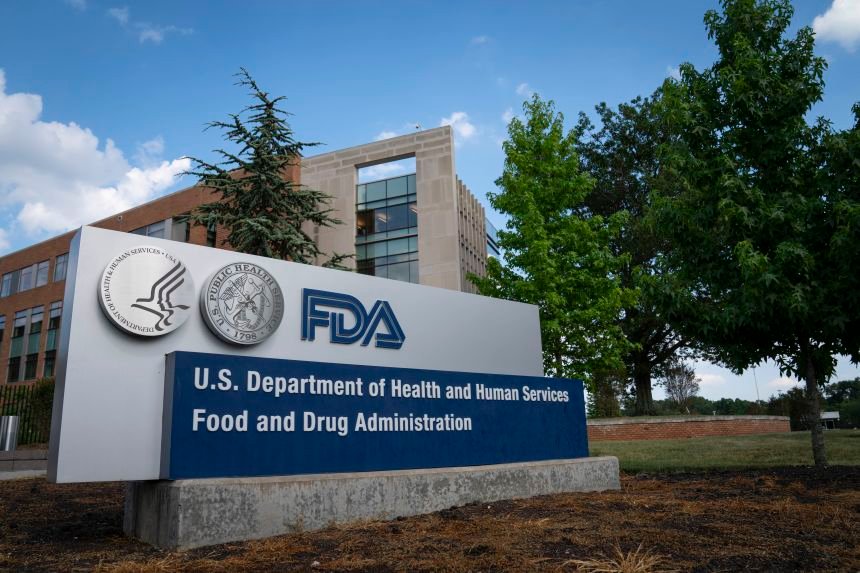
NDMA and related nitrosamines are classified as probable human carcinogens because, over time and with repeated exposure, they can cause genetic mutations that lead to cancer. While the short-term use of a contaminated pill does not guarantee cancer development, the FDA acted swiftly to mitigate any long-term exposure risk for chronic users of these essential blood pressure medicine formulations.
Experts believe the impurities were not deliberately added but are likely byproducts stemming from changes in the manufacturing process, such as altered solvent use, different recovery processes, or perhaps contamination from repurposed equipment. The regulatory focus now is not just on removing the tainted drugs but on establishing new, stricter limits and testing requirements for nitrosamine levels across all drug classes, especially those used for chronic conditions.
Patient Safety: What Should Hypertension Patients Do Now?
For individuals currently taking a recalled blood pressure medicine, the FDA and medical professionals offer clear, unified advice: Do not stop taking your medication abruptly. Suddenly discontinuing medication for hypertension poses a much higher and more immediate health risk, potentially leading to serious complications like stroke or heart attack, compared to the long-term, theoretical cancer risk associated with the impurity.

The crucial next step is immediate consultation. Patients should contact their prescribing physician or pharmacist to determine if their specific batch and dosage are included in the FDA recall list. Pharmacists are now highly aware of the situation and can quickly check lot numbers and guide patients toward a safe, untainted alternative medication. In many cases, patients can simply switch to a non-recalled generic version or a different class of blood pressure medicine under the guidance of their doctor.
Patient education is paramount in this crisis. Understanding the difference between immediate risk (stopping medication) and potential long-term risk (continued exposure to the carcinogen) is key to making informed decisions. The FDA maintains an updated list of all recalled drugs, often including details on specific manufacturers and lot numbers, which acts as the definitive resource for consumers and healthcare providers.
A Timeline of Ongoing Investigation and Action
The FDA’s response to the detection of the cancer-causing chemical has been an intensive, multi-phase investigation. The initial detection spurred rigorous testing of all related products, which uncovered additional affected batches and manufacturers, expanding the scope of the original blood pressure medicine recall significantly.
Regulatory teams focused heavily on the supply chain, particularly on the API suppliers who introduced the contaminants. This process involves auditing foreign manufacturing facilities and demanding changes in standard operating procedures (SOPs) to prevent the formation of nitrosamines during drug synthesis. The industry is now grappling with how to implement these enhanced screening protocols worldwide.
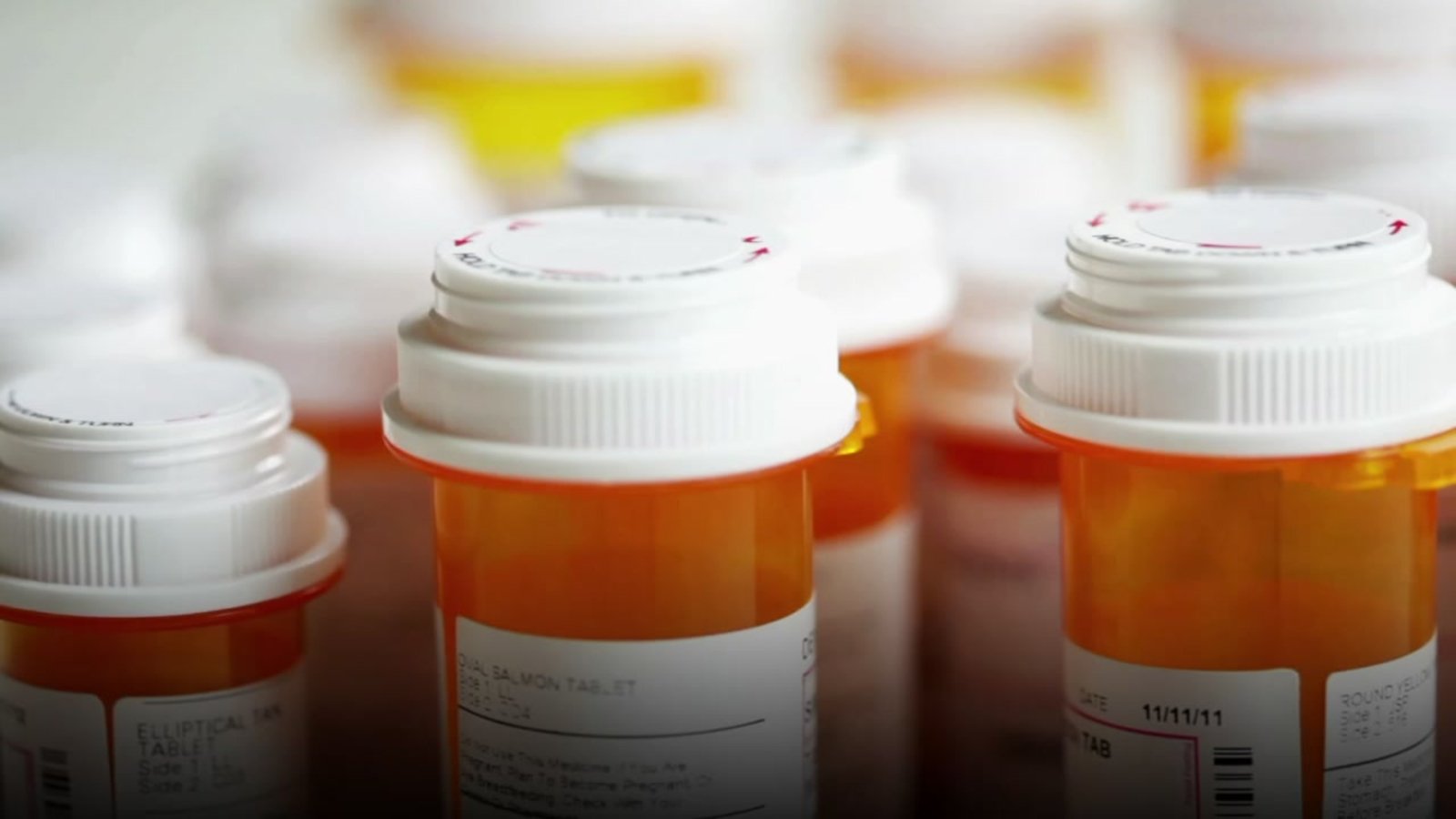
The long-term effort involves setting globally standardized limits for these impurities. While trace amounts of nitrosamines are present everywhere (even in processed foods and drinking water), their concentration in medications must be strictly controlled, especially given the chronic nature of blood pressure treatment. This event serves as a powerful catalyst for tighter regulation.
- Immediate Action: Manufacturers were ordered to cease distribution and quarantine all contaminated blood pressure medicine lots.
- Supply Chain Audit: Comprehensive investigations into specific overseas API suppliers to identify the origin of the nitrosamine impurity.
- Enhanced Testing: Implementation of high-sensitivity analytical methods to detect trace levels of carcinogens in all incoming raw materials and finished drug products.
- Patient Communication: Ongoing collaboration between the FDA, pharmacies, and healthcare providers to ensure patients are aware of the recall and receive replacement medication safely.
- Global Collaboration: Working with international regulatory bodies to harmonize standards for controlling nitrosamine levels in pharmaceuticals globally.
Rebuilding Trust: Ensuring Quality Control in Drug Manufacturing
The exposure of a cancer-causing chemical within essential blood pressure medication highlights the constant tension between efficient mass production and stringent quality assurance. Rebuilding public confidence requires pharmaceutical companies to make transparent and demonstrable commitments to enhanced quality control (QC) procedures.
This commitment means investing significantly in advanced testing technologies that can detect impurities at extremely low parts per million (PPM) levels. Relying solely on historical quality checks is no longer sufficient; manufacturing processes must be meticulously analyzed for any chemical reaction pathways that could inadvertently produce nitrosamines.

Furthermore, the FDA is urging manufacturers to improve internal tracking and accountability systems, particularly when sourcing APIs from third-party suppliers. Visibility into the entire supply chain—from the base chemicals to the finished pill—is essential. If a supplier changes a cleaning agent or uses a different solvent, that change must be evaluated for its potential to generate dangerous byproducts like the cancer-causing chemical found in the blood pressure medicine.
Only through rigorous, proactive testing and a commitment to immediate remediation of quality issues can the pharmaceutical industry assure patients that their life-sustaining medications are safe and free from toxic impurities.
Future Implications for Blood Pressure Treatment
The widespread recall of tainted blood pressure medicine will undoubtedly influence future prescribing patterns. Physicians may become more cautious, perhaps opting for drug classes with a less complex chemical synthesis or choosing manufacturers with demonstrated robust quality assurance records. This shift is vital for maintaining patient safety and ensuring treatment compliance.
From a regulatory standpoint, the crisis mandates a permanent change in how the FDA monitors and approves drug manufacturing sites, particularly those overseas. This may involve more frequent, unannounced inspections and tougher penalties for facilities failing to meet new impurity standards. The focus is shifting from simply testing the final product to monitoring and validating every step of the synthesis process.
Ultimately, this major blood pressure medicine recall serves as a sobering reminder that quality control in drug manufacturing is a non-negotiable public health priority. The global effort required to remove the cancer-causing chemical and prevent its recurrence will redefine the standards for purity and safety in chronic care medication for years to come.
Patients are encouraged to remain calm, consult their healthcare providers, and trust in the ongoing efforts by regulatory bodies and responsible manufacturers to safeguard their health through clean and effective medication. The swift response to remove the tainted products underscores the dedication to patient safety, despite the failures revealed in the supply chain.
The lesson learned is clear: vigilance must be constant. While the immediate focus is on replacing contaminated blood pressure medicine, the long-term impact will be measured by the industry’s ability to prevent any future recurrence of cancer-causing chemical impurities in essential daily medications.