Revolutionary Serum: Hair Regrowth in Just 20 Days?
The quest for a reliable and effective solution to hair loss has been a long and often frustrating journey for millions worldwide. Now, a groundbreaking discovery from researchers at Taiwan University offers a glimmer of hope. Their research suggests that an experimental serum could potentially reverse baldness and stimulate hair regrowth in as little as 20 days. This development, published in the prestigious journal Cell Metabolism, has sent ripples of excitement through the scientific community and among individuals seeking a solution to thinning hair. The study focuses on the remarkable ability of fat cells beneath the skin to reactivate hair growth, offering a novel approach to tackling this widespread concern. This could represent a significant leap forward compared to existing treatments, which often have limited efficacy or undesirable side effects.
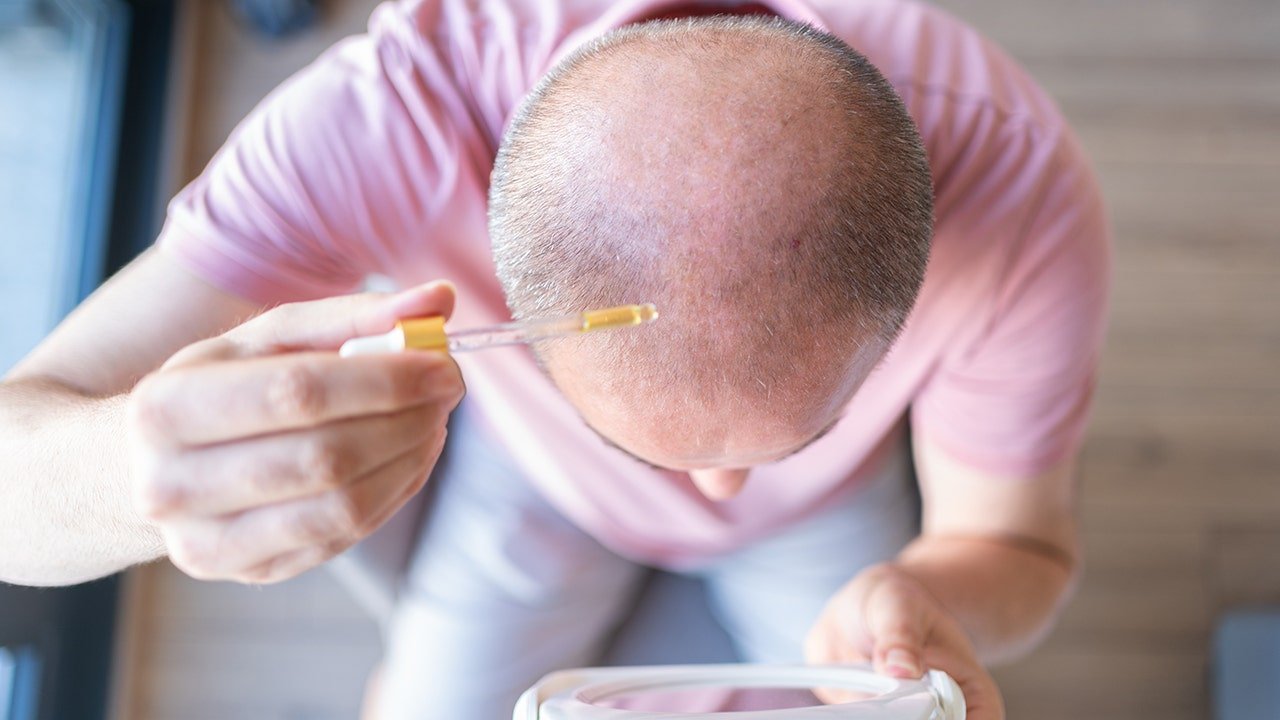
While further research is needed to confirm these findings and translate them into safe and effective treatments for humans, the initial results are undeniably promising. This article delves into the details of this groundbreaking research, exploring the mechanisms behind the serum’s potential, the implications for the future of hair loss treatments, and what individuals experiencing hair loss should know about this emerging development. We’ll also examine the current landscape of hair loss treatments and how this new serum could potentially revolutionize the field, offering a more effective and faster solution for those seeking to regain a fuller head of hair. The potential impact on self-esteem and quality of life is significant, making this a development worth watching closely.
The Science Behind the Serum: How Does It Work?
The core of this discovery lies in understanding the role of fat cells, specifically adipocytes, in hair follicle regeneration. The Taiwan University researchers found that these fat cells, located beneath the skin, possess the capability to stimulate hair growth. The experimental serum appears to activate specific pathways within these cells, triggering them to release growth factors that, in turn, revitalize dormant or weakened hair follicles. This process essentially “wakes up” the follicles, prompting them to enter the active growth phase and produce new hair strands. This is a significant departure from many existing treatments that primarily focus on slowing down hair loss or addressing underlying hormonal imbalances. This novel approach aims to directly stimulate the body’s natural regenerative capabilities to promote hair regrowth. This could be a game-changer for individuals who haven’t found success with traditional methods.
The study involved meticulous observation of mouse skin samples, allowing the researchers to closely monitor the changes occurring at the cellular level. They were able to identify the specific molecules and signaling pathways involved in the hair regrowth process. This detailed understanding of the underlying mechanisms is crucial for developing targeted therapies that maximize efficacy while minimizing potential side effects. Furthermore, this research opens up new avenues for exploring the complex interplay between fat cells and hair follicles, potentially leading to even more innovative treatments in the future. Perhaps further research will bring answers to similar questions, like those surrounding the science of attraction.

The 20-day timeframe reported in the study is particularly noteworthy. Existing hair loss treatments often require months of consistent use before any noticeable results are observed. The prospect of achieving visible hair regrowth in such a short period is a significant advantage, potentially boosting patient compliance and satisfaction. However, it’s important to emphasize that these results were obtained in animal models, and further studies are needed to determine whether the same rapid regrowth can be achieved in humans. Even if the timeframe is slightly longer in humans, the potential for a significantly faster treatment compared to current options remains incredibly exciting.
Understanding Hair Loss: Causes and Current Treatments
Before delving further into the potential of this new serum, it’s essential to understand the complexities of hair loss and the currently available treatments. Hair loss, also known as alopecia, can be caused by a variety of factors, including genetics, hormonal imbalances, medical conditions, medications, and even stress. The most common type of hair loss is androgenetic alopecia, also known as male-pattern baldness or female-pattern baldness, which is primarily determined by genetic predisposition and hormonal influences. Other types of hair loss include alopecia areata, an autoimmune condition that causes patchy hair loss, and telogen effluvium, a temporary hair loss triggered by stress or illness. Understanding the specific cause of hair loss is crucial for determining the most appropriate treatment approach.
Current treatments for hair loss range from topical medications to surgical procedures. Minoxidil (Rogaine) is a topical medication that stimulates hair growth by increasing blood flow to the hair follicles. Finasteride (Propecia) is an oral medication that blocks the production of dihydrotestosterone (DHT), a hormone that contributes to male-pattern baldness. Both minoxidil and finasteride have shown some effectiveness in slowing down hair loss and promoting hair regrowth, but they require consistent use and may have side effects. Hair transplant surgery involves transplanting hair follicles from a donor area to a balding area, providing a more permanent solution for hair loss. However, hair transplant surgery can be expensive and invasive, and it’s not suitable for everyone. Other treatments include laser therapy, platelet-rich plasma (PRP) injections, and various herbal remedies, but their efficacy is often debated.
The limitations of existing treatments highlight the need for more effective and convenient solutions for hair loss. Many individuals are dissatisfied with the results of current treatments, citing factors such as limited regrowth, side effects, and the need for long-term commitment. The experimental serum developed by Taiwan University researchers offers a potential alternative that could address these limitations by directly stimulating hair follicle regeneration in a relatively short period. If proven safe and effective in humans, this serum could revolutionize the treatment of hair loss and provide a much-needed solution for millions of people worldwide. Just as understanding the political landscape is essential, understanding the medical landscape is crucial for informed decision-making.
Potential Benefits of the Experimental Serum: A New Era in Hair Regrowth?
The potential benefits of this experimental serum extend beyond simply reversing baldness. If the serum proves to be as effective in humans as it has been in animal models, it could offer a range of advantages over existing hair loss treatments. One of the most significant potential benefits is the speed of regrowth. The 20-day timeframe reported in the study is significantly faster than the months or even years required to see results with other treatments. This rapid regrowth could be a major draw for individuals seeking a quick and noticeable improvement in their hair density.
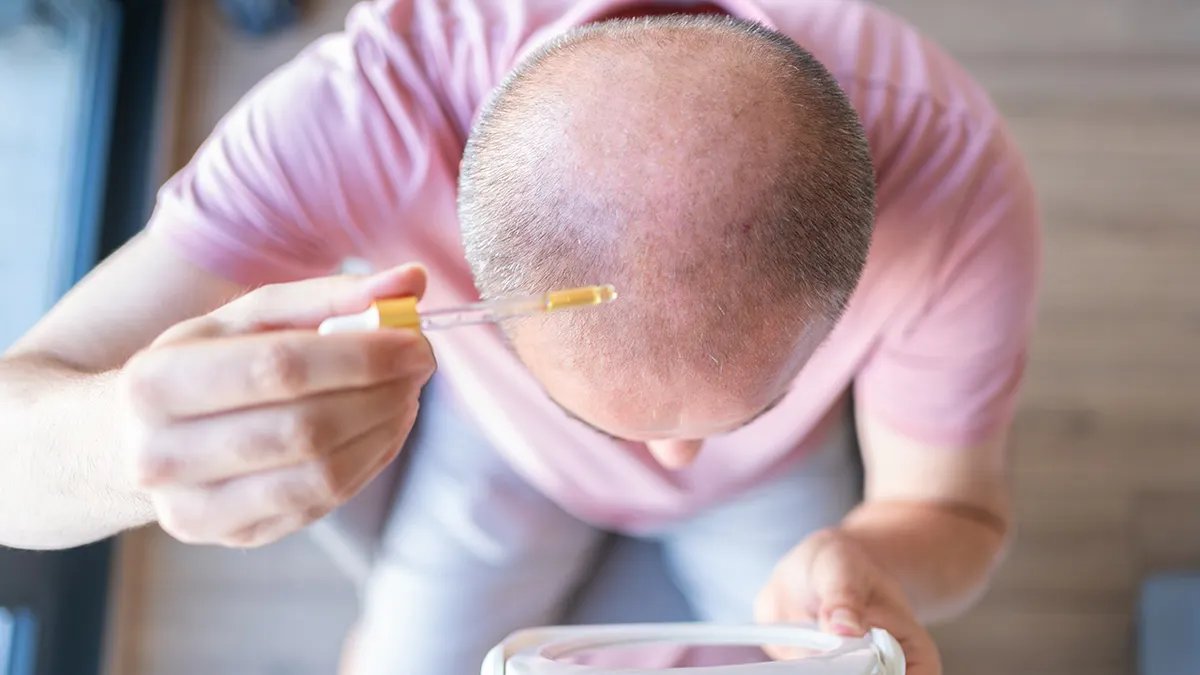
Another potential advantage is the targeted nature of the serum. By directly stimulating fat cells to promote hair follicle regeneration, the serum may offer a more precise and effective approach compared to treatments that broadly affect hormone levels or blood flow. This targeted approach could also minimize the risk of side effects, which are a common concern with many existing hair loss treatments. Furthermore, the serum’s potential to reactivate dormant hair follicles could offer a solution for individuals who have not responded to other treatments. For those who feel like their careers are at a standstill, this could be a major opportunity to feel refreshed and confident. This is especially relevant for individuals with advanced hair loss or those who have experienced hair loss for an extended period. The possibility of reversing even long-term baldness is a significant prospect.
Beyond the physical benefits, the experimental serum could also have a profound impact on self-esteem and quality of life. Hair loss can be a deeply personal and emotionally distressing experience, affecting individuals’ confidence and social interactions. Regaining a fuller head of hair could significantly improve self-image and boost overall well-being. The potential for this serum to provide a safe, effective, and rapid solution for hair loss could transform the lives of millions of people worldwide. Just like a positive response can change a situation, this serum could provide a positive response for those struggling with hair loss.
Challenges and Future Directions: What’s Next for Hair Regrowth Research?
While the initial results of the Taiwan University research are incredibly promising, it’s important to acknowledge the challenges and future directions that lie ahead. The most crucial next step is to conduct clinical trials in humans to assess the safety and efficacy of the experimental serum. These trials will need to evaluate the serum’s ability to promote hair regrowth in a diverse population, taking into account factors such as age, gender, ethnicity, and the underlying cause of hair loss. The trials will also need to carefully monitor for any potential side effects and determine the optimal dosage and frequency of application.
Another important area of research is to further elucidate the precise mechanisms by which the serum stimulates hair follicle regeneration. A deeper understanding of these mechanisms could lead to the development of even more targeted and effective therapies. Furthermore, researchers could explore the potential of combining the serum with other treatments, such as minoxidil or finasteride, to achieve synergistic effects. The possibility of personalized hair loss treatments, tailored to an individual’s specific genetic profile and underlying cause of hair loss, is also an exciting avenue for future research. This could be just as important as understanding the root of a problem.
In addition to scientific research, regulatory hurdles will also need to be addressed. Before the serum can be made available to the public, it will need to be approved by regulatory agencies such as the Food and Drug Administration (FDA) in the United States. The approval process typically involves rigorous testing and evaluation to ensure the safety and efficacy of the treatment. While these challenges are significant, the potential rewards are immense. The development of a safe, effective, and rapid solution for hair loss could transform the lives of millions of people worldwide and usher in a new era in hair regrowth research.
The Current Market for Hair Loss Solutions and How This Serum Could Disrupt It
The global market for hair loss solutions is a multi-billion dollar industry, reflecting the widespread demand for effective treatments. Currently, the market is dominated by topical medications like minoxidil, oral medications like finasteride, and hair transplant surgery. Other treatments, such as laser therapy and PRP injections, are also gaining popularity, but their efficacy is still being evaluated. The market is highly competitive, with numerous companies vying for market share. Consumers are often faced with a bewildering array of products and treatments, making it difficult to determine which options are truly effective and safe.
The experimental serum developed by Taiwan University researchers has the potential to disrupt this market significantly. If the serum proves to be as effective in humans as it has been in animal models, it could quickly become the preferred treatment option for many individuals seeking to reverse baldness. The rapid regrowth, targeted mechanism, and potential for minimal side effects could give the serum a significant competitive advantage over existing treatments. This could lead to a shift in market share, with companies that are able to successfully develop and market the serum gaining a significant foothold in the industry. This could be just as surprising as unexpected data that changes the status quo. The introduction of the serum could also drive innovation in the hair loss industry, prompting other companies to develop new and improved treatments.

However, the success of the serum will depend on several factors, including the results of clinical trials, regulatory approval, and the ability to manufacture and distribute the serum on a large scale. Furthermore, the cost of the serum will be a significant factor in its adoption. If the serum is priced too high, it may be inaccessible to many individuals, limiting its market potential. Despite these challenges, the experimental serum represents a significant opportunity to revolutionize the hair loss industry and provide a much-needed solution for millions of people worldwide. It’s important to consider the long-term impact, just like teams restructure for the future.
What Individuals Experiencing Hair Loss Should Know
For individuals experiencing hair loss, the news of this experimental serum offers a glimmer of hope. However, it’s important to approach this development with realistic expectations. While the initial results are promising, it’s crucial to remember that the serum is still in the early stages of development. Clinical trials are needed to confirm its safety and efficacy in humans, and it may be several years before the serum is available to the public. In the meantime, individuals experiencing hair loss should consult with a dermatologist or other qualified healthcare professional to determine the underlying cause of their hair loss and discuss appropriate treatment options.
It’s also important to be wary of unproven or fraudulent hair loss treatments. The internet is rife with products and treatments that claim to reverse baldness but have no scientific evidence to support their claims. These products can be expensive, ineffective, and even harmful. Stick to treatments that have been proven safe and effective in clinical trials and are recommended by healthcare professionals. While waiting for the experimental serum to become available, consider exploring existing treatment options such as minoxidil, finasteride, or hair transplant surgery. These treatments may not be perfect, but they have been shown to slow down hair loss and promote hair regrowth in some individuals.
Finally, remember that hair loss is a common condition that affects millions of people worldwide. It’s not something to be ashamed of, and there are resources available to help you cope with the emotional impact of hair loss. Support groups, counseling, and online forums can provide a sense of community and help you connect with others who are experiencing similar challenges. Maintaining a healthy lifestyle, including a balanced diet, regular exercise, and stress management techniques, can also help to improve overall well-being and potentially slow down hair loss. While waiting for a more definitive solution, taking proactive steps to manage your hair loss and maintain your overall health is essential. It’s important to remember that even old technology can come back, and new hair loss treatments may be on the horizon.
Conclusion: A Promising Future for Hair Regrowth?
The discovery of an experimental serum that could potentially reverse baldness in just 20 days represents a significant breakthrough in hair loss research. While further studies are needed to confirm these findings and translate them into safe and effective treatments for humans, the initial results are undeniably promising. The serum’s targeted mechanism, rapid regrowth potential, and potential for minimal side effects could revolutionize the treatment of hair loss and provide a much-needed solution for millions of people worldwide. The journey to find a cure for baldness is far from over, but this latest development offers a renewed sense of hope and a glimpse into a future where hair loss is no longer an inevitable part of aging.
As research continues and clinical trials progress, it’s essential to remain optimistic but also realistic. The path from laboratory discovery to widespread clinical use is often long and arduous, but the potential rewards are well worth the effort. The development of a safe, effective, and rapid solution for hair loss could transform the lives of millions of people, boosting self-esteem, improving quality of life, and ushering in a new era in hair regrowth research. The world of hair loss treatment may be on the verge of a significant transformation, and the experimental serum developed by Taiwan University researchers could be the catalyst for this change. Just as the future is uncertain for sports teams, the future of hair loss treatment is still being written.
Frequently Asked Questions (FAQ)
| What is the main topic of this article? | This article provides comprehensive information about the experimental serum and covers all related aspects in detail, focusing on its potential to reverse baldness. |
| Where can I find more detailed information? | Additional information and resources are available through the internal links provided throughout the article. You can also check the references section for more sources. |
| How current is this information? | This article contains up-to-date information relevant to current trends and developments in the field. We regularly update our content to ensure accuracy. |
| Who is this article intended for? | This article is designed for readers seeking comprehensive understanding of the topic, from beginners to advanced learners. It covers both basic concepts and advanced insights. |
| Are there any important updates I should know about? | Yes, we regularly monitor developments and update our content accordingly. Check the publication date and any update notices for the most current information. |
Important Notice
This content is regularly updated to ensure accuracy and relevance for our readers. If you have any questions, feel free to contact us.
Content Quality: This article has been carefully researched and written to provide valuable insights and practical information. Our team works hard to maintain high standards.