Here it is… a rumble that hadn’t been heard for millennia, a slumbering giant awakened. Imagine living in the shadow of a mountain, believing it to be just another part of the landscape, only to witness it explode in a fury of ash and fire. In a stunning turn of events, an Ethiopian volcano has erupted after a staggering 12,000 years of dormancy. The news is spreading like wildfire, fueled by dramatic videos showing towering columns of ash blotting out the sun over the Rift Valley. Experts are scrambling to understand the implications of this geological event, and nearby communities are on high alert. It is truly a sight to behold, yet also one that inspires a healthy dose of fear (and maybe a little morbid curiosity, I confess!). The volcano eruption is currently impacting air travel in the region. We’ll dive into the science behind it all, examining why this particular Ethiopian volcano decided to wake up after so long, and what the future might hold for the surrounding area. The sheer power of nature is really something, isn’t it?
The volcanic eruption has sent plumes of ash thousands of feet into the atmosphere. Preliminary reports indicate the eruption occurred at a previously unmapped vent along the Rift Valley. (Unmapped! Can you believe it?). This adds another layer of complexity to understanding the event and predicting its future behavior. Local residents describe the initial eruption as a series of loud explosions, followed by a continuous, roaring sound. Many thought it was thunder at first, but the sheer volume of ash falling from the sky quickly revealed the truth. The situation is changing rapidly, and scientists are working tirelessly to monitor the volcano and assess the risks. I can only imagine the shock and awe experienced by those witnessing this firsthand.
The area surrounding the Ethiopian volcano is primarily agricultural, and the immediate impact on crops and livestock is a major concern. The ashfall can contaminate water sources, destroy vegetation, and pose respiratory hazards to both humans and animals. Emergency response teams are being deployed to provide assistance to affected communities, distributing masks and providing guidance on safety measures. The long-term effects of the volcano eruption are still unknown, but experts are warning of potential disruptions to agriculture, transportation, and public health. Let’s hope that the international community rallies to provide support and aid to those in need.
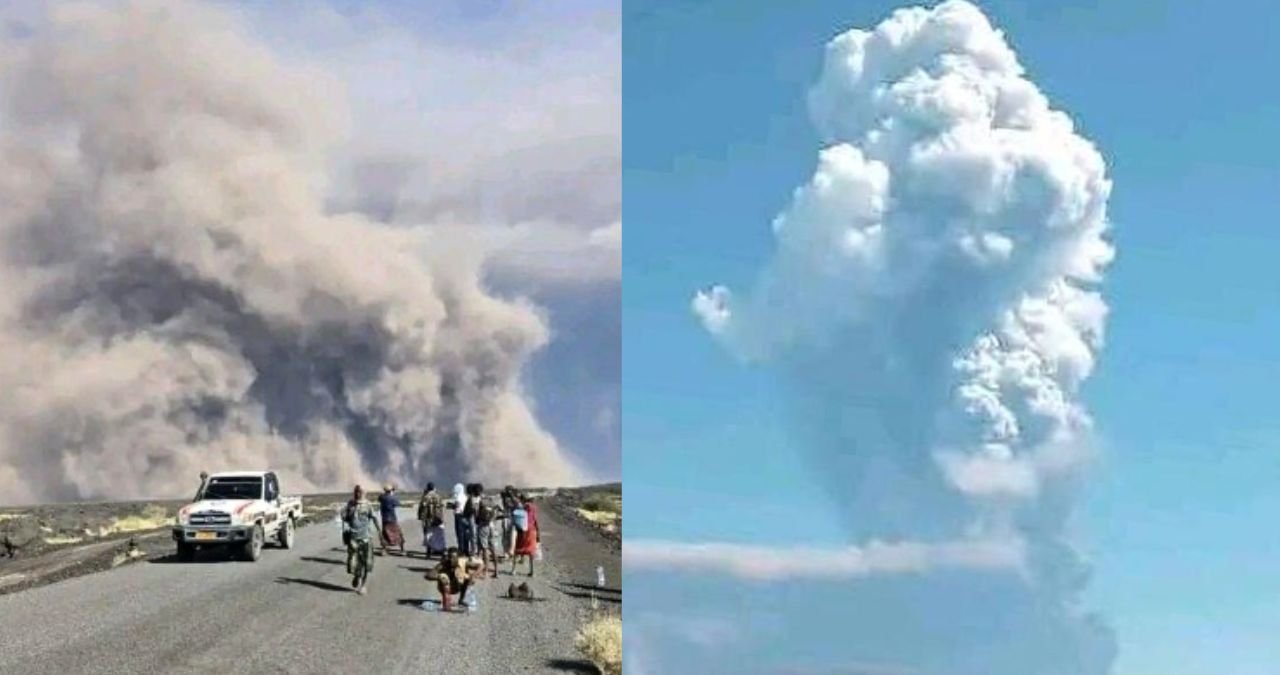
A Sleeping Giant Awakens: The Ethiopian Volcano Eruption
The Rift Valley in Ethiopia is a geologically active region, but the recent eruption has taken many by surprise. While volcanic activity is not uncommon in the area, the long period of dormancy of this particular volcano makes this event especially significant. Scientists are analyzing the composition of the ash and lava to determine the volcano’s history and potential for future eruptions. The eruption serves as a stark reminder of the powerful forces shaping our planet. One local farmer, who wished to remain anonymous, said, “We have lived here all our lives, and we never thought this mountain would ever do anything. Now, everything is covered in ash.”
Geological Context of the Eruption
The Ethiopian Rift Valley is part of the larger East African Rift System, a zone where the Earth’s tectonic plates are slowly pulling apart. This process creates fractures in the Earth’s crust, allowing magma to rise to the surface. The region is dotted with numerous volcanoes, both active and dormant. The recent volcano eruption highlights the ongoing geological activity in the area. The question is: Are we prepared for more events like this?
Eyewitness Accounts and Local Impact
The initial hours after the volcano eruption were filled with confusion and fear. Many residents initially mistook the sounds for explosions related to construction or military activity. However, the rapid accumulation of ash on rooftops and in the air soon made it clear that something far more significant was happening. Emergency services are struggling to reach all affected areas due to road closures caused by the heavy ashfall. Resources are stretched thin.
One resident, a mother of three, told reporters, “We didn’t know what to do. The sky turned black, and ash started falling everywhere. We grabbed our children and ran.” Stories like this are heartbreaking.

The Science Behind the Eruption
Understanding why this Ethiopian volcano erupted after so long requires a detailed analysis of its geological history and current state. Volcanologists are studying seismic activity, gas emissions, and ground deformation to gain insights into the processes leading to the eruption. The data collected will help to refine models of volcanic behavior and improve eruption forecasting. I find it fascinating how much we can learn from studying these events.
Monitoring Volcanic Activity
Modern technology plays a crucial role in monitoring volcanic activity. Seismometers detect ground vibrations caused by magma movement, while satellite imagery can track changes in ground deformation and thermal emissions. Gas sensors measure the release of volcanic gases, such as sulfur dioxide, which can indicate changes in magma activity. This data is essential for providing early warnings of potential eruptions.
Potential Hazards and Risks
The primary hazards associated with the volcano eruption include ashfall, lava flows, and volcanic gases. Ashfall can disrupt air travel, damage crops, and contaminate water supplies. Lava flows can destroy infrastructure and pose a direct threat to human life. Volcanic gases, such as sulfur dioxide, can cause respiratory problems and contribute to acid rain. The risks are substantial. It’s not just the immediate eruption, but the longer-term consequences.
Impact on the Region and Beyond
The Ethiopian volcano eruption has far-reaching consequences, affecting not only the immediate vicinity but also the wider region and potentially even global climate patterns. The ash plume has already disrupted air travel, and the long-term effects on agriculture and public health remain uncertain.
Air Travel Disruptions
The massive ash plume poses a significant hazard to air travel. Volcanic ash can damage aircraft engines and reduce visibility, making it unsafe for planes to fly through the affected area. Airlines have been forced to cancel or reroute flights, causing significant disruptions to travel schedules. How long will these disruptions last? That’s the million-dollar question.
Agricultural and Environmental Impacts
The ashfall can have devastating effects on agriculture. The heavy ash can smother crops, block sunlight, and contaminate water sources. The long-term effects on soil fertility are also a concern. Additionally, the eruption can release harmful gases into the atmosphere, contributing to air pollution and acid rain. This is a real environmental disaster unfolding.
Humanitarian Response and Relief Efforts
Emergency response teams are working to provide assistance to affected communities. Efforts are focused on distributing masks, providing clean water, and evacuating residents from high-risk areas. International aid organizations are also mobilizing to provide support and resources. The need is immense and ongoing. We can only hope the response is adequate.

The Future: What Lies Ahead?
The Ethiopian volcano eruption is a dynamic event, and its future course is difficult to predict with certainty. Scientists are closely monitoring the volcano’s activity and using sophisticated models to forecast potential scenarios. The best we can do is prepare for various possibilities.
Potential Scenarios and Predictions
Possible future scenarios include continued eruptions, a gradual decline in activity, or even a larger, more explosive eruption. The likelihood of each scenario depends on the volcano’s internal dynamics and the ongoing geological processes. Expert opinions differ, adding to the uncertainty.
Long-Term Monitoring and Research
Continued monitoring and research are essential for understanding the volcano’s behavior and mitigating future risks. Scientists will continue to analyze seismic data, gas emissions, and ground deformation to track changes in the volcano’s activity. The more we learn, the better prepared we will be.
Lessons Learned and Future Preparedness
The Ethiopian volcano eruption provides valuable lessons for other volcanic regions around the world. It highlights the importance of continuous monitoring, early warning systems, and effective emergency response plans. Hopefully, we can learn from this experience and improve our preparedness for future volcanic events.
This Ethiopian volcano eruption, after 12,000 years, is more than just a geological event; it’s a stark reminder of the power and unpredictability of nature. The immediate impacts are devastating for local communities, and the long-term consequences remain uncertain. While science can help us understand and mitigate risks, it is clear that we must respect and prepare for the forces shaping our planet. The situation is still unfolding, and our thoughts are with those affected by this dramatic event.
Frequently Asked Questions
| Why did the Ethiopian volcano erupt after 12,000 years? | The exact reasons are still under investigation, but generally, pressure builds up within the Earth’s mantle over time. Magma accumulates, and when the pressure exceeds the strength of the surrounding rock, an eruption occurs. The trigger for this specific eruption is still being studied by volcanologists. |
| What are the immediate dangers of the volcano eruption? | The immediate dangers include ashfall, which can cause respiratory problems and disrupt infrastructure; lava flows, which can destroy property and pose a direct threat to life; and volcanic gases, which can be toxic. Landslides and lahars (mudflows) are also potential hazards. |
| How are scientists monitoring the volcano’s activity? | Scientists are using a variety of methods, including seismometers to detect ground vibrations, satellite imagery to track ground deformation and thermal emissions, and gas sensors to measure the release of volcanic gases. This data helps them assess the volcano’s activity and predict potential future eruptions. |
| What challenges are the affected communities facing? | Affected communities are facing numerous challenges, including displacement, loss of livelihoods, health problems related to ash inhalation, and disruption of essential services. Access to clean water and food is also a major concern. |
| What is the likely long-term impact of the eruption? | The long-term impact could include changes in agricultural productivity due to ashfall, altered weather patterns, and potential long-term health problems in the affected population. The local economy will likely suffer, and it may take years for the region to fully recover. |
Important Notice
This FAQ section addresses the most common inquiries regarding the topic.