Escape from Tarkov: Enhanced Anti-Cheat System for 1.0
Is Escape from Tarkov becoming unplayable because of cheaters? You’re not alone in feeling that way. For years, Battlestate Games has been locked in a relentless battle against those who seek to undermine the game’s integrity. The good news is, with the upcoming 1.0 launch, the developers are promising a significant upgrade to the game’s anti-cheat measures. The aim of this article is to explore what these changes might look like, and whether they’ll finally deliver the fair gameplay experience we’ve all been waiting for.
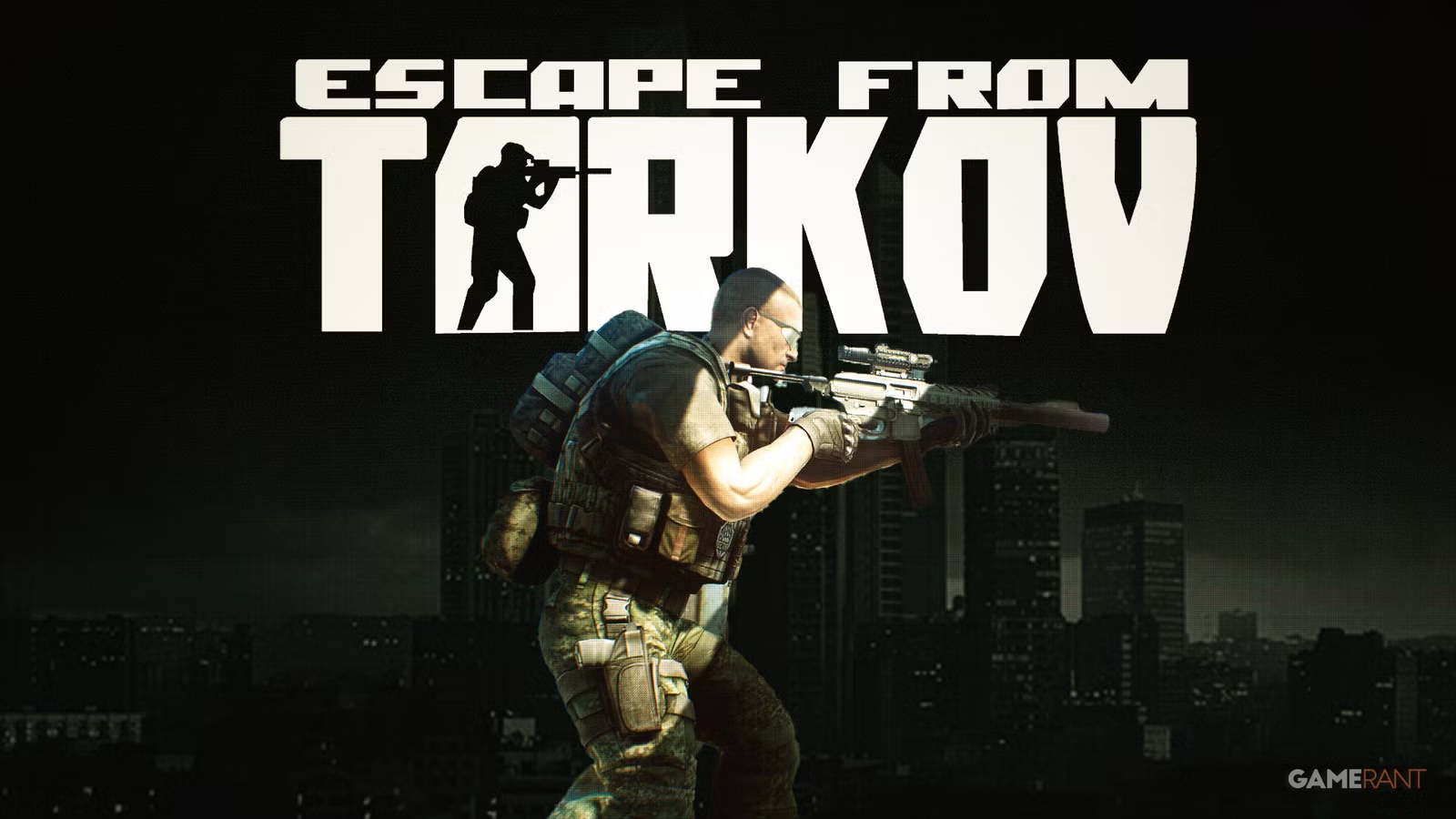
Understanding the Fundamentals of Anti-Cheat in Tarkov
Escape from Tarkov is celebrated, and rightfully so, for its hardcore realism, complex mechanics, and the sheer adrenaline rush it provides. But let’s be honest, this hardcore experience has been consistently threatened by cheaters using everything from aimbots to wallhacks, basically ruining the immersion and competitive balance. The game’s economy, player progression, and overall enjoyment are all negatively impacted. It’s frustrating, right?
At its core, anti-cheat software aims to detect and prevent these unauthorized third-party programs from interfering with the game. This can involve various techniques, such as analyzing player behavior for suspicious patterns, scanning game files for modifications, and employing server-side checks to validate actions. However, the reality is that anti-cheat is an ongoing arms race. As soon as developers implement a new defense, cheat developers find ways to circumvent it. It seems like a never-ending cycle. Battlestate Games has implemented numerous anti-cheat measures over the years. The commitment to this has been there. But, the real question is: can the new anti-cheat system truly make a difference?
Key Benefits and Advantages of Improved Anti-Cheat Measures
So, what are the benefits we can realistically expect from a more robust anti-cheat system in Escape from Tarkov? Well, for starters, a cleaner gaming environment. Imagine raids where you can trust that your opponents are playing fair, relying on skill and strategy rather than illicit advantages. That alone would be a huge improvement.
Beyond that, a better anti-cheat system can lead to a more stable in-game economy. When cheaters are rampant, they can manipulate the market, driving up prices and making it harder for legitimate players to acquire gear. By reducing cheating, Battlestate Games can help restore balance to the game’s economy.
And, perhaps most importantly, improved anti-cheat measures can enhance the overall player experience. Think about it: fewer frustrating deaths, less time wasted reporting suspicious players, and a renewed sense of trust in the game. I mean, who doesn’t want that? The increased player retention and positive word-of-mouth alone would be worth the effort.

Implementation Strategies for Escape from Tarkov’s Anti-Cheat
Okay, so how might Battlestate Games be planning to implement these “tricks” they have up their sleeve? While they’re keeping the specifics tightly under wraps (for obvious reasons), we can speculate based on industry trends and past anti-cheat efforts. One possibility is a more sophisticated behavioral analysis system. This would involve tracking player actions, movement patterns, and decision-making processes to identify anomalies that could indicate cheating.
Step-by-Step Approach
While we don’t know the exact steps Battlestate is taking, a typical approach to anti-cheat implementation might look something like this:
- Data Collection: Gather data on player behavior, game events, and system information.
- Analysis and Modeling: Use machine learning to identify patterns and build models of legitimate and illegitimate behavior.
- Detection and Response: Implement real-time detection systems to identify and respond to suspicious activity.
- Continuous Improvement: Continuously monitor the system’s effectiveness and update it to address new threats.
Best Practices for Anti-Cheat Systems
Here are some best practices that Battlestate Games likely considers when developing their anti-cheat measures:
- Layered Security: Employ multiple layers of security to make it more difficult for cheaters to bypass the system.
- Server-Side Validation: Perform as much validation as possible on the server side to prevent client-side manipulation.
- Regular Updates: Continuously update the anti-cheat system to address new threats and exploits.
- Transparency and Communication: Keep the community informed about anti-cheat efforts and solicit feedback.
Common Challenges and Solutions in Anti-Cheat Development
Developing and maintaining an effective anti-cheat system is no walk in the park. There are numerous challenges that developers face, including:
- False Positives: Identifying legitimate players as cheaters, leading to unfair bans.
- Performance Impact: Anti-cheat systems can consume significant resources, impacting game performance.
- Evolving Cheats: Cheat developers are constantly finding new ways to bypass anti-cheat measures.
- Privacy Concerns: Collecting and analyzing player data can raise privacy concerns.
To address these challenges, developers can employ various solutions, such as:
- Refined Algorithms: Improving detection algorithms to reduce false positives.
- Optimized Code: Optimizing anti-cheat code to minimize performance impact.
- Proactive Threat Hunting: Actively searching for new cheats and exploits.
- Data Anonymization: Anonymizing player data to protect privacy.
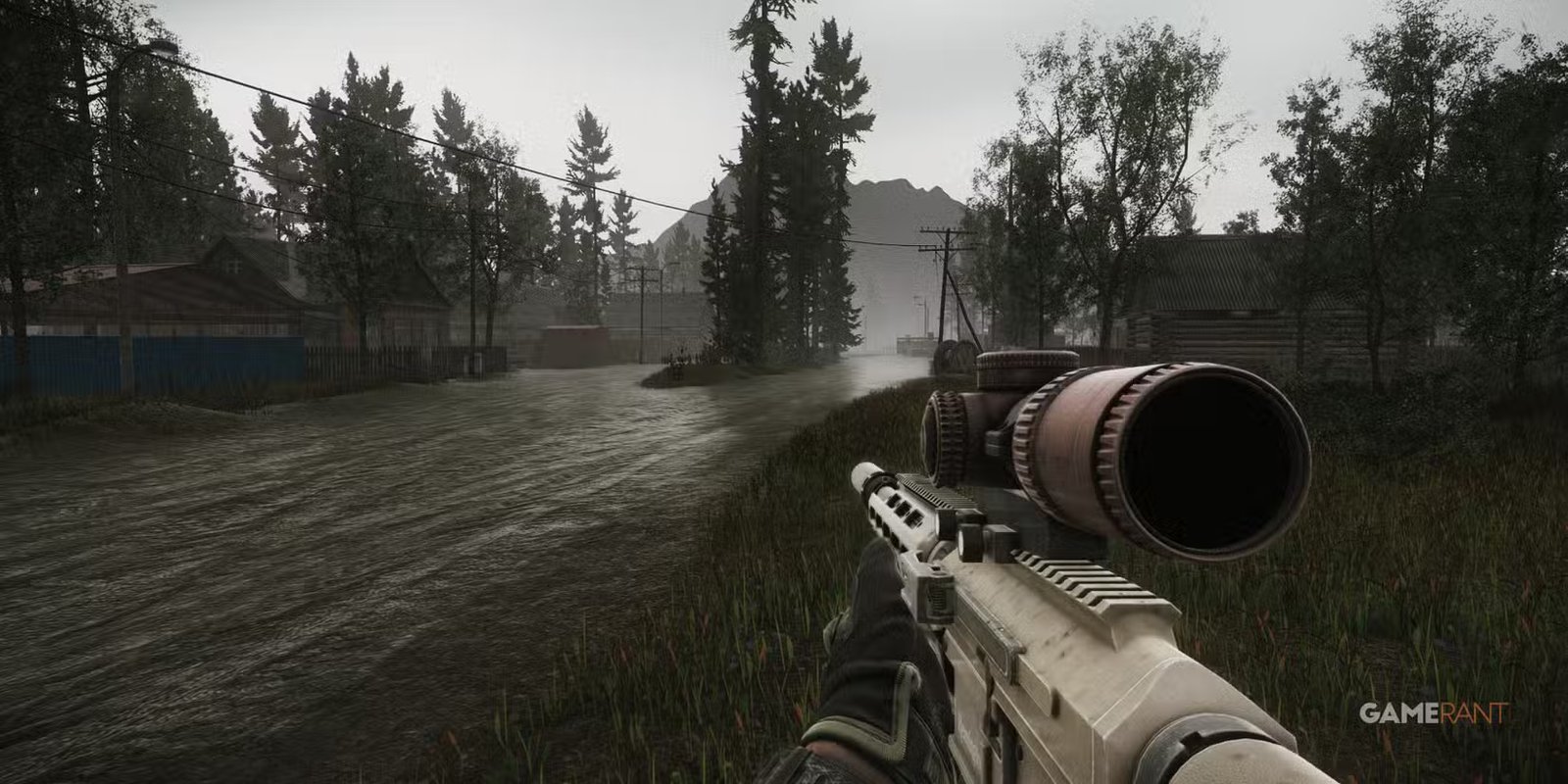
Real-Life Applications and Examples of Anti-Cheat Success
While the fight against cheating is ongoing, there have been some notable successes in the gaming industry. Games like Valorant, for example, have implemented aggressive anti-cheat systems that have been relatively effective in deterring cheaters. Their approach involves a combination of kernel-level drivers, behavioral analysis, and hardware bans. While controversial, these measures have helped maintain a relatively fair playing field.
Another example is Rainbow Six Siege, which has used a combination of machine learning and player reporting to identify and ban cheaters. They’ve also implemented two-factor authentication to reduce the number of compromised accounts used for cheating. These examples demonstrate that with the right strategies and resources, it is possible to make a significant dent in the cheating problem.
Speaking of examples, it seems that Toyota’s new V8 engine is making waves beyond just supercar dreams. The innovation and dedication to performance improvements mirror Battlestate’s need to constantly innovate in the fight against cheaters. It’s a different field, sure, but the principle of relentless improvement applies across the board. You can read more about Toyota’s V8 engine here.
Future Outlook and Trends in Anti-Cheat Technology
So, what does the future hold for anti-cheat technology? Well, it seems like machine learning and artificial intelligence will play an increasingly important role. These technologies can be used to analyze vast amounts of data to identify patterns and predict cheating behavior. We might also see more sophisticated hardware-based anti-cheat solutions, such as those that leverage trusted platform modules (TPMs) to verify the integrity of game files.
Another trend is the increasing use of cloud-based anti-cheat services. These services can provide real-time threat intelligence and analysis, allowing developers to quickly respond to new cheats and exploits. At the end of the day, the future of anti-cheat will likely involve a combination of these technologies, working together to create a more secure and fair gaming environment.

It’s interesting to see how different games approach this problem. For example, just like Escape from Tarkov, some people believe that Shroud backs ARC Raiders for GOTY, highlighting the importance of community trust and developer commitment. This is similar to how players feel about Battlestate’s efforts to combat cheating in Escape from Tarkov. You can learn more about Shroud and Arc Raiders here.
Conclusion: Key Takeaways and Next Steps for Anti-Cheat in Tarkov
So, what are the key takeaways from all of this? Well, first and foremost, the fight against cheating in Escape from Tarkov is far from over. However, with the upcoming 1.0 launch, Battlestate Games is promising a renewed commitment to tackling the problem. While the specifics of their new anti-cheat measures remain a mystery, we can expect a combination of behavioral analysis, server-side validation, and potentially even hardware-based solutions.
The success of these measures will depend on several factors, including the effectiveness of the detection algorithms, the performance impact on the game, and the ability to adapt to new cheats and exploits. Only time will tell if these “tricks” will be enough to turn the tide in the fight against cheating. But, for now, we can remain cautiously optimistic that Escape from Tarkov will soon be a fairer and more enjoyable experience for all. What are your thoughts on the new anti-cheat measures? Do you think they’ll be effective? Let’s discuss in the comments below!
And speaking of the future, there are other areas where innovation is key. The future of Lexus performance, for example, also relies on constant improvement and adaptation, much like the ongoing battle against cheaters in Escape from Tarkov. You can read about the future of Lexus performance here.


