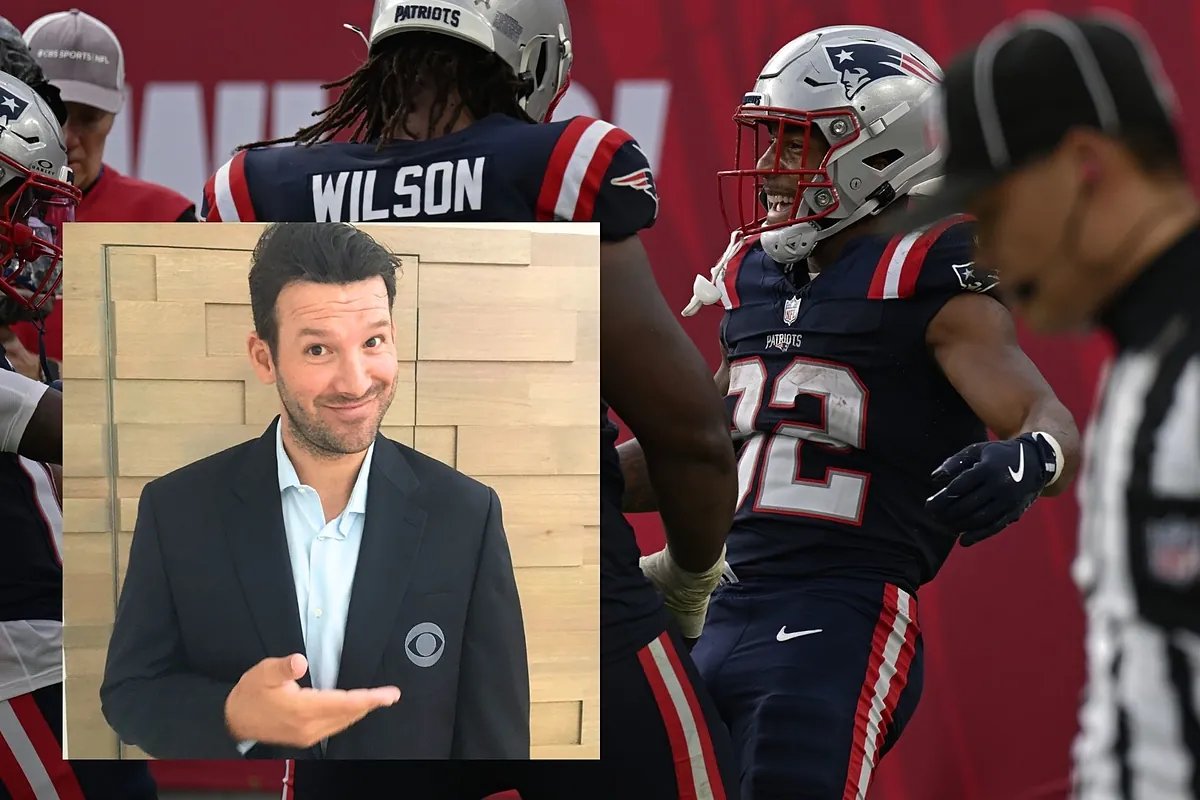
It was a crisp autumn Sunday, the kind where the leaves are turning, the air smells like woodsmoke, and football is king. Millions were glued to their screens, watching the New England Patriots battle it out on the gridiron. But it wasn’t the on-field action that had social media buzzing; it was something Tony Romo said from the CBS broadcast booth. Specifically, he described the Patriots as “DTF.” (I know, right? My jaw dropped too!) The internet, of course, exploded. What exactly did the former Dallas Cowboys quarterback mean? Was it an innocent, albeit awkward, slip of the tongue? Or was there something more to his commentary? The Tony Romo Patriots DTF incident has become the talk of the NFL.
The initial shock quickly turned to speculation, memes, and outright confusion. Romo, known for his enthusiastic and sometimes quirky broadcasting style, has always been a bit of a wildcard. (Remember that time he predicted an entire play before it happened? Genius!) But this… this was different. “I nearly choked on my beer when I heard it,” one fan tweeted, summing up the sentiments of many. The question isn’t just *what* he said, but *why* he said it. Was he intending a more innocent interpretation of the acronym, or did the comment carry a different connotation? Everyone who heard it did a double-take.
The fallout has been swift. CBS Sports has yet to issue an official statement, and Romo himself has remained tight-lipped. The silence only fuels the fire. While some are quick to defend Romo, citing his generally good-natured personality, others are calling for an apology or even disciplinary action. The incident highlights the fine line that sports commentators walk, where analysis and entertainment often intersect, and where a single word can ignite a firestorm. The New England Patriots, meanwhile, have remained silent on the issue, focusing on their upcoming game.
Understanding the “DTF” Controversy
The ambiguity surrounding the acronym “DTF” is at the heart of the controversy. While it can stand for relatively harmless phrases like “Down To Fiesta” or “Dedicated To Football,” its more common and sexually suggestive meaning has dominated the online conversation. This, coupled with the context of live television and a family-friendly audience, is why Romo’s comment has raised so many eyebrows.
Possible Interpretations
* “Down To Fight”: This is perhaps the most charitable interpretation. Romo could have meant that the Patriots were ready to fight hard and compete fiercely. This aligns with the aggressive nature of football.
* “Down To Finish”: Another possibility is that Romo was suggesting the Patriots were determined to finish the game strong and secure a victory.
* Unintentional Slip: It’s also plausible that Romo simply misspoke or chose his words poorly, without fully considering the potential for misinterpretation.
* Something Else Entirely: The internet, being the internet, has come up with countless other, often humorous, interpretations.
The Power of Words
Regardless of Romo’s intent, the incident underscores the power of words, especially in the age of social media. A single phrase, uttered in a moment, can be amplified and dissected endlessly. This is particularly true for public figures like Tony Romo, whose words are scrutinized by millions.
Reactions from NFL Fans and Pundits
The reaction to Romo’s comment has been varied, ranging from outrage to amusement. Many fans have taken to social media to express their opinions, using hashtags like #RomoGate and #DTFPatriots.
Social Media Frenzy
Twitter and Facebook have been flooded with memes, jokes, and criticisms of Romo’s commentary. Some users have called for CBS to issue an apology, while others have defended Romo, arguing that people are overreacting. One popular meme shows Romo’s face superimposed on various “DTF” scenarios, from “Down To Football” to more suggestive options.

Pundit Perspectives
Other sports commentators have weighed in on the controversy, with some offering support for Romo and others criticizing his choice of words. “I think people are making too much of this,” said ESPN analyst Stephen A. Smith. “Romo’s a good guy, and I doubt he meant anything malicious by it.” However, former NFL player Shannon Sharpe took a different view. “Romo needs to be more careful with his language,” he said. “He’s a role model, and he needs to set a better example.”
The Impact on CBS Sports
The incident has put CBS Sports in a difficult position. The network has yet to issue an official statement, likely weighing the potential consequences of either defending or condemning Romo’s comment. The network may choose to address the issue during its next NFL broadcast, but for now, it remains silent.
The New England Patriots’ Response (or Lack Thereof)
The New England Patriots organization has remained conspicuously silent on the matter. Coach Bill Belichick, known for his terse and often cryptic responses to media inquiries, has declined to comment on Romo’s remark. “We’re focused on preparing for our next game,” Belichick said during a press conference. “That’s all I have to say about that.”
This silence is not surprising, given Belichick’s reputation for avoiding distractions and keeping his team focused on the task at hand. The Patriots are likely more concerned with their on-field performance than with a broadcasting controversy. However, some fans have speculated that the team may be privately displeased with Romo’s comment, regardless of its intended meaning.
Tony Romo’s Broadcasting Style: A History of Quirks
Tony Romo’s broadcasting career has been marked by his unique and often unconventional style. He’s known for his insightful analysis, his ability to predict plays before they happen, and his occasional quirky remarks.

Memorable Moments
* Predicting Plays: Romo has gained a reputation for accurately predicting plays before they happen, often impressing viewers with his knowledge of the game.
* Enthusiastic Commentary: His enthusiasm for football is contagious, and he often injects humor and personality into his broadcasts.
* Occasional Gaffes: However, Romo has also been known to make occasional gaffes or misstatements, which have sometimes drawn criticism.
The Risk of Being Unique
Romo’s broadcasting style is a double-edged sword. While his unique approach has made him a popular commentator, it also carries the risk of him making mistakes or saying things that could be misinterpreted. The “DTF” incident is a prime example of this risk. But is it really a mistake or an innocent expression? The jury is still out.
Could This Affect Romo’s Career?
The question now is whether this incident will have any lasting impact on Tony Romo’s broadcasting career. While it’s unlikely that he will be fired or seriously disciplined, the controversy could tarnish his reputation and make networks more cautious about hiring him in the future.
Potential Consequences
* Damage to Reputation: The “DTF” incident could damage Romo’s reputation, particularly among viewers who found his comment offensive.
* Increased Scrutiny: Romo’s future commentary will likely be subject to increased scrutiny, as viewers and media outlets will be watching closely for any further missteps.
* Impact on Future Opportunities: The incident could potentially impact Romo’s future job opportunities, as networks may be hesitant to hire someone who has been involved in a controversy.
The Resilience of Romo
However, Tony Romo has proven to be a resilient figure throughout his career. He overcame numerous challenges as a player, and he has demonstrated the ability to bounce back from setbacks. It’s possible that he will learn from this incident and emerge as an even stronger and more polished broadcaster.
Conclusion
The Tony Romo Patriots DTF incident is a reminder of the power of words and the importance of responsible communication, especially for public figures. Whether Romo’s comment was an innocent slip of the tongue or something more intentional, it has sparked a significant controversy that highlights the complexities of sports broadcasting in the digital age. It will be interesting to see how Romo, CBS Sports, and the New England Patriots respond to this incident in the coming days and weeks. One thing is certain: the NFL world will be watching closely. Ultimately, the episode serves as a lesson in choosing your words wisely. Sometimes, the best play is the one you *don’t* call.
Frequently Asked Questions
| What did Tony Romo say about the New England Patriots? | Tony Romo described the New England Patriots as “DTF” during a CBS broadcast, causing widespread confusion and controversy due to the ambiguous meaning of the acronym. |
| What are the potential benefits of understanding this controversy? | Understanding this controversy can provide insights into the power of words in media, the impact of social media on public perception, and the challenges faced by sports commentators in balancing analysis with entertainment. |
| How can CBS Sports address this situation? | CBS Sports could address the situation by issuing an official statement clarifying the network’s position, allowing Tony Romo to offer an explanation or apology, and reviewing broadcasting guidelines to prevent similar incidents in the future. |
| What are the challenges of interpreting Romo’s comment? | The challenges include the ambiguous meaning of “DTF,” the lack of context provided by Romo, and the potential for misinterpretation by viewers with different backgrounds and perspectives. |
| What is the future impact of this incident on Tony Romo’s career? | The future impact could range from minimal, with Romo learning from the experience, to significant, potentially affecting his reputation and future job opportunities, depending on how CBS Sports and the public react in the long term. |
Important Notice
This FAQ section addresses the most common inquiries regarding the topic.