Imagine waking up in the middle of the night to a nudge, a persistent paw, and a worried whine. For many living with type 1 diabetes, this isn’t just a friendly pet; it’s a diabetes alert dog, their furry guardian angel. These incredible canines are trained to detect subtle changes in their owner’s breath, specifically the scent associated with plummeting blood sugar levels (hypoglycemia). And what’s truly remarkable is that some families claim these dogs can sense these potentially deadly blood sugar crashes even *before* continuous glucose monitors (CGMs) sound the alarm. It’s a claim that’s both astounding and profoundly comforting to those who rely on these four-legged lifesavers. (It’s hard to believe, right? But the stories are so compelling!) The implications are huge. We’re talking about potentially preventing seizures, comas, and even death. For individuals with type 1 diabetes, managing blood sugar is a constant balancing act. Even with the best technology, sudden drops can happen without warning, and that’s where these amazing medical alert dogs come in.
The bond between a diabetes patient and their diabetes alert dog is unlike any other. It’s a partnership built on trust, dependence, and, quite literally, survival. Consider the peace of mind these dogs offer, knowing that someone (or some*thing*) is always watching out for them. Many describe it as feeling like they can finally breathe a little easier, knowing they have an early warning system that goes beyond the capabilities of current medical devices. These canine scent detection abilities are being hailed as revolutionary, potentially changing the landscape of diabetes management and offering a safety net that technology alone cannot provide. This isn’t just about convenience; it’s about life and death.
The question that naturally arises is: how? How can a dog possibly detect these changes before sophisticated medical devices designed specifically for this purpose? Scientists are still unraveling the exact mechanisms, but the prevailing theory revolves around the dog’s incredibly sensitive sense of smell. They are believed to be detecting trace amounts of volatile organic compounds (VOCs) released in the breath when blood sugar levels fluctuate. These VOCs may be present even before the body triggers the physiological responses that CGMs are designed to measure. It’s like having a biological sensor that’s far more finely tuned than anything we’ve been able to engineer… so far.
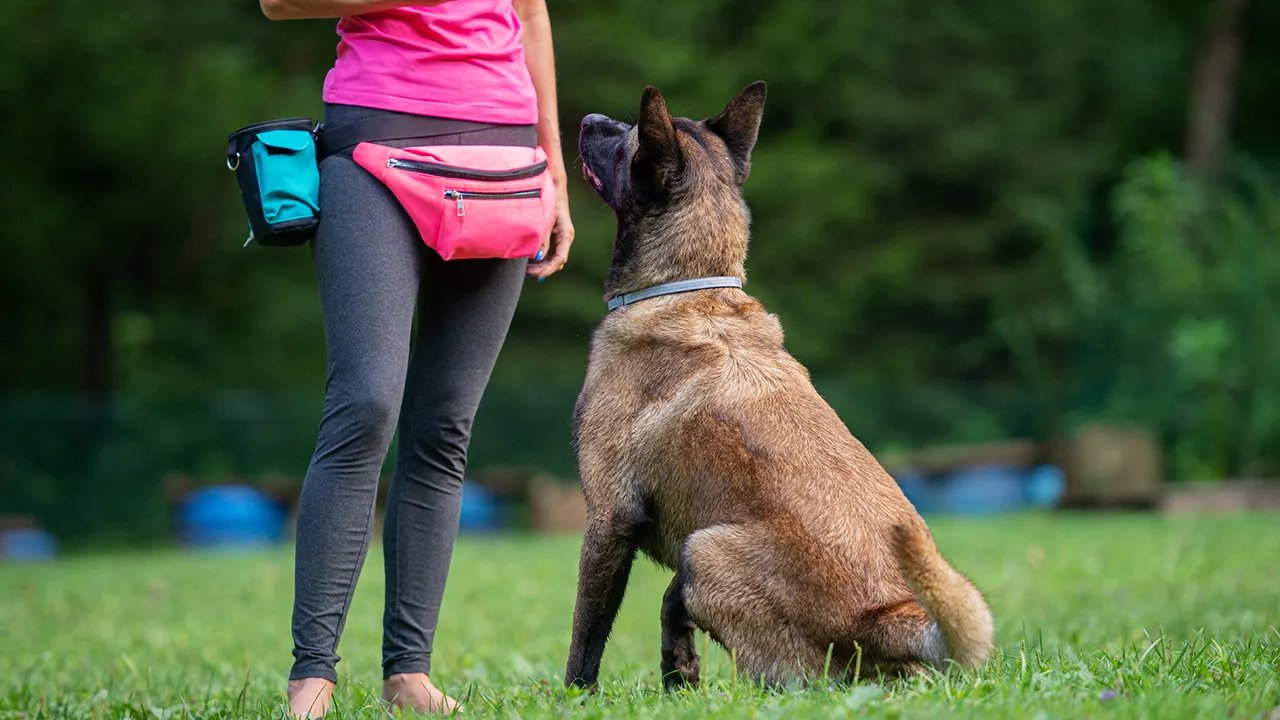
“Before Daisy, I was constantly living in fear,” says Sarah Miller, a 34-year-old with type 1 diabetes. “I’d wake up disoriented, sometimes even convulsing. My CGM helped, but it wasn’t always fast enough. Now, Daisy alerts me 20-30 minutes *before* my CGM even registers a drop. She’s saved my life more times than I can count.” Sarah’s story is just one of many highlighting the potential of these amazing animals. And it raises an important question: are we underestimating the power of the natural world in healthcare? I think we probably are.

The Science Behind the Sniff: How Dogs Detect Hypoglycemia
Understanding how diabetes alert dogs perform this seemingly impossible task requires a delve into the fascinating world of canine olfaction. Dogs possess an extraordinary sense of smell, estimated to be between 10,000 and 100,000 times more sensitive than that of humans. This remarkable ability stems from several key factors:
* Olfactory Receptors: Dogs have significantly more olfactory receptors than humans (around 300 million compared to our measly 6 million).
* Olfactory Bulb: The olfactory bulb, the brain region responsible for processing smells, is proportionally much larger in dogs.
* Nasal Structure: Their nasal passages are designed to separate incoming air into two streams: one for respiration and one for olfaction.
* Specialized Scent-Detecting Organ: Dogs possess a vomeronasal organ (also known as Jacobson’s organ) that detects pheromones and other chemical signals.
When blood sugar levels drop, the body releases various chemicals, including isoprene, a volatile organic compound. While the concentration of isoprene may be too low for humans to detect, dogs, with their superior olfactory capabilities, can readily identify it. Training reinforces this natural ability, associating the scent with a specific action, such as alerting their owner.
The Training Process: From Puppy to Lifesaver
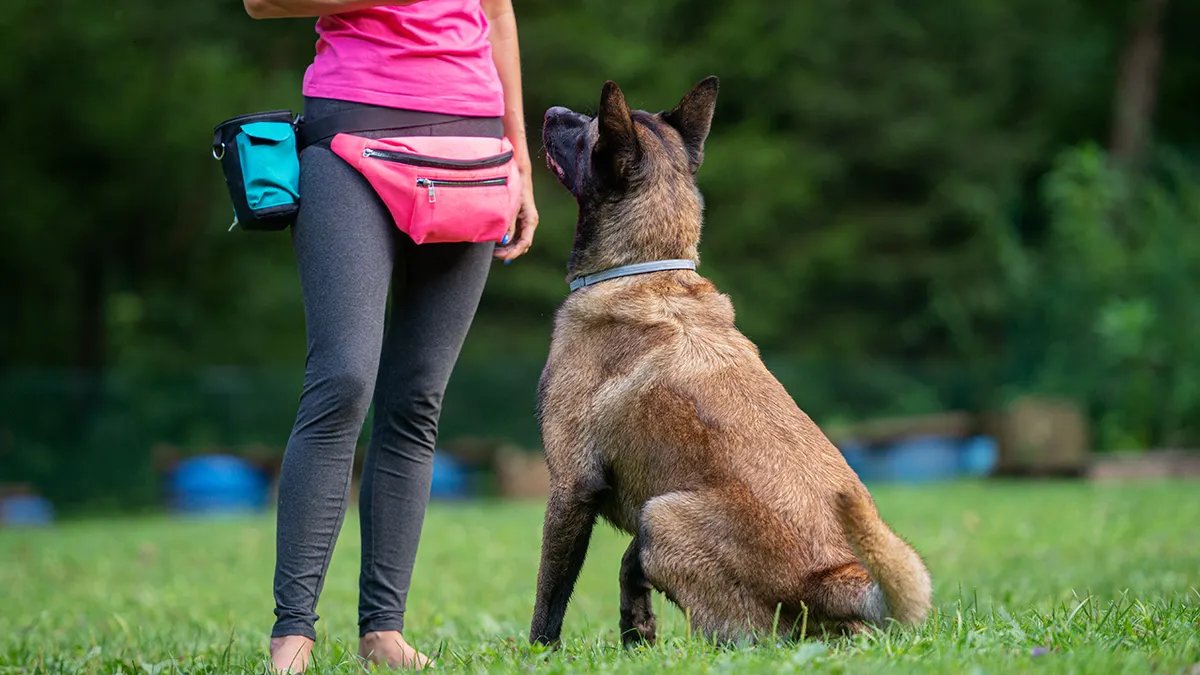
Training a diabetes alert dog is a rigorous and time-consuming process, typically taking between six months and two years. The training involves:
1. Scent Imprinting: Exposing the puppy to samples of the owner’s breath or sweat collected during hypoglycemic episodes.
2. Alert Training: Teaching the dog to alert to the scent of low blood sugar, usually by nudging, pawing, barking, or other pre-determined signals.
3. General Obedience: Ensuring the dog is well-behaved and responsive to commands in various environments.
4. Public Access Training: Preparing the dog to behave appropriately in public places, such as restaurants, stores, and airplanes.
“It’s not just about teaching them to detect the scent,” explains Maria Rodriguez, a certified diabetes alert dog trainer. “It’s about building a bond and ensuring the dog is reliable and consistent in its alerts. They need to be able to work effectively in any situation, even when there are distractions.” The cost of obtaining a trained diabetes alert dog can range from $15,000 to $30,000, reflecting the intensive training and ongoing support required.
Beyond Technology: The Human-Animal Bond
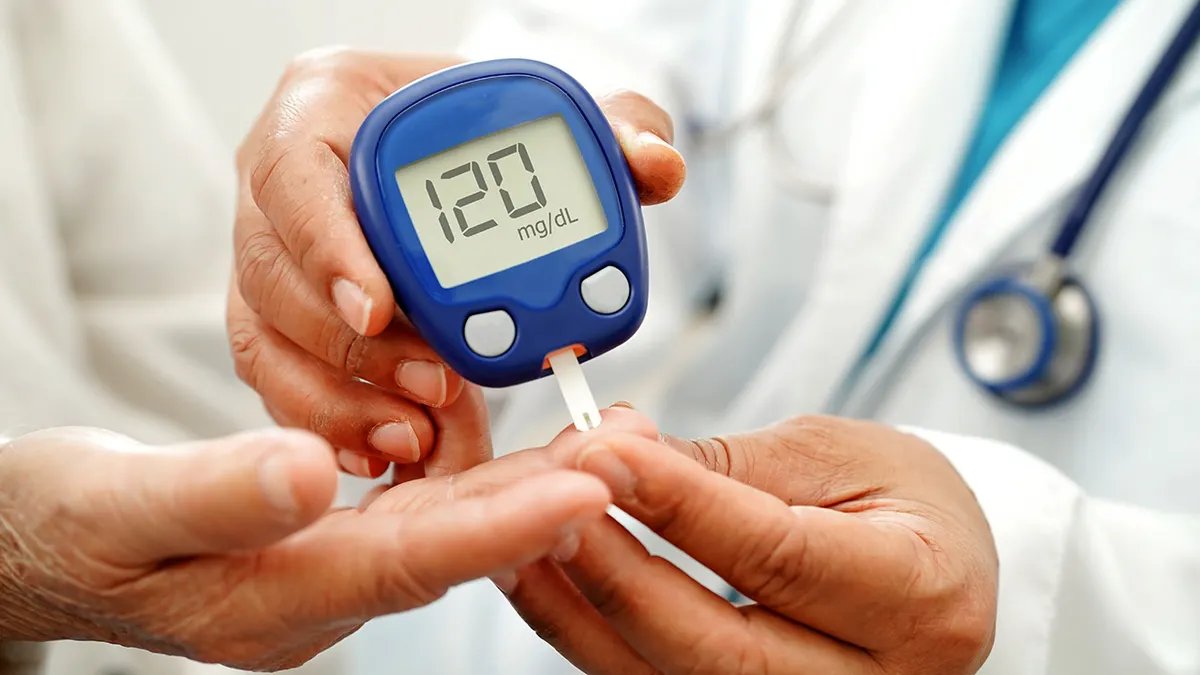
While continuous glucose monitoring (CGM) technology has revolutionized diabetes management, it’s not without its limitations. CGMs require calibration, can be prone to errors, and may not always detect rapid drops in blood sugar quickly enough. Diabetes alert dogs offer a complementary layer of protection, providing an early warning system that can bridge the gaps in technological monitoring.
What sets these dogs apart is their ability to respond to subtle changes in their owner’s condition, often before any technological device can register them. This is especially crucial during sleep, when individuals are less likely to notice the symptoms of hypoglycemia. The human-animal bond also plays a significant role. The dog’s presence provides emotional support and companionship, reducing stress and anxiety, which can further improve blood sugar control.
The Emotional Support Factor
The simple act of petting a dog has been proven to lower blood pressure and release endorphins, which can have a positive impact on overall well-being. “Having Max has changed my life in so many ways,” says David Chen, a 50-year-old with type 1 diabetes. “Not only does he alert me to low blood sugars, but he’s also my best friend. He’s always there for me, and I know I can always count on him.”
Challenges and Considerations
Despite the numerous benefits, there are also challenges associated with diabetes alert dogs. The cost of training and maintaining a dog can be prohibitive for many families. Furthermore, not all dogs are suitable for this type of work. Temperament, trainability, and health are all important factors to consider. It’s also important to remember that they are animals and, like any animal, aren’t perfect.
The Importance of Ongoing Training
Even after completing initial training, diabetes alert dogs require ongoing maintenance and reinforcement to maintain their skills. This includes regular scent work, obedience training, and veterinary care. It’s a lifelong commitment.

The Future of Canine Scent Detection in Diabetes
The field of canine scent detection in diabetes is rapidly evolving. Researchers are exploring ways to improve training methods, identify the specific VOCs that dogs are detecting, and develop technology that mimics the dog’s olfactory capabilities. Imagine a wearable sensor that can detect hypoglycemia with the same accuracy and speed as a diabetes alert dog!
Research and Development
Several studies are underway to investigate the effectiveness of diabetes alert dogs and to better understand the science behind their abilities. These studies are crucial for validating the claims made by families and for developing evidence-based guidelines for training and utilization.
The Potential for Technological Advancement
While diabetes alert dogs offer a unique and valuable service, they are not a replacement for traditional diabetes management tools. However, they can serve as a valuable complement to CGMs and other technologies, providing an extra layer of safety and peace of mind. As technology advances, we may see the development of devices that incorporate the principles of canine scent detection, further improving the lives of people with diabetes.
The stories surrounding dogs for diabetes patients and their ability to detect dangerous blood sugar crashes are powerful and compelling. While more research is needed to fully understand the science behind these remarkable abilities, the anecdotal evidence is undeniable. These dogs offer not only a potentially life-saving early warning system but also companionship and emotional support, making them invaluable partners in diabetes management. They represent a fascinating intersection of nature and technology, reminding us that sometimes the best solutions come in unexpected forms. The potential for future advancements in this field is immense, promising even greater benefits for individuals living with type 1 diabetes. What a wonderful thing!
Frequently Asked Questions
| How do diabetes alert dogs detect low blood sugar? | Diabetes alert dogs are trained to detect subtle changes in their owner’s scent associated with hypoglycemia, likely due to volatile organic compounds (VOCs) released in the breath when blood sugar levels drop. |
| What are the benefits of having a diabetes alert dog? | Benefits include early warning of potentially dangerous blood sugar drops, increased independence and peace of mind, improved emotional well-being, and a reduced risk of severe hypoglycemic episodes. |
| How can I obtain a diabetes alert dog? | You can obtain a diabetes alert dog through specialized training organizations. The process involves an application, assessment, and a waiting period. Training can be expensive, ranging from $15,000 to $30,000. |
| What are the challenges associated with diabetes alert dogs? | Challenges include the high cost of training and maintenance, the need for ongoing training and reinforcement, and the fact that not all dogs are suitable for this type of work. It’s also important to remember that they are living animals and can make mistakes. |
| What is the future of canine scent detection in diabetes management? | The future holds potential for improved training methods, a better understanding of the VOCs dogs are detecting, and the development of technology that mimics the dog’s olfactory capabilities, potentially leading to more advanced and accessible diabetes management tools. |
Important Notice
This FAQ section addresses the most common inquiries regarding the topic.