The Community’s Roar and Dev’s Listening Ear
It’s astonishing how a gaming community can unite over shared frustrations and collective dreams. For “Dispatch,” the feedback channels had been overflowing since the credits rolled on Season 1’s main storyline. Players took to every available platform—Discord, Reddit, Twitter, even obscure fan sites—to voice their opinions. From minute balancing tweaks to sweeping narrative changes, the sheer volume of player requests was immense. “It was like trying to drink from a firehose,” laughed Alex “Xenon” Chen, the community manager for Dispatch, during a recent live stream. “But in the best possible way! Every bug report, every ‘wouldn’t it be cool if…’ idea, it all meant something to us.”
The development team didn’t just passively observe; they actively engaged. They ran polls, conducted surveys, and even held several Q&A sessions with prominent community figures. This dedication to incorporating community feedback is precisely what sets Dispatch Dev apart. “We saw a clear pattern emerge from the data,” stated Dr. Evelyn Reed, the Head of Player Experience. “Players absolutely loved the core gameplay loop and the unique world-building, but there were definite areas for improvement, especially around late-game content and character progression.” It seems they truly dug into the data, sifting through millions of data points to identify common themes and pressing concerns.
Key Areas of Focus for Season 2
The official announcement laid out a comprehensive plan, categorized into several key pillars, showing just how deeply Dispatch Dev had internalized the community’s desires. This wasn’t just lip service; it was a blueprint for meaningful change.
Gameplay Mechanics Overhaul
Perhaps the most significant section, and one that drew immediate praise, was the commitment to refining core gameplay mechanics. Players had frequently voiced concerns about the perceived “clunkiness” of combat, particularly in close-quarters engagements. The developers acknowledged this head-on. “We’re completely rebuilding the melee combat system from the ground up,” confirmed Sarah Jenkins, Lead Systems Designer. “Our goal for Season 2 is not just to add, but to refine, to make every interaction feel impactful and responsive. We’re moving towards a more fluid, physics-based interaction that players have been crying out for. Honestly, who hasn’t been frustrated by a phantom hit in a crucial moment?” They’re also looking at revamping the stamina system, aiming for a more intuitive and less punishing experience, which many players, including myself, will welcome with open arms.
New Content and Storylines
Beyond fixes, what truly excites the player base is the promise of fresh experiences. Season 2 is set to deliver on this front with gusto. The announcement teased:
- Two New Zones: Expanding the map significantly, introducing diverse biomes and new environmental challenges.
- Three Playable Characters: Each with unique abilities and backstories, promising fresh strategies and team compositions.
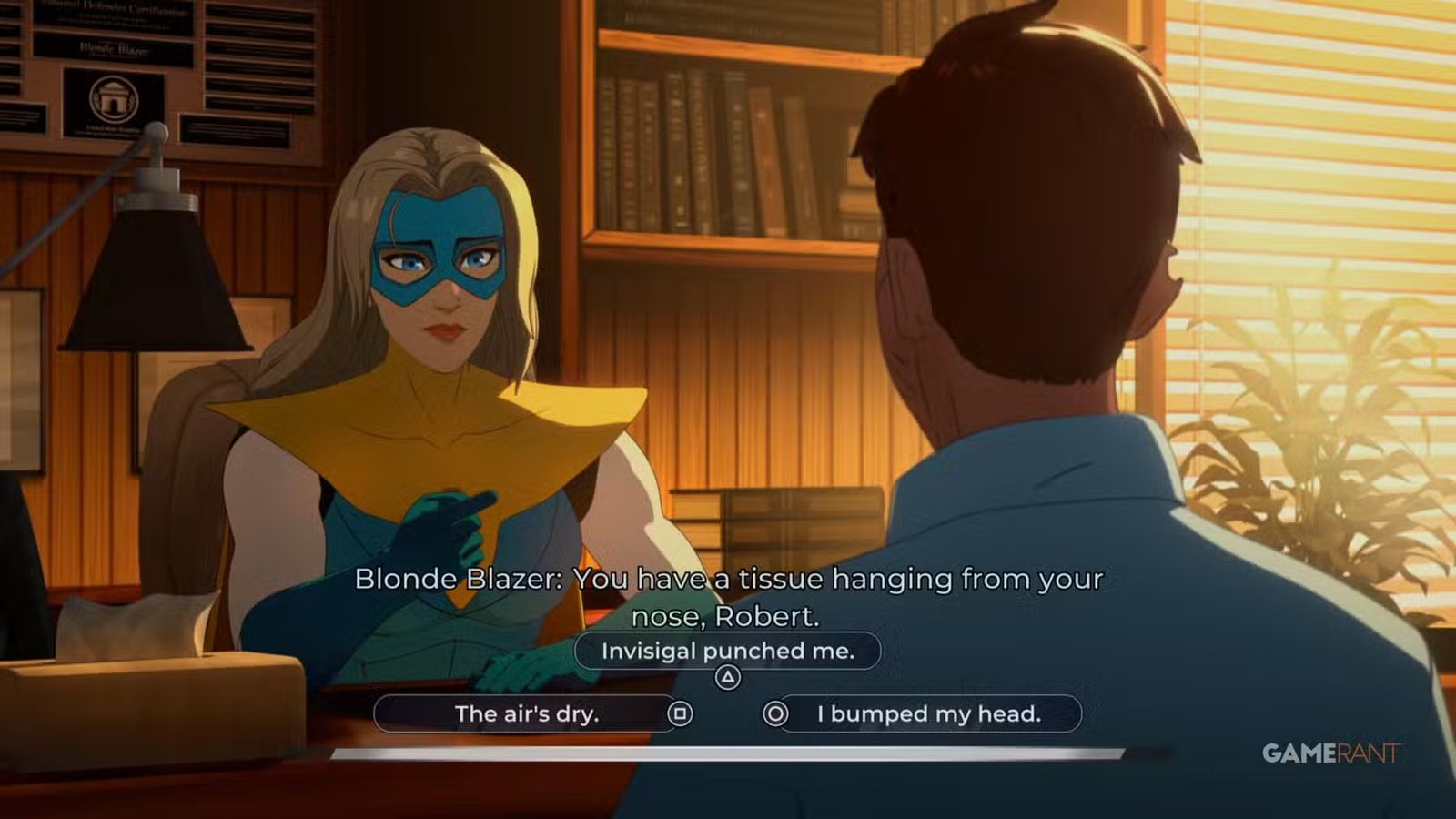
- A Branching Narrative Arc: Building on Season 1, this new storyline will delve deeper into the lore of the Dispatch universe, with player choices having tangible consequences. “We want players to feel like they are truly shaping the world,” said narrative director Mark Thompson. “Not just playing through it.”
- New Enemy Factions: Introducing novel combat encounters and strategic complexities.
This influx of content suggests a vibrant, evolving world, something critical for a game’s long-term health. I remember one player, “LoreMaster77,” on Reddit, who had painstakingly pieced together theories about uncharted territories. I bet they’re absolutely thrilled right now.
Quality of Life Improvements
Sometimes, it’s the little things that make the biggest difference. The Dispatch Dev team has clearly paid attention to the myriad of “quality of life” (QoL) requests. This includes:
- An overhauled user interface (UI) for inventory management, making it less cumbersome to sort and equip gear.
- Improved matchmaking algorithms, aiming for quicker, more balanced player versus player (PvP) and cooperative (PvE) experiences.
- Customizable keybindings and controller layouts, a long-standing request from accessibility advocates.
- Enhanced in-game communication tools, allowing for better coordination among teammates.
“These might seem minor to some,” explained Sarah Jenkins, “but we know they contribute significantly to the overall enjoyment and retention of players. We want the game to get out of your way and let you focus on the fun.” It’s these details that truly show a developer cares.
Performance and Bug Fixes
No game is perfect, and “Dispatch” certainly had its share of launch issues, as most do. The development blog was refreshingly candid about addressing performance and bug fixes. They’ve identified and prioritized the most frequently reported issues, including:
- Server stability improvements to mitigate lag and disconnects.
- Graphics optimization for smoother frame rates across a wider range of hardware.
- Elimination of several persistent collision and animation bugs that often led to frustrating in-game situations.
- Fixes for progression blockers reported in certain quests.
“Our top priority is a stable and smooth experience,” stated a lead engineer, who preferred to remain anonymous due to the sensitive nature of technical discussions. “All the new content in the world won’t matter if the game isn’t playable. We’ve dedicated a significant portion of our resources to infrastructure improvements.” This honesty is incredibly reassuring to players who’ve experienced glitches firsthand.

The Developer’s Perspective: Challenges and Commitments
Developing a game, especially one with a passionate community, is no easy feat. It’s a constant tightrope walk between artistic vision, technical limitations, and player expectations. “The biggest challenge,” explained Michael Thorne, the game’s director, in a rare interview, “is always balancing the vocal minority with the silent majority, and then making sure what we deliver is technically feasible within our timeline and budget. Sometimes, a player request sounds amazing on paper, but would require a complete re-engineering of our core engine.” He sighed, “It’s a lot of ‘no, but how about this?’ conversations internally.”
Despite these hurdles, Dispatch Dev is committed to transparency and continued engagement. “This announcement isn’t the end of the conversation; it’s just the beginning,” Thorne emphasized. “We want to keep the lines of communication open, through regular dev blogs, community streams, and direct interactions. Our community built this game with us, in a way, and we won’t forget that.” This commitment to an ongoing dialogue is a refreshing approach, fostering trust and a sense of shared ownership that can be incredibly powerful. It also means we, as players, shouldn’t shy away from continuing to provide constructive feedback, even after Season 2 drops.

What to Expect: A Glimpse into the Future
So, when can we expect to dive into all these exciting changes? The developer roadmap indicates a phased rollout. A Public Test Realm (PTR) is scheduled to open its doors in late spring, allowing dedicated players to get an early look and provide final feedback before the full launch. “The PTR is crucial for us,” said a QA lead, “it helps us catch unforeseen issues and get real-world balancing data before the major release.” Full Season 2 is slated for an early summer release.
What’s more, the team hinted at a potential “mini-event” leading up to the Season 2 launch, designed to bridge the narrative gap and introduce some of the new characters and lore. These kinds of in-game events are always a brilliant way to keep the community engaged and build hype, turning the wait into an experience itself. I personally love how developers integrate these narrative bridges; it makes the world feel more alive. Imagine logging in and seeing the world subtly changing, preparing for the next big chapter!
Beyond Season 2: The Long-Term Vision
While the focus is understandably on Season 2, the developer blog also touched upon the long-term future of “Dispatch.” It’s clear they envision this not just as a game, but as a living, breathing universe that will continue to expand for years to come. Discussions are already underway for potential Season 3 content, future expansions, and even spin-off media, hinting at a much broader universe.

Michael Thorne summed it up perfectly: “We’re building a world, not just a game. Our ambition is to create an experience that players can grow with, that evolves alongside their passion and feedback. This is just the next chapter, and we’re incredibly excited to write it with our community.” This kind of forward-thinking vision is what truly sustains a game in the long run, transforming it from a mere entertainment product into a cultural phenomenon. It provides a sense of security for players, knowing their favorite game isn’t just a flash in the pan.
In closing, the response from Dispatch Dev regarding Season 2 requests has been nothing short of exemplary. They’ve demonstrated a remarkable commitment to listening, adapting, and innovating, all while maintaining an admirable level of transparency. For the community, this isn’t just news; it’s a reaffirmation of their investment, a promise that their voices truly matter. The path ahead looks bright, filled with exciting new challenges, refined mechanics, and a world eager to be explored. So, grab your gear, Dispatch Agents, because Season 2 is shaping up to be an incredible journey, and it’s one we’re all taking together.
Frequently Asked Questions
| What is the core focus of Dispatch Dev’s response to Season 2 requests? | The core focus is on comprehensive improvements across gameplay mechanics, new content introduction, quality of life updates, and critical performance/bug fixes, all directly addressing community feedback gathered after Season 1. They aim to refine the existing experience while expanding the game’s universe. |
| What benefits can players expect from the Season 2 updates? | Players can expect a more fluid and responsive combat system, two new explorable zones, three new playable characters, a branching narrative, and new enemy factions. Additionally, significant quality of life improvements like a better UI, improved matchmaking, and customizable controls will enhance the overall player experience. |
| How is Dispatch Dev implementing player requests for Season 2? | Dispatch Dev has actively engaged with the community through polls, surveys, and Q&A sessions. They are rebuilding core systems like melee combat, introducing new content based on popular demand, and prioritizing bug fixes and performance enhancements identified by players. A Public Test Realm (PTR) will also be used for final feedback before the full launch. |
| What challenges did the developers face in responding to Season 2 requests? | The main challenges involved balancing a high volume of player desires with technical feasibility, development timelines, and budget constraints. Deciding which requests to prioritize and how to integrate them into the existing game engine without causing new issues required careful consideration and strategic planning. |
| What is Dispatch Dev’s long-term vision beyond Season 2? | Beyond Season 2, Dispatch Dev envisions the game as a living, evolving universe. They are already planning for Season 3, potential future expansions, and even spin-off media. Their goal is to create an experience that grows with the players and their feedback, fostering a sustained and expanding community. |
Important Notice
This FAQ section addresses the most common inquiries regarding the topic.