You’re scrolling through your feed, maybe sipping your morning coffee, when a headline catches your eye. It’s jarring, almost unbelievable: “Jackie Chan dead at [insert age here].” My heart definitely skipped a beat the first time I saw it, a cold jolt of surprise and sadness washing over me. You think, “No, not him! Not the man who defined my childhood with his incredible stunts and infectious grin.” It feels like a punch to the gut, a moment of genuine grief for a beloved icon. But then, a tiny seed of doubt begins to sprout, doesn’t it? Because this isn’t the first time such a claim has surfaced. In fact, these Jackie Chan death hoax rumours have plagued the legendary actor for years, resurfacing with a persistent, almost uncanny regularity, like a bad penny that just keeps turning up. Each time, they send fans into a frenzy, sparking widespread panic and concern across the globe, from bustling Asian cities to quiet suburban homes in the West. This article isn’t just about debunking one rumour; it’s about understanding the unsettling cycle of misinformation that surrounds public figures like Jackie Chan and arming ourselves with the truth behind these sensational, yet utterly false, claims. So, let’s set the record straight once and for all and explore why these specific viral rumours just won’t seem to die.
The Persistent Problem of Celebrity Death Hoaxes
It’s a strange phenomenon, isn’t it? The internet, a marvel of instant communication, also serves as a breeding ground for the most outlandish and often cruel hoaxes. Celebrity death rumours are a particularly insidious strain of this digital virus. They capitalize on our emotional connection to public figures, our innate curiosity, and the sheer speed at which information (and misinformation) can now travel. One minute, an unverified post appears on a obscure blog, and the next, it’s trending on Twitter, morphing into a global sensation before anyone has a chance to breathe, let alone verify. We’ve seen it happen to countless stars, from Macaulay Culkin to Morgan Freeman, but few have endured the sheer volume and longevity of false reports quite like Jackie Chan. It makes you wonder, what drives this relentless need to declare someone dead prematurely? Is it malicious intent, a hunger for clicks, or just a widespread lack of critical thinking in our fast-paced digital world?
The Specifics of the Jackie Chan Death Rumour
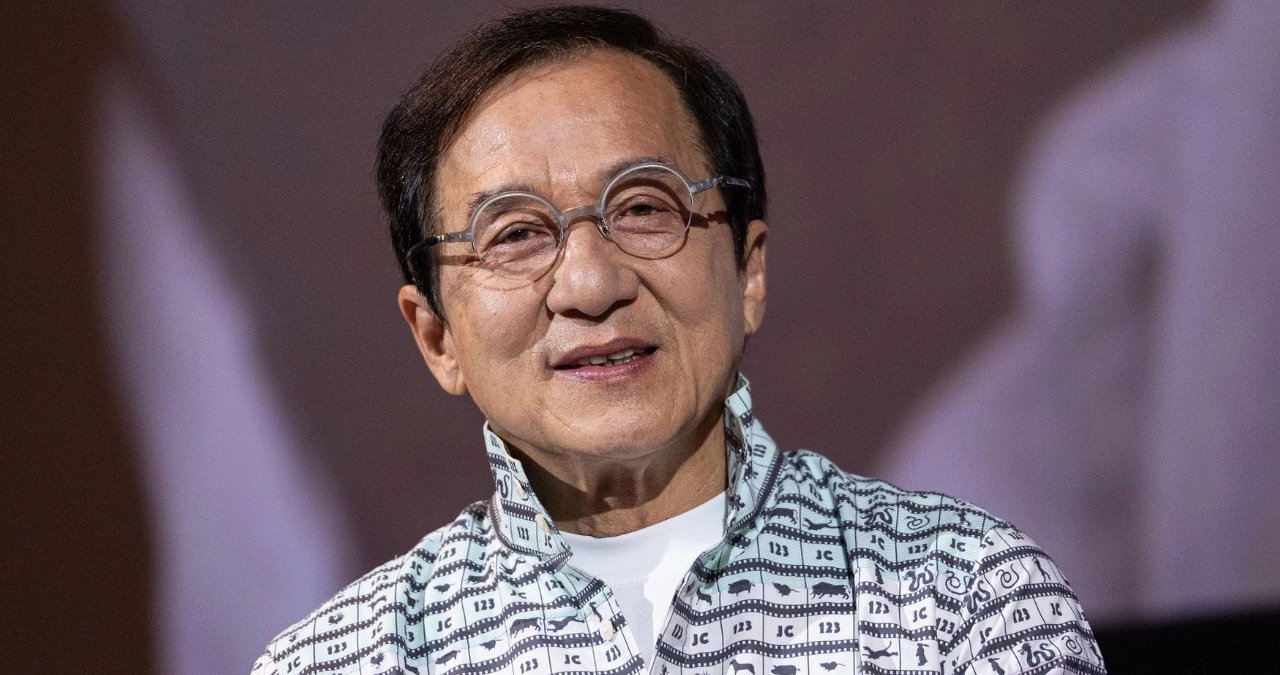
The rumour that Jackie Chan is dead isn’t a single, isolated incident. Oh no, it’s a recurring nightmare for fans and, one can only imagine, for the action superstar himself. These hoaxes typically follow a pattern: a shocking headline, often from a dubious source, claiming he died from a heart attack, a dangerous stunt gone wrong, or a sudden illness. The details might change slightly, the supposed date of death shifts, but the core message remains the same: “The martial arts legend is no more.”
Early Incarnations: From Forums to Facebook
The earliest significant Jackie Chan death rumour I can recall gaining traction was perhaps around 2011 or 2012. Back then, it was more prevalent on forums and early social media platforms. I remember seeing a post claiming he had died during a film shoot, which, given his reputation for daring stunts, lent it a deceptive air of credibility. “It felt so real,” said Sarah Chen, a long-time fan from Singapore. “I spent hours trying to find legitimate news, my stomach churning. You want to believe it’s false, but the internet can be so convincing.” These initial waves were often simple, text-based messages, relying on shock value and the rapid-fire sharing capabilities of the nascent social web. They often lacked sophisticated imagery, but their impact was undeniable.
The Modern Wave: Social Media and AI-Generated Fakes
Fast forward to today, and the hoaxes have become more sophisticated, mirroring the evolution of digital media. We’re now seeing fake news sites designed to look legitimate, complete with fabricated interviews and “official” statements. Sometimes, even doctored photos or short video clips appear, making it harder for the casual browser to discern the truth. The rise of AI-generated content also poses a new threat, allowing for even more convincing, yet entirely fake, articles and visuals. These more recent iterations often circulate on platforms like X (formerly Twitter), Facebook, and YouTube, where algorithms can inadvertently amplify their reach to millions before fact-checkers can catch up. “It’s a constant battle,” explained a representative from his public relations team, who wished to remain anonymous. “Just when we debunk one, another pops up. It’s exhausting, frankly, for everyone involved.” This relentless onslaught is a stark reminder of the challenges in navigating the digital information landscape.
Jackie Chan’s Own Responses
One of the most heartwarming aspects of these persistent hoaxes is Jackie Chan’s own reaction. Instead of retreating, he often tackles them head-on, usually with his characteristic good humour. He has, on multiple occasions, posted updates on his official social media channels, sharing photos of himself working, attending events, or simply enjoying life.
I recall one specific instance where he posted a selfie with a newspaper, clearly showing the current date, accompanied by a witty caption along the lines of, “I’m still alive, everybody! Don’t worry!” It was a simple yet powerful way to combat the falsehoods. His management has also released official statements clarifying his well-being. “He finds it quite amusing sometimes, but also understands the concern of his fans,” said a close associate. “He’s very grateful for their love and support, which is why he makes an effort to directly address these things when they get out of hand.” These direct responses from Jackie Chan alive are the most definitive proof that the rumours are nothing but fabrications. It’s a testament to his enduring spirit and connection with his audience that he takes the time to personally reassure them.
The Impact on Fans and the Star
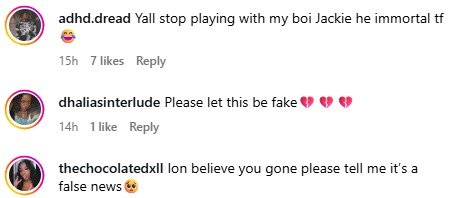
While a celebrity death hoax might seem like a harmless prank to some, the reality is far from it. For millions of fans worldwide, news of Jackie Chan’s death, even if quickly debunked, causes genuine distress. Imagine the feeling of losing someone you’ve admired for decades, someone who brought you joy through countless films. That sudden pang of sorrow, however fleeting, is real. “My mother called me in tears once,” recounted David Lee, a fan from Vancouver. “She grew up watching his films, and the idea of him being gone really hit her hard. We spent twenty minutes trying to confirm it wasn’t true before she finally calmed down.”
For the celebrity themselves, and their loved ones, it’s an experience that ranges from mild annoyance to profound frustration. While Jackie Chan might joke about it, the constant need to prove one’s own existence must be wearying. His family, friends, and colleagues are also subjected to these upsetting false reports. It not only wastes their time but also creates unnecessary anxiety. It’s a bizarre form of psychological harassment, perpetuated by anonymous individuals or entities seeking attention or clicks. This constant cycle of rumour and debunking detracts from his actual work and achievements.
Why Do We Fall for Them? The Psychology Behind Viral Hoaxes
So, why are these viral hoaxes so incredibly effective? It’s not just about gullibility; it’s a complex interplay of human psychology and the architecture of social media.
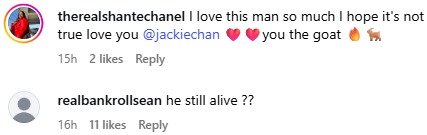
Firstly, there’s the element of shock and novelty. A celebrity death is unexpected news, and our brains are wired to pay attention to novel, emotionally charged information. Secondly, confirmation bias plays a huge role. If we’ve heard similar rumours before, or if the headline aligns with a fleeting concern we might have had about an aging star, we might be more inclined to believe it. Thirdly, the speed of sharing on social media means that people often re-post shocking news without verifying it first. The desire to be the first to share “breaking news” often overrides the need for accuracy. “It’s a perfect storm of human psychology and digital amplification,” noted Dr. Evelyn Reed, a social media researcher. “People see something emotionally resonant, they share it, and before you know it, a lie has traveled halfway around the world while the truth is still tying its shoes.” The emotional appeal of these stories, whether it’s sadness or outrage, makes them highly shareable, often leading to a rapid and uncontrolled spread.
How to Spot a Celebrity Death Hoax
Fortunately, you don’t have to be a digital detective to spot these fakes. A little common sense and a few key steps can go a long way in practicing effective fact-checking and cultivating strong media literacy skills.
Here’s a quick guide:
- Check Reputable Sources: If a major celebrity like Jackie Chan has truly passed away, every major news outlet (BBC, CNN, Reuters, AP, etc.) would be reporting it almost simultaneously. If you only see it on one obscure blog or a random social media post, be highly skeptical.
- Look for Official Statements: Check the celebrity’s official website, verified social media accounts, or statements from their publicists. These are the most reliable sources.
- Examine the Source: Does the website look legitimate? Are there spelling errors, strange URLs, or an overwhelming number of pop-up ads? These are red flags.
- Cross-Reference: Do a quick search on Google or another search engine using keywords like “Jackie Chan alive” or “Jackie Chan death debunked.” If it’s a hoax, you’ll likely find articles debunking it.
- Consider the Language: Hoaxes often use sensational, emotional, or overly dramatic language. Legitimate news reports are usually more measured and factual.
- Be Wary of Clickbait: Headlines designed to shock or outrage, often with vague details, are classic clickbait tactics.
By following these steps, you can help prevent the spread of misinformation and spare yourself and others unnecessary distress. It’s about being an active, critical consumer of information, not just a passive recipient.
The Broader Context: A Digital Age Dilemma
The phenomenon of Jackie Chan death rumours is more than just an annoyance; it’s a symptom of a larger problem in our digital age: the struggle for information integrity. When falsehoods can spread faster and wider than truth, it erodes trust in news sources and makes it harder for individuals to make informed decisions about anything, from politics to public health. Social media platforms bear a significant responsibility in mitigating this, but ultimately, it also falls to each one of us to exercise caution and critical thinking. We all play a role in shaping the information landscape, and choosing not to share unverified news is a small but powerful act of digital citizenship. It’s a challenge that extends far beyond celebrity gossip, touching every aspect of our shared public discourse. The fight against misinformation is ongoing, and our individual actions, however small, contribute to the collective effort to uphold truth and accuracy online.
Conclusion
So, let’s put the rumour to rest, once and for all: Jackie Chan is alive and well. He continues to be a vibrant force in the entertainment industry, gracing our screens and inspiring generations with his incredible talent and enduring spirit. The next time you see a headline claiming otherwise, take a moment. Pause. Remember the persistent nature of these hoaxes and the simple steps you can take to verify the information. Don’t let a sensational, fake story steal your peace or mislead others. Instead, celebrate the fact that our beloved martial arts legend is still with us, continuing his remarkable journey. Let’s be mindful consumers of information, honouring the truth and allowing our heroes to enjoy their well-deserved lives, free from the shadow of internet fabrication. It’s a small act of kindness, but one that makes a world of difference in our increasingly complex digital reality.
Frequently Asked Questions
| Is Jackie Chan really dead? | No, Jackie Chan is alive and well, despite persistent viral death hoaxes that have circulated online for over a decade. He frequently debunks these rumours himself through social media posts and public appearances. |
| What harm do these death hoaxes cause? | Celebrity death hoaxes cause emotional distress to fans, family, and the celebrity themselves. They spread misinformation, undermine trust in legitimate news sources, and can be a source of frustration for public figures who constantly have to address false claims about their well-being. |
| How can I verify if a celebrity death rumour is true? | Always check multiple reputable news sources (e.g., major news networks, official wire services). Look for official statements from the celebrity or their verified representatives on their official websites or social media accounts. Be skeptical of sensational headlines, dubious-looking websites, or posts that only appear on unverified social media accounts. |
| Why do celebrity death hoaxes spread so easily? | They often tap into emotional responses like shock or sadness, making them highly shareable. The speed and reach of social media platforms amplify their spread, and people sometimes share intriguing information without verifying its accuracy first, driven by the desire to be the first to share “breaking news.” |
| What is Jackie Chan currently doing? | Jackie Chan continues to be active in the film industry, taking on various acting and production projects. He often engages with his fans through social media and makes public appearances, confirming his ongoing well-being and active career. |
Important Notice
This FAQ section addresses the most common inquiries regarding the topic.