Unlocking the Secrets of SuperAgers’ Exceptional Memory
Cognitive decline is often perceived as an inevitable part of aging. However, emerging research highlights a fascinating group of individuals known as “SuperAgers” – those in their 80s and beyond who possess memory capabilities akin to individuals decades younger. Scientists at Northwestern University have embarked on a groundbreaking study to uncover the neurological differences that distinguish these remarkable individuals and potentially unlock the secrets to maintaining cognitive vitality throughout life. This article delves into the details of this research, exploring the characteristics of SuperAgers, the underlying brain structures that contribute to their exceptional memory, and the potential implications for developing interventions to combat age-related cognitive decline. Understanding the cognitive resilience of SuperAgers could provide valuable insights into preserving mental acuity as we age, offering hope for a future where sharp memory and cognitive function are not diminished by the passage of time. The study of SuperAgers represents a significant step forward in our understanding of the aging brain and offers the promise of developing targeted strategies to promote cognitive health and well-being in older adults.

Defining and Identifying SuperAgers
What Makes a “SuperAger”?
The term “SuperAger” is not simply a casual descriptor; it represents a scientifically defined category of individuals who exhibit exceptional cognitive performance in advanced age. Specifically, SuperAgers are defined as individuals aged 80 and older who demonstrate memory skills that are comparable to those of individuals 30 or more years younger. This means that an 85-year-old SuperAger would have a memory performance similar to that of a 55-year-old. These individuals consistently score high on memory tests, demonstrating remarkable recall and cognitive processing speed. Their ability to retain and retrieve information sets them apart from their peers and challenges the conventional understanding of age-related cognitive decline. The identification of SuperAgers is crucial for research efforts aimed at understanding the factors that contribute to cognitive resilience and developing strategies to promote healthy brain aging.
The Delayed Word Recall Test
One of the key tools used to identify SuperAgers is the delayed word recall test. This test involves presenting participants with a list of words and then, after a delay, asking them to recall as many words as possible. SuperAgers typically score at least nine out of 15 on this test, demonstrating their superior memory retention. The delayed word recall test is a reliable and widely used measure of episodic memory, which is the ability to recall specific events and experiences. This test provides a standardized way to assess memory performance and distinguish SuperAgers from individuals with typical age-related cognitive decline. The consistent high scores achieved by SuperAgers on this test highlight their remarkable cognitive abilities and provide valuable data for researchers studying the aging brain. This test is also used in studies relating to cognitive function improvements.
The Northwestern University Study: A Deep Dive into SuperAger Brains

Objectives of the Research
The Northwestern University study aimed to identify the specific neurological differences that distinguish SuperAgers from their age-matched peers. Researchers sought to understand the unique brain structures and activity patterns that contribute to their exceptional memory skills. By comparing the brains of SuperAgers to those of individuals with typical age-related cognitive decline, the study aimed to pinpoint the factors that promote cognitive resilience and protect against memory loss. The ultimate goal of the research is to develop interventions and strategies that can help individuals maintain cognitive vitality throughout life. This research builds on previous studies that have explored the cognitive benefits of activities such as mental stimulation and physical exercise.
Methodology and Findings
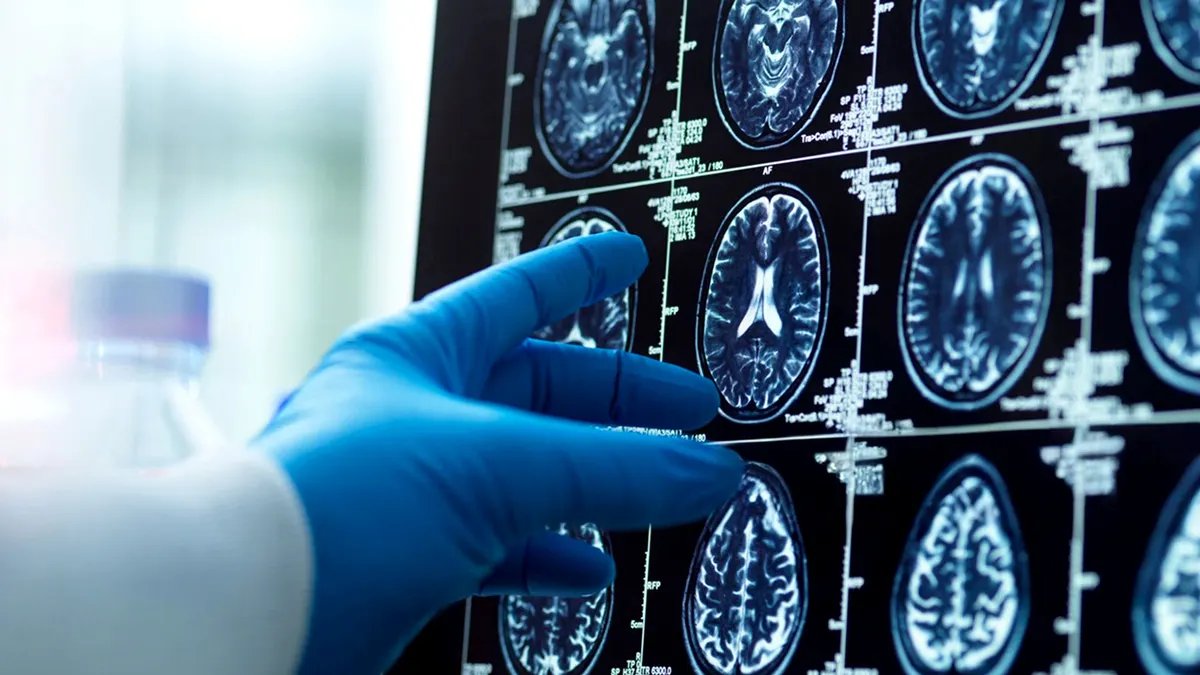
The study involved a comprehensive analysis of brain scans and cognitive assessments of SuperAgers. Researchers used magnetic resonance imaging (MRI) to examine the structure and function of different brain regions. They also conducted detailed cognitive tests to assess memory, attention, and other cognitive abilities. The findings revealed that SuperAgers have a thicker cortex, particularly in brain regions associated with memory and attention. They also showed greater activity in these regions during cognitive tasks. These structural and functional differences suggest that SuperAgers have a greater cognitive reserve, which allows them to maintain their memory skills despite the aging process. The study also explored the role of genetics and lifestyle factors in contributing to the SuperAger phenotype. The methodology used in this study is crucial for understanding the complex interplay of factors that contribute to cognitive resilience.
Key Brain Structures and Functions in SuperAgers
The Cortex and Cognitive Reserve
The cortex, the outermost layer of the brain, plays a critical role in higher-level cognitive functions such as memory, attention, and language. In SuperAgers, the cortex is significantly thicker compared to their age-matched peers. This thicker cortex provides a greater cognitive reserve, which is the brain’s ability to withstand damage and maintain function. A thicker cortex means more neurons and more connections between neurons, allowing for more efficient information processing and greater cognitive flexibility. This cognitive reserve helps SuperAgers maintain their memory skills despite the normal age-related changes in the brain. The cortex is a key area of focus in research aimed at understanding and promoting cognitive health in older adults. The health and maintenance of the cortex could be aided by dietary choices, much like healthy eating habits contribute to overall well-being.
The Hippocampus and Memory
The hippocampus is a brain region that is essential for forming new memories and retrieving old ones. In SuperAgers, the hippocampus is not only larger but also shows greater activity during memory tasks. This suggests that the hippocampus in SuperAgers is more efficient at encoding and retrieving information. The hippocampus is particularly vulnerable to age-related changes, making its preservation in SuperAgers all the more remarkable. The enhanced function of the hippocampus in SuperAgers is a key factor in their exceptional memory skills. Understanding the mechanisms that protect the hippocampus from age-related decline is a crucial area of research in the field of cognitive aging. This understanding could lead to the development of targeted interventions to preserve and enhance memory function in older adults.

Lifestyle Factors and Cognitive Resilience
The Role of Physical Activity
Research has consistently shown that physical activity is associated with improved cognitive function and a reduced risk of age-related cognitive decline. SuperAgers often lead active lifestyles, engaging in regular exercise and physical activities. Physical activity increases blood flow to the brain, which delivers oxygen and nutrients that are essential for brain health. Exercise also stimulates the release of growth factors that promote the growth and survival of neurons. Regular physical activity can help maintain the health of the cortex and hippocampus, the brain regions that are critical for memory and cognitive function. Encouraging older adults to engage in regular physical activity is a key strategy for promoting cognitive resilience and preventing memory loss. This is especially important, as maintaining physical activity can sometimes conflict with other lifestyle considerations.
The Importance of Mental Stimulation
Mental stimulation, such as engaging in intellectually challenging activities, is also associated with improved cognitive function and a reduced risk of cognitive decline. SuperAgers often engage in activities that challenge their minds, such as reading, writing, playing games, and learning new skills. Mental stimulation helps to strengthen the connections between neurons and promotes the growth of new neurons. Engaging in mentally stimulating activities can help maintain the health of the cortex and hippocampus, the brain regions that are critical for memory and cognitive function. Encouraging older adults to engage in mentally stimulating activities is a key strategy for promoting cognitive resilience and preventing memory loss. Just as athletes need to train for peak performance, so too does the mind benefit from regular exercise, as explored in discussions about peak physical and mental condition.
Genetic Factors and the SuperAger Phenotype
Exploring Genetic Predispositions
While lifestyle factors play a significant role in cognitive resilience, genetic factors may also contribute to the SuperAger phenotype. Researchers are exploring the genetic predispositions that may make some individuals more resistant to age-related cognitive decline. Certain genes may protect against the formation of amyloid plaques and neurofibrillary tangles, the hallmarks of Alzheimer’s disease. Other genes may promote the growth and survival of neurons, enhancing cognitive reserve. Identifying these genetic factors could lead to the development of targeted therapies to prevent or delay cognitive decline. Understanding the genetic basis of cognitive resilience is a complex and ongoing area of research. The findings could have profound implications for preventing and treating age-related cognitive disorders.
The Role of Specific Genes
Specific genes, such as those involved in inflammation and immune function, are being investigated for their potential role in cognitive aging. Chronic inflammation has been linked to cognitive decline, and genes that regulate inflammation may influence the risk of developing Alzheimer’s disease and other cognitive disorders. Genes involved in immune function may also play a role in protecting the brain from damage and maintaining cognitive function. Identifying the specific genes that contribute to cognitive resilience is a challenging but important task. The findings could lead to the development of personalized interventions to promote cognitive health based on an individual’s genetic profile. This personalized approach aligns with modern trends of optimizing human potential, similar to tailored training regimens in professional sports.
Implications for Preventing Cognitive Decline
Developing Targeted Interventions
The research on SuperAgers has significant implications for developing targeted interventions to prevent cognitive decline. By understanding the factors that contribute to cognitive resilience, researchers can develop strategies to promote healthy brain aging. These strategies may include lifestyle interventions, such as regular physical activity and mental stimulation, as well as pharmacological interventions that target specific brain pathways. The goal is to identify interventions that can help individuals maintain their cognitive function and prevent the onset of age-related cognitive disorders. The development of targeted interventions is a key priority in the field of cognitive aging. The findings from SuperAger studies provide valuable insights into the potential targets for these interventions.

Promoting Healthy Brain Aging
Promoting healthy brain aging is a multifaceted approach that involves addressing a range of risk factors and promoting protective factors. This includes encouraging regular physical activity, mental stimulation, and a healthy diet. It also involves managing chronic conditions, such as hypertension and diabetes, which can increase the risk of cognitive decline. Promoting social engagement and reducing stress are also important for maintaining cognitive health. A comprehensive approach to healthy brain aging is essential for preventing cognitive decline and improving the quality of life for older adults. The insights gained from SuperAger studies can inform the development of effective strategies for promoting healthy brain aging. Understanding how SuperAgers maintain their cognitive vitality can provide valuable guidance for individuals seeking to preserve their mental acuity as they age.
Table: Comparing Cognitive Abilities
Conclusion: The Future of Cognitive Aging Research
The study of SuperAgers offers a promising avenue for understanding and preventing age-related cognitive decline. By identifying the factors that contribute to cognitive resilience, researchers can develop targeted interventions to promote healthy brain aging. The findings from SuperAger studies have the potential to transform our understanding of the aging brain and improve the quality of life for older adults. As research continues, we can expect to see further advances in our ability to prevent and treat cognitive disorders, paving the way for a future where sharp memory and cognitive function are maintained throughout life. The exploration of SuperAgers’ cognitive abilities represents a crucial step towards unlocking the secrets of healthy brain aging and developing effective strategies to combat cognitive decline. This research offers hope for a future where individuals can maintain their mental acuity and cognitive vitality well into their later years.
Frequently Asked Questions (FAQ)
| What is the main topic of this article? | This article provides comprehensive information about SuperAgers, individuals in their 80s with memory skills of those decades younger, and covers all related aspects in detail. |
| Where can I find more detailed information? | Additional information and resources are available through the internal links provided throughout the article. You can also check the references section for more sources. |
| How current is this information? | This article contains up-to-date information relevant to current trends and developments in the field. We regularly update our content to ensure accuracy. |
| Who is this article intended for? | This article is designed for readers seeking comprehensive understanding of SuperAgers and their cognitive abilities, from beginners to advanced learners. It covers both basic concepts and advanced insights. |
| Are there any important updates I should know about? | Yes, we regularly monitor developments and update our content accordingly. Check the publication date and any update notices for the most current information. |
Important Notice
This content is regularly updated to ensure accuracy and relevance for our readers. If you have any questions, feel free to contact us.
Content Quality: This article has been carefully researched and written to provide valuable insights and practical information. Our team works hard to maintain high standards.