You know that feeling, don’t you? That weary drag through the day, powered by coffee and sheer willpower, all because last night was another battle with the pillow. The digital glow of your phone, the hum of the street outside, the constant chatter in your mind – it all conspires against the deep, restorative sleep our bodies so desperately crave. We’re a world collectively sleep-deprived, constantly searching for that elusive magic bullet to finally drift off into peaceful slumber. From elaborate routines to expensive gadgets, the quest for a good night’s rest feels endless. But what if the answer wasn’t complicated or costly, but surprisingly simple, even ancient in its wisdom? What if it involved something you already do every single day, just… differently?
Imagine stepping away from the harsh, artificial lights that dominate our evenings, the ones that scream “stay awake!” to our brains. Picture a different kind of transition, a gentle descent into calm before you even hit the sheets. This isn’t just a fantasy; it’s the core idea behind a fascinating new trend gaining traction among those desperate for genuine rest: dark showering. Yes, you read that right. It’s exactly what it sounds like – taking your pre-bed shower in near or complete darkness. It sounds almost counter-intuitive at first, doesn’t it? (Who showers in the dark?) But the growing chorus of advocates swears it’s a game-changer for enhancing sleep quality and resetting your internal clock.
This isn’t about some fancy new product or a complex meditation technique; it’s a deliberate, mindful shift in an everyday habit. Proponents suggest that by eliminating bright light exposure during this crucial wind-down period, you’re sending a powerful signal to your body. You’re telling it, unequivocally, that it’s time to prepare for rest, allowing your natural sleep hormones to flow unimpeded. It’s a return to something primal, a subtle yet profound adjustment that many are finding incredibly effective in their personal journey towards better sleep.

What Exactly is This ‘Dark Showering’ Trend?
At its heart, dark showering is a simple yet powerful modification to your usual nighttime routine. Instead of flicking on the bright overhead lights in your bathroom, you opt for minimal to no artificial light while you wash. This could mean showering in complete darkness, or with just a tiny amount of very dim, warm-toned light – perhaps a small, battery-operated LED or even the faint glow from a hallway seeping under the door. The goal is to create an environment that mimics the natural dimming of light that occurs as the sun sets, signaling to your brain that night is approaching and it’s time to begin preparing for sleep.
Think about it: for millennia, human beings lived by the rhythm of the sun. As daylight faded, our bodies naturally began producing melatonin, the hormone responsible for inducing sleepiness. Fast forward to today, and we’re constantly bombarded by artificial light – from overhead lamps to smartphone screens – right up until the moment we try to close our eyes. This constant illumination, especially blue light emitted by electronics, actively suppresses melatonin production, making it harder for us to fall asleep and often disrupting the natural flow of our circadian rhythm. “It’s like telling your body it’s still noon when it’s actually midnight,” explains Dr. Lena Karlsson, a sleep physiologist based in Stockholm. “Your internal clock gets totally confused, and consistent, high-quality sleep becomes a distant dream.” Dark showering aims to correct this modern imbalance, one mindful rinse at a time.
The Science Behind the Serenity: Melatonin and Your Circadian Rhythm
The magic of dark showering isn’t just anecdotal; it’s rooted in our biology. Our bodies operate on an intricate 24-hour internal clock, known as the circadian rhythm, which dictates our sleep-wake cycles. Light is the primary cue for this rhythm. When light hits our eyes, it sends signals to a part of the brain called the suprachiasmatic nucleus, which in turn influences the pineal gland. This tiny gland is responsible for producing melatonin. In the presence of bright light, especially blue wavelengths, melatonin production is suppressed. As light dims, melatonin levels naturally rise, making us feel drowsy and ready for sleep.

“Showering in bright light before bed is akin to shining a flashlight directly into your eyes right before you want to sleep,” says Dr. Emily Chen, a sleep researcher at the University of California, Berkeley. “It’s stimulating, it’s disruptive, and it actively inhibits the release of melatonin, making it harder to initiate sleep and potentially reducing the depth of your rest.” By eliminating this bright light exposure during a common pre-bed activity, you’re essentially giving your body a head start on its natural sleep preparations. The warm water itself is also a key player. As your body temperature rises in the shower and then gradually cools down afterward, it mimics the natural temperature drop that occurs as we drift off to sleep, further enhancing the body’s readiness for rest. It’s a beautifully simple interplay of light, temperature, and biology, all conspiring to usher you into a state of deep relaxation ritual.
How to Seamlessly Embrace the Dark Shower Trend
Implementing dark showering into your nighttime routine might sound intimidating, but it’s surprisingly straightforward. The key is to prioritize safety and comfort. Here’s a simple guide to get you started:
- Assess Your Bathroom: First, consider your bathroom setup. Is it prone to slipping? Do you have grab bars? Safety is paramount.
- Gradual Dimming: Don’t jump straight into pitch-black. Start by using very dim, warm-toned lights, like a small candle (safely placed, away from water and flammable materials), a red-light nightlight, or even a waterproof LED puck light. Red light is preferable as it has the least impact on melatonin production.
- Choose Your Timing: Aim for a shower about 60-90 minutes before your intended bedtime. This allows your body temperature to rise and then fall naturally, aiding the sleep process.
- Focus on Sensation: Without the visual distractions, your other senses will heighten. Pay attention to the feel of the warm water on your skin, the sound of the falling drops, the scent of your soap. This makes it a truly mindful, sensory experience.
- Keep it Brief: A dark shower isn’t typically meant for an extended scrub-down. A 5-10 minute rinse is often sufficient for relaxation and preparing for sleep.
- Post-Shower Wind-Down: After your dark shower, continue the low-light theme. Avoid bright screens, use dim lights in your bedroom, and engage in calming activities like reading a physical book or gentle stretching.
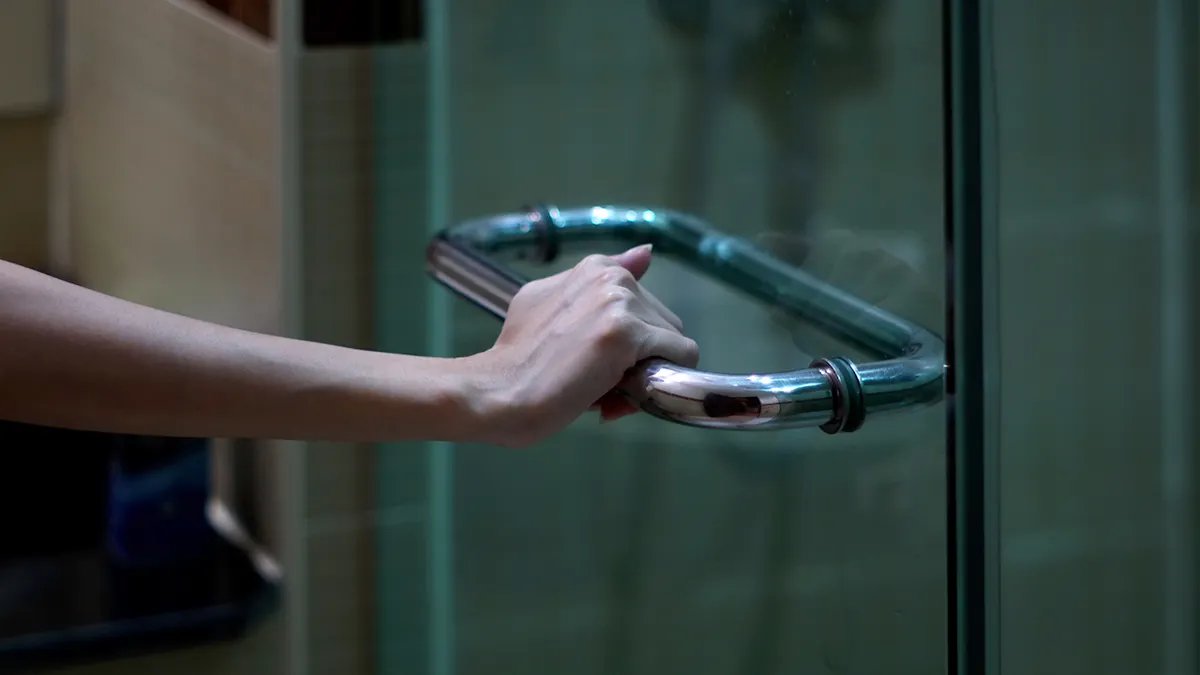
“I was really worried about bumping into things at first,” confessed Maria, a busy mother of two from Austin, Texas, who started dark showering a month ago. “But I realized that with a little pre-planning – moving my shampoo bottle to an easy-to-reach spot and using a small, warm-toned nightlight – it became incredibly relaxing. It’s now my favorite part of the day, a true moment of peace.” She even found her kids, observing her new routine, started asking for ‘dim-light baths’ which helped them wind down too!
Beyond the Bathroom: A Holistic Approach to Sleep
While dark showering is an incredibly effective tool for promoting better sleep, it’s important to remember that it’s often most powerful when integrated into a more holistic approach to sleep hygiene. Think of it as a vital piece of a larger puzzle, not the entire solution on its own. If your overall sleep environment is chaotic, or your daily habits are working against you, even the most perfect dark shower might struggle to work its full magic.
Consider other elements of your nighttime routine. Are you constantly scrolling through social media or working on your laptop right before bed? That blue light exposure will still counteract the benefits of your dark shower. Are you consuming caffeine late in the day or having heavy meals close to bedtime? These too can disrupt your sleep architecture. Creating a cool, dark, and quiet bedroom, maintaining a consistent sleep schedule (even on weekends!), and finding other calming activities like reading, gentle stretching, or journaling can amplify the effects of your dark showering ritual. It’s about building a consistent, intentional wind-down period that signals to your body and mind that it’s time to transition from the day’s demands to peaceful rest. It’s not just about the shower, is it? It’s about intentionality.

Real Stories, Real Results? Hearing from the Converts
The anecdotal evidence for dark showering is incredibly compelling, with many reporting significant improvements in their sleep quality. Mark, a 45-year-old marketing executive who used to battle insomnia for hours each night, found unexpected relief. “I was skeptical at first, honestly,” he admitted, stirring his chamomile tea. “My wife read about it online and suggested I try it. The first few nights felt a bit strange, but then something clicked. The quiet, the warmth, the lack of stimulation… it started to feel like a mini-meditation. Now, I don’t just fall asleep faster; I feel like my sleep is deeper, more restorative. I actually wake up feeling refreshed, which is something I hadn’t experienced in years.”
Another success story comes from Chloe, a 28-year-old graphic designer who often worked late into the night. “My brain would just be buzzing, even after I shut down my computer,” she shared, a hint of surprise in her voice. “The dark showering routine has become my signal. It’s like flipping a switch for my mind. I put on some soft instrumental music, turn off the main lights, and just let the water wash away the day. It’s a sense of calm, a deeper sense of readiness for sleep that I never got from my old routine. It truly helps me transition.” These personal accounts underscore the powerful psychological and physiological impact of intentionally creating a low-light environment before bed.
Addressing Common Concerns and Misconceptions
Naturally, a practice like dark showering raises a few questions. Let’s tackle some of the most common ones:
Is it safe to shower in the dark?
Safety is always the primary concern. Complete darkness might not be suitable for everyone, especially those with balance issues or small children. This is why many advocates suggest starting with very dim, warm-toned lights, like a red nightlight or a waterproof LED. Ensure your shower floor isn’t slippery, and keep your essentials (shampoo, soap) in predictable, easy-to-reach spots. You know your bathroom best, so adapt the level of darkness to what feels secure for you.
What about hygiene? Can you really get clean in the dark?
Absolutely! Dark showering is more about the light environment than the cleaning process itself. You can still wash thoroughly, especially if you have a routine and know where everything is. Many find that without the visual stimulation, they become more attuned to the sensation of cleaning, making it a more mindful experience.
Can dark showering replace other sleep treatments or medications?
No, it’s crucial to understand that dark showering is a complementary practice, not a replacement for medical advice or prescribed treatments. If you suffer from chronic insomnia or other significant sleep disorders, always consult with a healthcare professional. This trend is a tool to enhance natural sleep processes, particularly for those struggling with the effects of modern light exposure.

What if I’m afraid of the dark?
If showering in complete darkness feels unsettling, that’s perfectly fine. The goal isn’t to induce anxiety but to promote relaxation. Start with the dimmest light you’re comfortable with and gradually experiment. Even a very low, warm-toned light can make a significant difference compared to bright overhead lighting. The psychological comfort is just as important as the physiological benefits.
This trend isn’t about rigid rules; it’s about mindful experimentation to find what works best for your body and mind in the pursuit of genuine rest.
Conclusion: Reclaiming Your Night with Dark Showers
In a world that seems to be constantly bathed in artificial light, from the streetlights outside our windows to the screens in our palms, finding moments of true darkness has become a rare luxury. The emerging trend of dark showering offers a wonderfully simple, yet profoundly effective, way to reclaim some of that natural tranquility. By intentionally dimming the lights during your pre-bed shower, you’re not just cleaning your body; you’re sending a powerful, ancient signal to your brain: it’s time to slow down, to produce melatonin, and to prepare for the deep, restorative sleep you deserve.
It’s a mindful practice, a gentle nudge towards aligning with our natural circadian rhythm, and a powerful component of a holistic nighttime routine. So, why not give it a try tonight? Turn down the lights, let the warm water cascade over you, and allow yourself to simply *be* in the moment. You might just discover that the secret to unlocking better sleep has been hiding in plain sight, waiting for you to embrace the dark. Imagine waking up tomorrow feeling truly refreshed – isn’t that worth a little intentional darkness?
Frequently Asked Questions
| What exactly is ‘dark showering’? | Dark showering is the practice of taking your pre-bed shower in very dim or no artificial light. The goal is to minimize light exposure, especially blue light, which can interfere with your body’s natural melatonin production and circadian rhythm, thereby promoting better sleep quality. |
| What are the main benefits of dark showering for sleep? | The primary benefit is improved sleep quality. By reducing light exposure, dark showering helps your body naturally produce melatonin, which is essential for initiating and maintaining sleep. It also serves as a calming pre-sleep ritual, reducing stress and signaling to your brain that it’s time to wind down. |
| How can I safely implement dark showering into my routine? | Start by assessing your bathroom for safety hazards like slippery floors. Begin with very dim, warm-toned lights, such as a red nightlight or a waterproof LED, rather than complete darkness. Keep essential items within easy reach and consider a shorter shower. Always prioritize safety and comfort, gradually adjusting the light level. |
| Are there any challenges or precautions I should be aware of? | The main challenge is safety, especially regarding slipping in the dark. It’s crucial to ensure your shower area is safe and familiar. Some people might initially feel uncomfortable in the dark; in this case, a very dim, warm light source is recommended. Dark showering is a complementary practice and should not replace medical advice for severe sleep disorders. |
| How does dark showering fit into a broader sleep hygiene strategy? | Dark showering is an excellent component of a comprehensive sleep hygiene strategy. It works best when combined with other good habits like maintaining a consistent sleep schedule, keeping your bedroom cool, dark, and quiet, avoiding caffeine and heavy meals before bed, and limiting screen time in the evenings. It enhances the natural wind-down process. |
Important Notice
This FAQ section addresses the most common inquiries regarding the topic.