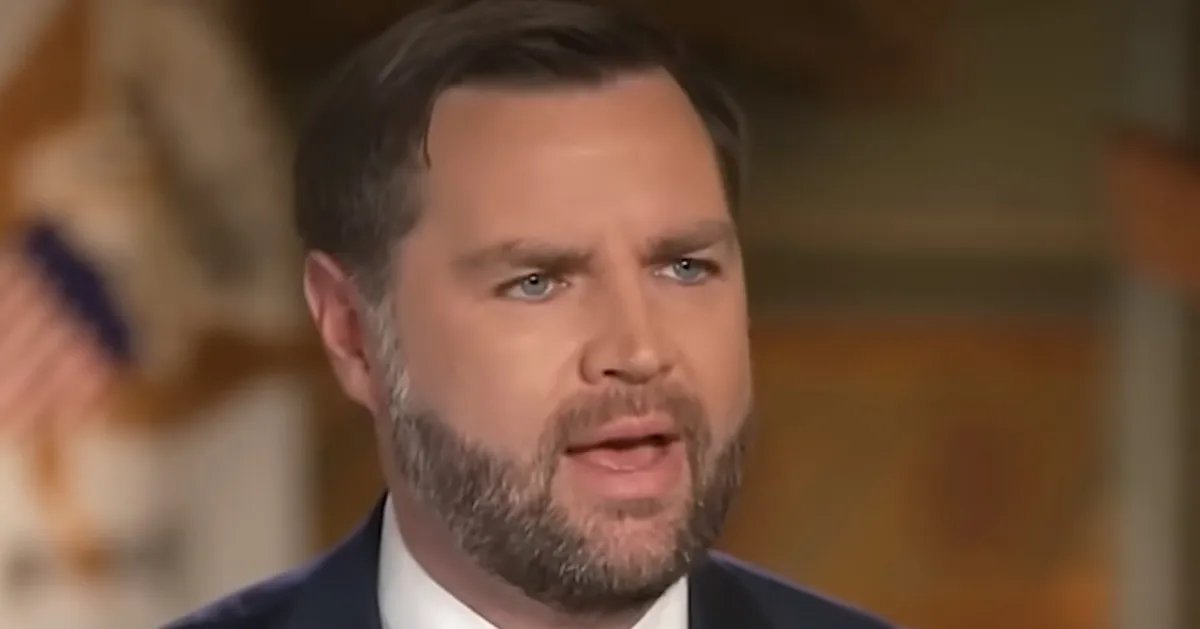
It was a chilly evening in Cincinnati, Ohio, the air thick with the scent of brewing coffee and the low hum of political chatter. The local diner, usually a haven for friendly banter, was buzzing with a different kind of energy. All eyes were glued to their phones, scrolling through a viral video clip. That clip? None other than Ohio Senator JD Vance seemingly laughing about a hypothetical scenario involving the death of President Joe Biden. The reaction was swift and fierce. Across social media platforms, from X (formerly Twitter) to Facebook, the hashtag #VanceResign was trending, fueled by a wave of condemnation. The digital storm had broken, and JD Vance found himself squarely in the eye of it, facing accusations of insensitivity and disrespect. It begs the question: where is the line between political satire and outright cruelty? This situation highlights the volatile nature of political discourse in the digital age, where a single moment can be amplified and dissected under the unforgiving lens of public opinion. The incident raises serious concerns about the level of civility and empathy expected from elected officials, especially given the already fraught political climate. The controversy surrounding JD Vance’s remarks underscores the power of social media to shape public perception and hold individuals accountable for their words and actions, even in what might have been intended as a lighthearted setting.
The clip, originating from a recent campaign event (as if he needed *more* attention), captured Vance’s reaction to a comment made by someone in the audience. The exact context is still being debated, but the general gist was a speculative “what if” scenario involving the sitting president’s demise. While the initial remark may have been tasteless in itself, it was Vance’s subsequent laughter that truly ignited the firestorm. People were not only appalled by the thought, but by his reaction to it. The video quickly spread like wildfire, prompting immediate and widespread criticism from both sides of the political aisle. This isn’t just a Republican vs. Democrat thing, you know? There are basic standards of decency!
The situation is further complicated by Vance’s position as a prominent figure within the Republican party and his past writings often touching on themes of unity and American values. The apparent dissonance between his public persona and this perceived lack of empathy has only intensified the backlash. Many have taken to social media to express their disappointment and anger, accusing Vance of hypocrisy and a disturbing lack of judgment. This whole affair feels like a massive step backward in the already struggling efforts to foster more respectful and constructive dialogue in our political sphere. It leaves you wondering, what are our leaders really thinking?
Public Outrage and Social Media Backlash
The immediate aftermath of the video’s release saw a deluge of angry posts, comments, and tweets directed at JD Vance. Many users expressed their disgust and disappointment, calling the senator’s behavior “unacceptable” and “shameful.” The incident quickly transcended partisan lines, with individuals from across the political spectrum condemning Vance’s apparent lack of empathy.
One particularly viral tweet read: “As a Republican, I am utterly disgusted by JD Vance’s behavior. This is not what our party stands for. He should apologize immediately.” Another user commented on Facebook: “Regardless of your political views, laughing about someone’s death is simply wrong. This is a new low.” You really do see it all on social media these days.
The hashtag #VanceResign gained significant traction, with many calling for the senator’s resignation or at least a formal apology. Some users even pointed to Vance’s past statements about the importance of civility and respect in political discourse, highlighting what they saw as a blatant contradiction. The outrage reflects a growing sense of frustration with the increasingly polarized and often toxic nature of political debate.
Vance’s Response (or Lack Thereof)
As of yet, JD Vance has not issued a formal apology or statement directly addressing the controversy. His silence has only further fueled the anger and frustration of his critics. Some speculate that Vance’s team is adopting a “wait-it-out” strategy, hoping that the controversy will eventually fade from public memory. (Good luck with that!)
However, this approach carries significant risks. The longer Vance remains silent, the more the narrative is controlled by his detractors. Each passing day without a response further cements the perception of Vance as insensitive and out of touch. I overheard someone saying they thought it was a tactic to try to make people forget about it. Could that be the case?
Some of Vance’s supporters have come to his defense, arguing that the video was taken out of context or that he was simply reacting to a joke made by someone else. These defenses, however, have done little to quell the widespread outrage. Honestly, it’s hard to defend something like that. Even if it was just a reaction, it was a bad look.
Ethical Considerations and the Role of Public Figures
This incident raises important ethical questions about the responsibilities of public figures, particularly in the age of social media. Elected officials are held to a higher standard of conduct, and their words and actions are subject to intense scrutiny. It’s the price you pay, right?
The Line Between Humor and Insensitivity
One of the central debates surrounding the controversy is the line between acceptable political satire and outright insensitivity. While humor can be a powerful tool for social commentary, it can also be deeply offensive if it crosses the line into personal attacks or trivializes serious issues. Many believe that the hypothetical death of a sitting president falls firmly into the latter category. It’s a matter of basic respect, really.
The Impact on Political Discourse
The incident also raises concerns about the impact of such behavior on the overall tone of political discourse. When elected officials engage in disrespectful or inflammatory rhetoric, it can contribute to a climate of polarization and division. It can also discourage civil debate and make it more difficult to find common ground on important issues. Nobody wants that, do they?
The Responsibility of Social Media Platforms
Social media platforms also bear a responsibility to address the spread of misinformation and hateful content. While these platforms provide a valuable space for public discourse, they can also be used to amplify harmful rhetoric and incite violence. Finding a balance between freedom of speech and responsible content moderation is a challenge, but it’s a challenge that must be addressed. It’s a tough tightrope to walk, no doubt about it.
Political Implications for JD Vance
The controversy surrounding JD Vance’s remarks could have significant political implications for his future career. While it’s difficult to predict the long-term impact, the incident has undoubtedly damaged his reputation and alienated some of his supporters.
Impact on Future Elections
The criticism could make it more difficult for Vance to win future elections, particularly in swing states or districts. Voters may be hesitant to support a candidate who is perceived as insensitive or lacking in empathy. It could even galvanize opposition voters.
Damage to Reputation
Even if Vance manages to weather this storm, the incident will likely linger in the public’s memory. The perception of him as insensitive could make it more difficult for him to build trust with voters and colleagues. That’s the thing about the internet, it never forgets!
Potential for a Primary Challenge
The controversy could also embolden potential primary challengers, who may see an opportunity to unseat Vance by appealing to voters who are turned off by his behavior. A strong primary challenge could significantly weaken Vance’s position within the Republican party. It all depends on who steps up to the plate.
The Wider Context of Political Divisiveness
The JD Vance controversy is not an isolated incident. It is part of a larger trend of increasing political divisiveness and polarization in the United States.
The Rise of Partisan Rhetoric
In recent years, partisan rhetoric has become increasingly common in American politics. Elected officials often engage in inflammatory language and personal attacks, further deepening the divides between different groups. It’s like they’re trying to make things worse sometimes!
The Impact of Social Media
Social media has amplified these trends, providing a platform for the rapid spread of misinformation and hateful content. The anonymity afforded by online platforms can embolden individuals to engage in behavior that they would never consider in person. It’s a whole different world online, isn’t it?
The Need for Civility and Respect
In this climate of divisiveness, it is more important than ever to promote civility and respect in political discourse. Elected officials have a responsibility to set an example for others and to engage in constructive dialogue, even when they disagree. It’s about finding common ground, not digging deeper trenches.
Conclusion
The JD Vance controversy serves as a stark reminder of the challenges facing American politics today. The incident has sparked outrage and debate, raising important questions about the responsibilities of public figures, the line between humor and insensitivity, and the impact of social media on political discourse. While the long-term consequences remain to be seen, the episode underscores the need for greater civility, empathy, and respect in our political conversations. It’s time to demand more from our leaders and to hold them accountable for their words and actions. It makes you wonder what the future holds for political discourse. Let’s hope it involves more listening and less… laughing at inappropriate times. It’s a long road ahead, but it’s a road we must travel together.
Frequently Asked Questions
| Why is JD Vance being criticized? | JD Vance is facing criticism for laughing about a hypothetical scenario involving the death of President Joe Biden. A video of his reaction went viral, leading to accusations of insensitivity and disrespect. |
| What are the potential consequences for JD Vance? | The potential consequences for JD Vance include damage to his reputation, difficulty in future elections, and potential primary challenges. |
| How has JD Vance responded to the criticism? | As of now, JD Vance has not issued a formal apology or statement directly addressing the controversy, which has further fueled the anger and frustration of his critics. |
| What ethical considerations are involved? | The ethical considerations involve the responsibilities of public figures, the line between humor and insensitivity, and the impact on political discourse. |
| How does this relate to the broader context of political divisiveness? | This incident is part of a larger trend of increasing political divisiveness and polarization in the United States, amplified by partisan rhetoric and social media. |
Important Notice
This FAQ section addresses the most common inquiries regarding the topic.