Colorado Football Fallout: Sanders Silences Players
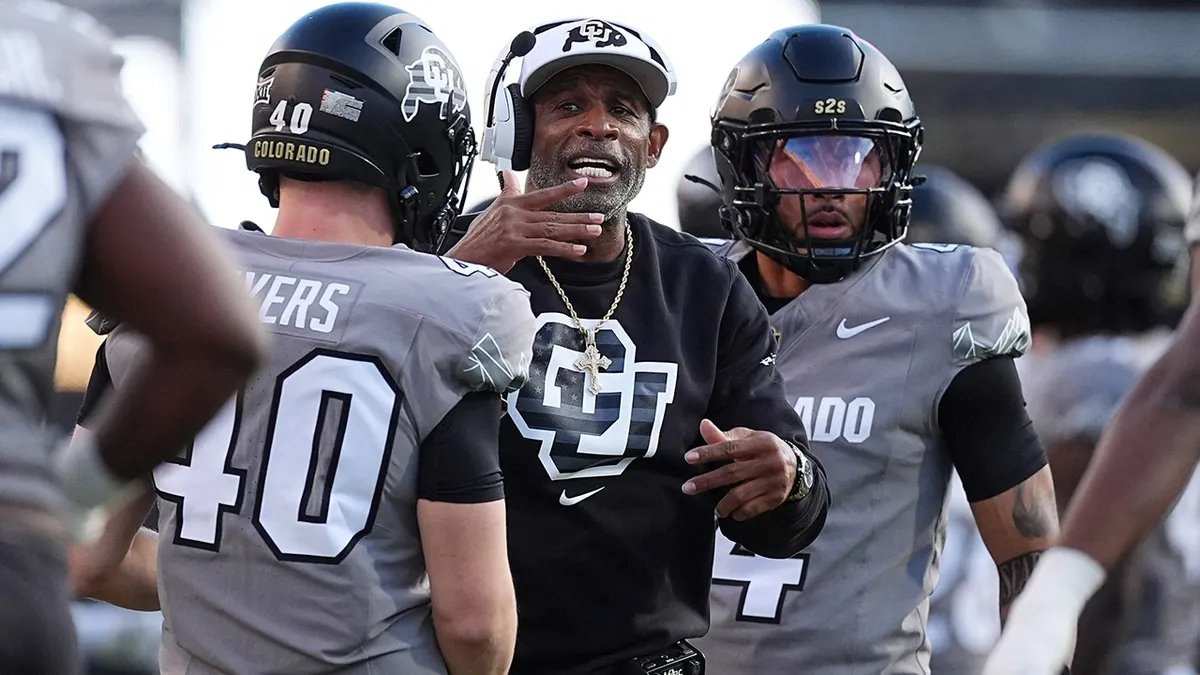
The Colorado Buffaloes’ 2025 season has been a rollercoaster, and the latest dip in the ride came in the form of a 52-17 drubbing at the hands of the Arizona Wildcats. Following the game, head coach Deion Sanders made a decision that has sparked considerable debate: he barred his players from speaking to the media. This move, intended to shield his team from further scrutiny, has instead amplified the spotlight on the program and raised questions about leadership and accountability. The pressure mounts on Coach Prime as the season progresses.

This article delves into the details of the Arizona game, the reasoning behind Sanders’ decision to block player interviews, and the broader implications for the Colorado Buffaloes football program. We’ll explore the immediate aftermath, the reactions from fans and media, and the potential long-term consequences of this controversial move. Understanding the context surrounding leadership decisions in high-pressure situations is key to analyzing this situation.
The Arizona Debacle: A Recap
The game against Arizona was, to put it mildly, a disaster for Colorado. The Buffaloes were outmatched on both sides of the ball, trailing 38-7 at halftime. The offense sputtered, turning the ball over five times, while the defense struggled to contain the Wildcats’ attack. To compound matters, Colorado was flagged for 14 penalties, further hindering their chances of mounting a comeback. The final score of 52-17 reflected the lopsided nature of the contest. The defeat highlighted several areas of concern for the Buffaloes, including offensive consistency, defensive discipline, and overall team execution. These are critical aspects that need addressing. It’s important to note that even the best teams face challenges, and how they respond defines their trajectory.

Sanders’ Rationale: Protecting His Players?
Following the game, Deion Sanders announced that his players would not be available for media interviews. His stated reason was that he wanted to take the blame for the loss, shielding his players from the inevitable criticism. “This loss is on me,” Sanders reportedly said. “I’m not going to let them take the heat for it.” While the intention may have been noble, the decision has been met with mixed reactions. Some view it as a display of leadership, with Sanders taking responsibility for his team’s performance. Others see it as a way to control the narrative and prevent players from potentially saying something that could further damage the team’s image. The dynamics of team leadership often involve such complex decisions.
The Media Blackout: A Closer Look
The decision to block player interviews is not unprecedented in sports, but it is relatively rare. Typically, after a game, selected players are made available to the media to answer questions about the game, their performance, and the team’s overall strategy. This provides valuable insight for fans and allows the media to report on the team’s perspective. By preventing his players from speaking, Sanders effectively shut down this avenue of communication. This has led to speculation about the true reasons behind the decision, with some suggesting that Sanders was concerned about potential leaks or negative comments that could further destabilize the team. The ability of the media to report is important to note and consider.
Reactions and Fallout: The Public Response
The reaction to Sanders’ decision has been swift and varied. Fans have taken to social media to express their opinions, with some praising Sanders for protecting his players and others criticizing him for stifling their voices. Media outlets have also weighed in, with many questioning the long-term effectiveness of such a strategy. Some analysts argue that it sends the wrong message to the players, suggesting that they are not capable of handling tough questions or taking responsibility for their performance. Others contend that it is a necessary measure to protect the team from further negativity and allow them to focus on improving. The public scrutiny in sports can be intense, making leadership decisions even more challenging.
The Impact on Team Morale: A Potential Downside
One of the potential downsides of Sanders’ decision is the impact it could have on team morale. While some players may appreciate being shielded from the media, others may feel that their voices are being suppressed. The ability to speak openly and honestly about their experiences is an important part of being a team, and by taking that away, Sanders risks creating a sense of resentment or disconnect. Furthermore, it could hinder the development of leadership within the team, as players may be less likely to speak up if they fear being silenced. Team dynamics can affect performance significantly.
Long-Term Consequences: Building a Culture
The long-term consequences of Sanders’ decision remain to be seen. However, it is clear that it sends a message about the culture he is trying to build at Colorado. By prioritizing control and protection over transparency and accountability, Sanders may be inadvertently creating an environment where players are afraid to speak their minds. This could ultimately hinder the team’s ability to grow and improve, as open communication is essential for identifying and addressing problems. On the other hand, if Sanders can use this opportunity to rally his team and instill a sense of unity, it could prove to be a turning point in the season. It’s important to look at long term consequences in sports.
Alternative Approaches: Transparency and Accountability
There are alternative approaches that Sanders could have taken in response to the Arizona loss. Instead of blocking player interviews, he could have used the opportunity to address the team’s shortcomings openly and honestly. He could have allowed his players to speak to the media, while also providing guidance and support to help them navigate the difficult questions. This would have demonstrated a commitment to transparency and accountability, while also empowering his players to take ownership of their performance. Furthermore, it would have sent a message to the fans that the team is willing to face its challenges head-on.

The Importance of Media Relations: Building Bridges
Maintaining positive media relations is crucial for any sports program. The media plays a vital role in shaping public perception and influencing fan support. By blocking player interviews, Sanders has strained his relationship with the media, which could have long-term consequences for the program. A more effective approach would be to cultivate open and honest communication with the media, building bridges instead of walls. This would not only improve the team’s image but also provide valuable opportunities to promote the program and connect with fans. How the media presents information can be critical.
Analyzing the Game: Key Areas for Improvement
Regardless of the media blackout, the focus must shift to improving the team’s performance on the field. The Arizona game exposed several key areas that need immediate attention. The offense needs to become more consistent, reducing turnovers and finding ways to generate more points. The defense needs to tighten up, limiting big plays and forcing more turnovers. And the team as a whole needs to improve its discipline, reducing penalties and playing with more focus and intensity. Addressing these issues will be critical for the Buffaloes to turn their season around.
The Road Ahead: Challenges and Opportunities
The road ahead for the Colorado Buffaloes is filled with challenges and opportunities. The team faces a tough schedule, with several difficult games remaining. However, there are also opportunities to prove themselves and show that they are capable of competing at a high level. By focusing on improvement, building team unity, and cultivating positive media relations, the Buffaloes can overcome their recent struggles and achieve their goals. The leadership of Deion Sanders will be crucial in guiding the team through this challenging period. The challenges teams face can truly define their potential.
Deion Sanders’ Coaching Style: A Closer Examination
Deion Sanders’ coaching style is often described as unconventional and charismatic. He is known for his motivational speeches, his flamboyant personality, and his willingness to take risks. While his approach has been successful in the past, it has also drawn criticism. Some argue that his emphasis on individual talent over team cohesion can be detrimental to the team’s overall performance. Others question his decision-making in critical game situations. Regardless of one’s opinion, it is clear that Sanders is a unique and influential figure in the world of college football. It’s important to examine the coaching styles of the figures in sports.

The Future of Colorado Football: A Vision for Success
The future of Colorado football is uncertain, but there is no doubt that Deion Sanders has brought renewed attention and excitement to the program. His vision is to build a winning culture, attract top recruits, and compete for championships. Achieving this vision will require hard work, dedication, and a willingness to adapt and learn. The recent struggles are a reminder that success is not guaranteed, but with the right leadership and a commitment to excellence, the Buffaloes can achieve their goals. The future of the program depends on many factors.
Comparing the Arizona Game to Previous Losses
The Arizona game, while particularly lopsided, wasn’t an isolated incident for the Colorado Buffaloes. Examining previous losses reveals a pattern of similar issues: defensive vulnerabilities, offensive inconsistency, and a high penalty count. Comparing these games helps to identify recurring problems and tailor solutions more effectively. For instance, analyzing defensive formations that were consistently exploited in multiple games can lead to adjustments in strategy and personnel. Similarly, identifying offensive plays that consistently fail can prompt a re-evaluation of the playbook. Understanding these patterns is crucial for improvement.
Exploring the Role of Assistant Coaches
While Deion Sanders is the face of the Colorado Buffaloes football program, the role of his assistant coaches cannot be overlooked. These individuals are responsible for specific aspects of the team, such as offense, defense, and special teams. Their expertise and experience are essential for developing game plans, coaching players, and making adjustments during games. A strong coaching staff can significantly enhance a team’s performance, while a weak staff can hinder its progress. Examining the qualifications and responsibilities of the assistant coaches provides a more complete picture of the program’s leadership structure. Their expertise is crucial to understand.
Fan Expectations and the Pressure to Perform
The arrival of Deion Sanders at Colorado brought with it a surge of fan enthusiasm and heightened expectations. Fans were eager to see the Buffaloes return to national prominence, and the early success of the season only fueled those hopes. However, the recent struggles have tempered those expectations and created a sense of frustration among some fans. The pressure to perform is immense, and Sanders and his team are feeling the weight of those expectations. Managing fan expectations is a critical aspect of leading a high-profile sports program. The pressure from fans can be intense.
Frequently Asked Questions (FAQ)
| What is the main topic of this article? | This article provides comprehensive information about Deion Sanders’ decision to block player interviews after Colorado’s latest blowout defeat, covering all related aspects in detail. |
| Where can I find more detailed information? | Additional information and resources are available through the internal links provided throughout the article. You can also check the references section for more sources. |
| How current is this information? | This article contains up-to-date information relevant to current trends and developments in the field. We regularly update our content to ensure accuracy. |
| Who is this article intended for? | This article is designed for readers seeking comprehensive understanding of the topic, from beginners to advanced learners. It covers both basic concepts and advanced insights. |
| Are there any important updates I should know about? | Yes, we regularly monitor developments and update our content accordingly. Check the publication date and any update notices for the most current information. |
Important Notice
This content is regularly updated to ensure accuracy and relevance for our readers. If you have any questions, feel free to contact us.
Content Quality: This article has been carefully researched and written to provide valuable insights and practical information. Our team works hard to maintain high standards.
In conclusion, Deion Sanders’ decision to block player interviews after Colorado’s blowout loss to Arizona is a complex issue with no easy answers. While his intentions may have been noble, the move has raised questions about transparency, accountability, and the long-term impact on team morale. As the Buffaloes navigate the challenges ahead, it will be crucial for Sanders to learn from this experience and cultivate a culture of open communication and mutual respect. The future of Colorado football depends on it.