Clash of Titans: Maher and O’Reilly in Heated Exchange
It’s always interesting when two figures known for their strong opinions and, let’s be honest, sometimes controversial statements, go head-to-head. Recently, Bill Maher and Bill O’Reilly, both well-known names in the political commentary world, found themselves in a rather spirited debate, shall we say, during an episode of “Real Time with Bill Maher.” The exchange, which touched on the Democratic Party, the “far-left wing,” and, well, each other’s careers, sparked a lot of chatter online. Honestly, it felt like a classic showdown.
The conversation started innocently enough, focusing on recent election results and shared concerns about certain political ideologies. But, as you might expect with these two personalities, it quickly escalated. O’Reilly suggested that Maher was “disenchanted with the far-left wing of the Democratic Party,” a sentiment Maher has expressed before. They both seemed to agree that some progressive ideas have, in their view, “poisoned the well” for the Democratic Party. But the agreement didn’t last for long.
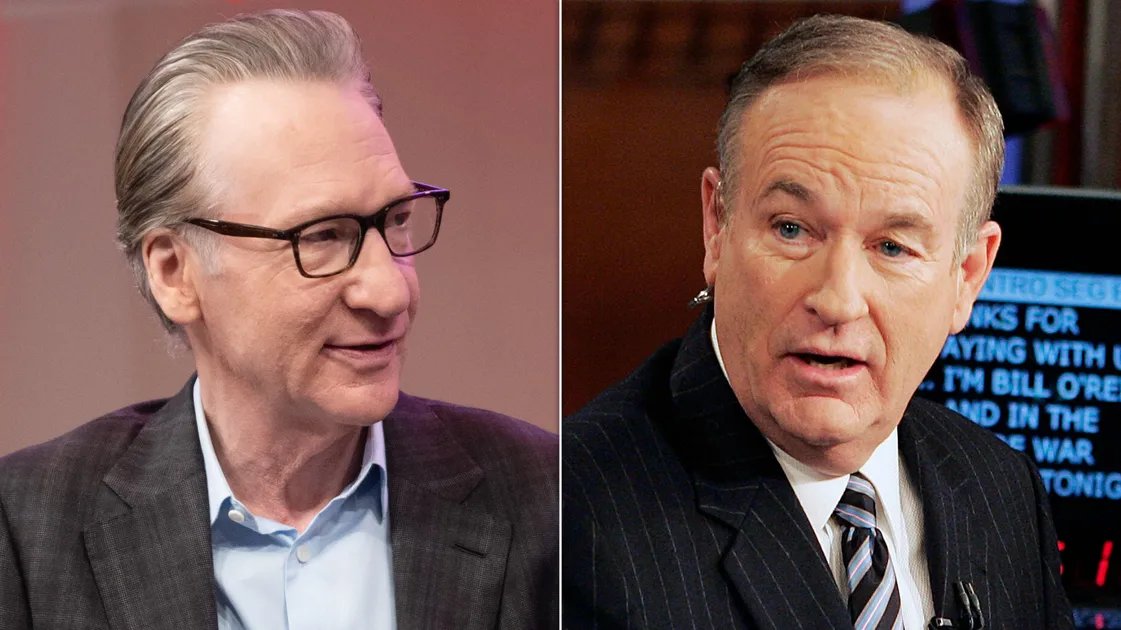
The tension really ramped up when O’Reilly began discussing what he termed “fringe garbage that Americans don’t want,” referring to certain progressive policies. Maher, while seemingly agreeing with the underlying sentiment, took issue with the phrasing. And that’s when things got personal. I mean, really personal. Maher, in a move that many saw as a jab at O’Reilly’s past, retorted, “Well, I’m still on the air and you’re not.”
O’Reilly, of course, didn’t let that slide. He acknowledged the remark with a smile and a dismissive wave, clearly indicating that he anticipated such a comment. But the exchange highlighted a significant difference in their current positions. O’Reilly’s departure from Fox News in 2017, following serious allegations, is no secret. It’s a shadow that hangs over his career. Maher, on the other hand, remains a prominent figure on HBO, continuing to host “Real Time” and offer his often-controversial takes on current events.
The Backstory: O’Reilly’s Departure from Fox News
To understand the full weight of Maher’s comment, it’s important to remember why O’Reilly is no longer on Fox News. In 2017, a New York Times report detailed numerous allegations of sexual harassment against O’Reilly, revealing that Fox News and O’Reilly himself had paid out millions of dollars in settlements to address these complaints. The details were, frankly, pretty damning, and the fallout led to his termination. It’s a chapter in his career that he’d probably rather forget, but it’s also a key part of the context for this on-air exchange.
It feels like, in moments like these, you see the raw dynamics of power and influence at play. For O’Reilly, who once held a dominant position in cable news, being on the receiving end of such a comment must be a stark reminder of how things have changed. For Maher, it was a chance to assert his continued relevance and, perhaps, take a dig at a former rival.
The Political Undercurrents: What Were They Really Arguing About?
Beyond the personal jabs, the argument between Maher and O’Reilly also reflected deeper disagreements about the state of American politics, especially within the Democratic Party. Both men, despite their different backgrounds and perspectives, seem to share a concern about the direction of the left. They worry that certain progressive policies and ideologies are alienating moderate voters and hurting the party’s chances of success.
This is a debate that’s been raging within the Democratic Party for years. On one side, you have those who argue for a more pragmatic, centrist approach, focusing on issues that appeal to a broad range of voters. On the other side, you have those who advocate for bolder, more progressive policies, even if they risk alienating some moderates. The tension between these two factions is a constant source of conflict and debate, and it’s something that figures like Maher and O’Reilly often capitalize on in their commentary. You know, for ratings!
The reference to New York City Mayor-elect Zohran Mamdani and democratic socialism highlights this divide. Both Maher and O’Reilly expressed disapproval of these figures and ideologies, suggesting that they represent a dangerous shift to the left. This kind of criticism is common from conservatives, but it’s also increasingly heard from more moderate voices within the Democratic Party who fear that the party is becoming too radical.
Honestly, it’s a complex issue with no easy answers. The Democratic Party faces a challenge in trying to appeal to both its progressive base and more moderate voters. It’s a balancing act that requires careful consideration and a willingness to compromise. But, as the exchange between Maher and O’Reilly shows, finding common ground can be difficult, especially when strong personalities and deeply held beliefs are involved. If that sounds confusing, don’t worry; it is!
But let’s be honest, this whole exchange also raises questions about the nature of political discourse in today’s media landscape. Are these kinds of heated arguments productive, or do they just contribute to the polarization and division that already plague our society? It’s something to think about.
The Role of Media in Shaping Political Discourse
The media plays a significant role in shaping public opinion and influencing political discourse. Figures like Bill Maher and Bill O’Reilly, with their large platforms and outspoken views, have a particularly powerful influence. But with that power comes responsibility. The way they frame issues, the language they use, and the guests they invite on their shows can all have a profound impact on how people understand and engage with politics.
When debates become personal and inflammatory, as they did in this exchange between Maher and O’Reilly, it can be tempting to dismiss them as mere entertainment. But it’s important to recognize that these kinds of exchanges can have real-world consequences. They can reinforce stereotypes, deepen divisions, and make it harder for people to have constructive conversations about important issues. Plus, at the end of the day, we all need to find a way to work together. For the latest team statistics, you can check the official team source.
It’s up to media figures to use their platforms responsibly and to promote dialogue rather than division. This doesn’t mean that they have to shy away from controversial topics or avoid expressing their opinions. But it does mean that they should strive to be fair, accurate, and respectful, even when they disagree with someone else’s views. I noticed that the news cycle is very repetitive.
Looking Ahead: Can We Expect More of the Same?
Given the personalities involved and the current political climate, it’s likely that we’ll see more exchanges like this between Maher and O’Reilly in the future. Both men are known for their willingness to speak their minds and to challenge conventional wisdom. And with so many divisive issues dominating the headlines, there will be plenty of opportunities for them to clash.
Whether these clashes will be productive or destructive remains to be seen. It depends on how they’re framed and how they’re received by the public. If they can spark thoughtful conversations and encourage people to think critically about important issues, then they could be valuable. But if they simply reinforce existing biases and deepen divisions, then they’ll do more harm than good.
For anyone wondering if this kind of exchange will influence viewers, it’s tough to say. What seems to be an emerging trend is the fusion of entertainment and informational content. If that concept sparks your interest, take a look into how Netflix is evolving to meet those needs.
Here’s the thing: the future of political discourse depends on all of us. We need to be critical consumers of media, willing to challenge our own assumptions and to listen to different points of view. We need to demand more from our media figures and to hold them accountable for the impact they have on our society. For more perspectives on political events, it’s worth checking out this complete guide to the latest Senate session.
The Maher-O’Reilly dynamic is just a microcosm of the larger challenges we face as a society. Finding common ground, engaging in respectful dialogue, and promoting critical thinking are essential if we want to overcome our divisions and build a more just and equitable future. It won’t be easy, but it’s worth the effort. Trust me, that can save you a lot of time.
Analyzing the Impact of Public Figures on Political Discourse
Public figures like Bill Maher and Bill O’Reilly hold significant sway in shaping public discourse. They wield considerable influence through their respective media platforms, reaching vast audiences with their perspectives on political and social issues. The nature of their influence, however, warrants careful consideration, especially in an era marked by increasing polarization. But it raises questions about the nature of political discourse in today’s media landscape.
On the one hand, these figures can serve as catalysts for critical thinking and open debate. By voicing controversial opinions and challenging conventional wisdom, they prompt viewers and listeners to question their own assumptions and consider alternative viewpoints. Their willingness to tackle complex issues, even if in a combative manner, can stimulate intellectual engagement and encourage a more nuanced understanding of the world. On the other hand, it can also be tempting to dismiss them as mere entertainment.
However, the potential downsides of their influence cannot be ignored. The tendency towards sensationalism and the prioritization of entertainment value over factual accuracy can contribute to the spread of misinformation and the erosion of trust in credible sources. Their often confrontational style, while engaging for some, can also exacerbate existing divisions and hinder productive dialogue. It feels like both sides were right.
It’s crucial to recognize that public figures like Maher and O’Reilly are not neutral observers; they have their own biases, agendas, and financial incentives. Therefore, consumers of media should approach their content with a healthy dose of skepticism and a critical eye, seeking out diverse perspectives and verifying information from multiple sources. You’ve probably heard that before.
The Role of Humor and Satire in Political Commentary
Humor and satire play a significant role in political commentary, often serving as a powerful tool for social critique and political activism. Figures like Bill Maher, known for their comedic style, use humor to expose hypocrisy, challenge authority, and provoke thought. Satire, in particular, can be a highly effective way to engage audiences and make complex issues more accessible.
However, the use of humor in political commentary also presents certain challenges. One risk is that humor can oversimplify complex issues, reducing them to simplistic caricatures and reinforcing stereotypes. Another is that humor can be misinterpreted, leading to confusion or offense. Additionally, the effectiveness of humor often depends on the audience’s existing knowledge and cultural context. I couldn’t help but think about that.
When done well, humor can be a powerful force for positive change. It can help to break down barriers, foster empathy, and encourage people to see the world in new ways. But when done poorly, it can perpetuate harmful stereotypes, trivialize important issues, and contribute to the spread of misinformation. Therefore, it’s essential for both creators and consumers of humorous political commentary to be mindful of the potential impact of their words and actions. It’s also important to recognize that these kinds of exchanges can have real-world consequences.
Bridging the Divide: Strategies for More Constructive Political Dialogue
In an increasingly polarized society, finding ways to bridge the divide and foster more constructive political dialogue is essential. This requires a multi-faceted approach that involves individuals, communities, and institutions. Here are some strategies that can help:
- Active Listening: Truly listening to understand other people’s perspectives, rather than just waiting for your turn to speak, is fundamental to building trust and fostering empathy.
- Seeking Common Ground: Focusing on areas of agreement, rather than dwelling on disagreements, can help to build bridges and create a foundation for collaboration.
- Respectful Communication: Engaging in respectful communication, even when disagreeing, is essential for maintaining civility and avoiding personal attacks.
- Critical Thinking: Encouraging critical thinking and media literacy can help people to evaluate information more objectively and resist manipulation.
- Promoting Diversity of Thought: Creating spaces for diverse perspectives and voices can help to challenge groupthink and foster a more nuanced understanding of complex issues.
By implementing these strategies, we can create a more inclusive and constructive political discourse, one that is based on mutual respect, understanding, and a commitment to finding common ground. These days, it’s not easy.
The Role of Social Media in Amplifying Political Discourse
Social media platforms have become increasingly influential in shaping political discourse. They provide a space for individuals to share their thoughts, opinions, and news articles with a broad audience, often bypassing traditional media gatekeepers. However, the impact of social media on political discourse is complex and multifaceted. Believe it or not, it’s had an impact.
On the one hand, social media can facilitate greater participation in political discussions, allowing marginalized voices to be heard and empowering individuals to engage with political issues in new ways. It can also serve as a powerful tool for organizing social movements and mobilizing political action.
On the other hand, social media can also contribute to the spread of misinformation, the amplification of extremist views, and the creation of echo chambers where individuals are primarily exposed to information that confirms their existing beliefs. The anonymity afforded by some social media platforms can also embolden individuals to engage in harassment and personal attacks, further polarizing political discourse.
Addressing these challenges requires a combination of technological solutions, media literacy education, and responsible social media usage. Platforms need to develop effective strategies for combating misinformation and hate speech, while users need to be critical consumers of information and engage in respectful online interactions. As our society becomes more reliant on this format, one must really learn how to read between the lines. By embracing new technologies, one can really revolutionize their workout, for example the rise of Ozempic.
Conclusion
The exchange between Bill Maher and Bill O’Reilly, while perhaps entertaining for some, highlights the challenges of political discourse in today’s media landscape. The clash of personalities, the deep divisions over political ideologies, and the temptation to engage in personal attacks all contribute to a climate of polarization and distrust. It’s surprising that things haven’t improved over time.
Overcoming these challenges requires a commitment to critical thinking, respectful communication, and a willingness to seek common ground. It’s up to media figures, political leaders, and individuals alike to promote a more constructive and inclusive political discourse, one that is based on facts, evidence, and a genuine desire to understand different perspectives. And that’s actually quite surprising.