The crisp morning air carried a scent of damp earth and pine needles, a familiar aroma that often signals a good harvest for those who venture into California’s lush forests after a refreshing rain. But this season, that familiar promise has curdled into a chilling dread. Just last week, I heard a story that sent shivers down my spine—a family, out for a peaceful hike in a state park, innocently gathered what they believed were edible fungi. Their evening meal, intended as a wholesome treat from nature, instead delivered them to the emergency room, fighting for their lives. This isn’t an isolated incident; it’s a tragic chapter in a rapidly unfolding crisis. California health officials have now issued an urgent warning to mushroom foragers across the state, a dire plea for caution after a series of severe illnesses and even fatalities stemming from a recent, deadly outbreak of mushroom poisoning. It seems the abundant rains have brought forth not just bounty, but also an insidious, silent killer lurking amongst the edible varieties.
The situation has become so critical that hospitals are reporting an unusual surge in cases, stretching their resources and alarming medical staff. You see, the problem isn’t just that people are eating poisonous mushrooms; it’s that some of the deadliest varieties mimic their harmless counterparts almost perfectly, making identification incredibly difficult for even moderately experienced foragers. Imagine the heartbreak of thinking you’ve brought home a gourmet delight, only to have it unleash a torrent of devastating toxins hours later. The sheer volume of recent incidents has led the California Department of Public Health (CDPH) to step forward with a public health advisory, reminding everyone that the thrill of the hunt is simply not worth the potentially fatal consequences. This isn’t just about a few isolated mistakes; it’s about a widespread public safety concern affecting anyone who might be tempted to gather wild mushrooms from the state’s verdant landscapes.
It’s a stark reminder that nature, while beautiful and generous, can also be unforgiving. The quiet woods, usually a place of solace and discovery, now hold a hidden danger. The warning specifically highlights species like the notorious Death Cap mushroom, or Amanita phalloides, a deceptively innocent-looking fungus responsible for the vast majority of mushroom-related fatalities globally, and terrifyingly, here in California too. Its appearance, often a pale green or yellowish cap, white gills, and a volva at the base, can easily be mistaken for edible species such as paddy straw mushrooms or even Caesar’s mushrooms by the untrained eye. This mimicry is precisely why the CDPH’s message is so crucial: the risks are immense, and the consequences, as we’ve tragically seen, can be irreversible.
The Silent Killer: Unmasking the Death Cap and Its Cousins
The heart of this crisis lies with specific fungal species, chief among them the infamous Death Cap mushroom, scientifically known as Amanita phalloides. It’s a truly insidious organism, responsible for approximately 90% of mushroom-related fatalities worldwide. When you look at it, it doesn’t scream “danger.” In fact, it often looks quite benign, even appealing, with its typically greenish-yellow cap, white gills, and a cup-like structure at its base. “It’s the ultimate wolf in sheep’s clothing,” remarked Dr. Elena Rodriguez, a mycologist at the University of California, Berkeley, during a recent radio interview. “People are drawn to its perfect form, mistaking it for a common edible variety, and by the time symptoms appear, the damage is already underway.”

The danger with Amanita phalloides and its equally deadly cousin, the Destroying Angel (Amanita virosa or Amanita ocreata, also found in California), lies in a group of toxins called amatoxins. These toxins are incredibly potent and, cruelly, they don’t cause immediate distress. You might eat a meal containing a Death Cap, feel fine for 6 to 12 hours, sometimes even up to 24 hours. This delay gives a false sense of security, allowing the toxins to silently begin their destructive work on the liver and kidneys. “It’s this delayed onset of symptoms that makes it so treacherous,” explained Sarah Chen, a nurse practitioner at a Bay Area hospital. “Patients often don’t connect their illness to the mushrooms they ate a day ago, which can delay critical treatment.” By the time the severe gastrointestinal distress begins – intense nausea, vomiting, diarrhea, and abdominal pain – the amatoxins have already inflicted significant, often irreversible, damage to vital organs, frequently leading to liver failure.
The Alarming Rise in Poisoning Incidents
This year, California has witnessed a frightening uptick in mushroom poisoning cases, prompting the current public health advisory. While exact statewide numbers are still being compiled, anecdotal evidence from emergency rooms and Poison Control centers paints a grim picture. “We’ve seen a noticeable surge in calls related to mushroom ingestions, far more than in typical years,” stated Dr. Michael Green, Medical Director for California Poison Control System. “Some cases have been mild, but we’ve had several critically ill patients, including multiple requiring liver transplants and sadly, some fatalities.”

Consider the recent case of John and Maria, a couple from Sonoma County who thought they were enjoying a delicious wild hen-of-the-woods. Within 18 hours, both were violently ill, experiencing severe cramping and vomiting. “We thought it was just a bad stomach bug at first,” John recounted from his hospital bed, his voice weak. “But then Maria started turning yellow, and that’s when the doctors told us. It wasn’t hen-of-the-woods. It was a Death Cap.” Their story, thankfully, has a hopeful outlook as they are recovering, but it underscores the terrifying reality of mistaking even one deadly mushroom for an edible one. This isn’t just a clinical issue; it’s deeply personal, affecting families and communities who simply wanted to connect with nature’s bounty.
What Health Officials Are Urging: A Clear Call for Caution
In response to this alarming trend, California health officials are not mincing words. Their primary message is unequivocal: “When in doubt, throw it out.” This simple adage, often repeated, holds life-or-death weight when it comes to wild mushrooms. The CDPH has advised everyone, from seasoned foragers to curious newcomers, to exercise extreme caution. They emphasize that there is no simple field test or rule of thumb to distinguish poisonous mushrooms from edible ones; myths like “if animals eat it, it’s safe” or “if it peels, it’s edible” are dangerously false and should be ignored entirely.

“Our message is very clear: unless you are absolutely, 100% certain of a mushroom’s identity, do not consume it,” urged Dr. Karen Smith, Director of the CDPH. “Even experienced foragers can make mistakes, and the consequences of those mistakes can be catastrophic.” The advisory also stressed the importance of knowing the local flora. California’s diverse ecosystems mean a wide variety of fungi, some unique to the region, and not all field guides are comprehensive enough for local specifics. The CDPH encourages anyone considering foraging to consult local mycological societies or experts, not just online forums, to minimize risk. It’s a plea for responsibility, urging individuals to prioritize safety over a potentially risky culinary adventure.
The Allure and Peril of Mushroom Foraging
Why, you might wonder, do people even bother with wild mushrooms when the risks are so high? The answer lies in a blend of culinary delight, a connection to nature, and the thrill of discovery. For many, foraging is a cherished tradition, a way to connect with the land and harvest food that’s both free and often superior in flavor to store-bought varieties. There’s a certain magic in finding a cluster of chanterelles hidden beneath fallen leaves or spotting a majestic porcini. “My grandfather taught me to forage,” shared Miguel, a long-time mushroom enthusiast from Mendocino. “It’s about respect for nature, learning its secrets. But even he always said, ‘if you’re not sure, don’t touch it.'”
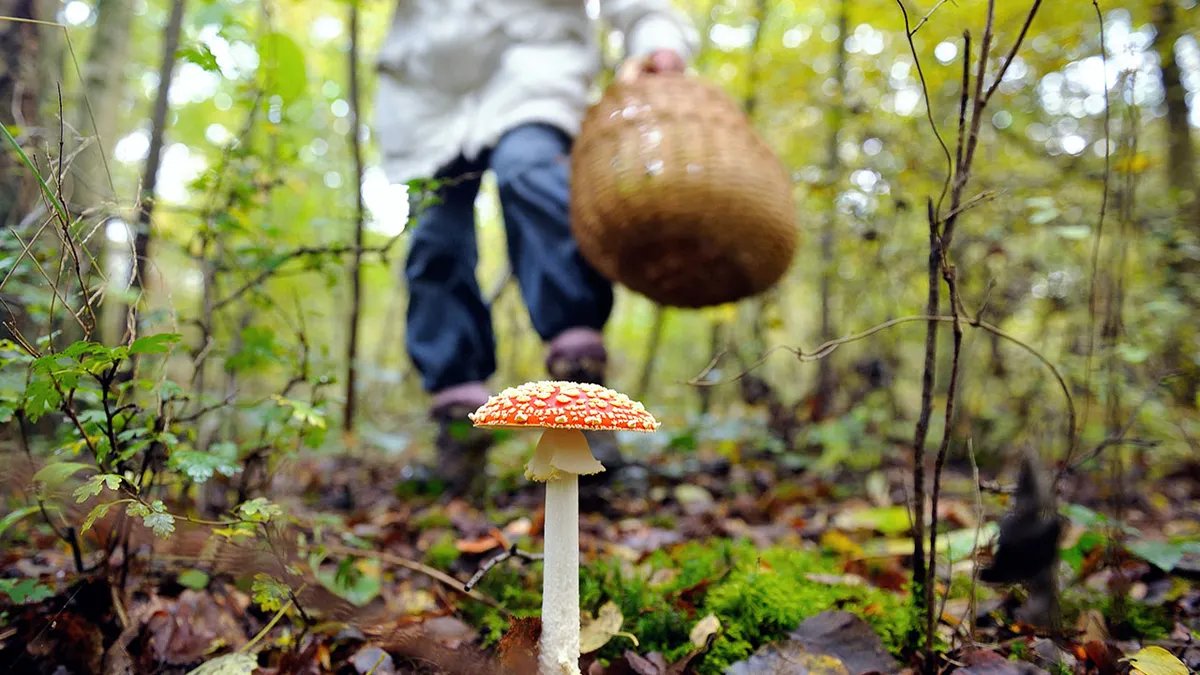
However, this deeply rooted practice clashes head-on with the stark reality of toxic fungi. The sheer number of mushroom species, combined with their often subtle differences, creates a minefield for the uninitiated. A slight variation in gill attachment, cap color, or the presence (or absence) of a ring can be the difference between a gourmet meal and a life-threatening emergency. The allure is strong, no doubt, but the responsibility to identify correctly is even stronger. It’s a hobby that demands absolute certainty, where a single misstep can change everything.
Recognizing Symptoms and Taking Immediate Action
Given the significant risks, it’s absolutely vital for everyone, especially those who spend time outdoors, to be aware of the symptoms of mushroom poisoning and, more importantly, what to do if an ingestion is suspected. The symptoms can vary widely depending on the type of mushroom ingested, but for the most dangerous varieties like the Death Cap, they typically unfold in stages:
- Initial Phase (6-24 hours post-ingestion): Often symptom-free, or mild gastrointestinal upset. This is the deceptive “lag phase” where toxins are silently damaging organs.
- Gastrointestinal Phase (12-48 hours post-ingestion): Severe abdominal pain, nausea, vomiting, and profuse diarrhea. This can lead to dehydration and electrolyte imbalances.
- False Recovery Phase (2-4 days post-ingestion): Symptoms may temporarily improve, leading victims to believe they are recovering. This is extremely dangerous, as liver and kidney damage continues to progress.
- Hepato-renal Failure Phase (3-6 days post-ingestion): Liver and kidney function rapidly deteriorates, leading to jaundice, confusion, coma, and potentially death without aggressive medical intervention, often including a liver transplant.
“If you suspect that you, or someone you know, has eaten a poisonous mushroom, do not hesitate for a second,” urged a dispatcher from the California Poison Control System (CPCS) during a public service announcement. “Call 911 immediately or contact CPCS at 1-800-222-1222. Time is absolutely critical for effective treatment.” She also stressed the importance of collecting a sample of the mushroom, if possible, as identification by experts can guide treatment. Even a small piece or a photograph can be invaluable to medical professionals.
Practicing Safe Foraging: Knowledge is Your Best Defense
So, how can you enjoy the bounty of California’s forests without risking your life? The answer lies in rigorous education and adherence to strict safety protocols. This is not a casual hobby for the faint of heart or the poorly informed.

Here are crucial tips for safe foraging:
- Identify, Identify, Identify: Never eat a mushroom unless you are 100% certain of its identity. Use multiple reliable field guides, and cross-reference characteristics.
- Consult Experts: Join a local mycological society. These groups often organize forays with experienced guides who can teach you safe identification in person.
- The “When in Doubt, Throw it Out” Rule: This cannot be stressed enough. If there’s any uncertainty, no matter how small, discard the mushroom.
- Avoid Young Mushrooms: Many species are harder to identify when young, as their distinguishing features may not yet be fully developed.
- Be Wary of Mimics: Learn about common poisonous look-alikes for the edible species you are seeking. The Death Cap, for instance, has several dangerous doppelgangers.
- Proper Storage and Preparation: Keep different species separate in your basket. Never mix unknown mushrooms with known edibles. Always cook wild mushrooms thoroughly; some edible species can cause mild upset if eaten raw.
- Avoid Roadside and Polluted Areas: Mushrooms can absorb toxins from their environment, so avoid foraging near busy roads, industrial sites, or treated lawns.
- Teach Children: Educate children about the dangers of eating wild mushrooms and instruct them never to put an unknown mushroom in their mouth.
For beginners, perhaps consider cultivating your own mushrooms at home. Varieties like oyster mushrooms or shiitake are relatively easy to grow and offer a safe, delicious alternative to wild foraging. It removes all the guesswork, and frankly, some of the anxiety.
A Broader Ecological Context: Why Now?
This recent surge in poisonings isn’t just a matter of human error; it’s also deeply tied to environmental factors. California has experienced significant rainfall recently, following years of drought. This abundance of moisture, combined with the mild temperatures often seen in late fall and early winter, creates ideal conditions for many fungi to flourish. “We’ve had fantastic mushroom growing conditions this year,” commented a park ranger in the Santa Cruz Mountains, observing the vibrant forest floor. “The woods are just bursting with them. Unfortunately, that includes the toxic ones.”
The prolific growth means more opportunities for both seasoned foragers and novices to encounter and potentially misidentify deadly species. It’s a reminder of the delicate balance of ecosystems and how shifts in weather patterns can have unforeseen consequences for public health. As our climate changes, we might see more unpredictable fungal blooms, making vigilance and education even more critical for those who interact with the natural world.
The urgent warning from California health officials is a solemn reminder of the hidden dangers that can lurk in even the most beautiful natural settings. While the allure of foraging for wild mushrooms is undeniable, the risks associated with misidentification are simply too high to ignore. The tragic reality of the recent deadly outbreak underscores the profound importance of caution, education, and respect for the natural world. It’s a call for us all to be more informed, more careful, and to always, always err on the side of safety. Because in the quiet, damp corners of our forests, what might appear to be a delicious treat could, in fact, be a silent, deadly adversary. Let’s hope this critical advisory prevents further sorrow and encourages a safer, more informed approach to nature’s enigmatic bounty.
Frequently Asked Questions
| What is the urgent warning from California health officials about? | California health officials have issued an urgent warning to mushroom foragers due to a deadly outbreak of mushroom poisonings. Recent wet weather has led to a prolific growth of both edible and highly toxic wild mushrooms, including the lethal Death Cap, causing a surge in severe illnesses and fatalities across the state. |
| Why are Death Cap mushrooms (Amanita phalloides) so dangerous? | Death Cap mushrooms are extremely dangerous because they contain potent amatoxins that cause severe liver and kidney damage, often leading to organ failure and death. Their toxicity is compounded by a delayed onset of symptoms (6-24 hours), which gives a false sense of security and delays critical medical treatment. |
| What are the key symptoms of mushroom poisoning and what should you do? | Symptoms typically include severe abdominal pain, nausea, vomiting, and diarrhea, often appearing hours after ingestion. There might be a temporary “false recovery” before severe organ damage manifests. If you suspect mushroom poisoning, call 911 or the California Poison Control System at 1-800-222-1222 immediately. If possible, bring a sample of the mushroom for identification. |
| What safety measures should mushroom foragers take in California? | Mushroom foragers should adhere strictly to the “When in doubt, throw it out” rule. Only consume mushrooms if you are 100% certain of their identification using multiple reliable field guides and expert consultation. Avoid consuming young mushrooms, learn about poisonous look-alikes, and consider joining local mycological societies for guidance. |
| How does recent weather contribute to the mushroom poisoning outbreaks? | Significant rainfall following previous dry spells, combined with mild temperatures, creates ideal conditions for many mushroom species, including toxic ones like the Death Cap, to flourish. This increased abundance means a higher likelihood of foragers encountering and potentially misidentifying dangerous varieties, leading to more poisoning incidents. |
Important Notice
This FAQ section addresses the most common inquiries regarding the topic.