The air felt thick with anticipation, almost as tangible as the digital dust motes swirling around our Guardians in the Tower. For months, a looming shadow had been cast over the glittering expanse of the Last City – not from a new cosmic threat in Destiny 2, but from a very real-world courtroom drama. Players had been buzzing, developers had been quiet, and the entire industry held its breath, wondering how the highly publicized Bungie Destiny 2 Red War lawsuit would unfold. Would it drag on for years, a draining financial and creative burden on the beloved studio? Would it set a difficult precedent for intellectual property in gaming? Then, suddenly, a ripple went through the community: news broke of a settlement. (A collective sigh of relief, I imagine, echoed across many gaming setups.) It wasn’t the dramatic court battle some had perhaps morbidly anticipated, but a quiet resolution, marking the end of a contentious chapter that had captivated onlookers far beyond the confines of the game itself. This wasn’t just another legal squabble; this was about the very fabric of creativity, ownership, and the fine lines developers walk every day. For a studio like Bungie, deeply invested in its unique universes, and for fans who cherish every detail of those worlds, understanding this settlement is crucial. It’s a moment that could subtly, yet profoundly, reshape how games are made and how creative assets are protected moving forward. The future of Destiny 2, and perhaps even the wider gaming landscape, just got a little clearer.
The Genesis of a Galactic Legal Battle
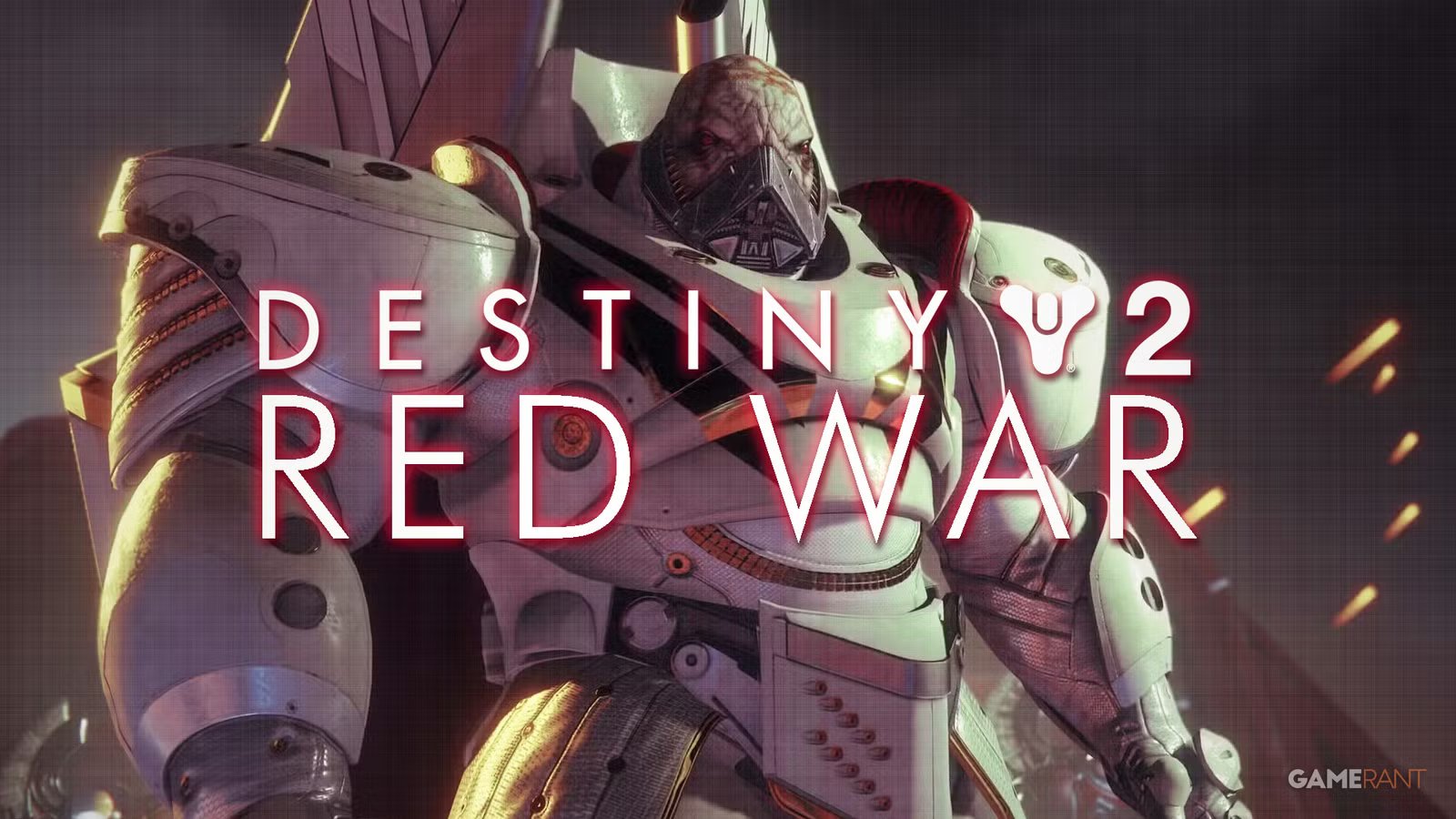
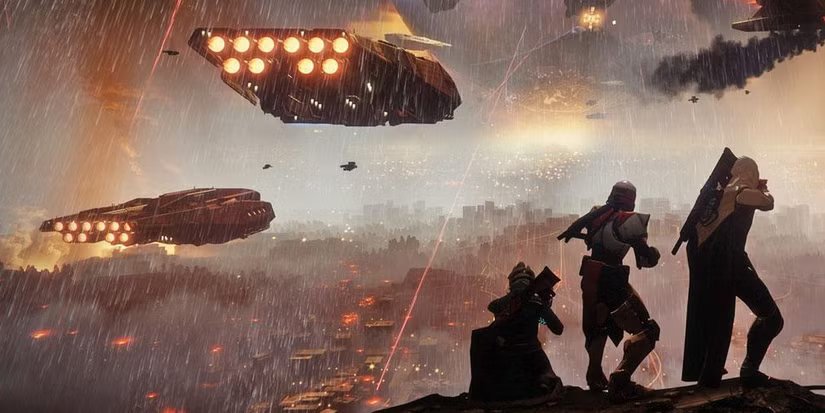
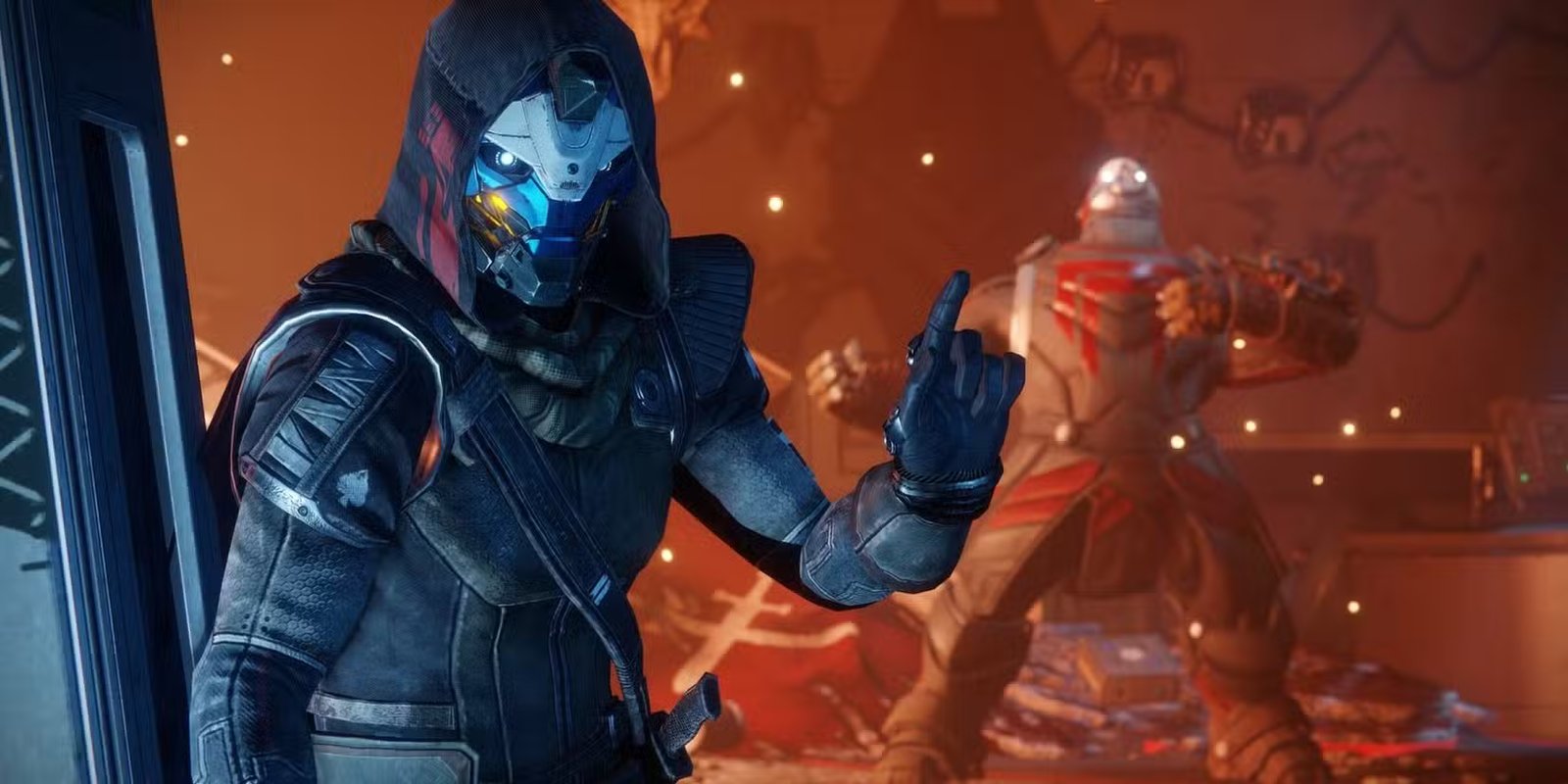
Remember the grand, cinematic opening of Destiny 2? The towering Ghaul, the crushing defeat, the desperate flight from the burning Last City? That was the heart of the “Red War” campaign, an iconic narrative that kicked off one of the most ambitious live-service games ever created. Years later, that campaign, along with several other older expansions, was controversially “vaulted” – removed from the active game to manage file sizes and streamline the new player experience. (Many of us still miss those original story beats, don’t we?) It was against this backdrop that the Red War lawsuit emerged, not from a player discontent with content removal, but from an individual alleging significant copyright infringement.
The lawsuit, brought against Bungie, claimed that specific creative elements, assets, or perhaps even narrative themes within the original Destiny 2 Red War campaign bore an uncanny and unlawful resemblance to the plaintiff’s own intellectual property. The details, often veiled in legal jargon and court filings, hinted at a complex web of alleged similarities, forcing industry watchers to consider the nuanced boundaries between inspiration, coincidence, and outright copying. This wasn’t a frivolous claim; it touched upon the very foundation of creative ownership in a digital age, making it an incredibly significant case for the entire game development community. The initial reactions were a mix of surprise and concern. Could such a massive studio genuinely be caught in such a bind? What would this mean for future content? The uncertainty was palpable.
Unpacking the Allegations: Art, Code, and Controversy
The heart of the matter lay in the specific elements that the plaintiff alleged were infringed upon. While precise details remain under wraps due to the confidential nature of the settlement, industry speculation often pointed to everything from character designs, environmental aesthetics, specific weapon concepts, or even subtle narrative beats. Imagine the painstaking work that goes into creating a world as rich and detailed as Destiny 2 – every texture, every line of dialogue, every piece of lore. For someone to claim that a significant portion of that was not original must have been a gut punch to the creative teams at Bungie.
Initially, Bungie adopted a strong defensive posture, as any major studio would. Their legal teams were undoubtedly meticulously sifting through every piece of documentation, internal asset creation timelines, and concept art to demonstrate originality. It’s a delicate dance, trying to prove that your creative process, which often involves drawing inspiration from a vast well of sources, is distinct from actual infringement. “Everyone watches everyone else in this industry,” an anonymous developer from a rival studio once told me over a lukewarm coffee. “You see trends, you get inspired by amazing concepts, but outright copying someone’s unique work? That’s a different game entirely. And the lines get blurrier than you’d think.” This sentiment perfectly encapsulates the tightrope walk involved in modern game development. The case brought forth intense discussions about the subjective nature of artistic expression and the objective standards of copyright law.
Behind Closed Doors: The Path to Settlement
The path to a settlement is rarely straightforward. Legal battles, especially those involving complex intellectual property and large corporations, can drag on for years, consuming vast amounts of time, money, and emotional energy. The sheer cost of litigation – lawyer fees, expert witnesses, court filings, discovery processes – can be astronomical. For a company like Bungie, even one now owned by Sony, these resources are finite and could otherwise be invested directly into improving their games. So, when the news of a Bungie Destiny 2 Red War lawsuit settlement finally arrived, it wasn’t just a win for one side; it was a pragmatic solution that likely benefited both.
Why settle instead of going to a full trial? Well, think about it. A trial is a gamble. There’s no guarantee of victory, and even if you win, the public perception, the distraction, and the sheer expense can be damaging. “Settlements often mean both sides want to avoid the uncertainty and expense of a full trial, especially when IP is involved,” explained Sarah Jenkins, a prominent legal expert specializing in digital media, during a recent online panel. “It’s a strategic decision to minimize risk, protect reputation, and allow the core business – in this case, making incredible games – to continue without hindrance.” For Bungie, with major expansions like “The Final Shape” on the horizon, diverting resources to a prolonged court battle might have been deemed an unacceptable risk to their development pipeline and community goodwill. While the specific financial terms of the settlement remain confidential, it’s safe to assume it involved a monetary sum and potentially other agreements that satisfied both parties, allowing them to move forward.
Immediate Repercussions and Community Reaction
When the news of the settlement finally trickled down to the player base, the reaction was, predictably, a mix of emotions. There was a collective sigh of relief, yes. Many players had grown weary of the legal drama overshadowing updates and game news. “Honestly, I’m just glad it’s over,” commented a long-time Destiny player, known as “Lightbearer92” on a popular forum. “Now they can focus 100% on making the game better, especially with The Final Shape coming up. That’s what we really care about.” This sentiment resonated widely. The relief was palpable; a potential distraction for the developers of our beloved space opera had been removed.
However, there was also an underlying current of curiosity and, for some, a touch of cynicism. What exactly did the settlement entail? Was it an admission of guilt, or simply a strategic move? The confidential nature of such agreements often leaves room for speculation, which can sometimes be more damaging than a clear public verdict. On social media, discussions flared. Some worried about what this might mean for the precedent of IP ownership in gaming, while others simply celebrated the end of a potentially disruptive saga. For Bungie, the immediate impact is a clearer path forward. The dark cloud has lifted, allowing them to redirect their focus fully onto game development, community engagement, and the upcoming content that millions of Guardians are eagerly awaiting. It removes a significant talking point that could have otherwise overshadowed their ongoing projects, like the highly anticipated “The Final Shape” expansion and their new IP, “Marathon.”
The Broader Implications for the Gaming Industry
Beyond the immediate relief for Bungie and its players, this settlement sends significant ripples through the entire gaming industry. It serves as a stark reminder of the ever-present challenges surrounding intellectual property in an increasingly digital and interconnected world. The lines between inspiration, homage, and outright infringement are often incredibly blurry, and this case highlights just how perilous that ambiguity can be for creators of all sizes.
Could this settlement set a precedent? Perhaps not directly in legal terms, as settlements avoid judicial rulings, but certainly in practical terms. It will likely encourage greater vigilance from game studios, both large and small, regarding their asset creation and licensing processes. Developers might become even more meticulous in documenting their creative journeys, from initial concept art to final implementation, to build a robust defense against potential future claims. The role of the DMCA (Digital Millennium Copyright Act) and other copyright protections will also likely come under renewed scrutiny. Are current laws adequately equipped to handle the rapid pace of digital content creation and distribution? This case implicitly asks those questions. For smaller indie developers, the message is clear: protect your work, document everything, and be incredibly careful when drawing from external sources. For larger studios, it reinforces the need for extensive legal review and risk assessment at every stage of development. The “Content Vault” issue, where old game content is removed, also adds another layer of complexity. Could the removal of content influence legal claims? It’s certainly a topic for discussion in legal circles.
Looking Ahead: Bungie’s Future and IP Vigilance
So, what does the resolution of the Destiny 2 Red War lawsuit mean for Bungie’s long-term trajectory? Firstly, it clears the decks. With this legal entanglement behind them, the studio can fully dedicate its considerable talent and resources to what it does best: crafting compelling worlds and engaging gameplay. This is particularly crucial as they approach the culmination of the decade-long Light and Darkness saga in Destiny 2 with “The Final Shape,” and simultaneously work on new ventures like “Marathon.” The focus will undoubtedly shift entirely back to these ambitious projects.
Secondly, this incident will almost certainly lead to a heightened sense of IP vigilance within Bungie. We might see even stricter internal review processes for all creative assets, from concept art to in-game models and story elements. They’ll likely enhance their vetting procedures to ensure every piece of intellectual property is either entirely original or properly licensed, minimizing risks of future claims. This proactive approach could become a new industry standard. Think about it: creating a game like Destiny 2 involves thousands of assets, countless hours of development, and a sprawling narrative. Managing the origins and ownership of every single element is a monumental task, but this settlement is a powerful reminder of its absolute necessity. Bungie’s commitment to protecting their own unique IPs, like Destiny, will remain paramount, but this experience will undoubtedly inform their approach to how they interact with external ideas and inspirations moving forward. The community, too, will likely remain more attuned to these legal undercurrents, understanding that the health of their favorite games isn’t just about good gameplay, but also sound legal footing.
The Bungie Destiny 2 Red War lawsuit settlement isn’t just a footnote in gaming history; it’s a significant marker. It underscores the delicate balance between fostering creative freedom and rigorously protecting intellectual property in an industry that thrives on innovation but is also constantly grappling with complex legal challenges. For Bungie, it’s a moment of clarity, allowing them to push forward with their ambitious plans for the future of Destiny 2 and beyond. For the wider gaming world, it’s a crucial reminder that behind every dazzling virtual universe lies a foundation of real-world legalities, and navigating them wisely is paramount to continued success and innovation. It’s a reminder that even in worlds of light and magic, the law casts a very long, very real shadow.
Frequently Asked Questions
| What was the core of the Bungie Destiny 2 Red War Lawsuit? | The lawsuit centered on allegations that Bungie had infringed upon intellectual property rights, specifically concerning elements that were part of Destiny 2’s original “Red War” campaign. The plaintiff claimed their creative work had been used without proper attribution or licensing. |
| What are the key benefits of this settlement for Bungie and the gaming community? | For Bungie, the settlement removes a significant legal and financial burden, allowing them to focus entirely on game development and future projects. For the community, it brings closure to a distracting legal battle, hopefully ensuring resources are directed back to improving the Destiny 2 experience. It also clarifies some aspects of IP enforcement, which can benefit creators by setting clearer boundaries. |
| How might this settlement impact future game development practices at Bungie? | This settlement will likely lead to even more rigorous internal review processes at Bungie for all creative assets, from concept art to in-game models and story elements. They will likely enhance their vetting procedures to ensure all intellectual property is either original or properly licensed, minimizing risks of future infringement claims. |
| What challenges does this settlement highlight for the wider video game industry regarding intellectual property? | The settlement underscores the complex challenges of intellectual property in a highly creative and often interconnected industry. It highlights the difficulty in distinguishing inspiration from infringement, the high costs of litigation, and the need for clear legal frameworks that protect creators while fostering innovation. It also raises questions about the fate of “vaulted” content and its legal standing. |
| What does the resolution of the Red War lawsuit mean for the long-term future of Destiny 2 and Bungie? | For Destiny 2, it means the development team can proceed with full focus on upcoming expansions like “The Final Shape” without the shadow of this legal battle. For Bungie, it reaffirms their commitment to protecting their own IP while also navigating the complexities of incorporating external ideas responsibly. This closure allows them to fully commit to their long-term vision under Sony’s ownership. |
Important Notice
This FAQ section addresses the most common inquiries regarding the topic.