Browns QB Controversy: Is Stefanski Overlooking Sanders?
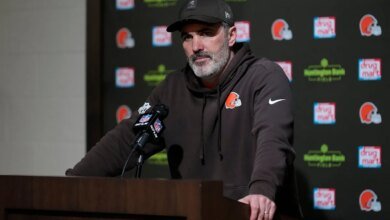
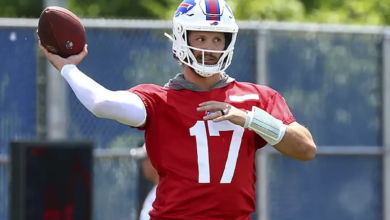
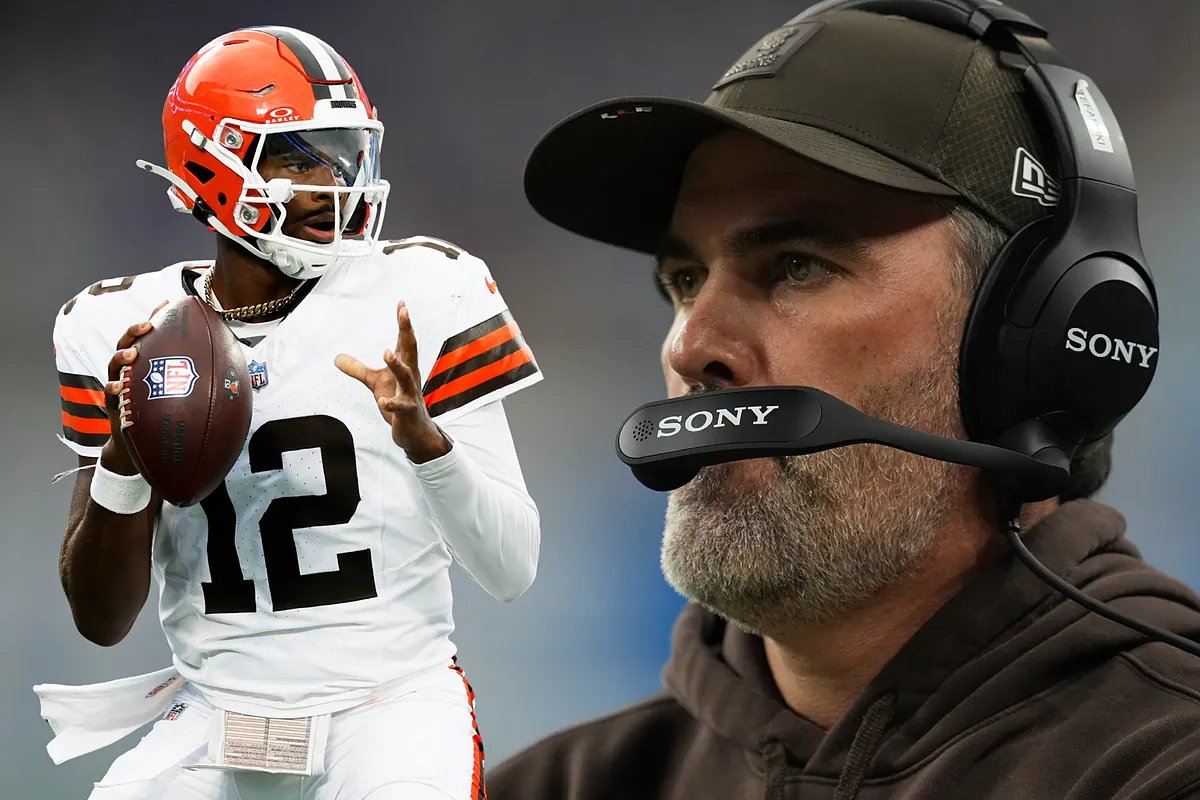
The Cleveland Browns’ quarterback room is currently a hotbed of debate, and honestly, it’s all anyone is talking about. The central question? Why isn’t Shedeur Sanders getting a shot? Dillon Gabriel, a third-round pick, has seen significant playing time, but Sanders, once considered a potential top draft pick, is warming the bench. It seems that Head Coach Kevin Stefanski’s preference for Gabriel has sparked a major discussion among fans and analysts, leading to questions about fairness, talent assessment, and the impact of external factors on coaching choices. It feels like there’s a real tension between player development and the intense expectations in the NFL.
Understanding the Browns’ Quarterback Conundrum
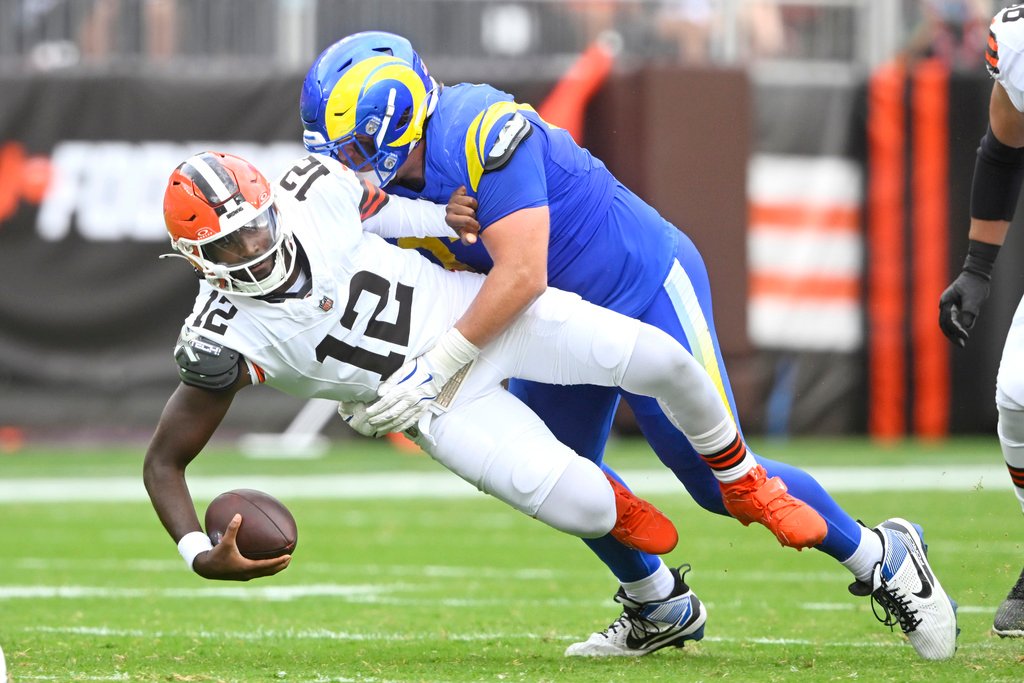
The Browns’ quarterback situation isn’t just a simple matter of choosing the best player; it’s a complex web of factors. You know, things like draft status, perceived potential, team chemistry, and of course, coaching philosophy all come into play. The core issue is this: Gabriel has been given the reins, but his performance hasn’t exactly set the world on fire. He’s had a few starts, but the wins have been scarce, and his individual stats haven’t been particularly impressive. So, the question becomes, is Stefanski sticking with Gabriel for a specific reason, or is he missing an opportunity to see what Sanders can do?
And why does this matter now? Well, the Browns are at a critical juncture in their season. Every game counts, and the quarterback position is arguably the most important on the field. If the Browns want to make a serious playoff push, they need consistent and effective quarterback play. The longer this quarterback controversy drags on, the more it could potentially derail their season. Plus, it impacts team morale. Players notice these things, and if they feel like the best guy isn’t playing, it can create friction in the locker room. It’s a high-stakes situation with a lot riding on Stefanski’s decisions.
Key Benefits and Advantages of a Strong QB
Let’s be honest, a solid quarterback can completely transform a team. When you have a quarterback who can consistently make good decisions, throw accurate passes, and lead the offense down the field, it elevates the entire team. I mean, who doesn’t want that? Here are a few practical benefits you can expect:
- Improved Offensive Efficiency: A good quarterback maximizes every possession, leading to more points.
- Enhanced Play-Calling Flexibility: A quarterback who can read defenses allows the coach to open up the playbook.
- Increased Team Morale: When the offense is clicking, it energizes the entire team, both on and off the field.
- Greater Chance of Winning: Ultimately, consistent quarterback play leads to more wins, plain and simple.
In the Browns’ case, unlocking the quarterback position could be the key to unlocking their full potential. The Browns have invested heavily in their defense and running game, but without a quarterback who can consistently deliver, they’ll always be limited. Think about it – if the Browns had a quarterback who could consistently throw for 250+ yards a game, their offense would become much more dynamic and difficult to defend. Defenses wouldn’t be able to stack the box against the run, and the Browns would be able to control the clock more effectively. It’s a game-changer.
Implementation Strategies: Giving Sanders a Shot
So, how can the Browns address this quarterback situation? The most obvious solution is to give Shedeur Sanders a legitimate opportunity to prove himself. Let’s break down some strategies.
Step-by-Step Approach
- Dedicated Practice Time: Allocate specific practice time for Sanders to work with the first-team offense.
- Controlled Game Exposure: Start by giving Sanders opportunities in low-pressure situations, like late in games or against weaker opponents.
- Tailored Game Plan: Design a game plan that plays to Sanders’ strengths, whether it’s his accuracy, arm strength, or mobility.
- Clear Communication: Communicate expectations clearly to both Gabriel and Sanders, ensuring they understand their roles and responsibilities.
- Evaluate Performance: Objectively assess Sanders’ performance based on his decision-making, accuracy, and overall command of the offense.
Best Practices
- Avoid Snap Judgments: Give Sanders enough time to adjust to the NFL level.
- Provide Support: Surround Sanders with experienced players and coaches who can provide guidance and support.
- Stay Patient: Recognize that there will be ups and downs, and don’t overreact to a few bad plays or games.
- Focus on Development: Prioritize Sanders’ long-term development over short-term results.
Honestly, I think the biggest mistake teams make is not giving young quarterbacks enough time to develop. They expect them to come in and be instant stars, but that’s rarely the case. It takes time to learn the playbook, adjust to the speed of the game, and build chemistry with teammates. If the Browns are serious about developing Sanders, they need to be patient and provide him with the resources he needs to succeed.
Common Challenges and Solutions
Of course, implementing these strategies won’t be without its challenges. Here are some potential obstacles and how to overcome them:
- Challenge: Gabriel’s confidence may be affected if he’s benched.
- Solution: Communicate openly with Gabriel, emphasizing that this is about evaluating all options and finding the best fit for the team.
- Challenge: Sanders may struggle with the speed and complexity of the NFL game.
- Solution: Simplify the playbook initially and gradually increase the complexity as he becomes more comfortable.
- Challenge: Fans and media may put excessive pressure on Sanders to perform immediately.
- Solution: Manage expectations by emphasizing that Sanders is still developing and needs time to grow.
- Challenge: Team chemistry may be disrupted if there’s a perception of favoritism.
- Solution: Foster a culture of transparency and fairness, ensuring that all players feel valued and respected.
It’s also important to consider the potential for injuries. If both Gabriel and Sanders get hurt, the Browns could be in a really tough spot. That’s why it’s crucial to have a capable backup quarterback ready to step in. Plus, you need to see the Browns Lightweight GTR reimagining the Jaguar E-Type. It’s a testament to how innovation and adaptation can revitalize even the most established concepts.
Real-Life Applications and Examples
Let’s look at some real-world examples of teams that have successfully navigated quarterback controversies:
- The Green Bay Packers: Years ago, the Packers transitioned from Brett Favre to Aaron Rodgers, and it was a masterclass in succession planning. They allowed Rodgers to sit behind Favre for several years, learning the system and developing his skills before handing him the reins. The result? Rodgers became one of the greatest quarterbacks of all time.
- The Kansas City Chiefs: The Chiefs traded up to draft Patrick Mahomes, but they didn’t throw him into the fire right away. They allowed him to sit behind Alex Smith for a year, giving him time to learn the offense and adjust to the NFL. When Mahomes finally got his chance, he was ready to explode onto the scene.
These teams demonstrate that patience and strategic planning are key to successfully developing a young quarterback. The Browns can learn from these examples and apply those lessons to the Sanders situation. It’s about finding the right balance between giving him opportunities and protecting him from being overwhelmed.
Future Outlook and Trends
The future of the quarterback position in the NFL is evolving rapidly. We’re seeing more and more quarterbacks who are mobile, athletic, and able to make plays with their legs. The traditional pocket passer is becoming a thing of the past. This trend favors quarterbacks like Shedeur Sanders, who has the athleticism and arm talent to thrive in the modern NFL. Also, let’s not forget Shroud backs Arc Raiders for GOTY, a multiplayer uprising. This showcases how evolving landscapes can lead to unexpected success stories.
Looking ahead, I expect to see more teams investing in quarterbacks who can extend plays, make throws on the run, and create opportunities with their legs. The Browns need to be mindful of this trend and ensure that they have a quarterback who can adapt to the changing landscape of the game. If Sanders can develop his skills and reach his full potential, he could be the quarterback of the future for the Browns.
Conclusion: Key Takeaways and Next Steps
The Cleveland Browns’ quarterback situation is a complex issue with no easy answers. Dillon Gabriel has been given opportunities, but his performance has been underwhelming. Shedeur Sanders, on the other hand, has been waiting in the wings, eager to prove himself. The Browns need to carefully evaluate their options and make a decision that’s in the best long-term interest of the team. Here’s what you should know:
- Evaluate Sanders: Give Sanders a legitimate opportunity to showcase his skills.
- Communicate Clearly: Ensure that both Gabriel and Sanders understand their roles and responsibilities.
- Stay Patient: Recognize that quarterback development takes time and don’t overreact to short-term results.
- Adapt to Trends: Be mindful of the evolving landscape of the quarterback position and invest in players who can thrive in the modern NFL.
So, what do you think? Should the Browns give Shedeur Sanders a shot? Or should they stick with Dillon Gabriel? Let’s discuss in the comments below!