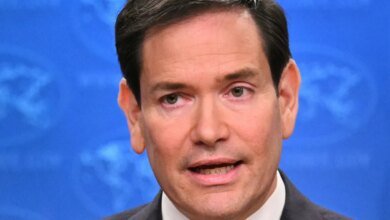
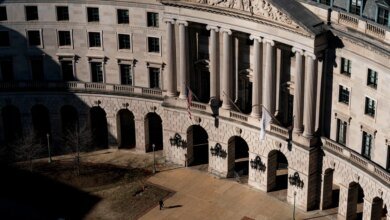
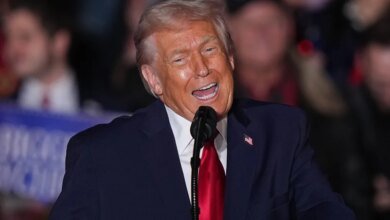
The air in Washington D.C. is thick with apprehension. It’s not just the humidity that clings to your skin like a second layer; it’s a palpable tension hanging in the air. Lawmakers, particularly Democrats, are whispering concerns about a potential surge in threats, fueled, they say, by recent social media posts from former President Donald Trump. These aren’t just abstract fears; these are anxieties rooted in lived experience, in the very real memories of January 6th and the escalating political polarization that seems to grip the nation tighter each day. The specific content of these posts? Think veiled allusions to “retribution,” amplified grievances about the 2020 election, and a general tone that many interpret as a dog whistle to his most ardent supporters. (And let’s be honest, some of those supporters have demonstrated a willingness to act on their beliefs, violently.) The focus is sharply on the potential for political violence.
This isn’t simply a matter of partisan disagreement. It’s about the safety and security of elected officials, their staff, and even their families. Several Democratic members of Congress have reported a significant increase in threatening messages and hostile encounters since Trump’s posts began circulating. It’s a chilling effect, designed to intimidate and silence dissent. It also raises very serious questions about the responsibility of social media platforms to moderate content that could incite violence. The debate rages: free speech versus public safety. Where do you draw the line? It’s a question that has plagued the internet since its inception, and one that seems to become more urgent with each passing day. This whole situation underscores the powerful, and potentially dangerous, role of social media in contemporary politics.
The concerns aren’t limited to Capitol Hill. Security experts are warning of a broader trend: a normalization of political violence and an increased willingness among extremist groups to engage in acts of intimidation and harassment. The internet, a powerful tool for connection and communication, has also become a breeding ground for hatred and conspiracy theories. It’s a vicious cycle: inflammatory rhetoric online leads to real-world threats, which in turn reinforces the sense of fear and division. And at the center of it all, the specter of Donald Trump, his words carrying immense weight and influence, whether intentional or not. It’s a powder keg, and many fear that these recent posts are just the spark needed to ignite it.
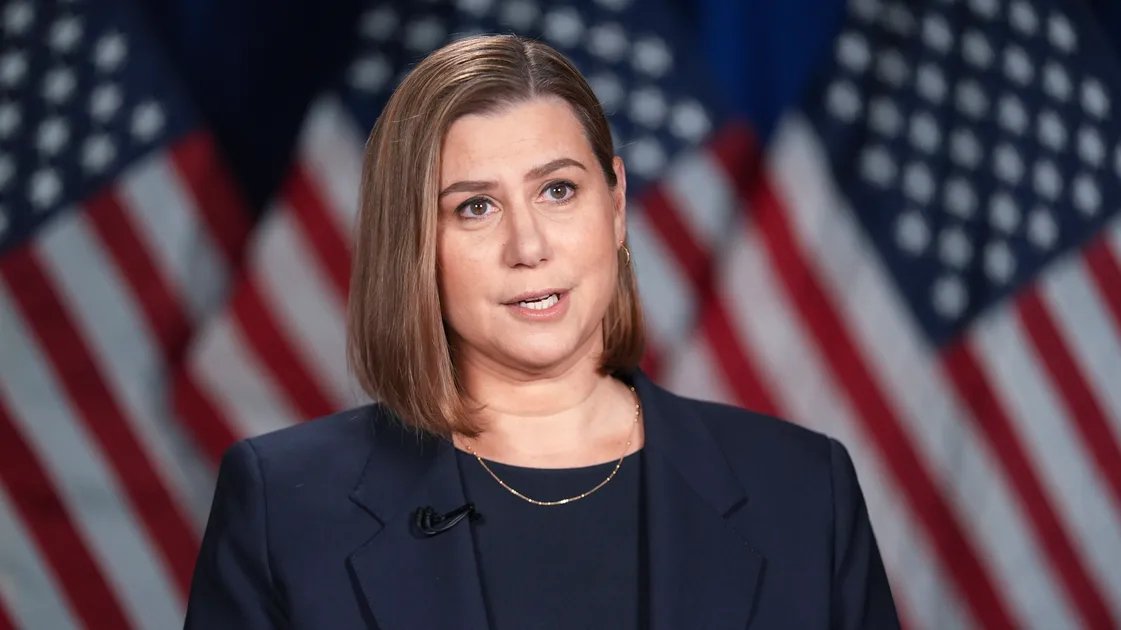
The Rising Tide of Threats
The specific nature of these threats is what’s truly alarming. We’re not talking about polite disagreements or even strongly worded criticisms. We are talking about explicitly violent language, direct threats to harm elected officials and their families, and disturbing imagery that evokes past acts of political violence. It’s a level of vitriol that many thought had been relegated to the fringes of society, but now seems to be creeping into the mainstream.
“I’ve never seen anything like it,” one Democratic staffer, speaking on the condition of anonymity, told me. “The volume of threatening messages has exploded. It’s not just the quantity; it’s the intensity. These people are genuinely angry, and they feel emboldened to act.”
This increase in threats isn’t just anecdotal. Law enforcement agencies are reporting a surge in investigations related to threats against elected officials. The FBI has increased its monitoring of online activity, and Capitol Police are working closely with local law enforcement to provide enhanced security for members of Congress, especially those who have been targeted by specific threats. The security apparatus is on high alert.
Echoes of January 6th
The events of January 6th, 2021, loom large in the minds of many Democrats. The attack on the Capitol was a stark reminder of the fragility of democracy and the potential for political rhetoric to incite violence. For many, Trump’s recent posts are seen as a dangerous echo of the rhetoric that fueled the January 6th insurrection. The fear is that history could repeat itself.
“We can’t afford to be complacent,” said Representative Alexandria Ocasio-Cortez in a recent interview. “We saw what happened on January 6th. We know what Trump is capable of. We have to take these threats seriously.” She isn’t alone in her assessment. Many believe that a failure to condemn and address this rhetoric could have devastating consequences.

Trump’s Response and the Question of Intent
So, what does Trump say about all of this? He and his representatives have largely dismissed the concerns as “overblown” and “politically motivated.” They argue that he is simply exercising his right to free speech and that his words are being unfairly twisted and misconstrued. Trump himself has accused Democrats of trying to silence him and suppress his supporters.
However, the question of intent is crucial. Even if Trump doesn’t explicitly call for violence, his words can still have a powerful effect on his followers, particularly those who are already predisposed to extremist views. The power of suggestion, especially from a figure as influential as Trump, cannot be underestimated.
“It doesn’t matter what he says directly,” said one security analyst. “It’s about what his followers hear. They interpret his words through their own biases and beliefs, and sometimes that interpretation leads them down a very dangerous path.” The analyst pointed to the well-documented phenomenon of “stochastic terrorism,” where seemingly random acts of violence are inspired by broader trends of hateful rhetoric and incitement.
The Role of Social Media Platforms
And then there’s the elephant in the room: social media. Platforms like Twitter (now X) and Facebook have become powerful tools for disseminating information, both accurate and inaccurate. They have also become breeding grounds for hate speech, conspiracy theories, and political extremism.
Democrats are increasingly critical of these platforms, accusing them of failing to adequately moderate content that could incite violence. They argue that the platforms are prioritizing profits over public safety and that they are allowing Trump and his supporters to spread dangerous misinformation with impunity.
The platforms, for their part, maintain that they are committed to combating hate speech and promoting responsible online behavior. They point to their policies against violence and incitement, and they claim that they are actively removing content that violates those policies. However, critics argue that these efforts are too little, too late. The sheer volume of content makes it virtually impossible to police everything, and the algorithms that drive these platforms often amplify the most extreme and divisive voices.

Potential Solutions and the Path Forward
So, what can be done? There is no easy answer, but several potential solutions have been proposed.
* Increased Security: Enhanced security measures for elected officials and their staff are essential. This includes providing additional protection at their homes and offices, as well as increasing surveillance of online threats.
* Stronger Enforcement: Law enforcement agencies need to aggressively investigate and prosecute individuals who make threats against elected officials. This sends a clear message that such behavior will not be tolerated.
* Social Media Reform: Social media platforms need to be held accountable for the content that is disseminated on their platforms. This could include stricter moderation policies, algorithmic transparency, and increased regulation.
* De-escalation of Rhetoric: Political leaders on both sides of the aisle need to tone down their rhetoric and promote a more civil and respectful discourse. This is easier said than done, of course, but it is essential for creating a less polarized and volatile political climate.
* Education and Awareness: Public education campaigns are needed to raise awareness about the dangers of political violence and to promote tolerance and understanding.
The path forward is fraught with challenges. The divisions in American society are deep and entrenched, and the political climate is highly charged. But we cannot afford to give in to despair. The future of our democracy depends on our ability to find common ground and to work together to create a more peaceful and just society. It really does.
The stakes are incredibly high. Failure to address this threat surge could have catastrophic consequences, potentially leading to further violence and a further erosion of faith in our democratic institutions. It’s time for leaders, platforms, and citizens alike to step up and take action.
Conclusion
The situation unfolding in Washington D.C. is more than just a political squabble; it’s a canary in the coal mine, warning us of a deeper malaise within our society. The normalization of political violence, the unchecked spread of misinformation, and the erosion of civil discourse are all symptoms of a deeply fractured nation. Trump’s posts act as a catalyst, accelerating these dangerous trends and amplifying the voices of extremism. Ignoring this warning is not an option. We must confront these challenges head-on, with courage, determination, and a renewed commitment to the values of democracy, tolerance, and respect. Only then can we hope to navigate these turbulent times and build a more secure and just future for all. This requires constant vigilance and a willingness to stand up against hate and intolerance, wherever it may be found.
Frequently Asked Questions
| Why are Trump’s social media posts causing security fears for Democrats? | Democrats fear that Trump’s rhetoric could incite political violence, referencing the January 6th Capitol attack and the current polarized climate. They are concerned his words embolden extremists and lead to increased threats against elected officials. |
| What are the potential benefits of addressing the security concerns stemming from these posts? | Addressing these concerns could lead to reduced political violence, a more civil political discourse, increased safety for elected officials, and a restoration of faith in democratic institutions. It also encourages responsible online behavior. |
| How can social media platforms implement changes to mitigate these security risks? | Social media platforms can implement stricter content moderation policies, algorithmic transparency, and increased regulation. These steps can help limit the spread of misinformation and hate speech, which contribute to political extremism. |
| What are the challenges in preventing political violence incited by online rhetoric? | Challenges include balancing free speech with public safety, policing the vast amount of online content, dealing with algorithmic amplification of extreme voices, and overcoming the deep political divisions in society. |
| What might the future look like if these security concerns are not adequately addressed? | If these concerns are not addressed, the future could involve further political violence, erosion of democratic institutions, increased polarization, and a breakdown of civil discourse. It could lead to a society where threats and intimidation become commonplace in politics. |
Important Notice
This FAQ section addresses the most common inquiries regarding the topic.