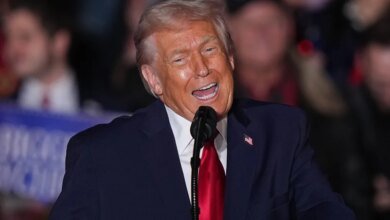
Donald Trump is reportedly preparing to launch a massive lawsuit, potentially seeking up to $5 billion in damages, against the British Broadcasting Corporation (BBC). The grounds? Allegations that the BBC maliciously edited one of his speeches, presenting him in a false and defamatory light. The claim centers on the assertion that the edited broadcast significantly distorted the meaning of his words, causing substantial harm to his reputation. I remember when the news first broke; it felt like just another Tuesday in the world of Trump, but the sheer scale of the potential lawsuit is staggering. This wouldn’t be just any Trump BBC lawsuit; this would be a landmark case, testing the boundaries of media liability and the power of defamation claims in the digital age.
The news sent shockwaves through the media landscape, sparking intense debate about the responsibilities of news organizations and the potential consequences of biased reporting. Can you imagine the legal teams scrambling right now? The BBC, of course, is standing by its journalistic integrity, asserting that its coverage was fair and accurate. This isn’t just a fight about money; it’s about principles, about the very definition of truth in an era of “fake news” and deeply polarized political discourse. The core of the issue is a claim of edited speech, supposedly crafted to portray Trump negatively. What I find fascinating is the speed with which these things escalate – from a potentially biased piece to a multi-billion dollar lawsuit.
Sources close to Trump suggest that his legal team has been meticulously analyzing the broadcast in question, identifying what they believe to be deliberate distortions and omissions. The alleged goal, according to Trump’s camp, was to paint him as a figure espousing views that are more extreme and divisive than he actually holds. And honestly, who *doesn’t* think they’re being unfairly portrayed these days? This potential billion dollar lawsuit raises a lot of questions. If the BBC *did* engage in malicious editing, what were their motives? And if they didn’t, will Trump’s legal challenge fizzle out like so many others? One thing’s for sure: this story is far from over.
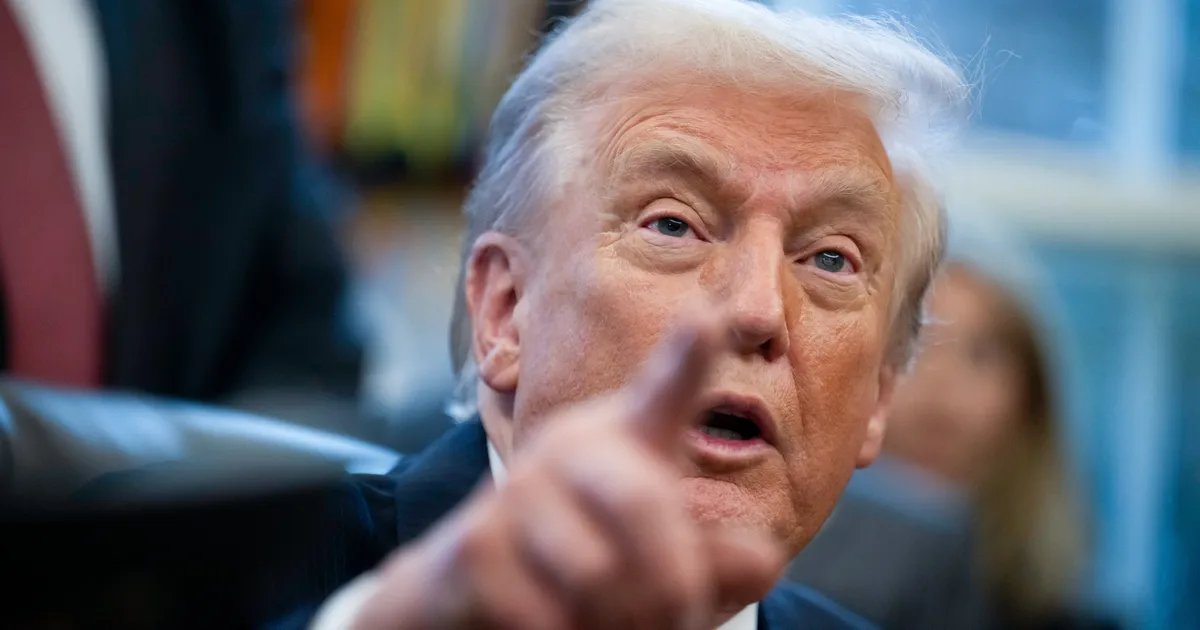
The Alleged Defamation: What We Know
At the heart of the controversy lies the question of whether the BBC’s editing of Trump’s speech constituted defamation. Defamation, in legal terms, involves making false statements that harm someone’s reputation. To win a defamation case, especially against a media organization, the plaintiff (in this case, Trump) typically needs to prove that the statements were false, that they were published to a third party, that they caused harm, and that the media organization acted with “actual malice” – meaning they knew the statements were false or acted with reckless disregard for the truth. It’s a high bar to clear, especially for public figures.
Trump’s legal team argues that the BBC intentionally manipulated his words to create a false impression of his views, which caused significant damage to his reputation and business interests. According to an anonymous source within Trump’s circle, “The BBC took snippets of his speech completely out of context, creating a narrative that was the polar opposite of what he actually meant. It was a deliberate hit job.” The specific speech in question has not been publicly identified, but speculation is rife about which address is at the center of the legal storm. Could it be a rally speech? A television interview? The details are still emerging.
The BBC, for its part, has remained tight-lipped about the specifics of the allegations, issuing a brief statement affirming its commitment to accurate and impartial reporting. “The BBC stands by its journalistic standards and is confident that its coverage of Mr. Trump has been fair and balanced,” a spokesperson said. They added that they would “vigorously defend” themselves against any legal challenge. Remember, it’s always “innocent until proven guilty,” and this applies to news organizations too.
The Potential Legal Battle: A Breakdown
The prospect of a Trump legal battle with the BBC is setting the stage for a high-stakes legal drama. The process would likely involve several stages, beginning with the filing of a formal complaint. From there, both sides would engage in discovery, gathering evidence through depositions, document requests, and other means. The case could then proceed to trial, where a judge or jury would ultimately decide whether the BBC had defamed Trump.
Here’s a hypothetical timeline:
* Initial Complaint: Trump’s legal team files a formal complaint against the BBC.
* Discovery Phase: Both sides gather evidence and conduct depositions.
* Motion for Summary Judgment: The BBC might attempt to have the case dismissed early.
* Trial: If the case proceeds, a trial will be held.
* Appeals: The losing party could appeal the verdict.
The case could drag on for years, costing both sides millions of dollars in legal fees. Legal experts are divided on the likelihood of Trump’s success. Some argue that he faces an uphill battle, given the high standard required to prove defamation against a media organization. Others believe that if Trump can demonstrate clear evidence of malicious intent on the part of the BBC, he could have a viable case.
The First Amendment and Media Liability
A key aspect of this case revolves around the First Amendment of the US Constitution (even though the BBC is a British entity, legal proceedings could occur in the US or involve US-based assets of the BBC). The First Amendment protects freedom of speech and the press, which includes the right of media organizations to report on matters of public interest. However, this right is not absolute. Media organizations can be held liable for defamation if they publish false statements with actual malice.
The “actual malice” standard, established in the landmark Supreme Court case *New York Times Co. v. Sullivan*, requires public figures like Trump to prove that the media organization knew the statements were false or acted with reckless disregard for the truth. This is a difficult standard to meet, as it requires demonstrating the media organization’s state of mind at the time of publication. Think about that: trying to prove what someone *thought* when they published something. Good luck with that, right?
The $5 Billion Question: Is It Realistic?
Trump’s potential demand for $5 billion in damages has raised eyebrows, with many questioning whether such a figure is realistic. Damage awards in defamation cases are typically based on the actual harm suffered by the plaintiff, including reputational damage, financial losses, and emotional distress. While Trump is undoubtedly a high-profile figure with significant business interests, proving that the BBC’s alleged defamation caused him $5 billion in damages would be a tall order.
Experts suggest that the $5 billion figure may be more of a symbolic gesture, intended to send a strong message to the BBC and other media organizations. It could also be a negotiating tactic, aimed at securing a more favorable settlement. Whether he’ll actually get anywhere near that amount is another story entirely. I mean, let’s be real, $5 billion is a *lot* of money.
Trump’s History with the Media: A Rocky Relationship
Trump’s relationship with the media has been notoriously contentious throughout his career. He has repeatedly accused news organizations of biased reporting and “fake news,” often singling out specific journalists and outlets for criticism. This isn’t news to anyone, really. We’ve all seen the tweets, the rallies, the press conferences. It’s part of his brand.
He has also threatened legal action against media organizations in the past, although few of those threats have actually materialized into lawsuits. This history of media antagonism adds another layer of complexity to the current dispute with the BBC. Some see this as a continuation of his ongoing battle with the “establishment” media, while others view it as a legitimate attempt to hold news organizations accountable for their reporting. Whatever the case, it’s safe to say that this is not your average media dispute.
Here’s a brief overview of Trump’s past media clashes:
* CNN: Frequent accusations of “fake news” and biased reporting.
* The New York Times: Criticized for its coverage of his presidency.
* The Washington Post: Targeted for its investigative reporting.
* MSNBC: Accused of promoting a liberal agenda.
The BBC’s Perspective: Maintaining Journalistic Integrity
The BBC, as a public service broadcaster, is bound by strict editorial guidelines that require it to be impartial and accurate in its reporting. The organization takes these responsibilities seriously, and it has a long track record of defending its journalistic integrity. The BBC’s response to Trump’s allegations reflects its commitment to these principles.
“The BBC is committed to providing fair and accurate reporting on all matters of public interest,” the spokesperson said. “We stand by our coverage of Mr. Trump and will vigorously defend ourselves against any legal challenge.” The BBC’s defense will likely focus on demonstrating that its coverage of Trump was based on factual information and that it did not act with actual malice. They might argue that any editing of his speech was done for legitimate journalistic purposes, such as condensing the material for time constraints or clarifying ambiguous statements.
The Broader Implications for Media and Politics
This potential lawsuit has broader implications for the relationship between media and politics. In an era of increasing polarization and distrust of the media, cases like this can further erode public confidence in news organizations. It also raises questions about the role of media in shaping public opinion and the potential for powerful individuals to use legal action to silence critical voices.
If Trump succeeds in his lawsuit against the BBC, it could set a precedent that emboldens other public figures to pursue similar legal action against media organizations. This could have a chilling effect on investigative journalism and limit the ability of the press to hold powerful individuals accountable. On the other hand, if Trump’s lawsuit fails, it could send a message that media organizations are largely immune from legal challenges, even if they engage in biased or inaccurate reporting. The stakes are high, not just for Trump and the BBC, but for the future of media and political discourse.
Conclusion
The potential Trump BBC lawsuit over alleged edited speech presents a fascinating and complex legal challenge. The clash touches on fundamental issues of media liability, freedom of speech, and the power of public figures to influence the narrative. Whether Trump will actually pursue the lawsuit remains to be seen, but the very threat of such a large-scale legal battle is sure to have a significant impact on the media landscape. What I’m most curious about is whether this will actually go to trial or if it will be settled out of court. My gut tells me settlement, but with Trump, you just never know, do you? Regardless, this is a story worth watching closely. The outcome could shape the future of media accountability and the relationship between politicians and the press for years to come.
Frequently Asked Questions
| Why is Trump suing the BBC? | Trump alleges the BBC maliciously edited his speech, presenting him in a false and defamatory light, causing significant reputational damage. |
| What are the potential benefits of Trump’s lawsuit? | If successful, the lawsuit could hold media organizations accountable for biased reporting and potentially deter future instances of alleged defamation. It could also result in a substantial financial award for Trump. |
| How would such a lawsuit be implemented? | The lawsuit would involve filing a formal complaint, followed by a discovery phase where both sides gather evidence. If not dismissed, it would proceed to trial where a judge or jury would decide the outcome. |
| What are the challenges Trump faces in winning this lawsuit? | Trump faces the challenge of proving that the BBC acted with “actual malice,” meaning they knew the statements were false or acted with reckless disregard for the truth. This is a high legal standard to meet. |
| What is the potential future impact of this case on media and politics? | The outcome could set a precedent for media liability, influencing the relationship between media organizations and public figures. A successful lawsuit could embolden others to sue the media, while a failure could reinforce media protections. |
Important Notice
This FAQ section addresses the most common inquiries regarding the topic.