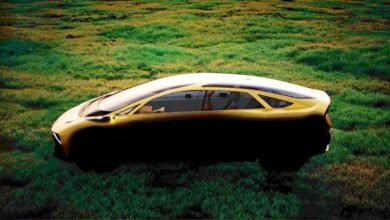
The year is 2025. Rain lashes against the panoramic sunroof of the Audi Q6 e-tron. Inside, the ambient lighting casts a cool, futuristic glow across the minimalist dashboard. But something feels different. Gone is the overwhelming expanse of touchscreens that dominated previous models. In their place, a cluster of precisely engineered physical buttons and dials. It’s a subtle shift, but a significant one. The air crackles with quiet anticipation. Why, after years of embracing the sleek, seamless world of digital interfaces, is Audi making a U-turn and bringing back physical controls? This isn’t just about nostalgia; it’s a strategic decision driven by user feedback, safety concerns, and a deeper understanding of the human-machine interface. (I remember thinking, “Finally! No more smudged screens!”)
The pressure to innovate in the automotive industry is immense, especially when it comes to in-car technology. For years, automakers have been locked in a race to cram more and more features onto touchscreens, often at the expense of usability. Touchscreens, once hailed as the future, are now facing a backlash. Drivers are finding them distracting, cumbersome, and even dangerous to use while driving. Imagine trying to adjust the volume on a bumpy road, your eyes darting between the screen and the road ahead. Not ideal, right? Audi has been listening. “We’ve heard the concerns,” a senior Audi engineer confided during a recent press event. “Drivers want intuitive controls that they can operate without taking their eyes off the road. Simple as that, really.” It’s about creating a safer and more enjoyable driving experience.
But what does this return to physical controls actually look like? It’s not a complete abandonment of touchscreens, mind you. Instead, Audi is aiming for a hybrid approach, carefully balancing the benefits of both digital and analog interfaces. Think of it as a strategic retreat, not a surrender. The core infotainment functions, like navigation and media playback, will likely remain on the touchscreen. However, critical functions like climate control, volume, and driver assistance systems are making a comeback in physical form. The goal is to provide drivers with quick, tactile access to the features they use most often, without having to navigate through menus or take their eyes off the road.

The Problem with Touchscreens: A Growing Chorus of Complaints
The initial allure of touchscreens in cars was undeniable. They offered a sleek, modern aesthetic and the potential to pack a vast array of features into a single, customizable interface. Automakers embraced them as a way to differentiate their vehicles and appeal to tech-savvy consumers. But over time, the novelty began to wear off. Drivers started to realize that the benefits of touchscreens were often outweighed by their drawbacks.
One of the biggest complaints is distraction. Studies have shown that using touchscreens while driving can significantly increase reaction times and impair cognitive function. Imagine trying to find the right icon on a screen while navigating a busy intersection. It’s a recipe for disaster. “I nearly rear-ended someone trying to adjust the fan speed in my old car,” admitted Sarah Miller, a self-described “tech enthusiast” who now prefers cars with physical climate controls. “It was just too distracting.”
Another issue is the lack of tactile feedback. With physical controls, you can feel your way around the buttons and dials without having to look at them. This allows you to keep your eyes on the road and maintain your focus on driving. Touchscreens, on the other hand, require you to visually confirm that you’ve pressed the correct icon. This can be particularly challenging in bright sunlight or at night. Add in the complexities of navigating multiple menus, and you have a system that actively detracts from the driving experience. It’s no wonder that consumer reports have started to reflect growing dissatisfaction.
Haptic Feedback: A Partial Solution?
Some automakers have attempted to address the tactile feedback problem by incorporating haptic feedback into their touchscreens. Haptic feedback uses vibrations to simulate the feel of a physical button press. While this can be an improvement over a completely flat screen, it’s still not a perfect solution. It lacks the satisfying click or detent of a real button or dial. Plus, relying on haptic feedback still requires you to look at the screen to confirm your input. It is a step in the right direction, but doesn’t quite solve the underlying issue.
Audi’s Approach: A Balanced Hybrid System
Audi’s decision to bring back physical controls isn’t a knee-jerk reaction to the touchscreen backlash. It’s a carefully considered move based on extensive user research and a commitment to creating a safer and more intuitive driving experience. They understand that the best approach is not to eliminate touchscreens entirely, but to integrate them thoughtfully with physical controls in a way that maximizes usability and minimizes distraction.

The key is to prioritize the functions that drivers use most frequently and make them accessible via physical controls. This includes things like:
* Climate Control: Temperature, fan speed, and airflow direction.
* Volume: Adjusting the audio volume.
* Driving Mode Selection: Switching between different driving modes (e.g., Comfort, Sport, Eco).
* Driver Assistance Systems: Activating and deactivating features like adaptive cruise control and lane keeping assist.
These are the functions that drivers need to be able to adjust quickly and easily, without having to take their eyes off the road. By placing them within easy reach on the dashboard or steering wheel, Audi is making a significant step towards improving driver safety and reducing distraction.
The Future of the Infotainment System
So, what does the future hold for in-car infotainment systems? It’s likely that we’ll see a continued shift towards hybrid systems that combine the best of both worlds: the flexibility and feature-richness of touchscreens with the tactile feedback and ease of use of physical controls.
We might also see the emergence of new technologies that further enhance the driving experience. Voice control, for example, is becoming increasingly sophisticated and could eventually replace the need for many physical buttons and dials. Augmented reality head-up displays could also play a role by projecting important information directly onto the windshield, allowing drivers to keep their eyes on the road.
Here’s a simple table summarizing the pros and cons of each approach:
| Feature | Touchscreen | Physical Controls |
| —————– | —————————————– | ————————————————- |
| Flexibility | High | Low |
| Customization | High | Low |
| Ease of Use | Low (requires visual attention) | High (tactile feedback, easy to locate) |
| Distraction | High | Low |
| Cost | Potentially lower (fewer physical parts) | Potentially higher (more physical components) |
| Haptic Feedback | Possible (but often imperfect) | Inherent |
Audi seems to be leading the way in recognizing the need for a more balanced and human-centric approach to in-car technology. This move acknowledges that sometimes, the “latest and greatest” isn’t always the best, especially when it comes to safety and user experience.
User Experience and Driver Safety: The Core Considerations
Ultimately, the decision to bring back physical controls boils down to two key factors: user experience and driver safety. Automakers have a responsibility to create vehicles that are not only technologically advanced but also safe and easy to use. Touchscreens, in their current form, often fall short on both counts.
By prioritizing these two factors, Audi is setting a new standard for in-car technology. It’s a recognition that technology should serve the driver, not the other way around. It is about creating a driving environment that is both enjoyable and safe. I think it’s a good change, and will make driving much more enjoyable.
Beyond Buttons: The Broader Implications
The return of physical controls has broader implications for the automotive industry. It signals a growing awareness of the importance of human factors in design and engineering. It’s a reminder that technology should be used to enhance the user experience, not to simply show off the latest features.
This trend could also influence the design of other products and interfaces, from smartphones to home appliances. As consumers become more aware of the potential drawbacks of overly complex and distracting interfaces, they may demand simpler, more intuitive designs that prioritize usability and safety.
Conclusion: A Step in the Right Direction
Audi’s decision to reintroduce physical controls is a welcome step in the right direction. It is a recognition that sometimes the best technology is the technology that is easiest and safest to use. While touchscreens will likely remain a part of the in-car experience, the integration of physical controls will undoubtedly improve driver safety, reduce distraction, and enhance the overall driving experience. It’s a victory for common sense and a sign that automakers are finally listening to the needs of their customers. It will be interesting to see how other manufacturers respond and whether this trend will continue to gain momentum in the years to come. One thing’s for sure: the future of in-car technology is looking a little less touchy and a lot more tactile.
Frequently Asked Questions
| Why is Audi bringing back physical controls? | Audi is reintroducing physical controls to enhance driver safety, reduce distraction, and improve overall user experience. They found that touchscreens alone can be cumbersome and distracting while driving, leading to a preference for tactile, easily accessible buttons and dials for frequently used functions. |
| What are the benefits of using physical controls in cars? | Physical controls offer tactile feedback, allowing drivers to operate functions without taking their eyes off the road. This reduces driver distraction and enhances safety. They are also generally easier to use while driving, especially on bumpy roads or in challenging lighting conditions. |
| How will Audi implement this hybrid system of touchscreens and physical controls? | Audi plans to implement a balanced approach, retaining touchscreens for core infotainment functions like navigation and media playback, while reintroducing physical controls for critical functions such as climate control, volume adjustment, driving mode selection, and driver assistance systems. |
| What are the challenges of integrating both touchscreen and physical controls? | The challenge lies in striking the right balance between the two interfaces to avoid overwhelming the driver. It requires careful consideration of ergonomics, user interface design, and functionality to ensure a seamless and intuitive user experience. Cost and design complexity can also be challenges. |
| What does the future hold for in-car controls and infotainment systems? | The future likely involves a continued refinement of hybrid systems, with a focus on improving voice control and augmented reality head-up displays. The goal is to create a safer, more intuitive, and less distracting driving experience by combining the strengths of different technologies. |
Important Notice
This FAQ section addresses the most common inquiries regarding the topic.