It was a Tuesday evening, a quiet dinner at “The Gilded Spoon,” a place known for its surprisingly good pasta and slightly too-loud jazz. As Sarah and Mark finished their meal, the check arrived, nestled in a small, faux-leather booklet. Mark picked it up, a familiar sigh escaping him. “Twenty-two percent suggested tip,” he muttered, pointing to the bottom of the receipt. “Didn’t it used to be 18%? Or was it 15%?” Sarah leaned over, her brow furrowed. “Honestly, I feel like every time we go out, the percentages creep up. And it’s not just here; even the coffee shop asks for a tip when I just pick up a latte!” This little scene, playing out in countless restaurants across the nation, perfectly encapsulates the bewildering paradox that has gripped American consumers. We hear it everywhere: Americans are fed up with tipping culture. The complaints are loud, clear, and frequent. People feel overwhelmed by requests for gratuity, often in situations where a tip was once unthinkable. Yet, despite this widespread discontent, a curious phenomenon persists: a significant majority of us still consistently shell out 20% at restaurants, if not more, almost without question. It’s a social dance, a delicate balance between perceived obligation, ingrained habit, and a quiet sense of duty to those serving us, even when our wallets wince. This bizarre contradiction is rooted deep in our societal norms, economic realities, and perhaps, a little bit of awkwardness.
The Ubiquitous Grumble: A Nation on Edge Over Gratuity
You don’t have to look far to find someone expressing their exasperation with the current state of tipping. From viral social media rants to earnest debates around dinner tables, the sentiment is clear: tip fatigue is real. It’s no longer just the waiter bringing your steak or the bartender mixing your cocktail. Now, a tip prompt pops up for the barista handing you a pre-ordered coffee, the cashier bagging your takeout, the person helping you at the dry cleaner, and even, yes, the self-checkout machine. (Seriously, a self-checkout machine asking for a tip? That’s just wild!) This expansion, often dubbed “tip creep,” has pushed many consumers to their breaking point.
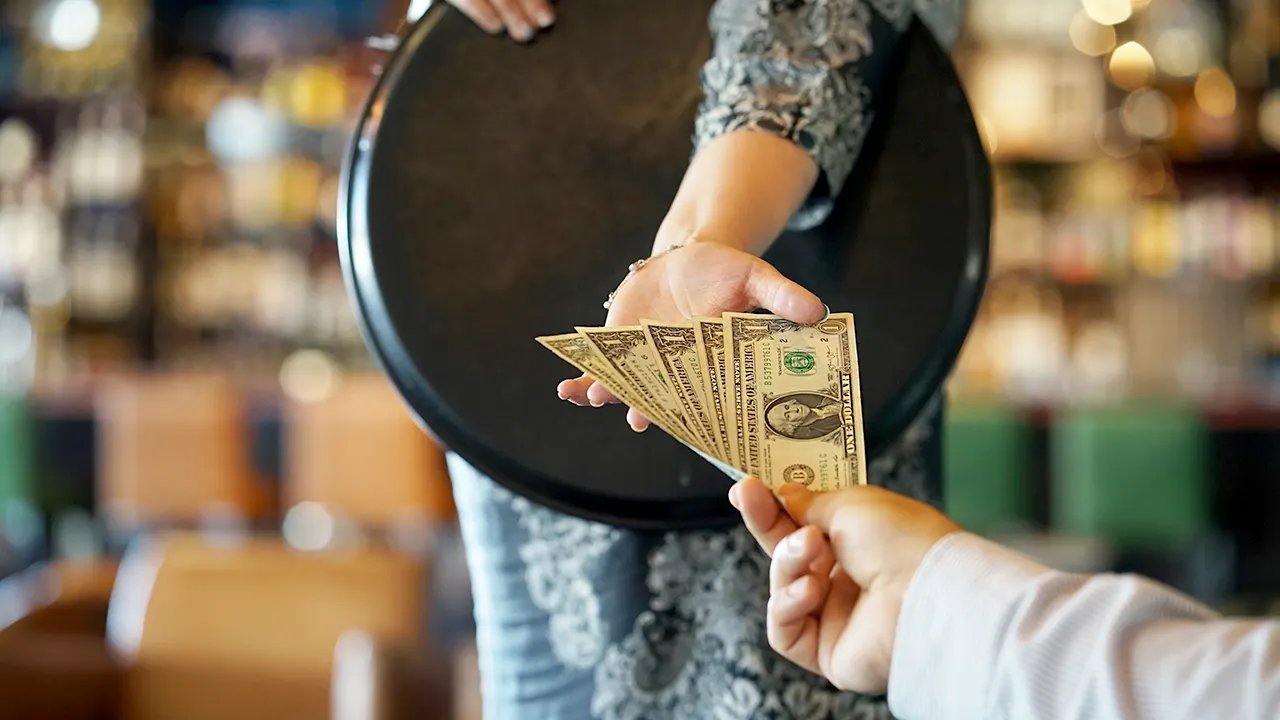
“I just picked up a sandwich and a drink,” lamented David Chen, a software engineer from Austin, during a recent lunch break. “The screen suggested 18%, 20%, or 25%. For five minutes of interaction? It feels like they’re just pushing the burden of paying their staff onto me, the customer. It’s exhausting.” He’s not alone. A recent Bankrate survey found that nearly two-thirds of Americans have a negative view of tipping, with “tip fatigue” being the most cited reason. People feel confused about who to tip, how much to tip, and why they’re being asked to tip in non-traditional service scenarios. Yet, despite this widespread irritation, the 20% gratuity remains firmly entrenched, especially in full-service restaurants.
The Unspoken Rules: Why the 20% Habit Persists
So, if we’re all so tired of it, why do we keep doing it? It boils down to a complex interplay of social conditioning, empathy, and a healthy dose of fear of judgment. Tipping, in its American form, is a deeply ingrained social custom, almost a ritual. We’ve been taught since childhood that a good server deserves a good tip. It’s not just about the quality of service anymore; it’s about adhering to unwritten gratuity norms.
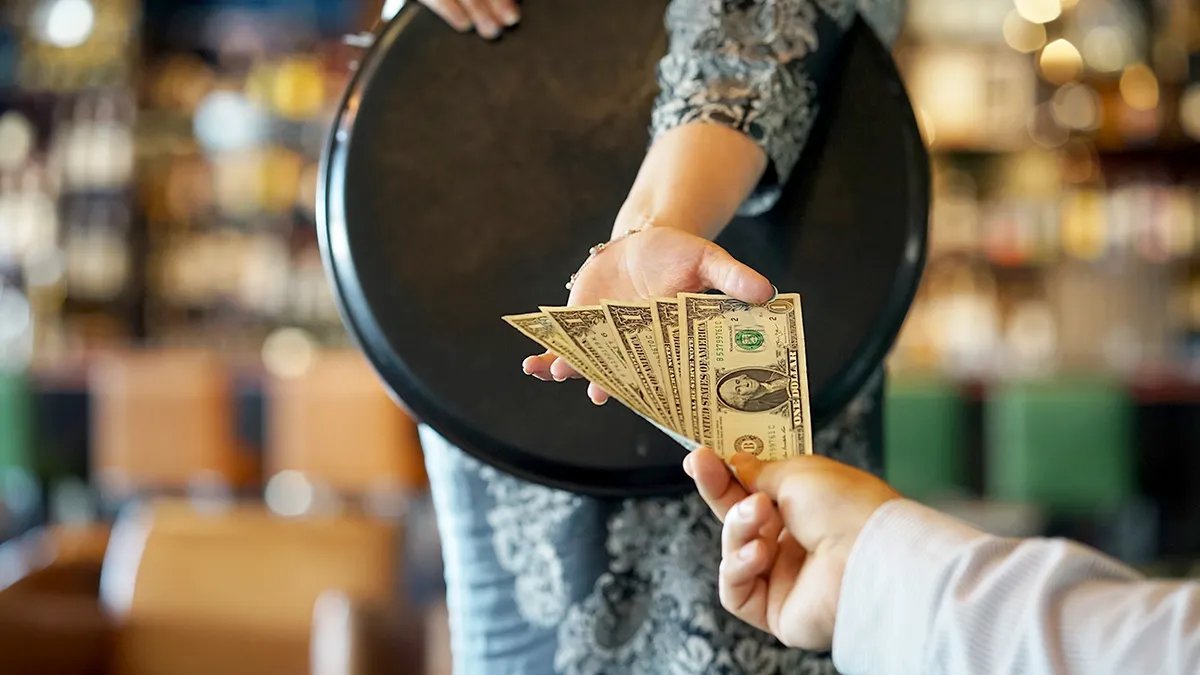
First, there’s the empathy factor. Most diners are aware, at least vaguely, that many servers rely heavily on tips to make a living. The idea that you might be short-changing someone who just worked hard to make your dining experience pleasant can be a powerful deterrent against tipping less. “I know it’s not my fault the restaurant pays them so little, but I can’t look a server in the eye and give them 15% when I know they’re probably struggling,” confessed Lisa Rodriguez, a teacher from Portland. “It just feels wrong, like I’m punishing them.”
Then there’s the fear of social awkwardness. Imagine the scenario: you leave a smaller tip, and the server processes your payment. What if they notice? What if they remember you? The possibility of an uncomfortable glance, or worse, a reputation as a “bad tipper,” is enough to make many people conform to the higher standard. We value social harmony, and disrupting that, even in a small way, can be stressful. We’d rather pay the extra few dollars than endure potential discomfort. It’s a silent agreement, an unwritten social contract we all tacitly agree to abide by, even when we wish we didn’t have to. The pressure is subtle, but undeniably present.
Economic Realities and Industry Responses: A System Under Scrutiny
The persistent adherence to the 20% tip is not just a social phenomenon; it’s deeply intertwined with the economic structure of the American restaurant industry. For decades, the federal minimum wage for tipped employees has remained at a paltry $2.13 per hour, a figure unchanged since 1991. While many states have higher tipped minimums, some matching the regular minimum wage, this low federal baseline means that tips are not just supplementary income; they are often the bulk of a server’s earnings.
Consider this brief overview of tipped minimum wages in select states:
| State | Tipped Minimum Wage (approx.) | Regular Minimum Wage (approx.) |
|---|---|---|
| Texas | $2.13 | $7.25 |
| California | $16.00 (no tip credit) | $16.00 |
| New York | $10.65 – $13.35 (varies by region) | $15.00 – $16.00 |
| Florida | $8.98 | $13.00 |
For restaurant owners, the tipping system has historically been a convenient way to keep labor costs down and menu prices competitive. By relying on customers to subsidize a significant portion of their employees’ wages, they can ostensibly offer more affordable meals. “If I had to pay all my servers a living wage out of pocket, my prices would skyrocket,” explained Maria Sanchez, owner of a small diner in Kansas. “Customers would complain about that too, probably even more. It’s a catch-22.”
Some establishments have tried to move away from tipping, experimenting with higher menu prices and paying staff a fixed, living wage. These “no-tipping” policies have seen mixed results. While some have thrived, others have struggled, facing challenges like increased menu prices scaring off customers, or experienced staff leaving for higher-earning tipped positions elsewhere. The transition is rarely smooth, highlighting just how deeply ingrained the existing system is. The industry is in a bind, caught between consumer demands for fair wages and their simultaneous aversion to higher prices or explicit service charges.
The Psychological Game: Digital Prompts and “Tipflation”
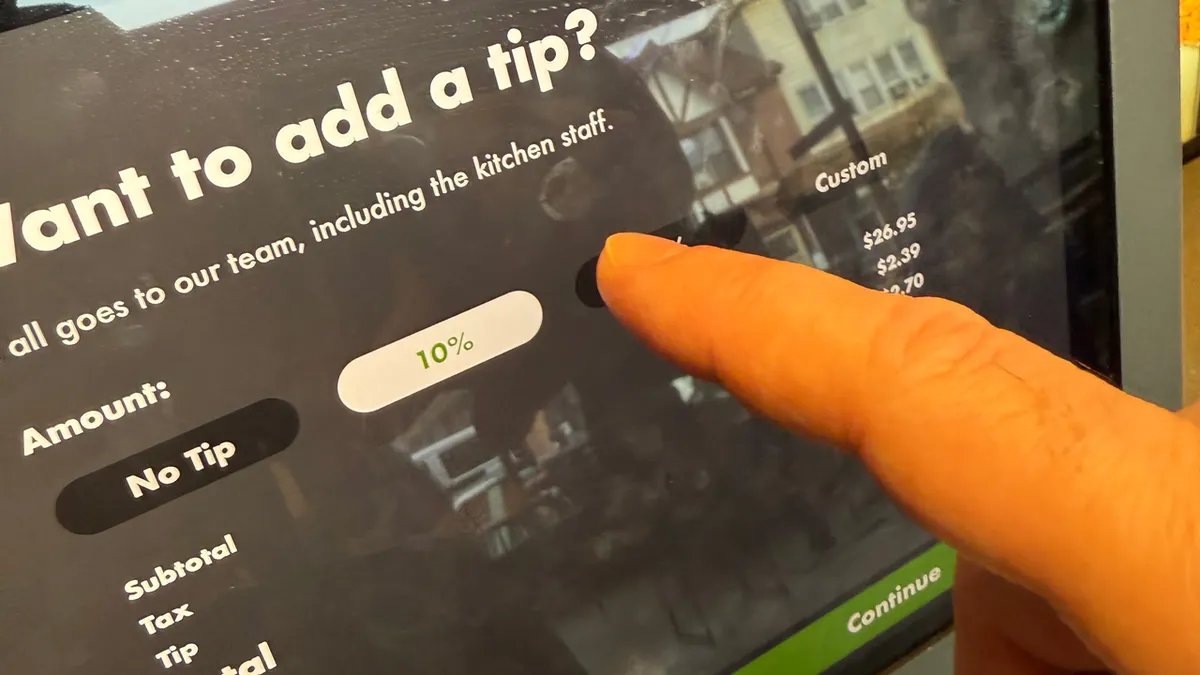
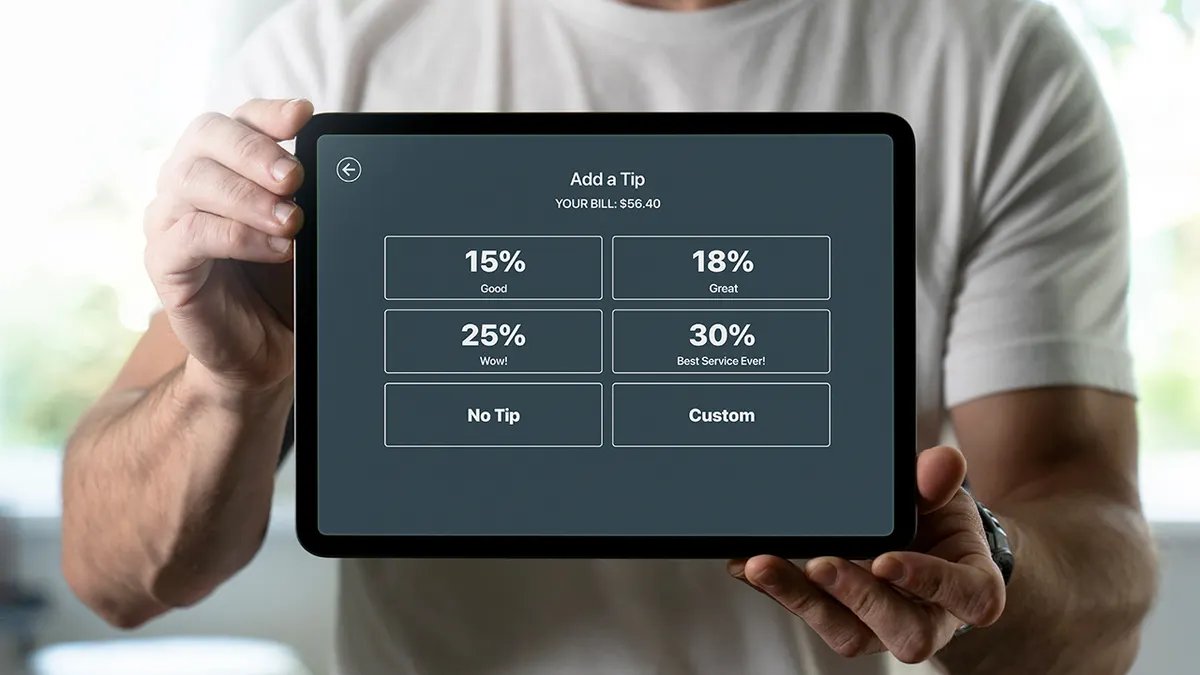
Let’s talk about those payment terminals for a moment. You know the ones. You’ve just picked up your smoothie, and the screen pivots towards you, beaming three prominent buttons: “18%,” “20%,” “25%,” with a tiny, easily overlooked option for “No Tip” or “Custom Tip.” This isn’t accidental; it’s a carefully crafted psychological nudge, designed to exploit our discomfort with deviating from the norm. It’s what behavioral economists call a “default effect” – people tend to stick with the pre-selected or most prominent options.

This aggressive prompting has fueled “tipflation,” where the standard suggested percentages have crept up over time. What was once 15% a decade ago became 18%, then 20%, and now 25% is often the mid-range option. “I feel like I’m being strong-armed,” said Michael Thompson, a self-employed graphic designer. “If I select ‘No Tip’ at a coffee shop, I feel like the barista is silently judging me. So I just hit 18% or 20% to avoid the awkwardness, even if I only bought a bottle of water.” This phenomenon is particularly potent because the interaction is often quick, face-to-face, and public. We don’t want to be perceived as stingy, especially when a helpful employee is right there.
Dr. Eleanor Vance, a social psychologist, explains: “The immediate social pressure, combined with the guilt of potentially impacting someone’s livelihood, creates a powerful incentive to conform. The digital interface removes the buffer of anonymity, making the decision feel very personal, even when it’s just a transaction. It’s a masterful design to leverage our social anxieties.” It’s an incredibly clever, if somewhat manipulative, way to ensure that despite our internal grumbling, we stick to, or even exceed, the expected 20% at restaurants and increasingly, everywhere else.
A Glimmer of Change? Alternatives and the Future of Gratuity
While the current system feels entrenched, there are whispers and even shouts for change. The paradox of Americans are fed up with tipping culture yet still adhering to its norms can’t last forever. What might the future hold?
One proposed alternative is the mandatory service charge, often 18-20%, added directly to the bill. This can provide more predictable income for staff and remove the guesswork for customers. However, consumers often view this suspiciously, wondering if the money actually goes to the staff or if they’re still expected to tip on top of it. Transparency is key here. Another approach involves restaurants simply raising menu prices to cover higher, living wages for all staff, eliminating tipping altogether. This seems the most straightforward solution for many, but as we discussed, it presents challenges for operators who fear losing price-sensitive customers.
Some advocates suggest that policy changes, such as raising the federal tipped minimum wage to match the regular minimum wage, could fundamentally shift the landscape. If servers earned a decent base salary, tips could genuinely revert to being a bonus for exceptional service, rather than a necessary component of survival. “We need a system that’s fair to both the workers and the consumers,” argued Elena Vasquez, a labor activist. “It shouldn’t be on the customer to make up for inadequate wages.”
The debate around tipping reform is complex, touching on economics, social norms, and the very culture of hospitality. It’s not an easy fix, and any significant change will require a collective shift in mindset from consumers, businesses, and policymakers alike. The journey away from the current system, if it ever fully happens, will be long and full of bumps. But the conversation has started, and that’s a crucial first step.
Conclusion: The Enduring Paradox
The situation remains a fascinating paradox: a nation collectively groaning under the weight of an expanding tipping culture, yet individually complying with its most demanding aspects. We’re caught in a loop, complaining about the ever-increasing ask while simultaneously feeling compelled to meet it, especially when dining out. This isn’t about being stingy; it’s about feeling overwhelmed and manipulated by a system that seems to have spiraled out of control. The 20% at restaurants has become the invisible tax we pay for our dining experiences, a tax we resent but feel powerless to avoid. Will this strange dance continue indefinitely, or will the growing frustration finally reach a tipping point (pun intended)? Only time will tell if Americans will truly break free from the unspoken rules of gratuity, or if this curious contradiction will remain a defining feature of our consumer culture.
Frequently Asked Questions
| Why do Americans complain about tipping but still tip 20%? | Americans often complain about tipping due to “tip creep” and feeling pressured, but still tip 20% or more due to strong social conditioning, empathy for servers who rely on tips for wages, fear of social judgment from staff, and a lack of clear, widely accepted alternatives to the current system. |
| What are the perceived benefits of the current tipping system for restaurants and staff? | For restaurants, tipping helps keep labor costs down and menu prices competitive, as customers effectively subsidize staff wages. For staff, particularly in high-volume establishments, tips can allow them to earn significantly more than a traditional hourly wage, rewarding good service directly. |
| What alternatives to traditional tipping are being explored? | Several alternatives are being explored, including mandatory service charges added to bills (often 18-20%), raising menu prices to pay staff higher fixed wages, and implementing a “no-tipping” policy. Some advocates also push for policy changes like increasing the federal tipped minimum wage. |
| What are the main challenges in reforming tipping culture in the US? | Challenges include consumer resistance to higher menu prices or mandatory service charges, staff reluctance to give up potentially high tip earnings for a fixed wage, and the deeply ingrained social norms surrounding tipping. The complex wage structures for tipped employees also make reform difficult. |
| What might the future of tipping look like in America? | The future of tipping is uncertain but likely to involve continued debate and experimentation. We might see a slow shift towards more transparent service charges or higher base wages, potentially driven by policy changes or evolving consumer expectations. However, given its deep cultural roots, a complete abolition of tipping is unlikely in the short term. |
Important Notice
This FAQ section addresses the most common inquiries regarding the topic.