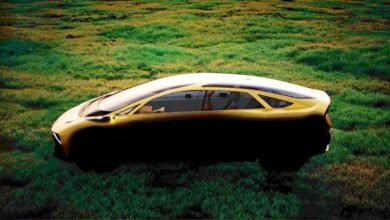
It was a brisk autumn morning, the kind where the air bites with a crisp promise of winter, yet the sun still casts long, warm shadows across the historic streets of Milan. The automotive world, however, was about to feel a different kind of chill – a surprising, almost defiant pivot from one of Italy’s most storied marques. Just when everyone had settled into the expectation that luxury brands must grow, must expand into every conceivable segment, especially the lucrative realm of grand, opulent SUVs and sedans, came the news: Alfa Romeo abandons plans to make bigger cars. (Honestly, my jaw dropped when I first heard it. It felt like a defiant stand against the current.) For years, whispers and even concrete plans suggested Alfa Romeo, under the umbrella of the massive Stellantis group, would push into larger vehicle segments, aiming for a slice of the pie dominated by German and American giants. There was a palpable anticipation for what a larger, more luxurious Alfa Romeo might look like, a true competitor in the sprawling premium segment of luxury SUVs and executive sedans. This strategic shift, however, signals a profound re-evaluation of its core identity and market position. It’s a bold move, steering away from the perceived safety of market trends towards a narrower, perhaps more authentic, vision for the future of Italian luxury vehicles. It makes you wonder, doesn’t it, what really drives these colossal decisions in an industry obsessed with scale? The message is clear: instead of chasing mass-market appeal with ever-larger offerings, Alfa Romeo is doubling down on what it believes it does best – crafting emotionally resonant, drivers-focused machines.
The Grand Vision That Wasn’t: A Brief History of Expansion Ambitions
For a considerable period, the prevailing wisdom in the automotive industry dictated a simple path to growth for premium brands: expand your footprint, both literally and figuratively. This meant not just offering more models, but critically, offering larger models, particularly in the booming SUV segment. You see, the allure of the high-riding, spacious, and often exceedingly profitable luxury SUV was undeniable. From the Porsche Cayenne to the Bentley Bentayga, brands historically known for sports cars or executive sedans found immense success by venturing into this territory.
Alfa Romeo was no stranger to this line of thinking. Following the introduction of the Giulia sedan and the Stelvio SUV, there were strong indications, and even leaked roadmaps, suggesting a natural progression towards even larger vehicles. Rumors abounded about a larger SUV, potentially a three-row variant, to compete directly with models like the BMW X5, Mercedes-Benz GLE, and Audi Q7. This wasn’t just idle speculation; executives had openly discussed the potential for such models to boost sales volumes and profit margins, especially in key markets like North America and China where demand for bigger vehicles is insatiable. The thinking was logical: if you want to compete on a global stage as a full-line premium player, you need a full-size SUV. It seemed almost inevitable, a necessary evil even, for a brand like Alfa Romeo to secure its future. The brand needed scale, and bigger cars often meant bigger sales.
The Pivotal Decision: Why the Sudden Change of Heart?
So, what prompted this dramatic U-turn? The answer, as is often the case in high-stakes corporate strategy, is multifaceted, blending pragmatic business sense with a deeper philosophical re-commitment to brand identity. Carlos Tavares, the CEO of Stellantis, is known for his ruthless efficiency and a clear vision for each brand within his colossal empire. He’s not one to shy away from tough decisions, especially when it comes to profitability and brand focus.
One key factor is likely the intense competition in the large luxury vehicle segment. It’s a crowded marketplace, saturated with highly capable, well-established players who have built decades of loyalty and expertise in crafting such vehicles. Breaking into this segment with an entirely new, larger offering would require colossal investment in development, marketing, and a battle for market share against brands with deep pockets and even deeper histories in that specific niche. “The cost of entry into the ultra-luxury, large SUV market, especially for a brand like Alfa Romeo without that long-standing heritage in that specific vehicle type, is astronomical,” remarked an anonymous industry analyst close to Stellantis. “Tavares is focused on efficient capital allocation, and throwing billions at a segment where Alfa Romeo is an underdog just doesn’t make sense when there are other, more profitable avenues.”
Reaffirming the Alfa Romeo Identity: A Return to Core Values
Beyond the financial pragmatism, there’s a strong argument that a return to smaller, sportier, and more focused vehicles aligns better with the very soul of Alfa Romeo. This is a brand built on passion, performance, and distinctive Italian design, often encapsulated in compact, agile machines. Think of the legendary Giulietta, the spirited Alfasud, or even the modern Giulia. These cars embody a certain spirit that might be diluted in a sprawling, three-row SUV.
Jean-Philippe Imparato, CEO of Alfa Romeo, has been a vocal proponent of this strategic shift. He emphasized the brand’s commitment to “premiumness, sportiness, and Italian emotion.” He stated in a recent press briefing, “We have decided to focus on what makes Alfa Romeo unique: high performance, distinctive style, and an uncompromising driving experience. This means refining our portfolio, not just expanding it blindly.” He believes that chasing scale by offering larger cars might dilute the very essence that makes an Alfa an Alfa Romeo. “Our customers expect a certain feel, a certain agility,” he explained. “We don’t want to compromise that by trying to be everything to everyone.”

Shifting Gears: The New Product Roadmap
So, what does this mean for future Alfa Romeo models? It certainly doesn’t mean stagnation. Instead, it heralds a focused push into segments where the brand can truly shine, emphasizing agility, performance, and electrification.
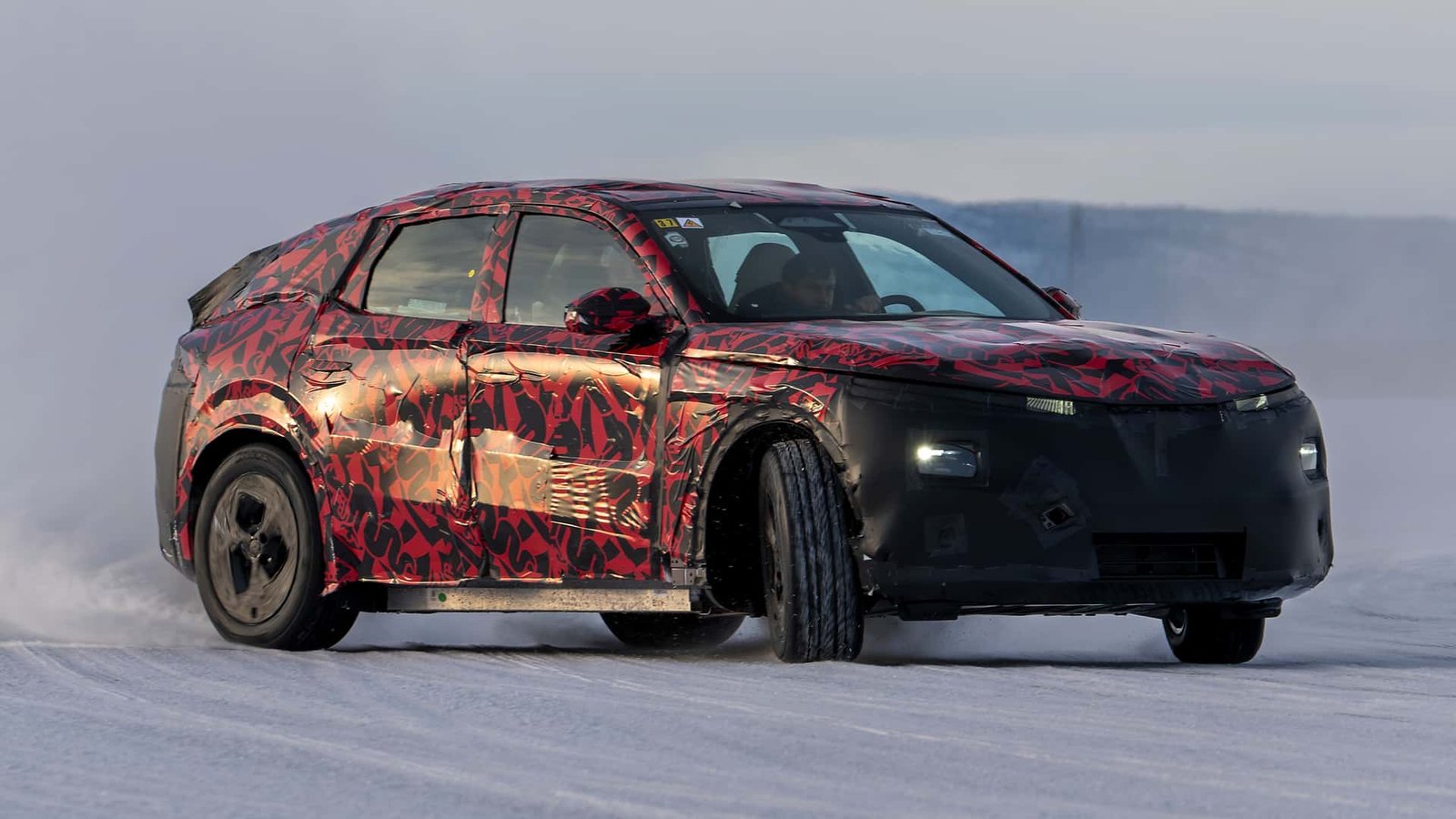
The current lineup, spearheaded by the Giulia and Stelvio, will continue to evolve. The recently introduced Tonale compact SUV perfectly embodies this new direction: it’s smaller, more accessible, and crucially, available with electrified powertrains. Following the Tonale, Alfa Romeo recently unveiled the Milano, a compact B-segment crossover, which will be the brand’s first fully electric vehicle. This model squarely targets a younger, urban demographic seeking premium style and electric performance in a nimble package.
The revised product roadmap suggests a strong emphasis on:
- Compact Premium SUVs: Models like the Tonale and Milano will serve as crucial volume drivers, offering electrified options and distinctive style in a growing segment.
- Performance-Oriented Sedans: The Giulia’s successor is likely to remain a cornerstone, perhaps with a stronger focus on electric performance to maintain its sporty credentials.
- True Sports Cars: There’s a lingering hope, and even hints, that Alfa Romeo might revive a dedicated sports car, potentially an electric one, to act as a halo model and truly embody its racing heritage. Imagine an electric 4C successor!
This revised strategy positions Alfa Romeo to leverage Stellantis’s advanced electric platforms, such as STLA Medium, for its future offerings, ensuring competitive range and performance while maintaining a more compact footprint.
Reactions from the Tifosi and Industry Watchers
The news has been met with a mix of relief and mild disappointment across the automotive landscape. For the die-hard “Tifosi” – the passionate fans of Alfa Romeo – it’s largely seen as a positive development. “Finally, they’re listening!” exclaimed Roberto Rossi, a long-time Alfa owner and enthusiast from Rome, who I met at a local car meet. “Alfa Romeo is about driving pleasure, about cars that feel alive in your hands, not about trying to outsize a Cadillac Escalade. This is a return to their true spirit.” Many purists feared that larger, heavier vehicles would dilute the brand’s performance DNA and unique driving feel.
However, some industry watchers express caution. “While admirable, focusing purely on smaller segments does limit market reach,” commented Mary Peterson, an automotive analyst at Global Auto Insights. “The profit margins on large luxury SUVs are simply too tempting to ignore, and stepping away from that requires a very strong, very unique proposition in the segments they do choose to play in.” The challenge for Alfa Romeo now is to prove that its commitment to “emotion” and “sportiness” can translate into sustainable sales and profitability without the widespread appeal of larger offerings.
The Stellantis Synergy: A Guiding Force
Being part of the Stellantis family is undeniably a double-edged sword for Alfa Romeo. On one hand, it provides access to enormous resources, shared platforms, and a global supply chain that a standalone Alfa Romeo could never dream of. The STLA platforms, particularly STLA Medium, offer incredible flexibility for creating electric vehicles across various segments, which is crucial for Alfa Romeo’s rapid shift to electrification. This allows them to develop new models more cost-effectively and rapidly.
On the other hand, being part of a mega-group means each brand must clearly define its niche and justify its existence. Carlos Tavares’s philosophy is clear: every brand must be profitable and contribute uniquely to the group’s overall success. This strategic pivot for Alfa Romeo is very much in line with that thinking. Instead of trying to mimic other premium brands in segments where Alfa lacks competitive advantage, Stellantis seems to be pushing Alfa Romeo to amplify its distinctiveness. It’s about finding that sweet spot where heritage meets modern demands, ensuring that Alfa Romeo isn’t just another badge, but a truly unique proposition within the vast Stellantis portfolio. It’s like a conductor telling each musician to play their unique instrument perfectly, rather than trying to make them all sound like trombones.
The Road Ahead: Electric and Compact
The future for Alfa Romeo is undeniably electric, and it seems, more compact. The brand has committed to going fully electric by 2027 in Europe and 2028 globally. This decision to abandon larger cars fits seamlessly into an electrified future. Smaller, lighter vehicles are inherently more efficient as electric vehicles, offering better range and performance from smaller battery packs. This means an electrified Alfa Romeo can maintain its core values of agility and driving dynamics without the added weight and bulk that would come with larger, battery-laden models.
The vision is clear: high-performance electric vehicles that are still undeniably Alfa Romeo. This will require engineering prowess to inject that signature “emotion” into silent, electric powertrains. It’s a daunting task, but one that, frankly, seems more achievable in a compact, nimble package than in a colossal SUV. This bold pivot away from the conventional wisdom of ‘bigger is better’ could very well be the defining moment for Alfa Romeo, allowing it to carve out a unique and profitable niche in the rapidly evolving automotive landscape. It’s a risky game, but then again, when has Alfa Romeo ever shied away from passion and a bit of daring?
Frequently Asked Questions
| Why has Alfa Romeo decided to abandon plans for bigger cars? | Alfa Romeo’s decision stems from a strategic re-evaluation focused on brand identity, profitability, and intense competition in the large luxury segment. CEO Carlos Tavares of Stellantis emphasized efficient capital allocation, and developing larger cars would involve immense investment in an already crowded market where Alfa Romeo lacks deep heritage. The brand aims to return to its core values of sportiness, agility, and Italian emotion, which are better embodied in more compact vehicles. |
| What are the potential benefits of this strategic shift for Alfa Romeo? | This strategy allows Alfa Romeo to reinforce its unique brand identity, focusing on what it does best: crafting performance-oriented, emotionally resonant vehicles. It avoids costly head-to-head competition with established players in the large luxury segment, potentially leading to better profitability and more efficient use of resources. Furthermore, smaller vehicles are naturally more suited for electrification, aligning perfectly with the brand’s aggressive EV transition plans. |
| How will this new strategy affect Alfa Romeo’s future model lineup? | The future lineup will emphasize compact premium SUVs like the Tonale and the upcoming Milano (its first fully electric model), alongside performance-oriented sedans like the successor to the Giulia. There’s also potential for dedicated, high-performance electric sports cars to act as halo models. The focus will be on agile, driver-centric vehicles with distinctive Italian design and advanced electrified powertrains, leveraging Stellantis’s flexible STLA platforms. |
| What challenges might Alfa Romeo face with this revised product strategy? | The primary challenge will be to achieve sustainable sales volumes and profitability in a more niche market. While appealing to purists, a narrower focus on smaller segments might limit overall market reach compared to brands offering a broader range including larger, high-margin SUVs. Alfa Romeo must also successfully translate its traditional “emotion” and driving dynamics into its rapidly expanding electric vehicle offerings to maintain brand appeal. |
| What does this mean for Alfa Romeo’s long-term vision and electric vehicle plans? | This strategic shift strongly supports Alfa Romeo’s long-term vision to go fully electric by 2027 in Europe and 2028 globally. Smaller, lighter vehicles are inherently more efficient as EVs, offering better range and dynamic performance from smaller battery packs. The brand aims to create high-performance electric vehicles that retain the core Alfa Romeo essence of agility and driving pleasure, proving that electrification can complement, rather than compromise, its passionate brand identity. |
Important Notice
This FAQ section addresses the most common inquiries regarding the topic.