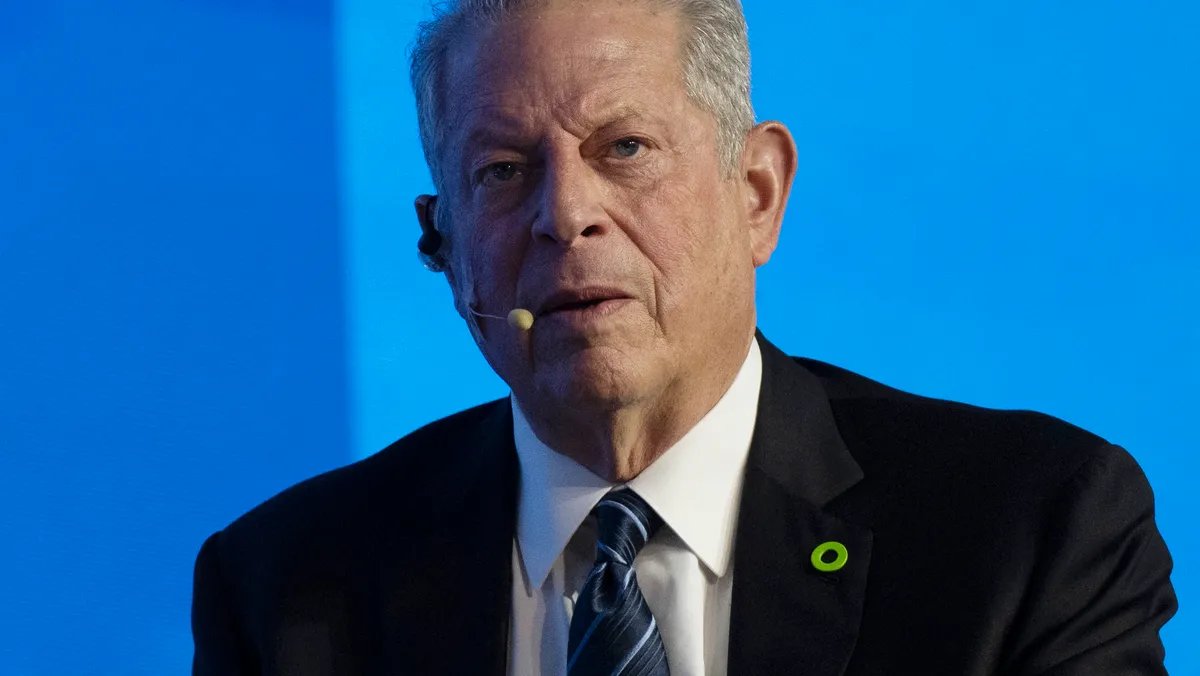
It was a crisp autumn evening in Nashville, the air thick with the scent of woodsmoke and the murmur of political anticipation. The Ryman Auditorium, normally echoing with country music legends, was filled with a different kind of energy. Al Gore, the former Vice President and lifelong advocate for environmental action, stood on stage, his voice ringing with urgency. He wasn’t there to sing, but to deliver a clarion call: Tennessee Democrats, he urged, needed to send a “shock wave” through the upcoming elections. (I overheard someone in the crowd whisper, “He’s still got it!”) The atmosphere was charged, a palpable sense that something significant was brewing. Gore’s message was clear: the time for incremental change was over. Bold action, especially on climate change, was essential, and Tennessee could be a catalyst. He emphasized the importance of voting, not just in presidential elections, but in every local and state race. Every single vote, he stressed, could contribute to a resounding message. This wasn’t just about winning; it was about making a statement, about showing the nation that Tennessee was ready for a progressive future. But what exactly did this “shock wave” entail? And could Tennessee, a state often considered deeply red, actually deliver such a seismic shift?
Gore’s appearance in Nashville wasn’t just a spontaneous rally. It was a carefully calculated move, a strategic intervention in a state where Democrats have struggled to gain traction in recent years. Tennessee has become increasingly Republican, but Gore believes there’s a sleeping giant of progressive voters just waiting to be awakened. This includes younger voters, minorities, and urban residents concentrated in areas like Nashville and Memphis. He argued that by focusing on key issues like climate change, affordable healthcare, and education, Democrats could energize these voters and create a coalition strong enough to challenge the Republican dominance. The challenge, of course, lies in overcoming the ingrained political culture and the perception that Tennessee is a lost cause for Democrats.
The former Vice President has never shied away from a challenge, particularly when it comes to the environment. His commitment to fighting climate change is unwavering, and he sees Tennessee as a crucial battleground in this fight. He believes that the state’s natural beauty and its vulnerability to extreme weather events make it a prime example of why action is needed now. Think about the impact of devastating floods in recent years, or the increasing frequency of extreme heat waves. These are the kinds of events that resonate with people and can drive them to demand change. But can Gore’s “shock wave” strategy really work? Or is it just wishful thinking in a state that seems to be drifting further and further to the right? Only time will tell, but one thing is certain: Al Gore’s visit has injected a new sense of urgency and hope into the Tennessee Democratic party.
Gore’s Strategy: Mobilizing the Base and Expanding the Tent
Gore’s call for a “shock wave” isn’t just about inspiring Democrats; it’s about fundamentally changing the way they campaign in Tennessee. His strategy involves several key components:
* Increased Voter Registration: Focusing on registering new voters, particularly young people and minorities, who are traditionally underrepresented in Tennessee elections.
* Targeted Outreach: Tailoring messages to specific communities, addressing their unique concerns and needs.
* Grassroots Organizing: Building a strong network of volunteers and activists who can mobilize voters and spread the word.
* Issue-Based Campaigns: Focusing on issues that resonate with voters, such as climate change, affordable healthcare, and education.
* Challenging Republican Dominance: Actively contesting every race, from local school board elections to statewide contests.
He believes that by implementing these strategies, Democrats can create a groundswell of support that will not only win elections but also fundamentally shift the political landscape in Tennessee. A local campaign organizer, who asked to remain anonymous, said, “Gore’s visit was a huge boost. It reminded everyone that we can’t give up, that we have to fight for what we believe in. It’s about more than just winning; it’s about building a better future for Tennessee.”
The Challenges Ahead: A Deeply Red State
Despite Gore’s optimism, the path to a Democratic “shock wave” in Tennessee is fraught with challenges. The state has a long history of Republican dominance, and the current political climate is particularly unfavorable to Democrats. Here are some of the key obstacles they face:
* Republican Supermajority: The Republican party controls both houses of the Tennessee legislature with supermajorities, making it difficult for Democrats to pass legislation or influence policy.
* Gerrymandering: Congressional and state legislative districts have been drawn in a way that favors Republicans, making it harder for Democrats to win elections.
* Voter Suppression: Efforts to restrict voting access, such as strict voter ID laws, disproportionately affect minority and low-income voters, who tend to vote Democratic.
* Negative Perceptions: The Democratic party has struggled to overcome negative perceptions in Tennessee, particularly in rural areas, where it is often seen as out of touch with local values.
* Funding Disparities: Democratic candidates often face a significant funding disadvantage compared to their Republican counterparts.

“It’s an uphill battle, no doubt,” admitted Sarah Miller, a Democratic activist from Memphis. “But we can’t let these challenges discourage us. We have to work harder, smarter, and more strategically than ever before. Gore’s visit gives us the energy and focus we need to keep pushing forward.”
The Role of Climate Change in the Tennessee Election
Al Gore’s emphasis on climate change is particularly relevant in Tennessee, a state that is increasingly vulnerable to the effects of global warming. Extreme weather events, such as floods, droughts, and heat waves, are becoming more frequent and intense, impacting the state’s economy, environment, and public health. By highlighting these impacts and advocating for policies to mitigate climate change, Democrats can appeal to a broader range of voters, including those who may not traditionally identify as environmentalists.
For example, the devastating floods that ravaged Middle Tennessee in recent years have caused billions of dollars in damage and displaced thousands of people. These events serve as a stark reminder of the real and immediate consequences of climate change. Similarly, the increasing frequency of extreme heat waves poses a serious threat to public health, particularly for vulnerable populations like the elderly and those with chronic illnesses. By connecting these events to climate change and proposing solutions, Democrats can demonstrate that they are addressing the issues that matter most to Tennesseans.
Reactions and Analysis: A Divided State
The reactions to Gore’s visit and his “shock wave” strategy have been mixed, reflecting the deep political divisions within Tennessee. Republicans have dismissed his efforts as a desperate attempt to revive a dying party, while Democrats have hailed him as a visionary leader who can inspire change. Political analysts are divided on whether Gore’s strategy can succeed, with some arguing that it is unrealistic given the state’s political landscape, while others believe that it could be a game-changer if executed effectively.
Professor Emily Carter, a political science professor at Vanderbilt University, offered this assessment: “Gore’s visit is certainly significant, but it’s important to be realistic about the challenges. Tennessee is a deeply red state, and it will take more than just one visit to change that. However, Gore’s focus on mobilizing the base and expanding the tent is a sound strategy, and if Democrats can effectively communicate their message and connect with voters, they could make some significant gains.”
The success of Gore’s strategy will ultimately depend on the ability of Democrats to overcome the challenges they face and to connect with voters on a personal level. It will require a sustained effort, a clear message, and a strong commitment to grassroots organizing. But if they can pull it off, they might just be able to create the “shock wave” that Al Gore is hoping for.
The Future of Tennessee Politics: A Shifting Landscape?
The 2024 election cycle in Tennessee will be a crucial test of Gore’s “shock wave” strategy. While the presidential election may not be competitive in the state, there are several key state and local races that could provide a glimpse into the future of Tennessee politics. If Democrats can make significant gains in these races, it could signal a shift in the political landscape and pave the way for future victories.
However, even if Democrats fail to achieve a “shock wave” in the short term, Gore’s visit and his strategy could still have a lasting impact on Tennessee politics. By raising awareness about key issues like climate change and mobilizing new voters, he could help to build a stronger and more vibrant Democratic party in the state. And that, in itself, would be a significant accomplishment.
Whether Tennessee will experience a political “shock wave” remains to be seen. But Al Gore’s efforts have undoubtedly injected new energy into the state’s Democratic party and ignited a debate about the future of Tennessee politics. As the election season unfolds, all eyes will be on Tennessee to see if Gore’s vision can become a reality. It’s a long shot, maybe. But stranger things have happened in politics, right?
I think the most important thing is that people get out and vote. Regardless of your political affiliation, your voice matters. And that’s something we can all agree on.