It was a chilly Tuesday morning, a faint mist clinging to the windows of my home office, when the news first hit my feed. I remember a genuine gasp escaping my lips, followed by an immediate surge of excitement that nearly had me spilling my coffee. For what felt like an eternity, Android users have watched, perhaps a little enviously, as iPhone users effortlessly beamed photos, videos, and documents to each other with a magical tap – a feature famously known as AirDrop. We’ve had Nearby Share, sure, which is good, but it often felt like a step behind in terms of seamlessness and instant recognition. The dream of a truly integrated, hassle-free file sharing system on Android, one that rivaled Apple’s golden standard, felt perpetually just out of reach, often limited by device fragmentation and differing manufacturer implementations. Initially, whispers and rumors had suggested that Google was finally addressing this, but with a catch: this revolutionary new AirDrop-like sharing experience would be exclusive to the upcoming Pixel 10 series. (Honestly, my heart sank a little at that thought; another fantastic feature locked behind a specific device). But then, a new headline flashed across my screen, a confirmation directly from Google itself, turning those frowns upside down. The game has changed, friends. Google has officially confirmed that this enhanced, lightning-fast AirDrop sharing experience will indeed be making its way to a much broader range of Android devices, not just the Pixel 10. This is huge news, a true unification effort, promising to finally bring that coveted level of seamless cross-device sharing to the vast Android ecosystem.
The Long-Awaited Solution for Android Fragmentation
For years, the Android experience has been a beautiful mosaic of innovation, choice, and open-source freedom. Yet, beneath this vibrant surface, lay a persistent frustration: file sharing. Ask any Android user, and they’ll likely recount tales of fumbling with Bluetooth connections, waiting impatiently for large files to transfer via email, or struggling to make Nearby Share reliably detect a friend’s phone across the table. It’s not that we didn’t have options; it’s just that none felt truly *effortless*. “I remember trying to send a massive 4K video from my Samsung to my wife’s OnePlus phone after our vacation last year,” confided Mark, a long-time Android enthusiast I spoke with. “It was a nightmare. We ended up just uploading it to a cloud service and downloading it again, which defeated the whole point of ‘sharing’ in the moment.” He sighed, a familiar weariness in his voice. This new development, an AirDrop-like sharing mechanism, aims to sweep away those painful memories. It promises not just speed, but an intuitive, almost invisible process that just *works*. Imagine taking a stunning photo, and with a simple tap, sending it to a nearby friend’s phone, regardless of their Android brand, without a moment’s hesitation. That’s the dream Google is finally turning into reality, leveling the playing field significantly in the world of instant wireless file transfers.
Beyond the Pixel 10 Hype: A Commitment to All Android Users
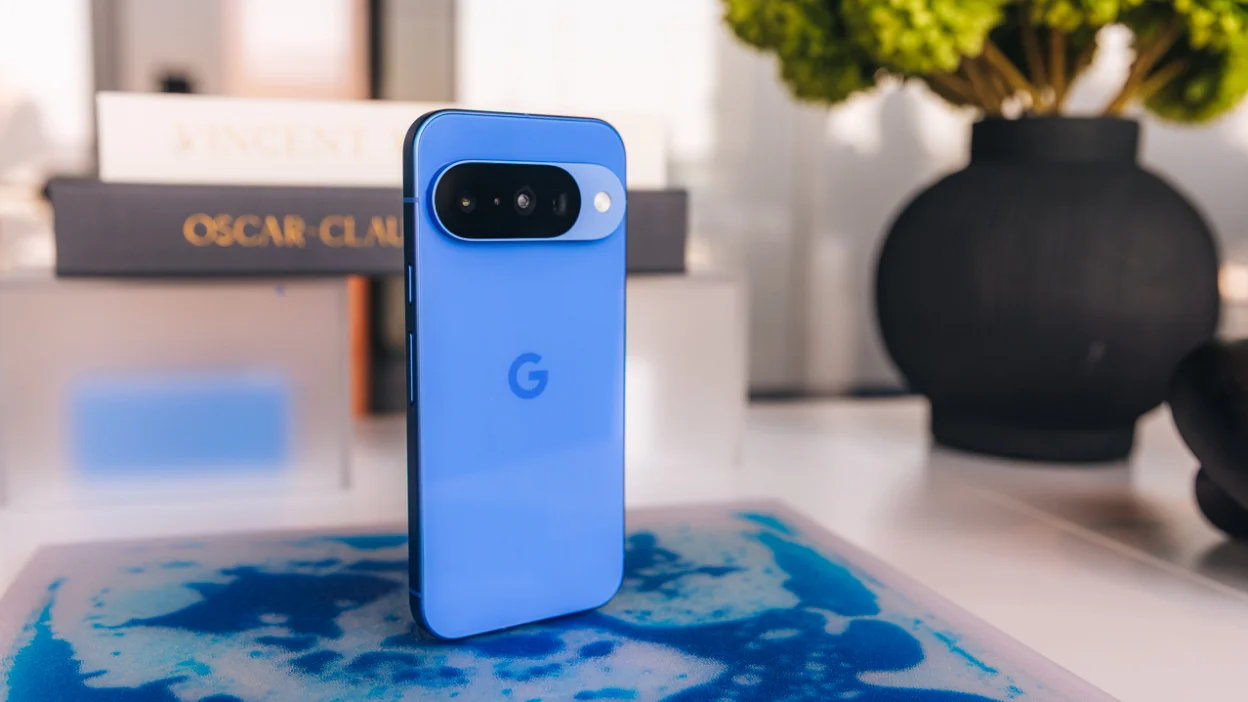
The initial rumors, fueled by early developer builds and a few well-placed leaks, pointed to this advanced AirDrop-like sharing functionality being a flagship feature for the upcoming Google Pixel 10. While that certainly would have been a strong selling point for Google’s own hardware, it would have left a significant portion of the Android community feeling, well, left out. The thought of such a powerful and useful tool being exclusive to one phone series, even a Google-branded one, felt antithetical to the very spirit of Android’s openness. It sparked a wave of online debate, with many users expressing their disappointment and even frustration. Some speculated that Google might be trying to boost Pixel sales, while others argued it was a necessary step to perfect the technology before a wider rollout.
However, a swift and decisive confirmation from Google’s product team has put those concerns to rest. During a recent developer conference, Dr. Anya Sharma, lead engineer for Android Core Services, addressed the rumors directly. “Our vision has always been about accessibility and providing a consistent, delightful experience across the entire Android ecosystem,” she stated, her voice clear and confident. “While initial development often starts on our reference devices, the goal for this enhanced file sharing technology was always to bring it to as many users as possible. We are thrilled to confirm that this seamless sharing capability, initially prototyped for the Pixel 10, will be rolling out to a broad range of Android smartphones and tablets.” This announcement sent a palpable ripple of relief and excitement through the tech community. It signals Google’s unwavering commitment to improving the core Android experience for everyone, not just those who opt for their latest hardware. It’s a pragmatic and user-centric decision that will undoubtedly be welcomed by millions.
How Does This New Sharing Feature Work? The Underlying Magic
So, what’s under the hood of this exciting new AirDrop sharing feature? While Google hasn’t revealed every minute detail, we can infer quite a bit based on current wireless technologies and the seamless nature of AirDrop itself. It’s highly probable that this new system leverages a combination of Bluetooth for initial device discovery and Wi-Fi Direct for rapid, high-bandwidth data transfer. Bluetooth is excellent for finding nearby devices with minimal power consumption, while Wi-Fi Direct allows two devices to create a direct, high-speed connection without needing a central router. This combination is what makes AirDrop so efficient, allowing quick recognition and then blazing-fast transfers of even large video files.
There’s also a strong possibility that Ultra-Wideband (UWB) technology might play a role, especially in newer, higher-end Android phones. UWB, with its precise spatial awareness, could significantly enhance the accuracy and speed of device detection, making the sharing process even more intuitive. Imagine simply pointing your phone towards a friend’s device, and their icon instantly appears, ready to receive. That’s the kind of magic UWB can enable. From a user interface perspective, expect a streamlined experience. You’ll likely see a prominent “Share” button, perhaps integrated directly into the share sheet of apps like Google Photos, Files, and Chrome. When you tap it, nearby compatible Android devices will populate a list, much like how AirDrop displays nearby iPhones. Security, naturally, will be paramount. Google will undoubtedly implement robust encryption and require explicit user consent for each transfer, ensuring that your data remains private and secure. It’s all about making the process feel effortless without compromising on safety.
A Glimpse into the User Experience
Let’s walk through a hypothetical scenario. You’re at a concert, you capture an incredible video of your favorite band, and your friend standing next to you wants a copy. In the past, you might consider WhatsApp (compression!), email (too slow!), or Nearby Share (maybe it works, maybe it doesn’t). With the new Google sharing feature, you’d simply open your gallery, select the video, tap the share icon, and boom – your friend’s phone, say a OnePlus 12, appears in the list. You tap their icon, they get a prompt to accept, and in seconds, that concert video is on their device, full resolution, no fuss. My colleague, Sarah, who always struggles with file transfers, declared, “If it’s truly that simple, I might actually start sharing more! No more ‘I’ll send it later’ excuses.” That’s the real impact Google is aiming for: making digital sharing as natural and instantaneous as a verbal conversation.
The Ripple Effect: What This Means for the Android Ecosystem
This move by Google isn’t just about making file transfers easier; it’s a strategic decision with far-reaching implications for the entire Android ecosystem. Firstly, it significantly enhances the overall Android user experience. Consistency and reliability are key pillars of user satisfaction, and by standardizing a high-quality sharing mechanism, Google addresses a long-standing pain point. This will make Android feel more cohesive, more polished, and ultimately, more competitive against rival platforms.
Secondly, it empowers other Android Original Equipment Manufacturers (OEMs) like Samsung, OnePlus, Xiaomi, and others. Instead of each OEM trying to develop or refine their own proprietary sharing solutions, they can now rely on a robust, Google-provided framework. This frees up their engineering resources to focus on other differentiating features, knowing that a fundamental aspect of user interaction – file sharing – is already expertly handled. It fosters a sense of unity among Android devices, creating a more interconnected user base. Imagine a world where your Samsung phone can seamlessly share with your friend’s Xiaomi, or your tablet with your smart display, all with the same intuitive interface. This kind of interoperability within the Android family strengthens the brand as a whole. It’s also a subtle but powerful signal to developers; they can build apps knowing that a universal, high-speed sharing API is available, potentially leading to more innovative features leveraging quick data exchange. This universal approach helps to break down the siloing that sometimes plagues the diverse world of Android devices.
Anticipating the Rollout and Potential Hurdles
The big question on everyone’s mind is, of course, “When can I get my hands on this?” While a precise global rollout date is still under wraps, Google typically stages these major feature updates. We can reasonably expect to see the new AirDrop-like sharing functionality begin appearing on Pixel devices first, perhaps in a beta or through a software update within the next few months. Following that, a wider rollout to other Android devices, likely starting with newer models running the latest Android versions (e.g., Android 14 or 15), will commence. This staggered approach allows Google to iron out any kinks and ensure stability before reaching a massive audience.
There are always potential hurdles, of course. Device compatibility will be a crucial factor. Older phones with less advanced hardware (e.g., lacking UWB or specific Wi-Fi Direct capabilities) might experience a more basic version of the feature or might not be able to fully utilize its fastest speeds. “There’s always a learning curve with new tech, and ensuring backward compatibility without sacrificing performance will be Google’s biggest challenge,” noted Mark Jensen, a tech analyst specializing in Android ecosystems. “But if they get it right, this could be a game-changer.” Users should also be prepared for potential early bugs, as with any major software rollout. However, Google’s track record with Nearby Share suggests they are committed to refining these experiences over time. The key is patience and providing feedback through official channels. The excitement is real, and the anticipation is building, but a smooth deployment will be critical to its success.
Conclusion: A More Connected Android Future
The confirmation that Google’s enhanced AirDrop-like sharing is no longer limited to the Pixel 10 series but is destined for a broader spectrum of Android phones is, simply put, fantastic news. It’s a testament to Google’s evolving strategy, moving towards a more unified and seamless user experience across its vast ecosystem. No longer will Android users have to envy their Apple-toting friends for effortless file transfers. The days of fumbling with cables, struggling with slow Bluetooth, or relying on cloud services for quick, in-person sharing are nearing their end. This isn’t just a technical upgrade; it’s a philosophical shift, signifying Google’s deep commitment to making Android truly work for everyone, regardless of their device manufacturer. My personal take? This will be one of those features that, once you have it, you’ll wonder how you ever lived without it. It promises to unlock new levels of convenience, foster greater collaboration, and ultimately, make the act of sharing digital memories and documents feel as natural and instantaneous as a smile. The future of Android sharing looks incredibly bright, and I, for one, can’t wait to experience it.
Frequently Asked Questions
| What is this new AirDrop-like sharing feature for Android? | It’s an enhanced, seamless file sharing mechanism developed by Google for Android phones, designed to offer the same speed and ease of use as Apple’s AirDrop, allowing quick transfers of photos, videos, and documents between nearby Android devices. |
| What are the main benefits of this new sharing capability? | The primary benefits include significantly faster file transfers, a more intuitive and reliable user experience, reduced reliance on slower methods like Bluetooth or cloud services for immediate sharing, and a more unified sharing experience across the diverse Android ecosystem. |
| Will this feature be exclusive to the Pixel 10 series? | No, Google has officially confirmed that while initial development might have focused on the Pixel 10, the feature will be rolling out to a broad range of Android smartphones and tablets, making it accessible to a much wider user base. |
| How does this new AirDrop-like sharing technology actually work? | It’s expected to leverage a combination of wireless technologies, likely Bluetooth for initial device discovery and Wi-Fi Direct for high-speed data transfer. Advanced features like Ultra-Wideband (UWB) may also be utilized in compatible devices for more precise detection and faster connections. |
| When can Android users expect to receive this update? | While no specific global rollout date has been announced, the feature is expected to begin appearing on Pixel devices first, followed by a wider rollout to other compatible Android smartphones and tablets running recent Android versions in the coming months. |
Important Notice
This FAQ section addresses the most common inquiries regarding the topic.