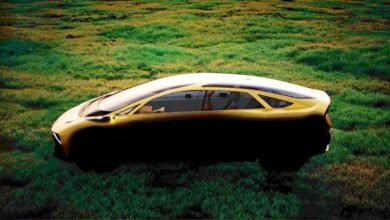
The initial excitement surrounding the Kia EV4 was palpable. Imagine a stylish, well-equipped electric sedan with a potential range of up to 330 miles, all while boasting a price tag in the $30,000 range. That’s a recipe for success, right? It seemed like Kia had cracked the code, offering an EV that was both accessible and desirable. It even made its U.S. debut at the New York Auto Show in April, further fueling anticipation.
## Why the EV4’s Delay Matters: Affordability in the EV Market
The EV4’s delay isn’t just about one specific car; it’s about the broader issue of affordability in the electric vehicle market. For widespread EV adoption to truly take hold, electric cars need to be accessible to a wider range of consumers. And sedans, traditionally more affordable than SUVs, play a crucial role in that equation.
The promise of a sub-$40,000 EV with decent range and features is a powerful one. It opens up the possibility of EV ownership to families and individuals who might otherwise be priced out of the market. The EV4, with its targeted price range, aimed to be a game-changer. Its delay, therefore, represents a setback in the push for more affordable EVs.
### The Tesla Model 3 Effect: A Benchmark for Electric Sedans
Think about the Tesla Model 3. It’s arguably the most successful electric sedan on the market, and a large part of its appeal is its combination of performance, technology, and, relative to other EVs, affordability. The EV4 was positioned as a direct competitor to the Model 3, offering a similar package at a potentially lower price point.
The Model 3 has proven that there’s a strong demand for electric sedans. The EV4 aimed to capitalize on this demand by offering a compelling alternative. Its delay leaves a void in the market, giving Tesla more breathing room and potentially slowing down the overall adoption of electric sedans.
### The Importance of Charging Infrastructure and NACS
One of the key features of the EV4 was its planned adoption of the North American Charging Standard (NACS) plug, the same charging standard used by Tesla. This was a significant move, as it would have given EV4 owners access to Tesla’s extensive Supercharger network.
The NACS standard is quickly becoming the industry norm, with many automakers announcing plans to adopt it. Access to a reliable and widespread charging network is crucial for EV adoption, and the EV4’s planned NACS compatibility was a major selling point. Its delay means that potential buyers will have to wait longer for an affordable EV with access to this charging infrastructure.
## Behind the Delay: Unpacking the Reasons
So, why the delay? Kia’s official statement cites “changed market conditions for EVs.” But what does that really mean? Let’s break down some of the potential factors at play.
### Shifting Consumer Preferences: SUVs Reign Supreme
One of the biggest trends in the automotive market is the continued dominance of SUVs. Consumers are increasingly drawn to the higher ride height, increased cargo space, and perceived safety of SUVs.
This shift in consumer preference could be a factor in Kia’s decision to delay the EV4. Perhaps they’re re-evaluating the market demand for electric sedans and prioritizing the development and production of electric SUVs instead. At the end of the day, automakers need to produce vehicles that people want to buy, and right now, that’s often SUVs.
### The Cost of Battery Technology: A Major Hurdle
Battery technology is the most expensive component of an electric vehicle. The cost of batteries directly impacts the overall price of the car, and fluctuations in battery prices can significantly affect an automaker’s profitability.
Perhaps Kia is facing challenges in sourcing affordable batteries for the EV4. The company may be waiting for battery prices to come down further before launching the sedan in the U.S. This would allow them to offer the EV4 at a competitive price point while still maintaining a healthy profit margin. It’s also possible that the specific battery chemistry they were planning to use is facing supply chain constraints.
### The 400-Volt Architecture: Balancing Cost and Performance
The EV4 was designed with a 400-volt electrical architecture, rather than the 800-volt architecture found in the Kia EV6 and EV9. This decision was made to lower the cost of the vehicle, but it also results in slower DC fast-charging speeds.
While a 400-volt architecture can help reduce the price of an EV, it also means that the car will take longer to charge at DC fast-charging stations. This could be a disadvantage in a market where consumers are increasingly demanding faster charging times. Kia may be re-evaluating the trade-off between cost and charging speed and considering whether to upgrade the EV4 to an 800-volt architecture in the future.
### Government Incentives and Regulations: A Moving Target
Government incentives and regulations play a significant role in the EV market. Tax credits, rebates, and emissions standards can all influence consumer demand and automaker strategies.
Changes in government policies could be another factor in Kia’s decision to delay the EV4. For example, changes to the federal EV tax credit could make the EV4 less attractive to consumers. Similarly, stricter emissions standards could incentivize Kia to focus on other EV models that are more compliant. Navigating this complex regulatory landscape can be challenging for automakers, and it often requires them to adapt their plans accordingly.
## The Impact on Consumers: What Does This Mean for You?
The delay of the Kia EV4 has several implications for consumers. Most notably, it means that the wait for an affordable electric sedan just got longer.
### Fewer Affordable EV Options: A Limited Market
The EV market is still relatively small, and the number of affordable EV options is even smaller. The EV4 was poised to be a significant addition to this segment, offering a compelling alternative to the Tesla Model 3 and other entry-level EVs.
Its delay means that consumers will have fewer choices when shopping for an affordable EV. This could lead to higher prices and longer wait times for the available models. It also limits the opportunity for more people to experience the benefits of electric vehicle ownership.
### The Continued Dominance of SUVs: A Missed Opportunity?
As mentioned earlier, SUVs are currently dominating the automotive market. The EV4’s delay reinforces this trend, as it means that consumers will have one less sedan option to choose from.
This could be a missed opportunity for Kia. By focusing solely on SUVs, they may be overlooking a segment of the market that is looking for a more efficient and affordable alternative. Sedans offer several advantages over SUVs, including better fuel economy (or in this case, energy efficiency), better handling, and lower prices. The EV4 could have been a game-changer in the electric sedan market, but its delay means that this potential will remain untapped for now.
### A Potential Shift in Kia’s EV Strategy: A New Direction?
The delay of the EV4 could signal a shift in Kia’s overall EV strategy. Perhaps they are re-evaluating their product portfolio and prioritizing certain models over others.
It’s possible that Kia is focusing its resources on developing and producing electric SUVs, which are currently in higher demand. They may also be prioritizing models with higher profit margins, even if it means delaying the launch of more affordable options like the EV4. Only time will tell what the future holds for Kia’s EV strategy, but the EV4’s delay suggests that some changes are afoot.
## What Can Kia Do? Charting a Path Forward
Despite the delay, Kia still has an opportunity to bring the EV4 to the U.S. market in the future. However, they need to address the challenges they are currently facing and develop a clear plan for moving forward.
### Re-evaluate Pricing and Features: Finding the Sweet Spot
One of the most important things Kia can do is to re-evaluate the pricing and features of the EV4. They need to find the sweet spot that will make the car attractive to consumers while still allowing them to maintain a healthy profit margin.
This may involve making some compromises. For example, they could offer different trim levels with varying levels of features and range. They could also consider using a different battery chemistry or a different electrical architecture to reduce costs. The key is to find the right balance between price, performance, and features.
### Invest in Charging Infrastructure: Building a Network
Access to a reliable charging network is crucial for EV adoption. Kia can play a role in expanding the charging infrastructure by investing in the development of new charging stations or partnering with existing charging networks.
This would make it easier for EV4 owners to charge their vehicles, which would make the car more attractive to potential buyers. Kia could also offer incentives for customers to install home charging stations, which would further reduce range anxiety and make EV ownership more convenient.
### Advocate for Government Incentives: Shaping the Market
Government incentives can play a significant role in the EV market. Kia can advocate for policies that support EV adoption, such as tax credits, rebates, and emissions standards.
This would help to create a more favorable environment for EVs, which would benefit both consumers and automakers. Kia could also work with government agencies to develop new programs that support EV infrastructure and promote EV awareness. By actively engaging with policymakers, Kia can help to shape the future of the EV market.
### Communicate Transparently: Building Trust
Transparency is key to building trust with consumers. Kia should be open and honest about the reasons for the EV4’s delay and provide regular updates on its progress.
This would help to manage expectations and prevent rumors from spreading. Kia should also be willing to answer questions from consumers and address their concerns. By being transparent and communicative, Kia can maintain its reputation and build stronger relationships with its customers.
## The Future of Affordable EVs: What Lies Ahead?
The delay of the Kia EV4 is a setback, but it doesn’t mean that the dream of affordable EVs is dead. In fact, there are several reasons to be optimistic about the future.
### Continued Technological Advancements: Lowering Costs
Battery technology is constantly improving, and prices are steadily declining. This trend is expected to continue in the coming years, which will make EVs more affordable.
New battery chemistries, such as solid-state batteries, promise to offer even greater energy density and lower costs. As battery technology continues to advance, the price of EVs will inevitably come down, making them accessible to a wider range of consumers.
### Increased Competition: Driving Innovation
The EV market is becoming increasingly competitive, with more and more automakers entering the fray. This competition is driving innovation and forcing automakers to offer better products at lower prices.
New EV startups are also emerging, challenging the established automakers and pushing the boundaries of what’s possible. As competition intensifies, consumers will benefit from a wider range of choices and lower prices.
### Government Support: Accelerating Adoption
Governments around the world are increasingly supporting EV adoption through incentives, regulations, and infrastructure investments. This support is helping to accelerate the transition to electric vehicles.
Many countries have set ambitious targets for EV sales and are implementing policies to encourage consumers to switch to electric vehicles. These policies are creating a more favorable environment for EVs and are helping to drive down their cost.
## A Temporary Setback, Not a Dead End
The delay of the Kia EV4 in the U.S. is undoubtedly disappointing for those who were eagerly anticipating its arrival. It represents a setback in the push for more affordable EVs and highlights the challenges that automakers face in bringing these vehicles to market.
But it’s important to remember that this is not a dead end. The EV market is constantly evolving, and new opportunities are emerging all the time. Kia still has the potential to bring the EV4 to the U.S. market in the future, and other automakers are working on their own affordable EV models.
Ultimately, the future of affordable EVs depends on continued technological advancements, increased competition, and government support. With these factors in place, the dream of accessible electric vehicle ownership can become a reality. The question now becomes: how long will we have to wait?
Word Count: 1975