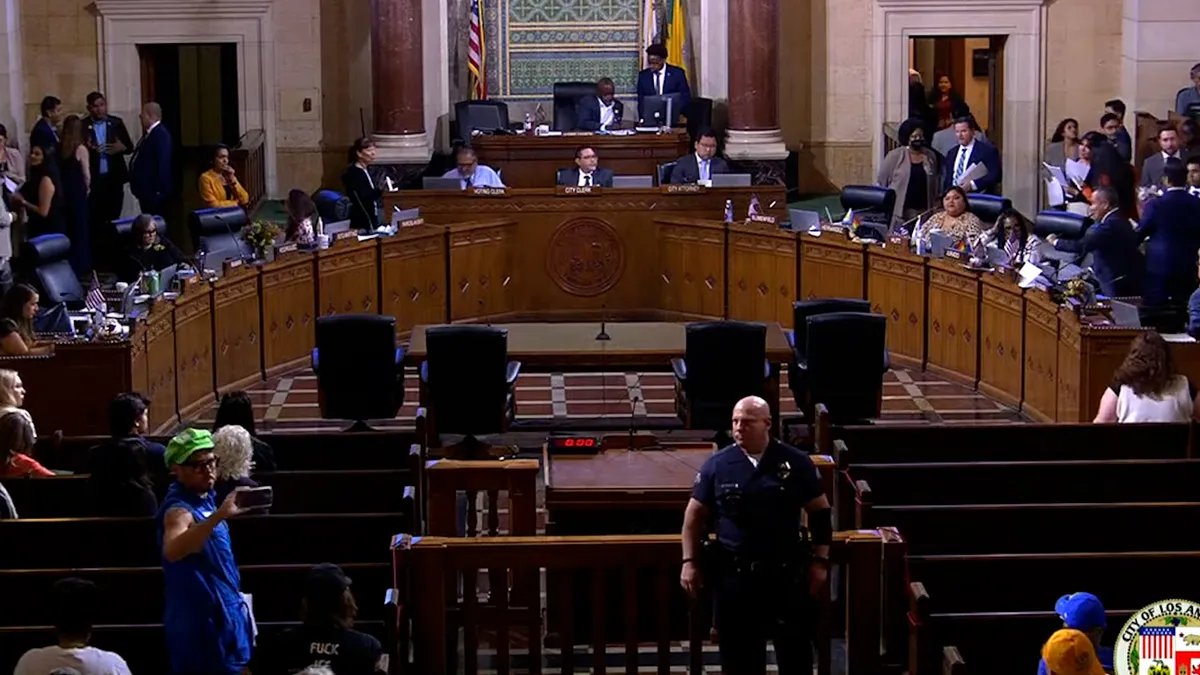
The air in the Los Angeles City Hall is thick these days, not just with the usual political maneuvering, but with a palpable tension. The cause? A proposal to ban the N-word from being uttered during official meetings. Imagine the scene: fluorescent lights buzzing, the murmur of hushed conversations, and then, the stark silence that falls when the forbidden word is spoken. It’s a word that carries the weight of centuries of oppression, a word that still stings with venomous history. (It’s hard to imagine anyone *wants* to use it, but here we are.) The debate isn’t just about semantics; it’s a fiery clash between free speech rights and the need for a respectful and inclusive public discourse. For many, the very idea of the N-word being used in a government setting, a place that should represent and protect *all* citizens, is abhorrent.
The proposal has ignited passions across the city, sparking heated discussions at community forums, on social media, and even around dinner tables. The question is, can a governing body truly legislate morality and tone? Or does such a ban tread dangerously on the First Amendment? The American Civil Liberties Union (ACLU) is watching closely, as are many other organizations dedicated to upholding constitutional rights. But what about the rights of those who are historically targeted by this vile slur? That’s the core of the issue, isn’t it? The discussion surrounding the proposed ban has raised fundamental questions about the role of government in regulating speech, especially when that speech is deeply offensive and historically loaded. The use of the N-word, regardless of context, often evokes pain and trauma, particularly within the African American community. This is why many find its mere utterance in public forums unacceptable.
The debate in Los Angeles highlights a broader national conversation about the limits of free speech versus the need to create inclusive and respectful environments. It’s a tightrope walk, balancing constitutional principles with the very real and visceral impact of offensive language. (I’ve heard arguments on both sides, and frankly, both make me uncomfortable.) The Los Angeles City Council is now tasked with navigating this complex issue, weighing the potential benefits of such a ban against the potential drawbacks. This decision will not only affect the conduct of official meetings but also send a powerful message about the city’s values and its commitment to fostering a more equitable and inclusive society. This isn’t just about Los Angeles; it could set a precedent for other cities across the nation.
The Core of the Controversy: Free Speech vs. Inclusivity
The heart of the matter is this: Where do we draw the line between protecting free speech, a cornerstone of American democracy, and ensuring a safe and respectful environment for everyone, particularly those who have historically been marginalized and oppressed? The N-word, with its deeply rooted history in slavery and racial discrimination, presents a particularly challenging case.
Some argue that any restriction on speech, regardless of how offensive it may be, is a violation of the First Amendment. They believe that the marketplace of ideas should be open to all, even those that are unpopular or offensive. “If we start banning certain words, where does it end?” asks one concerned resident, anonymously fearing backlash for their view. “Today it’s the N-word, tomorrow it’s something else. We need to trust people to use their own judgment.” It’s a slippery slope argument, and it resonates with many who fear government overreach.
Others argue that the N-word is inherently hateful and discriminatory and that its use in official settings, where the city council is supposed to represent all residents, creates a hostile environment. They argue that the city has a responsibility to protect its citizens from such language, even if it means restricting speech. “This isn’t about suppressing ideas,” says a local activist, Maria Rodriguez. “It’s about creating a space where everyone feels valued and respected. The N-word does the exact opposite.”
Arguments For and Against the Ban
The debate over the N-word ban is multifaceted, with compelling arguments on both sides. Let’s break down the key points:
Arguments in Favor of the Ban:
* Creating a Respectful Environment: Proponents argue that banning the N-word would create a more inclusive and respectful environment in city meetings, allowing all participants to feel safe and valued.
* Symbolic Significance: A ban would send a strong message that the city of Los Angeles does not tolerate hate speech and is committed to promoting equality.
* Protecting Vulnerable Groups: The N-word has a particularly harmful impact on the African American community, and a ban would help to protect them from further harm.
* Promoting Civility: By prohibiting the use of offensive language, the ban could encourage more civil and productive dialogue in public forums.
Arguments Against the Ban:
* Freedom of Speech: Opponents argue that the ban violates the First Amendment right to free speech, even if that speech is offensive.
* Slippery Slope: Some fear that banning the N-word could set a precedent for banning other words or phrases, leading to a chilling effect on public discourse.
* Enforcement Challenges: Enforcing the ban could be difficult and could lead to accusations of bias or discrimination.
* Focusing on Symptoms, Not Causes:** Critics argue that the ban addresses the symptom of racism, not the underlying causes. They believe that efforts should be focused on addressing systemic inequalities.
Legal and Constitutional Considerations
The legality of the proposed N-word ban is a complex issue, with legal experts offering differing opinions. The First Amendment protects free speech, but that protection is not absolute. The Supreme Court has recognized certain categories of speech that are not protected, such as incitement to violence, defamation, and fighting words.
Whether the N-word falls into one of these unprotected categories is a matter of debate. Some argue that the word is inherently inflammatory and likely to provoke a violent reaction, while others argue that its use in a political context is protected speech. The ACLU has expressed concerns about the potential for such a ban to be overly broad and to chill legitimate speech.
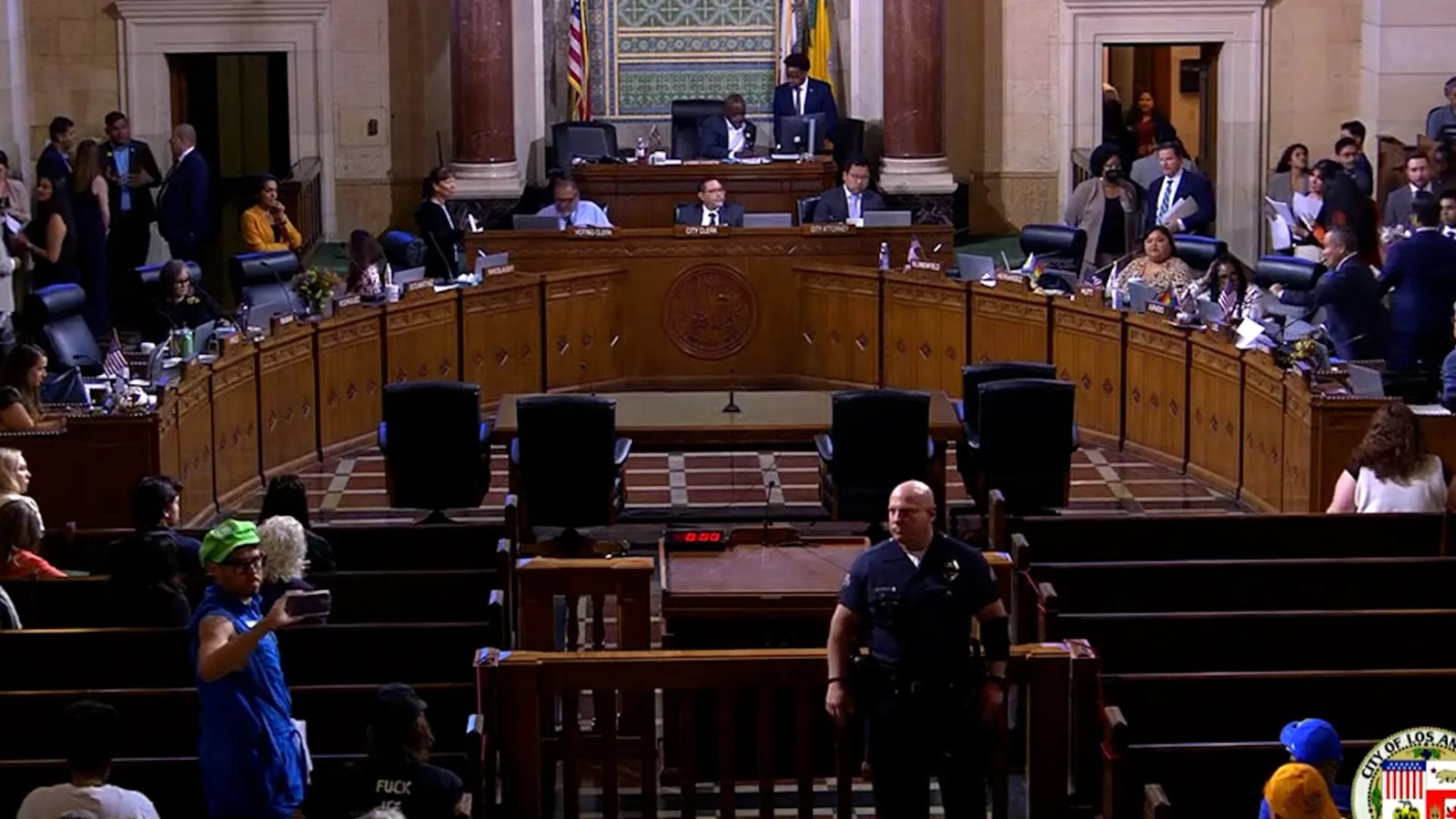
The Supreme Court’s jurisprudence on free speech is constantly evolving, and the outcome of any legal challenge to the ban would likely depend on the specific language of the ordinance and the context in which the N-word was used. It’s a minefield, legally speaking.
Community Reactions and Perspectives
The proposed N-word ban has elicited a wide range of reactions from the Los Angeles community. Some residents are strongly in favor of the ban, arguing that it is a necessary step towards creating a more inclusive and equitable city. Others are vehemently opposed, arguing that it is a violation of their free speech rights.
Many African American residents have expressed strong support for the ban, citing the deep pain and trauma associated with the N-word. “It’s not just a word,” says one community leader, Reverend Thompson. “It’s a symbol of centuries of oppression. We don’t want to hear it in our government meetings.”
However, not all members of the African American community support the ban. Some believe that it is a distraction from more pressing issues, such as economic inequality and police brutality. They argue that focusing on the N-word is a way to avoid addressing the root causes of racism. “Banning a word isn’t going to change anything,” says one resident, David Jones. “We need to focus on changing hearts and minds.”
Latino residents have also expressed mixed opinions on the ban. Some see it as a symbol of solidarity with the African American community, while others worry that it could lead to restrictions on other forms of speech. “We need to be careful about what we’re banning,” says one Latino activist, Elena Garcia. “What starts with the N-word could end with other words that are important to our community.”
The Impact on Public Discourse
The debate over the N-word ban has raised important questions about the nature of public discourse and the role of language in shaping our society. Some argue that banning the N-word would stifle open and honest conversation about race and racism. They believe that it is important to be able to discuss difficult topics, even if that means using offensive language.
Others argue that the N-word is inherently hateful and that its use in public discourse only serves to perpetuate racism. They believe that it is important to create a space where everyone feels safe and respected, even if that means restricting certain forms of speech. “We need to choose our words carefully,” says one professor of communications, Dr. Lee. “Language has power, and we need to use it responsibly.”
The debate has also highlighted the importance of cultural sensitivity and understanding. Many people are unaware of the historical context and the emotional impact of the N-word. Education and awareness campaigns could help to bridge this gap and to promote more respectful dialogue.
Potential Alternatives and Solutions
While the debate focuses on a complete ban, there might be alternative solutions worth considering. Perhaps a policy that addresses the intent and context behind the use of the word could be more effective. For instance, a clear policy stating that the use of any racial slur with the intent to harm or demean will not be tolerated, and will result in consequences, might be a more nuanced approach.
Another alternative is to focus on education and dialogue. Workshops and training sessions on cultural sensitivity and the impact of offensive language could help to create a more informed and respectful environment. These initiatives could be particularly helpful for city council members and other public officials.
Ultimately, the best solution may involve a combination of approaches. A clear policy prohibiting the use of hate speech, coupled with robust educational initiatives, could create a more inclusive and respectful environment without unduly infringing on free speech rights.
The Future of the Debate
The Los Angeles City Council is expected to vote on the proposed N-word ban in the coming weeks. The outcome of the vote is uncertain, and the debate is likely to continue regardless of the decision. This is a complex and emotional issue, and there are no easy answers. (Honestly, I wouldn’t want to be in their shoes right now!)
What is clear is that the debate has sparked an important conversation about race, free speech, and the role of government in regulating language. This conversation is likely to continue for many years to come, not just in Los Angeles but across the nation. The challenges of balancing competing values will require careful consideration, open dialogue, and a commitment to creating a more just and equitable society.
Conclusion
The debate surrounding the proposed ban on the N-word in Los Angeles meetings is far more than a simple disagreement over semantics. It is a microcosm of the larger societal struggle to reconcile the fundamental right to free speech with the imperative to foster inclusive and respectful environments for all. Whether the ban is ultimately implemented or not, the conversations it has sparked are undeniably valuable. They force us to confront uncomfortable truths about our history, our present, and the kind of future we aspire to create. Perhaps, through continued dialogue and a willingness to understand perspectives different from our own, we can move closer to a society where the N-word, and all forms of hate speech, are relics of a bygone era.
Frequently Asked Questions
| Why is Los Angeles debating banning the N-word from meetings? | Los Angeles is debating the ban to foster a more inclusive and respectful environment in city meetings, addressing the historical pain and trauma associated with the N-word. |
| What are the benefits of banning the N-word? | Benefits include creating a safer and more welcoming space, sending a message against hate speech, and protecting vulnerable groups from further harm. |
| How would the N-word ban be implemented? | Implementation would likely involve a formal policy prohibiting the use of the N-word during official city meetings and related functions, with potential consequences for violations. |
| What are the challenges to implementing the ban? | Challenges include potential legal challenges based on free speech arguments, difficulties in enforcement, and concerns about a slippery slope towards banning other words. |
| What is the future of the N-word ban debate in Los Angeles? | The future is uncertain, pending the City Council’s vote. Regardless of the outcome, the debate has highlighted the complexities of balancing free speech with the need for respectful public discourse, continuing the conversation for years to come. |
Important Notice
This FAQ section addresses the most common inquiries regarding the topic.