The air crackles with anticipation. I remember the summer of ’24. Hot, humid, the kind that makes the asphalt shimmer. And then the sirens. A tornado ripped through Oakhaven, a small town just west of here. Within hours, the National Guard was there. Trucks rumbling, generators humming, and men and women in uniform, offering water, clearing debris, providing a sense of calm amidst the chaos. It was truly a sight to behold, but it also made me wonder, “Where else are they? What other disasters or situations are requiring their assistance?” From wildfires raging in California to potential civil unrest in major cities, the National Guard deployments have become almost commonplace. It’s easy to take their presence for granted, but understanding the scope and purpose of these deployments is crucial. Are we, as a nation, relying on them too much? What are the long-term implications for the Guard itself, and for the communities they serve? This article dives deep into the current state of National Guard deployments around the US, exploring their diverse missions, the challenges they face, and what the future might hold. Let’s try to find out together, shall we?
It’s not just natural disasters. The National Guard has also been activated for everything from supporting law enforcement during protests (a controversial topic, I know) to assisting with COVID-19 testing and vaccine distribution. The sheer breadth of their responsibilities is astounding. I was talking to a friend, Sarah, whose brother is in the Guard. She mentioned he’s been deployed three times in the last two years! Once for flood relief, once for border security, and once to help at a vaccination center. “It’s a lot,” she said, sighing. “He signed up to serve his country, but I don’t think he expected to be gone this much.” It raises questions about the impact on Guard members and their families, and whether the current level of deployments is sustainable. One thing’s for certain: The role of the National Guard is evolving, and it’s important to stay informed about their activities and their impact on our society. Especially regarding the funding and training necessary to be prepared.
The complexity of National Guard deployments stems from their unique dual mission. They serve both the states and the federal government. This means they can be activated by a governor to respond to state-level emergencies or by the President for federal missions, such as overseas deployments or assisting federal agencies. The funding mechanisms are equally complex, with both state and federal governments contributing. This also includes what roles they are assigned to. Some are medics. Some are engineers. Some are simply traffic control. The training is extensive, but is it enough to prepare them for the diverse range of situations they face? And how do these deployments affect their civilian lives, their careers, and their families? We’ll explore these questions and more as we delve deeper into the world of National Guard deployments in the US. Now, let’s get into the details.

Understanding the Scope of National Guard Deployments
The National Guard, often referred to as the nation’s oldest military organization, plays a crucial role in both state and federal missions. These deployments can range from disaster relief to civil unrest management and even border security. Let’s break down the different types of deployments and their significance.
State Active Duty (SAD)
State Active Duty is when the governor of a state activates the National Guard to respond to emergencies within the state’s borders. Think hurricanes, floods, wildfires, and even civil disturbances. These deployments are funded by the state and are under the control of the governor. During a particularly brutal wildfire season in California, I remember seeing images of National Guard members working tirelessly alongside firefighters, battling the flames and helping evacuate residents. It was a stark reminder of the vital role they play in protecting our communities.
Title 32 Deployments
Title 32 deployments are federally funded, but the National Guard remains under the command of the governor. These deployments often involve training exercises or support for federal agencies, such as the Department of Homeland Security. A good example is the National Guard assisting with border security operations. This is a common sight in states like Texas, Arizona, and California. One anonymous source within the Arizona National Guard told me, “We’re basically acting as extra eyes and ears for the Border Patrol. It’s not exactly what we signed up for, but we’re doing our duty.”
Title 10 Deployments
Title 10 deployments are federal missions where the National Guard is under the command of the President. These deployments can be both within the US and overseas. Think of deployments to Iraq or Afghanistan, or even assisting with federal law enforcement during major events. Title 10 activations are the most extensive and often involve longer deployments.
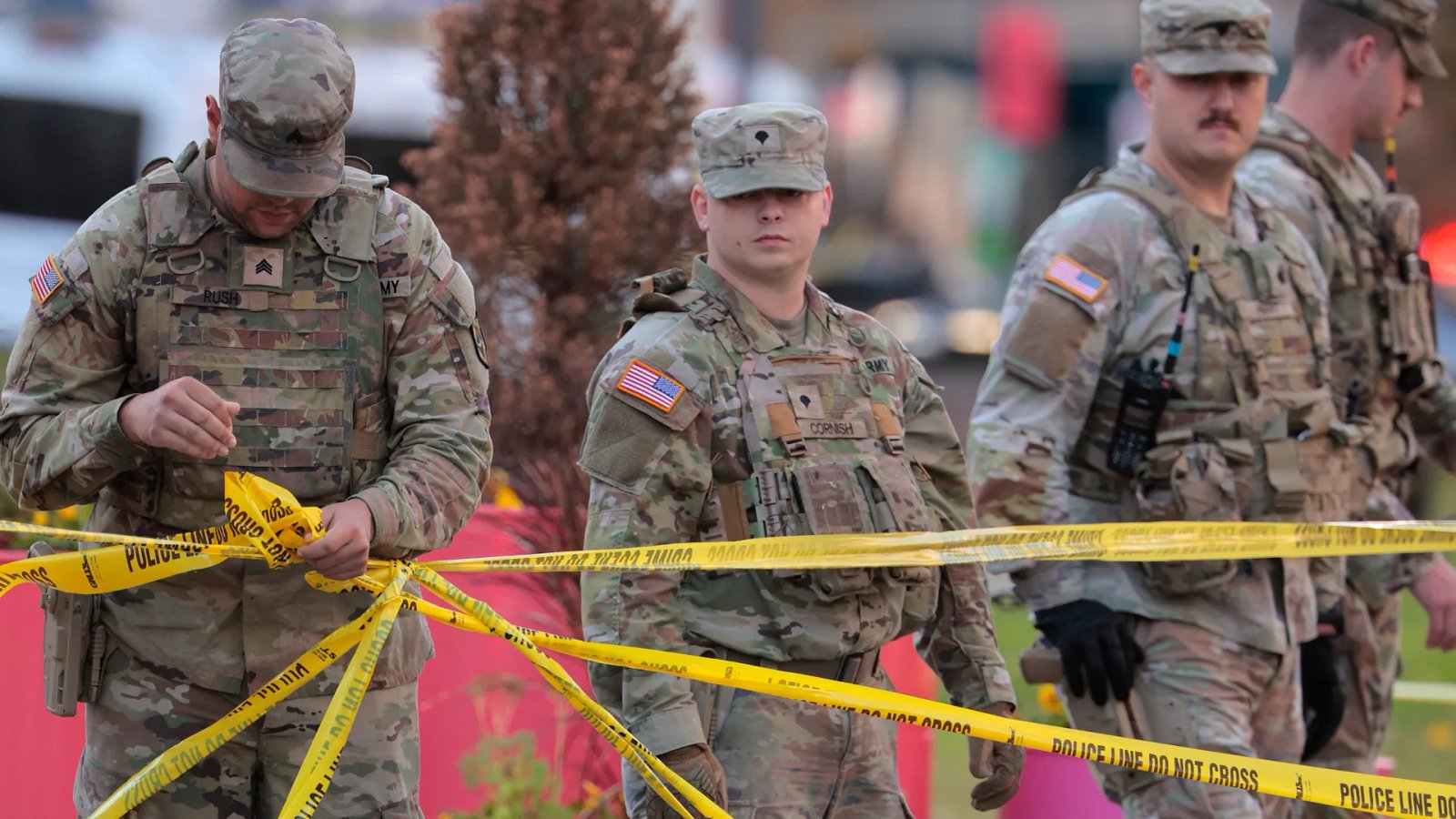
Key Missions and Responsibilities
The National Guard is a jack-of-all-trades, capable of handling a wide range of missions. Let’s take a closer look at some of their key responsibilities:
* Disaster Relief: This is perhaps the most visible role of the National Guard. They provide support during natural disasters like hurricanes, floods, wildfires, and earthquakes. Their tasks include search and rescue, providing food and water, clearing debris, and restoring infrastructure.
* Civil Unrest Management: In times of civil unrest, the National Guard may be called upon to assist local law enforcement in maintaining order and protecting property. This role is often controversial, as it can be seen as militarizing the police and suppressing peaceful protests.
* Border Security: The National Guard has been deployed to the US-Mexico border to assist federal agencies in patrolling and securing the border. Their tasks include surveillance, intelligence gathering, and providing support to Border Patrol agents.
* COVID-19 Response: During the COVID-19 pandemic, the National Guard played a crucial role in testing, vaccine distribution, and providing support to hospitals and healthcare facilities. Their efforts were essential in helping to combat the spread of the virus and protect vulnerable populations.
* Cybersecurity: With the increasing threat of cyberattacks, the National Guard is also playing a growing role in cybersecurity. They assist state and federal agencies in protecting critical infrastructure and responding to cyber incidents.
The Impact of Deployments on National Guard Members
The frequent deployments of the National Guard have a significant impact on its members. Many Guard members are citizen-soldiers, meaning they have civilian jobs and families. Deployments can disrupt their careers, finances, and personal lives.
Challenges Faced by National Guard Members
* Job Security: Frequent deployments can make it difficult for Guard members to maintain their civilian jobs. Employers may be reluctant to hire or promote someone who is likely to be called away for extended periods.
* Financial Strain: While Guard members receive pay and benefits during deployments, it may not be enough to offset the loss of income from their civilian jobs. This can lead to financial strain for them and their families.
* Family Stress: Deployments can be stressful for families, especially those with young children. Spouses and children may experience anxiety, loneliness, and difficulty coping with the absence of their loved one.
* Mental Health: Exposure to traumatic events during deployments can have a negative impact on Guard members’ mental health. They may experience symptoms of post-traumatic stress disorder (PTSD), depression, and anxiety.
Support and Resources for National Guard Members
Despite the challenges they face, National Guard members have access to a variety of support and resources. These include:
* Employer Support of the Guard and Reserve (ESGR): ESGR is a Department of Defense agency that promotes understanding and cooperation between employers and Guard members. They provide resources and assistance to employers who support their employees’ military service.
* Military OneSource: Military OneSource is a Department of Defense program that provides free and confidential counseling, financial assistance, and other resources to Guard members and their families.
* Veterans Affairs (VA): The VA provides healthcare, education, and other benefits to veterans, including National Guard members who have served on federal active duty.
Funding and Training: Ensuring Readiness
The National Guard’s ability to respond effectively to emergencies depends on adequate funding and training. However, there are concerns that the current levels of funding and training may not be sufficient to meet the increasing demands placed on the Guard.
Funding Challenges
The National Guard receives funding from both the federal government and the states. However, funding levels have often been inconsistent, leading to concerns about readiness. Budget cuts can impact training exercises, equipment maintenance, and personnel support.
Training Requirements
The National Guard requires extensive training to prepare for its diverse missions. This includes basic combat training, specialized training for specific roles, and ongoing training to maintain skills. However, the frequency and duration of deployments can make it difficult for Guard members to complete all the necessary training.
Readiness Concerns
The increasing demands placed on the National Guard have raised concerns about its overall readiness. Frequent deployments can strain resources, reduce training opportunities, and lead to burnout among Guard members. A former National Guard officer told me, “We’re being stretched thin. We’re constantly being asked to do more with less. It’s not sustainable in the long run.”
The Future of National Guard Deployments
The role of the National Guard is likely to continue to evolve in the coming years. With the increasing frequency of natural disasters, civil unrest, and other emergencies, the demand for the Guard’s services is likely to grow.
Potential Changes and Trends
* Increased Reliance on the National Guard: As the federal government faces budget constraints, it may increasingly rely on the National Guard to respond to emergencies and support federal agencies.
* Expanded Missions: The National Guard may be assigned new missions, such as cybersecurity and space operations, as the threats facing the nation continue to evolve.
* Greater Emphasis on Training and Readiness: To ensure its ability to meet the growing demands, the National Guard will need to prioritize training and readiness. This may involve increasing funding, improving training programs, and providing better support to Guard members.
Ensuring the National Guard’s Continued Effectiveness
To ensure the National Guard’s continued effectiveness, it is essential to address the challenges it faces. This includes:
* Adequate Funding: Congress and the states must provide adequate and consistent funding to support the National Guard’s missions.
* Improved Training: The National Guard needs to invest in training programs that prepare its members for the diverse range of missions they may be called upon to perform.
* Enhanced Support for Guard Members: The National Guard must provide better support to its members and their families, including job security, financial assistance, and mental health services.
The National Guard is a vital asset to our nation, providing essential support during times of crisis. By addressing the challenges it faces and investing in its future, we can ensure that the National Guard remains ready to protect our communities and defend our country. It’s a complex situation, and one that requires careful consideration and ongoing dialogue.
In conclusion, the National Guard deployments around the US are a complex and multifaceted issue. From natural disasters to civil unrest to border security, the Guard plays a crucial role in protecting our communities and supporting federal agencies. However, the increasing demands placed on the Guard have raised concerns about its readiness and the impact on its members. It is essential to address these challenges to ensure that the National Guard remains a vital asset to our nation. The future of the National Guard depends on our collective commitment to supporting its mission and its members. It is crucial we find a good balance between state and federal responsibilities to avoid overburdening them. It is our duty to guarantee their preparedness and well-being.
Frequently Asked Questions
| What triggers a National Guard deployment in the US? | National Guard deployments are triggered by various events, including natural disasters, civil unrest, and requests from federal agencies. State governors can activate the Guard for state-level emergencies, while the President can activate them for federal missions. |
| What are the benefits of using the National Guard for emergencies? | The National Guard provides a readily available and trained force that can quickly respond to emergencies. They have the resources and expertise to assist with a wide range of tasks, including search and rescue, security, and logistical support. Their dual mission allows them to serve both state and federal needs. |
| How are National Guard deployments implemented and managed? | When a need arises, the relevant authority (governor or President) issues an order activating the National Guard. The Guard then mobilizes its members and equipment, and coordinates with other agencies to provide the necessary support. Management involves logistics, communication, and ensuring the safety and well-being of Guard members. |
| What are the challenges associated with National Guard deployments? | Challenges include the impact on Guard members’ civilian lives and careers, financial strain, family stress, and potential mental health issues. Additionally, there are concerns about funding, training, and the overall readiness of the Guard due to frequent deployments. |
| What is the future outlook for National Guard deployments in the US? | The demand for National Guard services is likely to grow due to increasing natural disasters, civil unrest, and other emergencies. There may be increased reliance on the Guard, expanded missions, and a greater emphasis on training and readiness to ensure their continued effectiveness. |
Important Notice
This FAQ section addresses the most common inquiries regarding the topic.