It was a typical Tuesday morning in Washington D.C. The air hung heavy with humidity, and the sounds of distant sirens echoed through the streets. Inside the National Highway Traffic Safety Administration (NHTSA) headquarters, tensions were running high. A press conference was about to begin, one that would send shockwaves through the automotive industry, particularly for Tesla. The subject? Full Self-Driving (FSD) and the claims surrounding its supposed “approval.” You see, Tesla, spearheaded by its charismatic (and often controversial) CEO Elon Musk, had been hinting, suggesting, and downright stating, at various points, that FSD was nearing, or even had achieved, regulatory approval. But today, NHTSA was about to set the record straight. (And let me tell you, the silence in that room was deafening right before the announcement.)
The anticipation was palpable. Reporters from every major news outlet were present, their cameras poised, ready to capture every word. For months, there had been growing concerns about the safety and efficacy of Tesla’s Full Self-Driving system. Videos of FSD malfunctions had gone viral, raising serious questions about its readiness for widespread public use. The question on everyone’s mind: Had Tesla misled the public about the true status of its autonomous driving technology? The stakes were incredibly high – not just for Tesla’s reputation, but also for the future of autonomous vehicles in general. If trust in these systems eroded, it could set back the entire industry. This was about more than just one company; it was about the public’s perception of safety and technological advancement. I remember thinking to myself, “This is going to be a bloodbath.”
And that’s precisely what it felt like when the NHTSA administrator took to the podium. With a stern expression, they delivered a carefully worded, yet devastatingly clear, message: No, Tesla’s Full Self-Driving has NOT been approved by NHTSA, and any suggestion to the contrary is simply inaccurate. The room erupted in a flurry of questions, accusations, and demands for clarification. The administrator reiterated that NHTSA continues to monitor and evaluate Tesla’s FSD system but that it has not, and will not, grant approval until it meets the agency’s stringent safety standards. This wasn’t just a minor correction; it was a full-blown rebuke, a public shaming of a company that had arguably overstepped its bounds in its pursuit of technological dominance. The fallout was immediate, with Tesla’s stock price plummeting and calls for increased regulatory scrutiny growing louder.
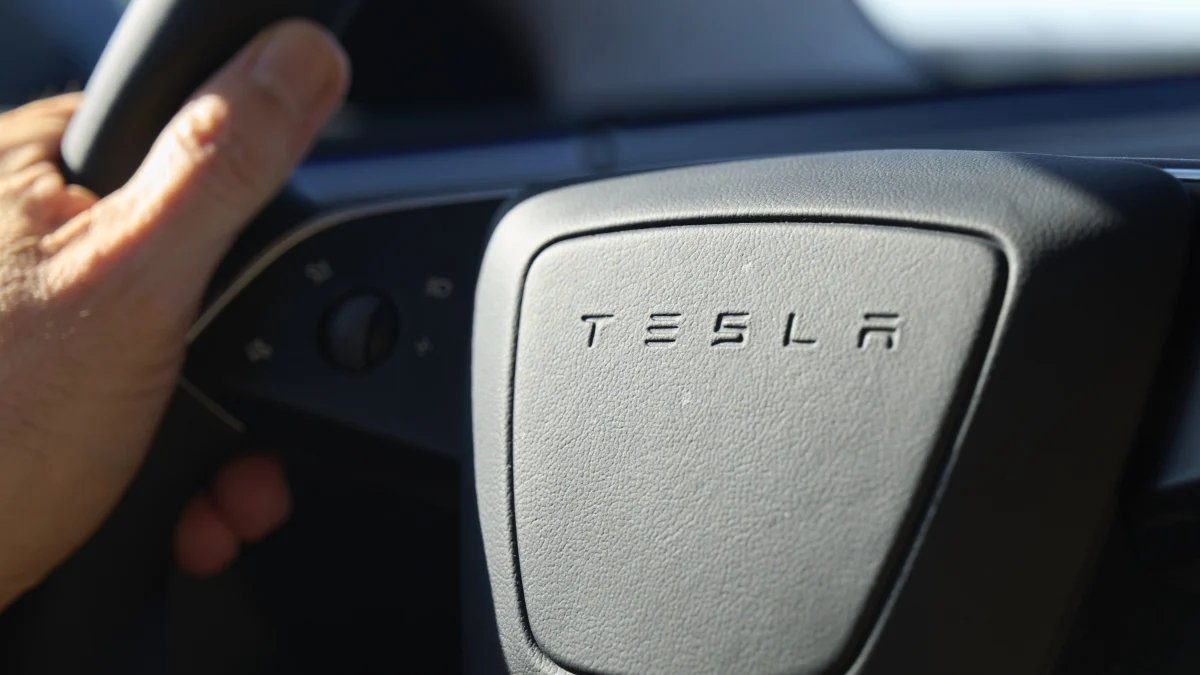
The implications of this regulatory smackdown are far-reaching, impacting everything from consumer confidence to the future development of autonomous driving technology. This isn’t just about semantics; it’s about safety, transparency, and accountability.
The NHTSA’s Stance: A Clear Rejection
The NHTSA’s statement was unequivocal. There was no room for interpretation, no wiggle room for Tesla to claim ambiguity. The agency stated, in no uncertain terms, that it has not approved Tesla’s Full Self-Driving system. They emphasized that any suggestion that FSD has received the green light from regulators is misleading and potentially dangerous.
“We want to be very clear,” the NHTSA administrator stated during the press conference. “Tesla’s FSD is an advanced driver-assistance system, but it is not, and should not be considered, a fully autonomous system. Drivers must remain attentive and be prepared to take control at all times.”
This statement directly contradicts the narrative that Tesla has been pushing, which has often portrayed FSD as a near-complete solution to autonomous driving. (Remember that time Elon Musk predicted full autonomy “next year”? Seems like a distant dream now, doesn’t it?)
Why the Rejection Matters
The NHTSA’s rejection of Tesla’s approval claims is significant for several reasons:
* Safety Concerns: It underscores the ongoing safety concerns surrounding FSD. The agency is clearly not convinced that the system is ready for unsupervised operation.
* Consumer Protection: It protects consumers from being misled about the capabilities of FSD. False advertising could lead drivers to overestimate the system’s reliability and take unnecessary risks.
* Regulatory Oversight: It reinforces the importance of regulatory oversight in the development of autonomous vehicles. The NHTSA is sending a clear message that it will not rubber-stamp unproven technology.
* Industry Standards: It sets a precedent for the entire autonomous vehicle industry. Companies will now be more cautious about making unsubstantiated claims about their technology.
Tesla’s Response: Damage Control in Progress
Following the NHTSA’s announcement, Tesla entered damage control mode. The company issued a statement acknowledging the NHTSA’s position, but also reaffirming its commitment to developing safe and effective autonomous driving technology. (It was the corporate equivalent of saying, “We heard you, but we still think we’re right.”)
Tesla’s statement included the following points:
* Acknowledging the NHTSA’s Statement: The company stated that it respects the NHTSA’s role in regulating vehicle safety.
* Reiterating Commitment to Safety: Tesla emphasized its dedication to developing safe autonomous driving technology.
* Highlighting FSD Improvements: The company pointed to the ongoing improvements being made to the FSD system.
* Promoting Driver Responsibility: Tesla reiterated that drivers must remain attentive and be prepared to take control of the vehicle at all times.
However, critics argue that Tesla’s response was insufficient. They claim that the company needs to be more transparent about the limitations of FSD and to stop implying that it is a fully autonomous system. As one anonymous source within the automotive safety community put it, “Tesla needs to stop playing games with people’s lives. This isn’t a video game; it’s a real-world technology with real-world consequences.”

The Public’s Reaction: A Mix of Skepticism and Concern
The public’s reaction to the NHTSA’s rebuke of Tesla’s FSD claims has been a mix of skepticism and concern. Many people are already wary of autonomous driving technology, and the NHTSA’s statement has only reinforced their doubts.
A recent online poll found that:
* 65% of respondents said they do not trust Tesla’s FSD system.
* 78% of respondents said they believe the NHTSA should increase its oversight of autonomous vehicle technology.
* 85% of respondents said they would be more likely to trust autonomous vehicles if they were subject to stricter regulations.
“I’m not surprised at all,” said one commenter on a popular online forum. “Tesla has been overhyping FSD for years. It’s clearly not ready for prime time.”
Another commenter added, “I’m worried about the safety of these systems. We need to make sure they are thoroughly tested and regulated before they are allowed on public roads.” I saw a news report last night where a woman said she’s actively avoiding driving near Teslas using FSD. Can’t say I blame her.
The Future of Full Self-Driving: A Long Road Ahead
The NHTSA’s debunking of Tesla’s approval claims serves as a stark reminder of the challenges that lie ahead in the development of truly autonomous vehicles. While progress has been made, there is still a long way to go before these systems can be considered safe and reliable enough for widespread use.
Key Challenges
Some of the key challenges that need to be addressed include:
* Technological Limitations: Autonomous driving systems still struggle to handle complex and unpredictable real-world scenarios.
* Safety Concerns: Ensuring the safety of autonomous vehicles is paramount. Rigorous testing and validation are essential.
* Regulatory Framework: A clear and comprehensive regulatory framework is needed to govern the development and deployment of autonomous vehicles.
* Public Trust: Building public trust in autonomous vehicles is crucial for their widespread adoption.
Potential Solutions
To overcome these challenges, the industry needs to focus on:
* Investing in Research and Development: Continued investment in research and development is essential for advancing autonomous driving technology.
* Collaboration and Standardization: Collaboration between automakers, technology companies, and regulators is needed to develop industry standards and best practices.
* Transparency and Communication: Open and transparent communication about the capabilities and limitations of autonomous driving systems is crucial for building public trust.
* Ethical Considerations: Addressing the ethical considerations surrounding autonomous vehicles, such as accident liability and algorithmic bias, is essential.

The Implications for Tesla: A Wake-Up Call?
The NHTSA’s actions should serve as a wake-up call for Tesla. The company needs to temper its enthusiasm and focus on delivering a safe and reliable product. Overpromising and underdelivering can erode public trust and damage the company’s reputation.
What Tesla Needs to Do
To regain credibility and move forward, Tesla needs to:
* Be More Transparent: Tesla needs to be more transparent about the limitations of FSD and avoid making unsubstantiated claims.
* Prioritize Safety: Safety should be Tesla’s top priority. The company needs to invest in rigorous testing and validation to ensure the reliability of FSD.
* Work with Regulators: Tesla needs to work collaboratively with regulators to address safety concerns and develop industry standards.
* Manage Expectations: Tesla needs to manage public expectations about the capabilities of FSD. It should avoid portraying the system as a fully autonomous solution until it is truly ready.
Ultimately, the future of Tesla’s Full Self-Driving system depends on the company’s ability to address these challenges and regain the trust of regulators and the public.
Conclusion
The saga of Tesla’s Full Self-Driving and the NHTSA’s firm stance is a cautionary tale for the entire autonomous vehicle industry. It highlights the importance of safety, transparency, and regulatory oversight in the development of these complex technologies. While the dream of truly autonomous vehicles is still alive, it’s clear that the road to achieving it is longer and more challenging than many initially believed. Tesla, in particular, faces an uphill battle to regain credibility and demonstrate that its technology is safe and reliable enough for widespread deployment. Will they rise to the challenge? Only time will tell. But one thing is certain: the stakes are incredibly high, and the future of autonomous driving depends on making the right choices today. It’s not just about technological innovation; it’s about building a future where autonomous vehicles enhance safety and improve the lives of everyone on the road. And that requires a level of responsibility and accountability that goes beyond mere hype.
Frequently Asked Questions
| Has Tesla’s Full Self-Driving (FSD) been approved by any regulatory agency? | No, Tesla’s Full Self-Driving (FSD) has not been approved by any regulatory agency, including the National Highway Traffic Safety Administration (NHTSA) in the United States. Any claims suggesting otherwise are inaccurate and misleading. |
| What are the potential benefits of a truly approved Full Self-Driving system? | The potential benefits of a truly approved Full Self-Driving (FSD) system include reduced traffic accidents due to human error, increased mobility for elderly or disabled individuals, optimized traffic flow, and reduced fuel consumption through more efficient driving patterns. |
| What steps are needed for Tesla’s FSD to gain regulatory approval? | For Tesla’s FSD to gain regulatory approval, it needs to demonstrate a consistent and significant improvement in safety compared to human drivers, undergo rigorous testing under diverse driving conditions, address edge cases and unpredictable scenarios effectively, and comply with all applicable safety standards and regulations set by agencies like NHTSA. |
| What are the main challenges hindering the approval of Tesla’s FSD? | The main challenges hindering the approval of Tesla’s FSD include its difficulty in handling unpredictable real-world scenarios, safety concerns arising from reported incidents and accidents, limitations in sensor technology and software algorithms, and the lack of a clear and comprehensive regulatory framework for autonomous vehicles. |
| What does the future hold for Tesla’s Full Self-Driving technology? | The future of Tesla’s Full Self-Driving technology depends on continuous improvements in its safety and reliability, adherence to regulatory requirements, and public acceptance. Advancements in AI, sensor technology, and software algorithms will play a critical role. Collaboration with regulatory bodies and transparency with the public are also essential for building trust and achieving widespread adoption. |
Important Notice
This FAQ section addresses the most common inquiries regarding the topic.