

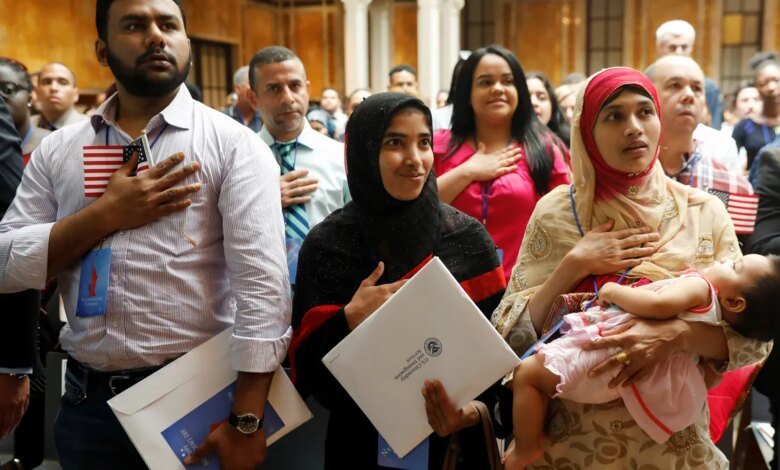
The late afternoon sun cast long shadows across the immigration lawyer’s office, the air thick with a mixture of apprehension and frustration. Papers lay scattered on the desk, each one representing a life hanging in the balance. The news had just broken: the Trump administration, in a move that sent shockwaves through the immigration community, had ordered the re-interview of refugees who had already been cleared for resettlement under the Biden administration’s policies. Can you imagine the utter despair? The refugees, having navigated the complex and often harrowing process of seeking asylum, were now facing another potential hurdle, another layer of bureaucracy designed, it seemed, to keep them out. A source inside the Department of Homeland Security, speaking on condition of anonymity, described the atmosphere as “chaotic and demoralizing.” (It’s always the anonymous sources that give you the real dirt, isn’t it?). The legal challenges are mounting, everyone is scrambling.
This decision, ostensibly justified as a measure to ensure national security and prevent fraud, has been met with widespread condemnation from human rights organizations and legal experts, who argue that it is discriminatory, unnecessary, and will further traumatize vulnerable individuals and families. Think about those families for a second. The move impacts not just individuals, but entire families, often including children who have already experienced unimaginable hardship. The timing couldn’t be worse, as the world grapples with unprecedented levels of displacement and humanitarian crises. It feels like these policies are designed to inflict maximum pain. The human cost is just staggering, and it’s easy to feel completely helpless in the face of such blatant injustice.
The order specifically targets refugees from certain countries, many of which are predominantly Muslim, raising concerns about potential religious and ethnic profiling. This is not just a policy change; it’s a moral failing. It’s a betrayal of the values that America is supposed to represent: compassion, fairness, and a commitment to helping those in need. The justification given by the administration doesn’t hold water. It’s clear that this is about something else entirely. One former immigration official stated, “This is simply a political move designed to appeal to a certain segment of the population.” (A segment that, let’s be honest, thrives on fear and division.) And let’s be clear, the implications of this decision extend far beyond the individuals directly affected; it sends a message to the world that America is no longer a beacon of hope for the persecuted and oppressed.
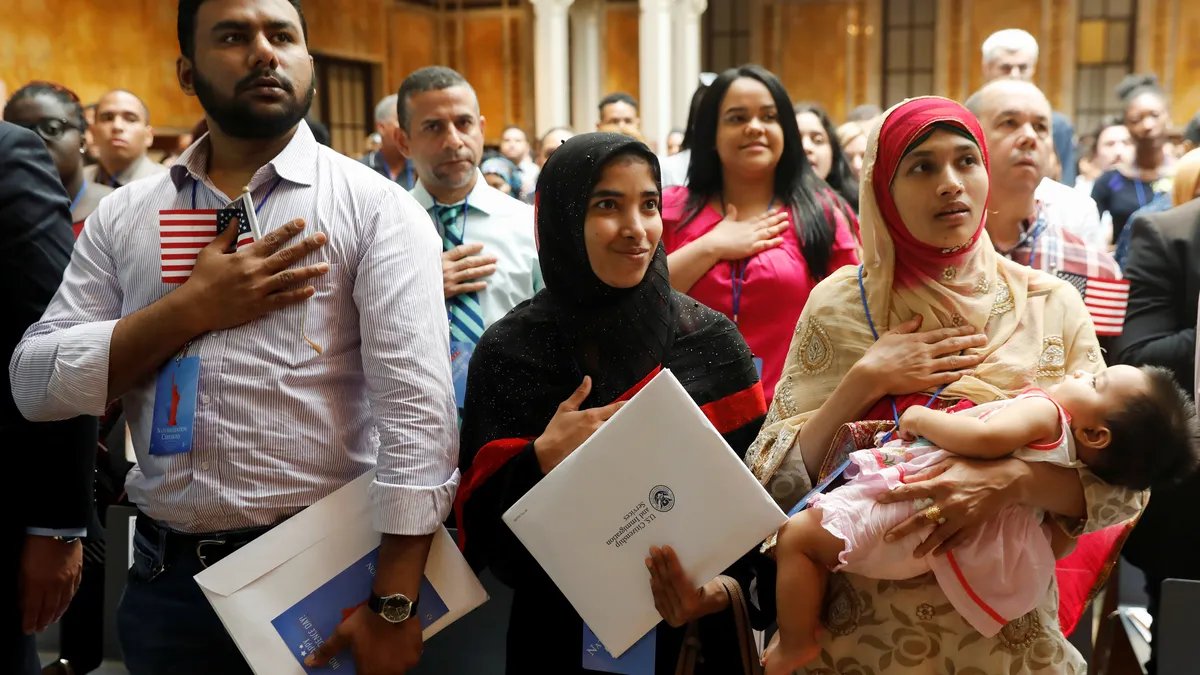
But what exactly does this mean on a practical level? What are the mechanics of this re-interview process, and what can refugees expect? Let’s delve deeper into the specifics of this controversial order and examine its potential consequences.
The Scope of the Re-Interview Order
The directive, issued late last week, instructs immigration officials to conduct new interviews with all refugees who received conditional approval for resettlement in the United States under policies implemented during the Biden administration. This includes individuals who had already completed initial screenings and background checks, and who were awaiting final travel arrangements. Imagine receiving that news! After jumping through all the hoops, the rug gets pulled out from under you. It’s just… cruel.
The administration claims that the re-interview process is necessary to address concerns about potential security risks and fraud within the refugee program. However, critics argue that these concerns are unfounded and that the order is simply a pretext for reducing the number of refugees admitted into the country. A spokesperson for the Refugee Resettlement Coalition stated, “This is not about security; it’s about xenophobia. These refugees have already been vetted. This is nothing more than a thinly veiled attempt to demonize and exclude vulnerable populations.”

The order does not specify the exact questions that will be asked during the re-interview, but it is expected that officials will focus on verifying the information provided in the refugees’ initial applications and assessing their potential ties to terrorist organizations or criminal groups. (Because, you know, everyone fleeing war and persecution is secretly a criminal mastermind.) The interviews will be conducted in person or via video conference, depending on the location of the refugee and the availability of resources. The logistics of coordinating these interviews alone are a nightmare. What about those in remote refugee camps? Are they just supposed to magically appear for a video call?
Legal Challenges and Opposition
Within hours of the announcement, several civil rights organizations filed lawsuits challenging the legality of the re-interview order. The lawsuits argue that the order violates the Administrative Procedure Act, which requires government agencies to provide a reasoned explanation for policy changes, and the Due Process Clause of the Fifth Amendment, which protects individuals from arbitrary government action. It’s about time someone stood up and fought back!
“This policy is not only cruel and inhumane but also unlawful,” said Omar Jadwat, director of the ACLU’s Immigrants’ Rights Project. “We will fight to ensure that these vulnerable individuals are not subjected to further trauma and injustice.” The legal battles are expected to be lengthy and complex, potentially reaching the Supreme Court. And let’s be honest, the current makeup of the Supreme Court doesn’t exactly inspire confidence.
In addition to the legal challenges, the re-interview order has also faced strong opposition from members of Congress, particularly Democrats, who have accused the Trump administration of using the refugee program as a political tool. Senator Elizabeth Warren called the order “a disgrace” and vowed to fight to protect the rights of refugees seeking asylum in the United States. The political divide on this issue is stark and shows no signs of narrowing. It’s a battle between compassion and cruelty, and unfortunately, cruelty seems to be winning right now.
The Impact on Refugees and Resettlement Agencies
The re-interview order has had a devastating impact on refugees who were already approved for resettlement. Many have been living in limbo for months or even years, waiting for their chance to start a new life in the United States. The prospect of having to undergo another interview, with the risk of being rejected, has caused immense anxiety and stress. Imagine the emotional toll! It’s almost unbearable to think about.
Resettlement agencies, which are responsible for helping refugees integrate into American society, have also been severely affected by the order. They have had to divert resources to assist refugees in preparing for the re-interview and to provide legal representation to those who are facing deportation. This has strained their capacity to assist other refugees who are newly arriving in the country. These agencies are already stretched thin. This order is just adding insult to injury.
- Increased anxiety and stress among refugees
- Delays in resettlement process
- Strain on resettlement agencies
- Potential for deportation
One refugee, a Syrian woman named Fatima, who had been approved for resettlement along with her two children, described her fear and uncertainty. “We have been waiting for so long,” she said, her voice trembling. “Now, they tell us we have to do it again. I don’t know what to do. I am afraid they will send us back to Syria.” Fatima’s story is just one of many heartbreaking tales of refugees whose lives have been thrown into turmoil by this policy change.
The Future of Refugee Resettlement in the US
The re-interview order is just the latest in a series of measures taken by the Trump administration to restrict immigration and reduce the number of refugees admitted into the United States. Since taking office, the administration has slashed the refugee ceiling to historically low levels and implemented stricter screening procedures. The long-term consequences of these policies are significant. The US is losing its reputation as a haven for those fleeing persecution. It’s a sad and shameful chapter in our history.
The future of refugee resettlement in the United States remains uncertain. It’s clear that the current administration views refugees with suspicion and is committed to limiting their access to the country. Unless there is a significant change in policy, it is likely that the number of refugees admitted into the US will continue to decline in the years to come. (And let’s not forget the impact on the economy. Refugees contribute to our society in so many ways.) We can only hope that future administrations will adopt a more compassionate and humane approach to refugee resettlement.
The order’s impact extends beyond the individuals directly affected, potentially damaging America’s global standing and its reputation as a beacon of hope for the world’s most vulnerable populations. Will we ever recover from this? It’s hard to say.
Conclusion
The Trump administration’s decision to order re-interviews for refugees previously cleared under Biden administration policies is a deeply troubling development. It is a policy that is based on fear and prejudice, not on facts or compassion. It is a policy that will inflict unnecessary pain and suffering on vulnerable individuals and families. And it is a policy that will damage America’s reputation as a country that welcomes refugees and upholds human rights. It is a dark day for immigration, and a stark reminder of the work that remains to be done to create a more just and humane world. We must continue to speak out against these policies and to advocate for the rights of refugees. The fight is far from over.
Frequently Asked Questions
| Why are refugees being re-interviewed? | The Trump administration claims the re-interviews are necessary to address security concerns and prevent fraud within the refugee program. Critics argue it’s a pretext to reduce refugee intake. |
| What are the benefits of this policy, according to its supporters? | Supporters argue that re-interviewing refugees ensures national security and prevents potentially dangerous individuals from entering the country. |
| How is the re-interview process being implemented? | Refugees who received conditional approval under Biden-era policies are being contacted for new interviews, conducted in person or via video conference. The focus is on verifying initial application information and assessing potential security risks. |
| What are the potential challenges for refugees undergoing re-interviews? | Refugees face increased anxiety and stress, potential delays in their resettlement process, and the risk of deportation if inconsistencies are found or if they are deemed a security risk. |
| What does the future hold for refugee resettlement in the US? | The future is uncertain, with the current administration focused on limiting refugee intake. The long-term consequences include damage to America’s reputation and potential loss of economic contributions from refugees. |
Important Notice
This FAQ section addresses the most common inquiries regarding the topic.