It feels like just yesterday I was bragging to my friend, Mark, about snagging a 32GB kit of DDR4 RAM for a steal. Now? He’s building a new gaming rig, and the look on his face when he showed me the price of DDR5… pure sticker shock. I mean, we’re talking about a crucial component for any computer – the very RAM that allows us to multitask, game, and create without those frustrating slowdowns. But something’s happening in the DRAM market, and it’s not pretty. Prices are climbing faster than my cat chasing a laser pointer. (And trust me, that’s fast!)
This isn’t just about bragging rights over who got the better deal on PC components. This is about the potential impact on everyone from casual users to professional content creators. The rising cost of RAM affects the entire computer hardware ecosystem. Think about it: a more expensive computer means fewer people can afford to upgrade or build new systems. That impacts software sales, game development, and basically everything that relies on powerful hardware. What’s driving this madness? Is it just inflation, or are there other forces at play? This is what we’re going to explore today.
The whispers started subtly. A little price creep here, a minor shortage there. But now, the murmurs have turned into a full-blown roar. The cost of RAM, particularly DDR5, is spiraling out of control. I’ve been monitoring prices for months, and the trend is undeniable. Every time I check, the numbers seem to have jumped higher. It’s enough to make you want to stick with your current system until it completely implodes. (Okay, maybe that’s a little dramatic, but you get the picture.) This situation is causing real anxiety among gaming PC enthusiasts and anyone planning a new PC build.
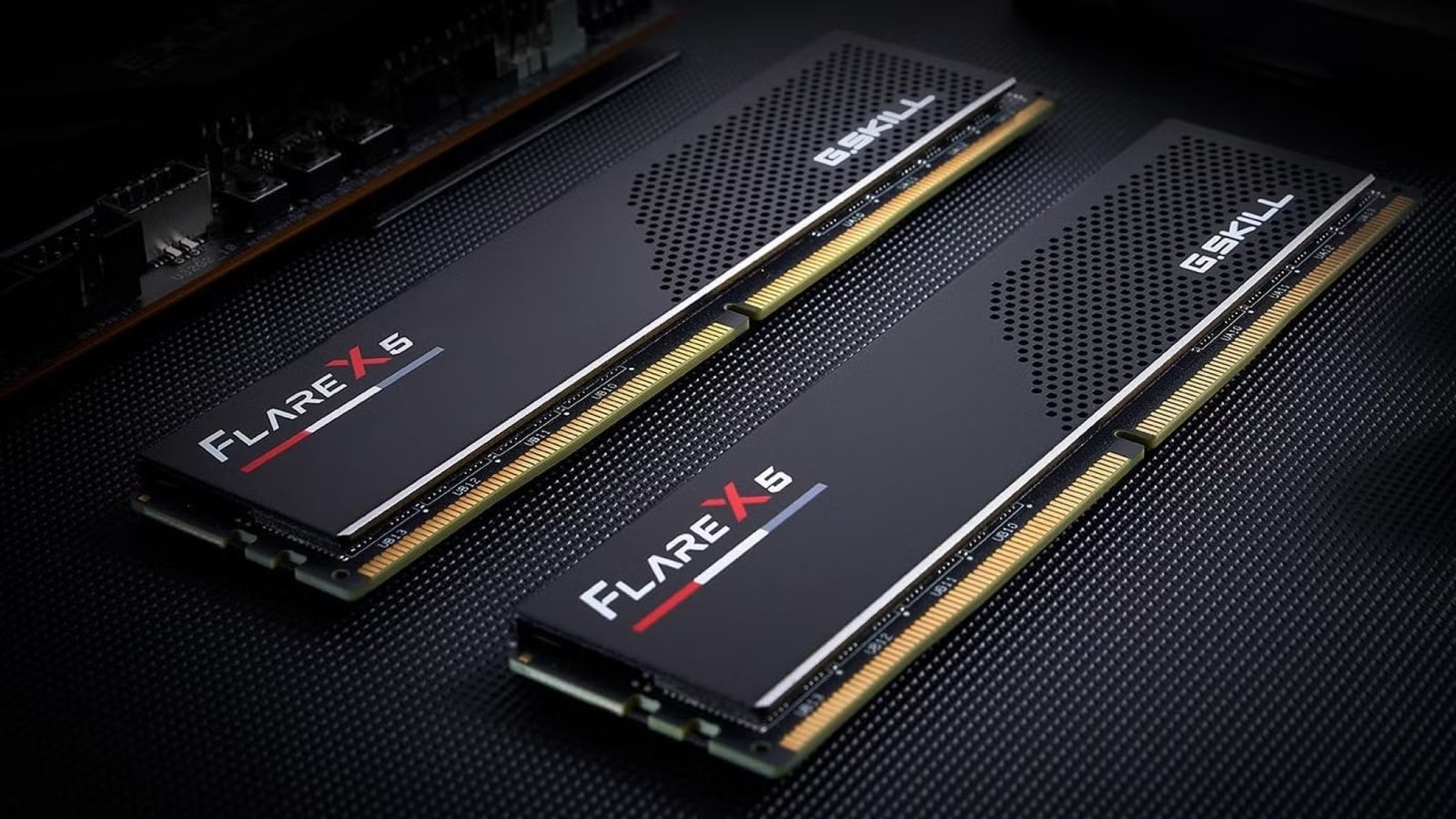
Let’s dive into the reasons behind this alarming trend. It’s not a simple case of greed. There are multiple contributing factors that are impacting the availability and cost of DRAM. It’s a perfect storm of supply chain issues, increased demand, and the complexities of the semiconductor industry. According to industry analyst, Sarah Chen, “We’re seeing a confluence of events pushing RAM prices higher. It’s not just one thing; it’s a combination of factors all hitting at the same time.”
The Semiconductor Shortage: A Lingering Shadow
One of the biggest culprits is, unsurprisingly, the ongoing semiconductor shortage. This has been a recurring theme in the tech world for the past few years, and it continues to wreak havoc on production and pricing. The production of DRAM chips relies heavily on advanced manufacturing processes and specialized materials. When these resources are scarce, the entire supply chain gets bottlenecked. “The factories can’t produce the DRAM fast enough,” says Mark, my friend who’s building the gaming PC. “That’s why the prices are insane. It’s basic supply and demand.”
The Impact on DDR5 Production
DDR5 RAM, the latest generation of memory, is particularly affected by the shortage. The manufacturing process for DDR5 is more complex than its predecessor, DDR4. This means that it requires more advanced equipment and expertise. The limited availability of these resources makes it difficult for manufacturers to ramp up production to meet the growing demand.

Furthermore, the demand for DDR5 is increasing rapidly as new CPUs and motherboards are designed to support it. This creates a perfect storm: limited supply and surging demand, which inevitably leads to higher prices. It’s a classic economic principle at play, but it’s not making anyone happy, especially those of us trying to stay within budget!
Inflation and Economic Uncertainty
Of course, we can’t ignore the elephant in the room: inflation. The rising cost of goods and services is affecting virtually every industry, and the semiconductor industry is no exception. The cost of raw materials, manufacturing, and transportation has all increased, which ultimately gets passed on to the consumer. “Everything’s more expensive these days,” my local computer store owner lamented. “It’s not just RAM; it’s everything. Shipping, components… it all adds up.”
The Ripple Effect
The impact of inflation extends beyond just the cost of the DRAM chips themselves. It also affects the cost of the components used to manufacture the RAM modules, such as printed circuit boards (PCBs) and capacitors. The increased cost of these components further contributes to the overall price increase of RAM.
Increased Demand: The Gaming Boom and Beyond
While supply chain issues and inflation are significant factors, we also need to consider the demand side of the equation. The demand for RAM has been steadily increasing in recent years, driven by several factors.
The Gaming PC Market
The gaming PC market has experienced a massive boom, and gamers are always looking for the latest and greatest hardware to enhance their gaming experience. RAM is a critical component for gaming, as it affects frame rates, loading times, and overall performance. Gamers are willing to pay a premium for high-performance RAM, which further drives up demand and prices.

Beyond Gaming
It’s not just gamers who are driving up demand. The increasing use of data-intensive applications, such as video editing software, 3D rendering programs, and scientific simulations, also requires more RAM. As these applications become more prevalent, the demand for RAM will continue to grow. It is also impacting the creative industries.
What Can We Expect in the Future?
So, what does the future hold for RAM prices? Unfortunately, it’s difficult to predict with certainty. However, most experts believe that prices will remain elevated for the foreseeable future. The semiconductor shortage is expected to ease gradually over the next year or two, but it will take time for production to catch up with demand.
Potential Solutions
There are a few potential solutions that could help to alleviate the situation. Increased investment in semiconductor manufacturing capacity would help to boost production and reduce the supply chain bottlenecks. Government incentives and subsidies could encourage manufacturers to invest in new fabs and expand existing facilities.
Additionally, efforts to diversify the supply chain could help to reduce reliance on a small number of manufacturers. This would make the industry more resilient to disruptions and reduce the risk of future shortages.
The Impact on Consumers
For consumers, the rising cost of RAM means that they will need to budget more for their PC builds or upgrades. It may also mean that they will need to compromise on other components, such as the graphics card or storage, in order to stay within their budget. I know Mark is already considering downgrading his graphics card to afford the RAM he needs.
Strategies for Consumers
So, what can you do to mitigate the impact of rising RAM prices? Here are a few strategies to consider:
* Buy Used: Consider purchasing used RAM from reputable sellers. You can often find good deals on used RAM, especially if you’re not looking for the latest and greatest technology.
* Wait it Out: If you don’t need to upgrade your RAM immediately, it may be worth waiting a few months to see if prices come down. This can be risky, as prices could potentially go up even further.
* Shop Around: Don’t settle for the first price you see. Shop around at different retailers and online marketplaces to compare prices and find the best deal.
* Consider Lower Capacity: Evaluate your actual RAM needs. Do you really need 32GB or 64GB? Sometimes, downgrading capacity slightly can save a lot of money, with only a minor impact on performance.
The Bigger Picture: The Future of PC Building
The rising cost of RAM is just one example of the challenges facing the PC building community. Supply chain disruptions, inflation, and increased demand are all contributing to higher prices for PC components. This makes it more difficult and expensive to build or upgrade a PC.
However, the PC building community is nothing if not resilient. Despite the challenges, enthusiasts continue to build and upgrade their systems, driven by a passion for technology and a desire for the best possible performance.
The current situation also highlights the importance of supporting local computer stores and independent retailers. These businesses often offer personalized service and expertise that you can’t find at big-box stores. They can also help you navigate the complex world of PC components and find the best deals.
Ultimately, the future of PC building will depend on the ability of the industry to overcome the current challenges and adapt to changing market conditions. It will require innovation, collaboration, and a commitment to providing affordable and accessible technology to consumers.
The situation is undoubtedly frustrating, but it also presents an opportunity for creativity and resourcefulness. Whether you’re a seasoned PC builder or a newcomer to the world of computers, there are still ways to get the performance you need without breaking the bank.
In the meantime, I’ll keep monitoring RAM prices and sharing my findings with you. Let’s hope that prices start to come down soon!
Conclusion
The spiraling cost of RAM is a complex issue with no easy solutions. A confluence of factors, including semiconductor shortages, inflation, and increased demand, has created a perfect storm that is impacting consumers and the PC building community. While it’s difficult to predict the future, it’s likely that prices will remain elevated for the foreseeable future. As consumers, we need to be resourceful and strategic in our purchasing decisions. We need to shop around, consider used options, and evaluate our actual RAM needs. We also need to support local computer stores and independent retailers, who can provide valuable expertise and personalized service. The current situation is challenging, but it also highlights the resilience and passion of the PC building community. We will continue to adapt and innovate, ensuring that everyone has access to the technology they need to thrive. It’s a tough time to build a PC, that’s for sure. But we’ll get through this together!
Frequently Asked Questions
| Why are RAM prices so high right now? | The high cost of RAM is due to a combination of factors, including the ongoing semiconductor shortage, increased demand from gamers and data-intensive applications, and global inflation affecting the cost of raw materials and manufacturing. |
| What are the benefits of having more RAM in my computer? | More RAM allows your computer to handle more tasks simultaneously without slowing down. It improves performance in gaming, video editing, and other demanding applications. It can also result in quicker load times and a smoother overall user experience. |
| How can I implement strategies to save money on RAM? | To save money on RAM, consider buying used RAM from reputable sellers, waiting for prices to potentially decrease, shopping around at different retailers, and evaluating your actual RAM needs to avoid buying more than you require. Also, consider alternatives like cloud-based solutions that may lessen the need for a high-end local PC. |
| What are the challenges associated with the rising cost of RAM? | The rising cost of RAM makes it more expensive to build or upgrade a PC. It can also force consumers to compromise on other components to stay within budget. This can limit access to high-performance computing for some users and impact the growth of the PC gaming market. |
| What is the future outlook for RAM prices? | The future outlook for RAM prices is uncertain, but most experts believe that prices will remain elevated for the foreseeable future. The semiconductor shortage is expected to ease gradually, but it will take time for production to catch up with demand. Increased investment in semiconductor manufacturing and diversification of the supply chain could help to stabilize prices in the long term. |
Important Notice
This FAQ section addresses the most common inquiries regarding the topic.