
The gas station was buzzing with the usual Friday evening frenzy. Cars lined up, impatient engines humming, and the air thick with the smell of gasoline. I watched as a woman in a bright yellow sundress filled up her old Honda Civic. She topped it off, and then topped it off again, squeezing every last drop she could into the tank. I winced. I’ve seen this before. Too many times. Little did she know, she might be setting herself up for a costly repair bill. The thing is, that seemingly harmless act of topping off your gas tank can actually wreak havoc on your car’s fuel system. It’s like that extra scoop of ice cream when you’re already full – feels good in the moment, but you’ll regret it later. I overheard her say, under her breath but loud enough for me to catch, “Gotta get every last mile I can!” (That’s what everyone thinks, right?).
The mechanic I spoke with, a seasoned professional named Dave who runs a small shop just outside of town, had a story to tell. He pointed to a well-worn, late-model Honda Civic sitting in his bay, its hood open like a gaping mouth. “This car,” he said, shaking his head, “is a prime example of what happens when people consistently top off their gas tank. The owner brought it in complaining of a persistent check engine light and a strong smell of gasoline. After a thorough inspection, we found the culprit: a saturated charcoal canister.” He went on to explain that the EVAP system, designed to capture and recycle fuel vapors, was completely overwhelmed due to repeated overfilling. The excess fuel had made its way into the canister, rendering it useless. And that, my friends, is where the trouble really begins. I remember my dad telling me, years ago, to never squeeze the pump handle after it clicks. I should have listened!
It’s not just old cars like that Honda Civic that are at risk, either. While newer vehicles have more sophisticated systems in place, the fundamental problem remains the same: liquid fuel where it shouldn’t be. We’re talking about potential damage to the fuel pump, the EVAP system, and even the engine itself. (Think of it as a slow burn. It might not happen overnight, but the damage accumulates over time.) The cost of repairing these systems can range from a few hundred dollars to well over a thousand, depending on the make and model of your car. That “extra mile” you’re trying to squeeze out of your tank could end up costing you a whole lot more in the long run. It’s a gamble, plain and simple, and the odds are definitely not in your favor. So, the next time you’re at the pump, remember that less is often more. And maybe, just maybe, save yourself a costly trip to the mechanic.
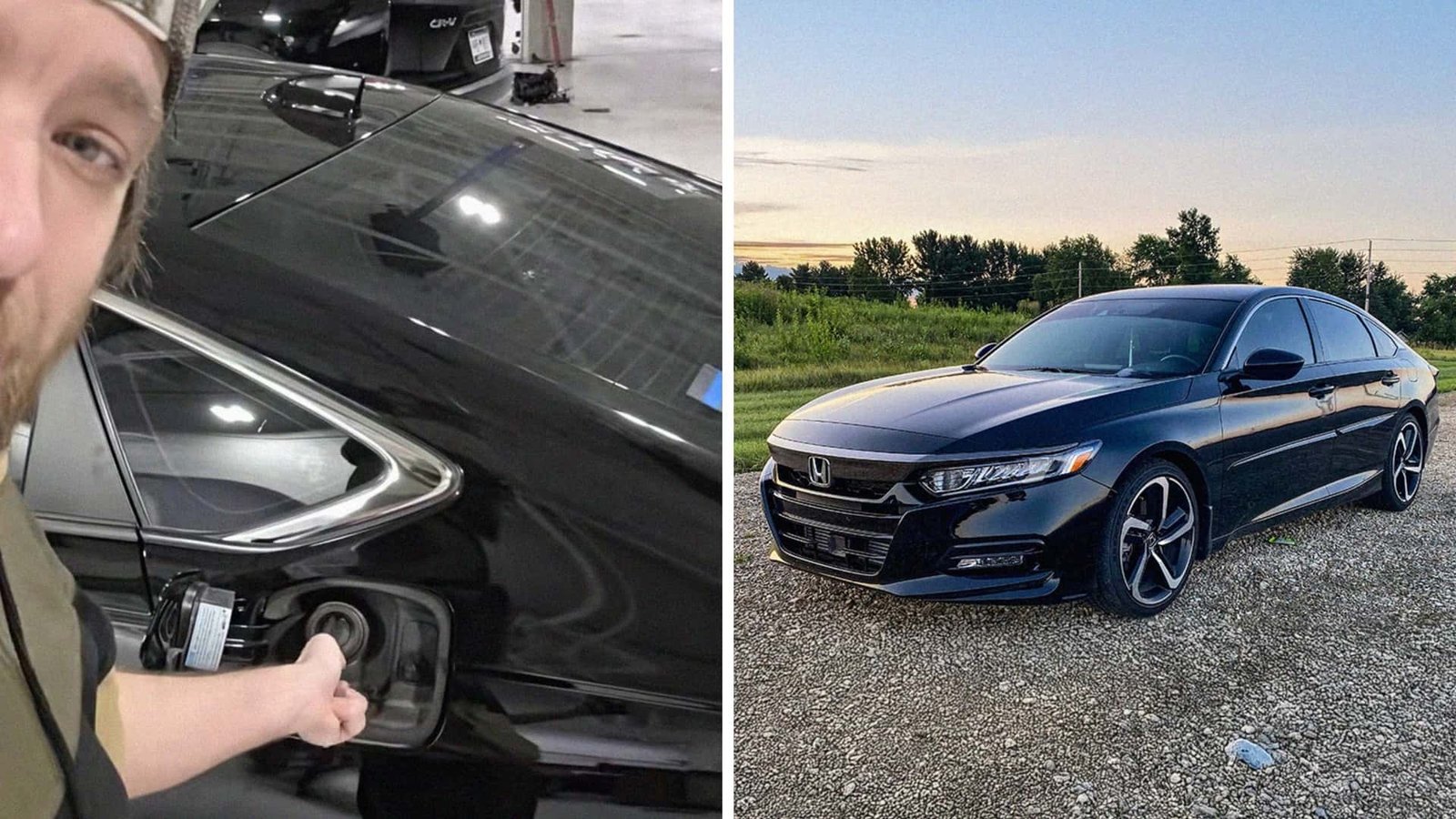
The Dangers of Topping Off: A Mechanic’s Perspective
Dave, the mechanic I mentioned earlier, explained the technical details in more depth. “The EVAP system is designed to handle fuel vapors, not liquid fuel,” he emphasized. “When you top off your gas tank, you’re essentially forcing liquid fuel into the vapor lines and the charcoal canister. This can damage the canister, causing it to become saturated and ineffective. A saturated canister can lead to a variety of problems, including a check engine light, poor fuel economy, and a strong fuel odor.”
He continued, “In some cases, the excess fuel can even make its way into the engine, causing it to run poorly or even stall. And let’s not forget about the fuel pump. Overfilling can put extra strain on the pump, shortening its lifespan. Replacing a fuel pump is not a cheap repair, so it’s best to avoid any unnecessary stress on the system.” I remember when my friend Sarah had to replace her fuel pump. It was a nightmare! She was stranded on the side of the road, and the repair cost her almost $800.
Another mechanic, who wished to remain anonymous, added, “It’s a slow killer. People don’t realize they’re damaging their car until it’s too late. They see the pump click off and think, ‘Just a little bit more won’t hurt.’ But it does. Over time, it really does.” He gestured to a row of cars waiting for service. “I see it all the time.”
Understanding the EVAP System
The EVAP (Evaporative Emission Control) system is a crucial component of modern vehicles, designed to prevent harmful fuel vapors from escaping into the atmosphere. It works by capturing these vapors in a charcoal canister and then routing them back to the engine to be burned during normal operation.
Here’s a simplified breakdown of how it works:
- Fuel vapors are generated in the gas tank.
- These vapors are routed through a series of hoses and valves to the charcoal canister.
- The charcoal canister absorbs and stores the fuel vapors.
- When the engine is running, the control system opens a valve, allowing the stored vapors to be drawn into the intake manifold and burned.
When you top off your gas tank, you overwhelm this delicate system. Liquid fuel seeps into the charcoal canister, rendering it ineffective. A damaged EVAP system can result in:
- Check engine light
- Failed emissions test
- Reduced fuel economy
- Fuel odor

In some states, failing an emissions test due to a faulty EVAP system can prevent you from renewing your vehicle registration. Talk about a headache! I remember my neighbor having to jump through hoops to get his car to pass after his EVAP system failed. It was a costly and time-consuming ordeal.
Why the Honda Civic is Particularly Vulnerable
While all vehicles are susceptible to damage from topping off the gas tank, older models like the Honda Civic are particularly vulnerable. This is due to a combination of factors, including:
- Older EVAP system designs: Earlier systems were less robust and more prone to damage from liquid fuel.
- Age and wear: Over time, the components of the EVAP system can degrade, making them more susceptible to failure.
- Fuel tank design: Some older fuel tank designs are more likely to allow liquid fuel to enter the vapor lines when overfilled.
Dave, the mechanic, explained, “The older Civics, especially those from the late 90s and early 2000s, are notorious for EVAP system problems. It’s almost always due to topping off the gas tank. The charcoal canisters are just not designed to handle that kind of abuse.” He added, “I’ve seen Civics come in with canisters completely full of gasoline. It’s a mess.”

While newer Civics have improved systems, the risk is still present. It’s always best to err on the side of caution and avoid topping off your gas tank, regardless of the age or model of your vehicle. My own mechanic has always told me to stop at the first click, no exceptions. He’s been working on cars for over 40 years, so I trust his judgment.
Costly Repairs: What You’re Really Paying For
The cost of repairing a damaged EVAP system can vary depending on the specific components that need to be replaced. Here’s a general breakdown of potential repair costs:
- Charcoal canister replacement: $200 – $500
- Fuel pump replacement: $400 – $1000
- EVAP system leak repair: $100 – $300
- Engine damage repair: Varies significantly, but can easily exceed $1000
These are just estimates, and the actual cost can be higher depending on the labor rates in your area and the complexity of the repair. Plus, you have to factor in the inconvenience of being without your car while it’s being repaired. It’s a hassle nobody wants to deal with. I’ve learned that preventative maintenance is always cheaper than reactive repairs. (Trust me on this one!)
Simple Steps to Avoid Overfilling
The good news is that avoiding the dangers of topping off your gas tank is relatively simple. Here are a few tips to keep in mind:
- Stop filling when the pump clicks off automatically.
- Don’t try to squeeze in any extra fuel after the pump stops.
- If you’re unsure, fill the tank to slightly below the full mark.
- Pay attention to any fuel odors or check engine lights.
By following these simple steps, you can protect your car’s fuel system and avoid costly repairs down the road. It’s a small change that can make a big difference in the long run. And who knows, maybe you’ll even save a little money on gas by not overfilling! I’m all for saving money, especially these days!

The “I Just Apologized To My Car” Moment
The headline, “‘I Just Apologized To My Car’: Do You Always Top Off Your Tank? Mechanic Says This Honda Civic Is Proof You Shouldn’t,” is a powerful statement about the regret many car owners feel when they realize they’ve been damaging their vehicles. It’s a moment of realization that a seemingly harmless habit can have serious consequences. It also resonated with me because I have been there, having that same moment of realization myself!
It’s a reminder that our cars are complex machines that require proper care and attention. By understanding the potential dangers of topping off the gas tank and taking steps to avoid it, we can extend the life of our vehicles and save ourselves a lot of money in the process. So, the next time you’re at the pump, remember the story of the Honda Civic and think twice before squeezing in that extra bit of fuel. Your car will thank you for it.
Conclusion
So, is topping off your gas tank a good idea? Absolutely not. The potential damage to your EVAP system, fuel pump, and even your engine far outweighs any perceived benefit of squeezing in a few extra drops of fuel. Listen to the mechanics, learn from the mistakes of others, and protect your investment. Your car – and your wallet – will thank you. I know I’ve changed my fueling habits, and I hope you do too.
Frequently Asked Questions
| Why is topping off my gas tank bad for my car? | Topping off your gas tank forces liquid fuel into the EVAP system, which is designed to handle vapors, not liquids. This can damage the charcoal canister and other components, leading to costly repairs. |
| What are the benefits of not topping off my gas tank? | Avoiding topping off your gas tank can prevent damage to the EVAP system, extend the life of your fuel pump, improve fuel economy, and reduce the risk of fuel odors. It also saves you money on potential repairs. |
| How can I avoid topping off my gas tank? | Simply stop filling when the pump clicks off automatically. Don’t try to squeeze in any extra fuel. If you’re unsure, fill the tank to slightly below the full mark. |
| What are the challenges of changing my gas filling habits? | The biggest challenge is breaking the habit of trying to fill the tank to the absolute maximum. It requires conscious effort and a willingness to trust the pump’s automatic shut-off mechanism. |
| What is the future of gas tank filling with electric vehicles becoming more popular? | As electric vehicles become more widespread, the issue of topping off gas tanks will become less relevant. However, for the foreseeable future, gasoline-powered vehicles will remain a significant part of the vehicle fleet, making it important to understand and avoid the dangers of overfilling. |
Important Notice
This FAQ section addresses the most common inquiries regarding the topic.