Italy, a land renowned for its artistic heritage, delectable cuisine, and vibrant culture, is now at the center of a heated debate. Imagine standing in a bustling Roman piazza, the scent of espresso filling the air, and overhearing snippets of conversations – animated discussions about a potential nationwide ban on Islamic face coverings. The proposal, driven by concerns over security and cultural integration, has ignited passions across the country. This isn’t just about fabric; it’s about identity, freedom, and the very fabric of Italian society. (And trust me, Italians are not shy about voicing their opinions!) The proposed legislation, still in its early stages, aims to prohibit the wearing of niqabs and burqas in public spaces. Proponents argue that such coverings pose a security risk and hinder integration, while opponents decry the measure as discriminatory and an infringement on religious freedom. But what are the real implications? How would this affect Italy’s Muslim population? And what does it say about Europe’s ongoing struggle to balance security concerns with the rights of religious minorities? It’s a complex issue with no easy answers, and the stakes are incredibly high. The political climate in Italy is already tense, and this debate is only adding fuel to the fire. Think of the historical significance of Italy – from the Roman Empire to the Renaissance – and now it’s grappling with modern-day issues of immigration, security, and cultural identity.
The discussions surrounding the proposed ban are complex, involving legal, ethical, and social considerations. Supporters emphasize the importance of clear facial identification for security purposes, particularly in a climate of heightened terror threats. They also argue that face coverings can impede communication and integration within Italian society. On the other hand, critics assert that a ban would disproportionately affect Muslim women who choose to wear the niqab or burqa as an expression of their religious belief, potentially marginalizing them further and violating their fundamental rights. This isn’t just a theoretical debate; it’s about real people and their everyday lives. I recall reading a story about a Muslim woman in France who felt completely isolated after the ban on face coverings was implemented there. (It’s heartbreaking to think about the human cost of these policies.) The Italian government faces a delicate balancing act – weighing the need for security with the protection of individual liberties. Let’s dive deeper into the arguments on both sides and explore the potential consequences of this controversial proposal. We will examine similar measures implemented in other European countries and analyze their impact on Muslim communities.
The potential impact of such a law extends beyond the legal realm, touching upon issues of social cohesion, religious tolerance, and the broader relationship between Italy and its Muslim population. The Muslim community in Italy, while relatively small compared to other European nations, is diverse and growing. Many worry that a ban on Islamic face coverings would contribute to a climate of Islamophobia and discrimination, making it more difficult for Muslims to integrate into Italian society and participate fully in public life. It is important to consider the views of those who would be directly affected by this legislation. What do Muslim women in Italy think about the proposed ban? How do they feel about the arguments being made on both sides? Their voices are often marginalized in these debates, yet they are the ones who will bear the brunt of the consequences. Imagine being told what you can and cannot wear – how would that make you feel? It’s a question we all need to ask ourselves as we consider the implications of this proposed law. So, let’s investigate the specifics of this proposed ban and what it really means for the people involved.
The Proposed Legislation: A Closer Look
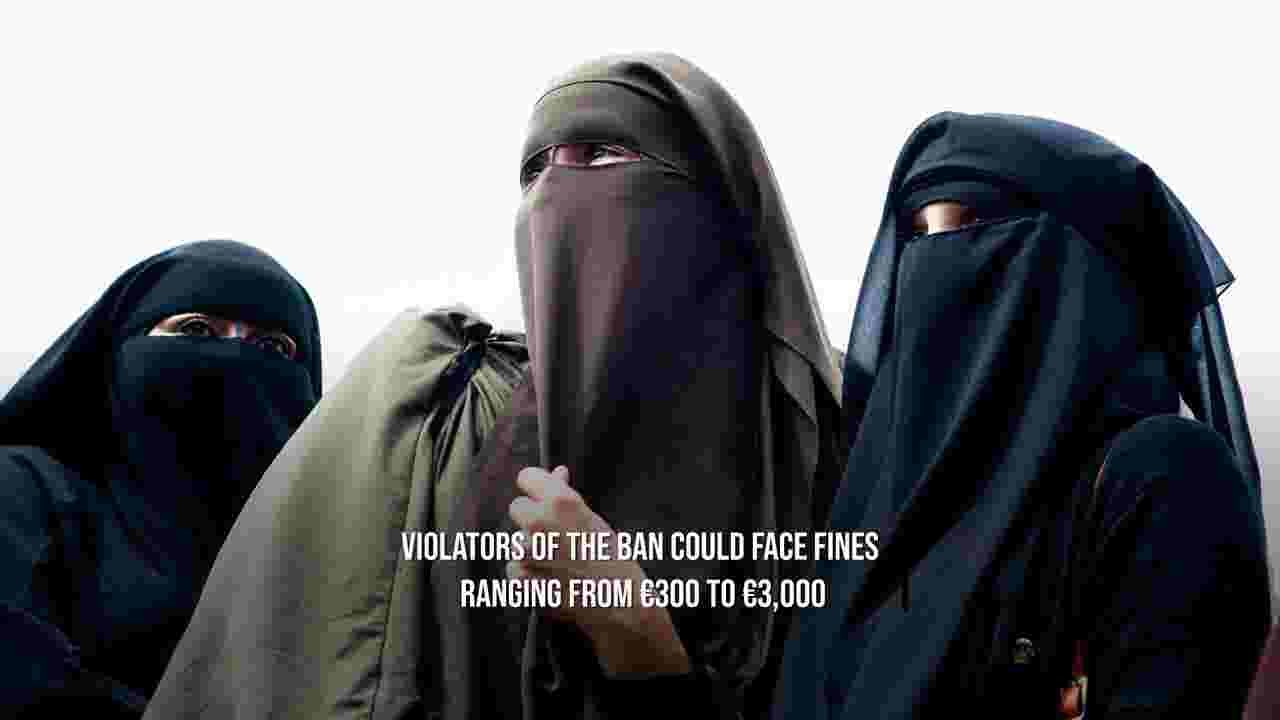
The specifics of the proposed legislation are still under development. However, early reports suggest that the ban would apply to all public spaces, including government buildings, schools, hospitals, and public transportation. There would likely be exceptions for certain circumstances, such as medical reasons or participation in cultural events. It is expected that violations of the ban would result in fines and potentially other penalties. One source close to the Ministry of Interior stated, “The goal is to ensure public safety and promote a more integrated society. We believe that face coverings hinder communication and create barriers to integration.” (However, many find this reasoning to be rather thin.)
The proposed law is said to be modeled after similar bans implemented in other European countries, such as France, Belgium, and Denmark. These countries have faced their own challenges in implementing and enforcing such laws, and their experiences will likely inform the debate in Italy. It’s interesting to observe how other countries have navigated this tricky territory. Let’s examine a brief overview:
- France: Implemented a ban on face coverings in public spaces in 2011.
- Belgium: Implemented a similar ban in 2011.
- Denmark: Introduced a ban on face coverings in 2018.
These bans have been met with varying degrees of success and controversy, and it remains to be seen whether Italy can learn from their experiences. The key to success, according to some, lies in clear and consistent enforcement, as well as a comprehensive strategy to address the underlying issues of integration and social cohesion.
Arguments in Favor of the Ban
Those who support the ban argue that it is necessary for security reasons. They contend that face coverings make it difficult to identify individuals, which poses a risk in a climate of heightened terror threats. They also argue that face coverings can be used to conceal criminal activity. “We need to be able to see people’s faces,” said one Italian politician. “It’s a matter of public safety.” The argument, while compelling to some, raises questions about the extent to which religious freedom should be limited in the name of security.
Another argument in favor of the ban is that it promotes cultural integration. Supporters argue that face coverings hinder communication and create barriers between individuals and the wider community. They believe that banning face coverings will encourage Muslim women to engage more fully with Italian society. This argument is often framed in terms of promoting gender equality, with some arguing that face coverings are a symbol of female oppression. “We want women to be free to express themselves,” said a spokesperson for a women’s rights organization. “Face coverings are a symbol of inequality.” But is banning a form of dress really the best way to promote gender equality? It’s a question that deserves careful consideration.

Arguments Against the Ban
Opponents of the ban argue that it is a violation of religious freedom. They contend that Muslim women have the right to choose to wear the niqab or burqa as an expression of their religious belief, and that the government should not interfere with this right. “It’s a matter of personal choice,” said a representative of a Muslim advocacy group. “The government has no right to tell women what they can and cannot wear.” This argument is rooted in the principles of individual liberty and religious tolerance, which are enshrined in the Italian constitution.
Critics also argue that the ban is discriminatory and will disproportionately affect Muslim women. They fear that it will lead to increased Islamophobia and marginalization, making it more difficult for Muslim women to integrate into Italian society. They also point out that the number of women who actually wear the niqab or burqa in Italy is relatively small, and that the ban is therefore an overreaction to a perceived problem. “This is a solution in search of a problem,” said one academic who studies Islam in Italy. “It’s a symbolic gesture that will have a real and negative impact on the lives of Muslim women.” Consider the potential for creating further divisions in an already fractured society.
The Potential Impact on Muslim Communities
The proposed ban has caused considerable anxiety within Muslim communities in Italy. Many fear that it will lead to increased discrimination and prejudice, making it more difficult for them to live and work in the country. Some worry that it will embolden far-right groups and lead to an increase in hate crimes. Others are concerned that it will create a chilling effect, discouraging Muslim women from participating in public life. The psychological impact of such a law should not be underestimated. Imagine feeling like a second-class citizen in your own country – it’s a devastating prospect.
The ban could also have a negative impact on the integration of Muslim communities. If Muslim women feel marginalized and discriminated against, they may be less likely to engage with Italian society and participate in civic life. This could lead to further social divisions and undermine efforts to promote understanding and tolerance. It is essential to create an environment where all members of society feel valued and respected, regardless of their religious beliefs or cultural practices.

Legal and Constitutional Considerations
The legality of the proposed ban under Italian and European law is a key question. Opponents argue that it violates the principles of religious freedom and non-discrimination, which are enshrined in both the Italian constitution and the European Convention on Human Rights. They point to previous rulings by the European Court of Human Rights, which have struck down similar bans in other countries.
The Italian government, however, argues that the ban is justified by the need to protect public safety and promote social cohesion. They may also argue that it is a proportionate response to a legitimate concern. The courts will ultimately have to weigh these competing interests and determine whether the ban is constitutional. The legal battle could be long and complex, with potentially significant implications for the rights of religious minorities in Italy.
Conclusion: A Delicate Balancing Act
The proposed ban on Islamic face coverings in Italy presents a complex and challenging issue. It requires a delicate balancing act between the need for security, the protection of individual liberties, and the promotion of social cohesion. There are valid arguments on both sides of the debate, and it is essential to consider all perspectives before making a decision. The Italian government must carefully weigh the potential consequences of the ban, both positive and negative, and ensure that any legislation is consistent with the principles of religious freedom and non-discrimination. What will ultimately happen? Only time will tell. But I suspect this debate will continue to rage on, not just in Italy, but across Europe and beyond. We must strive to create a society where everyone feels safe, respected, and valued, regardless of their religious beliefs or cultural practices.
Frequently Asked Questions
| What is Italy proposing regarding Islamic face coverings? | Italy is considering a nationwide ban on Islamic face coverings, such as the niqab and burqa, in public spaces. |
| What are the potential benefits of banning Islamic face coverings? | Proponents argue that a ban would enhance public safety by making facial identification easier, and promote cultural integration by removing barriers to communication. |
| How would the ban on Islamic face coverings be implemented in Italy? | The specifics are still under development, but the ban would likely apply to public spaces with exceptions for medical reasons or cultural events. Violations could result in fines and other penalties. |
| What are the potential challenges of banning Islamic face coverings? | Challenges include potential violations of religious freedom, increased discrimination against Muslim women, and difficulties in enforcing the ban consistently. |
| What is the future of the proposed ban on Islamic face coverings in Italy? | The future is uncertain. The proposal will likely face legal challenges and intense debate, with the courts ultimately deciding its constitutionality. The outcome could have significant implications for religious freedom and social cohesion in Italy. |
Important Notice
This FAQ section addresses the most common inquiries regarding the topic.