The air crackled with anticipation outside the Iowa State Fair. Corn dogs sizzled, children shrieked with laughter, and the unmistakable aroma of livestock permeated everything. But beneath the surface of this idyllic Americana, a political storm was brewing. The Wall Street Journal had just published a scathing critique of Robert F. Kennedy Jr.’s independent presidential campaign, and the reverberations were already being felt here, miles away from the polished corridors of Washington. The question they posed wasn’t subtle: Is RFK Jr. a viable candidate, or a political distraction?
The critique landed like a bombshell, dissecting Kennedy’s platform, scrutinizing his campaign finances, and, most pointedly, questioning the feasibility of his independent bid. The article didn’t pull any punches. It examined his controversial views on vaccines (a topic that has dogged him for years), his environmental record (often lauded, but also subject to scrutiny), and his overall electability in a deeply polarized nation. It’s not just about whether people *like* him, is it? It’s about whether they believe he can actually win. One attendee, a farmer from Des Moines named Earl, put it bluntly: “He’s got some interesting ideas, but can he actually beat Biden or Trump? That’s the million-dollar question.” (Earl’s words echoed what I’d been hearing all day.)
The timing of the article couldn’t have been more impactful. With the 2024 election looming, and both major parties seemingly locked in a familiar, if uninspiring, contest, Kennedy’s independent run offered a tantalizing alternative for some voters. But the Wall Street Journal’s piece served as a stark reminder of the immense challenges facing any third-party candidate, especially one with such a complex and often contradictory public image. Can he overcome the hurdles? Can he build a broad enough coalition to pose a genuine threat? And perhaps most importantly, will his message resonate beyond the echo chambers of social media and cable news? The stakes, as always, are incredibly high.
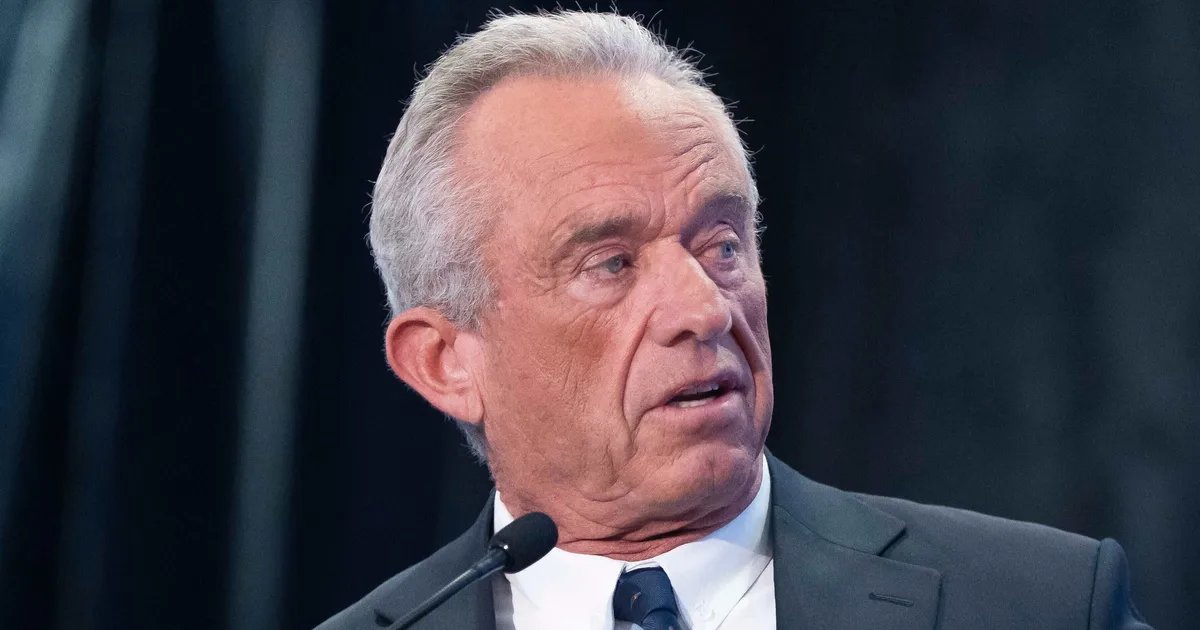
The article highlights several key areas of concern. First, Kennedy’s fundraising efforts, while substantial, still lag far behind those of the Republican and Democratic nominees. Campaign finance is the lifeblood of any serious political endeavor, and the ability to compete on television, online, and on the ground requires significant resources. “It’s an uphill battle,” admitted a former campaign advisor who wished to remain anonymous. “He’s got passion, he’s got name recognition, but he needs serious cash to even be in the conversation.” Second, the piece raises questions about Kennedy’s policy positions, particularly his stances on environmental issues and healthcare. While he champions environmental causes, some critics point to inconsistencies and a lack of detailed plans.
Analyzing the Wall Street Journal’s Critique
The Wall Street Journal’s article isn’t merely a superficial assessment; it delves into the specifics of Kennedy’s platform and campaign strategy. It scrutinizes his reliance on social media, his appeal to disaffected voters, and his attempts to bridge the partisan divide. The authors raise valid concerns about his ability to appeal to a broad enough coalition of voters to overcome the inherent disadvantages of running as an independent.
The Vaccine Controversy
Perhaps the most significant challenge facing Kennedy is his long-standing association with the anti-vaccine movement. (It’s a label he disputes, but the perception persists.) The Wall Street Journal doesn’t shy away from addressing this issue head-on, highlighting the potential for his views on vaccines to alienate a large segment of the population, particularly moderate and liberal voters who prioritize public health. This is not to say all his ideas are not valid but this association is certainly problematic.
Environmental Record Under Scrutiny
While Kennedy has built a reputation as an environmental advocate, the Wall Street Journal article examines his record with a critical eye. It raises questions about his past involvement with certain projects and his overall effectiveness in addressing complex environmental challenges. This is a topic that will be debated. What do you think?

Campaign Finance and Resources
As previously mentioned, campaign finance is a crucial factor in any presidential race. The Wall Street Journal points out that Kennedy’s fundraising efforts, while impressive for an independent candidate, still fall far short of the resources available to the major party nominees. This disparity in resources could significantly limit his ability to reach voters and compete effectively in key states.
Here’s a quick comparison table:
| Candidate | Estimated Funds Raised |
|---|---|
| Joe Biden (Projected) | $1 Billion+ |
| Donald Trump (Projected) | $1 Billion+ |
| Robert F. Kennedy Jr. | $50 Million (Estimated) |
These numbers paint a clear picture of the financial disadvantage Kennedy faces.
RFK Jr.’s Response and Defense
In response to the Wall Street Journal article, Kennedy’s campaign issued a statement defending his record and reiterating his commitment to addressing the concerns of American voters. They accused the publication of bias and argued that the article failed to accurately represent his policy positions and his vision for the country. “They’re scared,” claimed a campaign spokesperson. “They’re scared of someone who challenges the status quo.”
Challenging the Narrative
Kennedy has actively sought to challenge the narrative surrounding his campaign, using social media and public appearances to address criticisms and present his side of the story. He has emphasized his commitment to bipartisanship and his desire to unite Americans across the political spectrum.
Appealing to Disaffected Voters
A key component of Kennedy’s strategy is appealing to voters who feel disenfranchised by the two major parties. He argues that both Democrats and Republicans have failed to address the pressing issues facing the country, such as economic inequality, environmental degradation, and political corruption.

Building a Coalition
Kennedy’s campaign faces the daunting task of building a coalition of voters from across the political spectrum. He must attract support from disaffected Democrats, disillusioned Republicans, and independent voters who are open to a third-party alternative. This requires a delicate balancing act, as he must appeal to a diverse range of interests and perspectives.
The Broader Implications for the 2024 Election
The Wall Street Journal’s critique of Kennedy’s campaign raises important questions about the role of third-party candidates in American politics. While third-party candidates rarely win presidential elections, they can still play a significant role in shaping the debate and influencing the outcome.
Potential Impact on the Major Parties
Kennedy’s candidacy has the potential to draw votes away from both the Democratic and Republican nominees. Depending on the specifics of the race and the state of the electorate, this could have a significant impact on the overall outcome.
The Role of Independent Voters
Independent voters are a crucial demographic in American elections, and their support is often decisive in close races. Kennedy’s appeal to independent voters could make him a significant factor in the 2024 election.
The Future of Third-Party Politics
Kennedy’s campaign represents a test case for the future of third-party politics in the United States. His success or failure could have lasting implications for the ability of independent candidates to challenge the dominance of the two major parties. It really does feel like we’re at a turning point, doesn’t it?

Conclusion
The Wall Street Journal’s blistering question about RFK Jr. forces us to confront the realities of independent presidential campaigns in a deeply polarized nation. While Kennedy’s message may resonate with some voters, he faces significant challenges in terms of fundraising, policy positions, and overall electability. Whether he can overcome these obstacles remains to be seen, but his candidacy is undoubtedly injecting a dose of unpredictability into the 2024 election cycle. Only time will tell if RFK Jr. can truly shake up the established order, or if he will ultimately fade into the background as another footnote in the history of third-party presidential bids. One thing is certain: the debate surrounding his candidacy is far from over, and the questions raised by the Wall Street Journal will continue to be at the forefront of the political conversation. Personally, I think it’s going to be a wild ride!
Frequently Asked Questions
| What are the main concerns the Wall Street Journal raised about RFK Jr.’s campaign? | The Wall Street Journal raised concerns about RFK Jr.’s viability as a presidential candidate, focusing on his fundraising challenges, controversial views on vaccines, scrutiny of his environmental record, and overall electability as an independent. |
| What are the potential benefits of RFK Jr.’s independent campaign? | RFK Jr.’s campaign could potentially benefit disaffected voters who feel unrepresented by the two major parties. He could also bring new issues to the forefront of the political debate and potentially influence the policy platforms of the Democratic and Republican parties. |
| How does RFK Jr. plan to implement his campaign strategy and build a coalition? | RFK Jr. plans to build a coalition by appealing to disaffected Democrats, disillusioned Republicans, and independent voters. He aims to challenge the narrative surrounding his campaign through social media and public appearances, emphasizing bipartisanship and addressing concerns of American voters. |
| What are the significant challenges facing RFK Jr.’s presidential bid? | Significant challenges include overcoming the vaccine controversy, addressing scrutiny of his environmental record, securing sufficient campaign finance resources to compete with major party candidates, and building a broad enough coalition to win the election. |
| What could be the future impact of RFK Jr.’s campaign on the 2024 election and beyond? | RFK Jr.’s campaign could impact the 2024 election by drawing votes away from both major parties, particularly among independent voters. His success or failure could also influence the future of third-party politics in the United States and the ability of independent candidates to challenge the dominance of the two major parties. |
Important Notice
This FAQ section addresses the most common inquiries regarding the topic.