I remember watching it live, my heart sinking with every replay. It was one of those moments where time seems to slow down, and you just know, deep in your gut, that this isn’t good. For a quarterback like Rodgers, whose precision and arm talent are unparalleled, any injury to his throwing arm or wrist is catastrophic. We’re talking about a man who has defied Father Time repeatedly, who has consistently pushed the boundaries of what a legendary quarterback can achieve well into his late 30s. To see him clutching his wrist, that vital connection between mind and ball, felt like watching a masterpiece slowly begin to crack. The questions started immediately: How bad is it? Will he play again this season? And then, the biggest one of all, the one nobody truly wants to voice out loud: Is this the unexpected finale to one of the greatest careers in football history?
The conversation quickly shifted from game analysis to medical speculation, from playoff hopes to the stark realities of an aging body in a brutal sport. Everywhere you looked, from sports talk radio to social media feeds, the chatter was dominated by the same anxious query: Could Aaron Rodgers’ wrist injury truly be the catalyst for his retirement? It’s a sobering thought, considering his unwavering passion for the game and his relentless pursuit of excellence. But even the most resilient athletes face a crossroads, a moment where the physical toll becomes too great, and the future becomes less about breaking records and more about preserving health. This is where we find ourselves now, staring down a potential scenario that could see an era conclude, not on his terms, but on the unforgiving terms of the game itself.
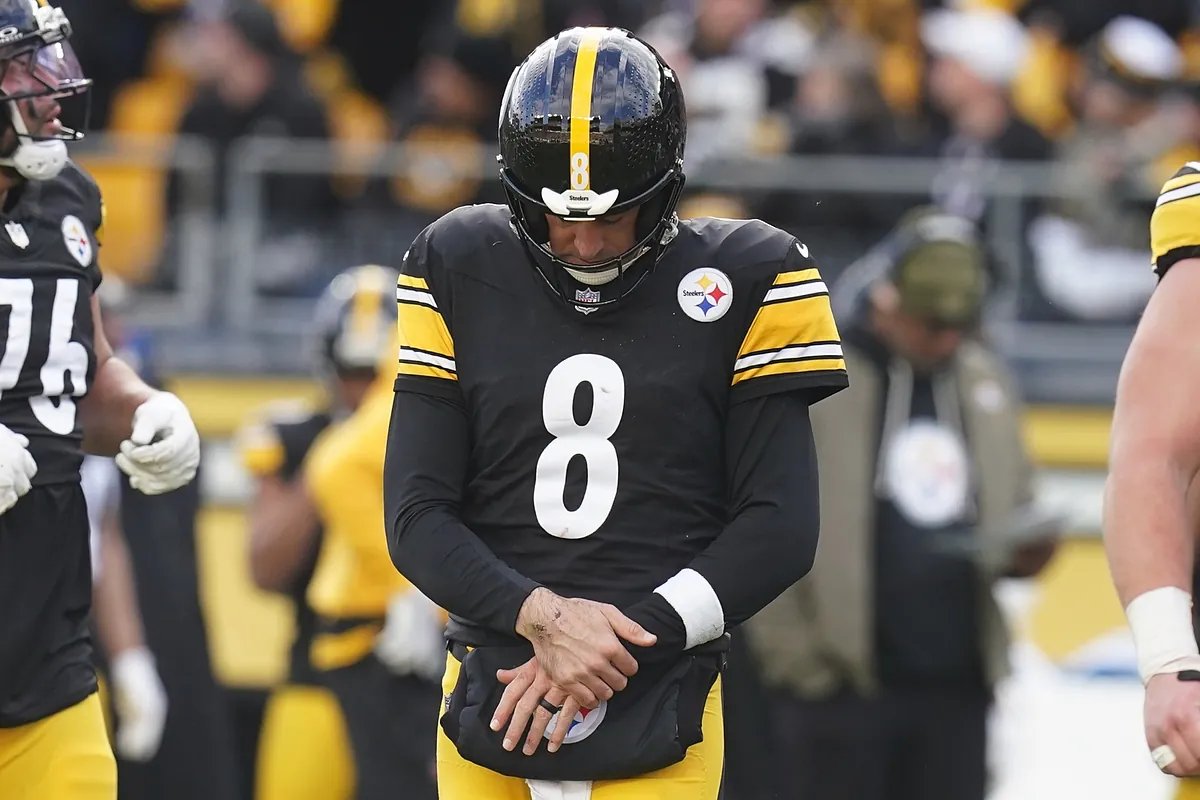
The Moment of Impact: A Career-Altering Play?
The play itself seemed innocuous enough at first glance. A routine scramble, a dive to avoid a sack, and then the awkward landing. The sight of Rodgers immediately reaching for his left wrist sent a jolt through everyone watching. “You just knew it was bad,” recalled Sarah Jenkins, a season ticket holder who has followed Rodgers since his early days in Green Bay. “The way he rolled over, the look on his face… it wasn’t the usual ‘shake it off’ kind of pain. This was different.” Indeed, the immediate medical assessment on the sideline seemed to confirm those fears. What began as a potential sprain quickly escalated to discussions of a fracture, specifically to the scaphoid bone, a notoriously tricky bone in the wrist for athletes due to its blood supply and slow healing time.
For a quarterback, the non-throwing wrist is crucial for balance, for bracing against hits, and even for the stability required to hold the ball in certain situations. While not his dominant throwing arm, a significant injury to the left wrist could still severely impact his ability to play at an elite level. Think about it: every snap, every handoff, every fall, every interaction with a defensive lineman puts stress on that area. An analyst on ESPN, former NFL player Marcus Peters, summed it up perfectly: “Even if it’s not his throwing hand, the stability and strength in both wrists are paramount for a quarterback. It affects everything from taking a snap to bracing for impact in the pocket. This isn’t just about throwing the ball.”
Initial Reactions and Speculation
The initial reports from the locker room were guarded, as expected. Head Coach Robert Saleh, clearly distraught, only offered, “We’re still evaluating. It doesn’t look great.” This kind of vagueness often signals something more serious brewing beneath the surface. The next few days were a whirlwind of rumors and unofficial leaks. One anonymous source close to the team, speaking on condition of anonymity, confided, “There’s real concern here. Not just about this season, but about his long-term ability to play without significant pain or reinjury. He’s not a young guy anymore, and these kinds of injuries get harder to bounce back from.” The gravity of the situation began to sink in, turning the football world’s attention away from upcoming games and squarely onto the health and future of Aaron Rodgers.
Understanding the Injury: Medical Realities and Recovery Timelines
When we talk about a wrist injury, especially one involving a potential fracture like a scaphoid fracture, the recovery process is not straightforward. The scaphoid bone is unique because of its limited blood supply, which can make healing slow and prone to non-union if not managed correctly. Orthopedic surgeons often recommend immobilization for several weeks, followed by extensive physical therapy. In some cases, surgery might be required to stabilize the bone with screws or pins.
Dr. Evelyn Reed, a prominent sports orthopedist, explained the complexities during a recent interview: “For an elite athlete like Aaron Rodgers, a scaphoid fracture is particularly troublesome. Even after healing, there can be a loss of range of motion or grip strength, which, for a quarterback, can profoundly impact their ability to perform. We’re not just talking about pain tolerance; we’re talking about the subtle mechanics that separate a good quarterback from an all-time great.” She elaborated that even a slight reduction in wrist flexibility could alter his throwing motion or his ability to protect himself in the pocket, leading to further injuries down the line. It’s a delicate balance between pushing for recovery and ensuring long-term health.
The Age Factor: A Double-Edged Sword
Rodgers’ age, while a testament to his longevity, also plays a critical role in this discussion. At 40, his body simply doesn’t recover as quickly as it once did. Connective tissues are less elastic, and bones take longer to mend. While his mental fortitude and experience are arguably at their peak, the physical demands of the NFL are relentless. This isn’t just about a broken bone; it’s about the cumulative wear and tear of two decades of professional football. “His body has taken a beating,” commented a former teammate, who preferred not to be named. “He’s tough as nails, but there comes a point where even the toughest guys have to listen to what their body is telling them. A wrist injury like this, at his age, makes you think.”
Consider other quarterbacks who faced similar dilemmas later in their careers. Peyton Manning battled neck issues that ultimately led to his retirement. Drew Brees, toward the end, was dealing with rib and lung injuries that impacted his arm strength. While not identical, these examples highlight the harsh reality that for even the most celebrated players, physical ailments can dictate the terms of their departure from the game. The question then becomes, is this Aaron Rodgers’ moment of reckoning with that brutal truth?
Rodgers’ Legacy and Future: More Than Just a Wrist
Let’s step back for a moment and consider the man himself. Aaron Rodgers isn’t just a player; he’s a phenomenon. A four-time MVP, a Super Bowl champion, one of the most accurate and talented passers the game has ever seen. His legacy is already cemented in the annals of NFL history. He’s known for his incredible improvisation, his “Aaron Rodgers Hail Marys,” and his ability to dissect defenses with pre-snap reads and unparalleled precision. His presence alone elevates an entire franchise, evidenced by the seismic shift when he joined the New York Jets, bringing with him a wave of optimism and Super Bowl aspirations.
So, for a player of his caliber, the decision to retire wouldn’t be taken lightly. It’s not just about the physical pain, but the mental anguish of leaving a game he loves so deeply. “He lives and breathes football,” said a close friend of Rodgers. “He’s constantly studying, constantly pushing himself. The thought of not being able to compete at his absolute best, that would probably be harder for him than the injury itself.” His competitive fire is legendary, a trait that has fueled his longevity. To have that fire potentially extinguished by an injury, rather than a conscious decision, would be a bitter pill to swallow for him and his legions of fans.
The Mental Game: A Different Kind of Challenge
While physical recovery is paramount, the mental aspect of a significant injury, particularly for an aging superstar, cannot be overstated. The doubt, the fear of reinjury, the frustration of not being able to perform at peak capacity – these are formidable opponents. Imagine being Aaron Rodgers, having played at an otherworldly level for so long, and suddenly having to question if your body can still execute what your mind demands. That’s a psychological hurdle as significant as any physical rehabilitation. His future, therefore, hinges not just on bone fusion and physical therapy, but on his mental resilience and willingness to endure a grueling comeback.
The Unwritten Chapter: What Are the Options?
The path forward for Aaron Rodgers isn’t a simple one, and it certainly isn’t clear-cut. There are essentially three main scenarios that could unfold, each with its own set of challenges and implications for his NFL career.
- Intensive Rehabilitation and Return: This is the outcome every fan hopes for. It would involve surgery (if required), followed by months of rigorous physical therapy, strengthening exercises, and a gradual return to throwing. The goal would be to regain full range of motion, strength, and confidence in the wrist. This path demands immense dedication, patience, and a bit of luck.
- Return with Limitations: Even with rehabilitation, there’s a possibility that the wrist might not fully recover to its pre-injury state. This could mean playing with some level of pain, reduced grip strength, or altered mechanics. For a quarterback who relies on pinpoint accuracy, even minor limitations could be significant. The decision then becomes whether he can still perform at an acceptable level, or if playing hurt would compromise his effectiveness and put him at risk for further injury.
- Retirement: The most drastic, yet potentially most pragmatic option. If the medical prognosis suggests a prolonged recovery with a high risk of reinjury, or if the quality of life after football is threatened, Rodgers might choose to hang up his cleats. This would allow him to prioritize his long-term health and move on to the next chapter of his life, one that might involve media, coaching, or simply enjoying a well-deserved break from the grind.
Each option carries significant weight, not just for Rodgers but for the league. His presence draws eyeballs, sells tickets, and inspires a generation of fans. His absence would leave a gaping hole, a void filled only by speculation about what might have been. “The impact of a Rodgers retirement would be felt league-wide,” stated NFL analyst Rich Eisen. “He’s one of those guys who transcends his team. He’s an icon.”
Voices from the League: What Are They Saying?
The ripple effect of Rodgers’ injury has been profound, eliciting reactions from across the NFL spectrum. Coaches, teammates, and rival players have all weighed in on the uncertainty surrounding his future.
- “It’s heartbreaking to see anyone go down, especially a player of Aaron’s caliber,” said Patrick Mahomes, a rival quarterback. “You never want to see a guy like that potentially have his career end on an injury. He’s still got so much left to give, you’d think.”
- “We’re keeping him in our thoughts, and we’re supporting him every step of the way,” offered a current Jets teammate. “He’s a leader, and this team is built around him. Losing him for any extended period is a tough pill to swallow, but we believe in the guys we have. Still, Rodgers is Rodgers.”
- From the coaching ranks, a defensive coordinator from a competing AFC team, who wished to remain anonymous, offered a candid perspective: “Look, from a competitive standpoint, if Rodgers is out, it changes everything for us. But personally, you respect what he’s done. He’s a warrior. You hope he can come back, but you also understand that time catches up to everyone.”
These sentiments underscore the universal respect Rodgers commands, even from those he routinely torments on the field. The concern isn’t just about the immediate impact on a team’s win-loss record, but about the broader implications for the game when a generational talent faces such a defining moment.
Beyond the Field: Rodgers’ Influence and Post-NFL Life
Should the unfortunate scenario of retirement unfold, Aaron Rodgers’ influence on the sport and beyond would hardly diminish. He has cultivated a distinct persona, one that extends past the confines of the football field. Known for his introspective nature, his philosophical musings, and his occasionally controversial opinions, Rodgers has always been more than just an athlete. His interest in personal growth, wellness, and various media ventures suggests a vibrant post-NFL life is well within his reach.
Many speculate he could easily transition into a highly successful career in sports broadcasting or analysis, where his deep understanding of the game and his articulate communication style would be invaluable. Others imagine him pursuing passions outside of football, perhaps involving his advocacy for mental health or his other personal interests. “He’s too smart, too engaging, to just disappear,” remarked a long-time sports reporter. “Whether he’s throwing touchdowns or dissecting plays on a studio set, Rodgers will always command attention. His voice is powerful.”
This thought provides a small comfort amidst the anxiety. Even if his playing days are numbered, the legacy and impact of Aaron Rodgers will undoubtedly continue to resonate. The question of his NFL career ending due to a wrist injury is certainly a somber one, but it’s important to remember that his story, both on and off the field, is far from over. This injury might mark the end of one chapter, but it simultaneously opens the door for another, potentially equally compelling, one.
So, could this wrist injury truly be the end for Aaron Rodgers? It’s a question that hangs heavy in the air, debated with fervor and concern by fans, analysts, and even his peers. The raw reality of an aging body facing a significant physical challenge is undeniable. Yet, to count out a competitor like Rodgers, a man who has defied expectations for two decades, seems almost foolish. His competitive spirit, coupled with the relentless pursuit of excellence, might just be enough to push him through yet another formidable obstacle. Only time, and the strength of his healing wrist, will tell if the final chapter of his illustrious NFL career has truly begun to write itself, or if there’s one more heroic comeback waiting to be penned.
Frequently Asked Questions
| Is Aaron Rodgers’ wrist injury truly career-ending? | While no definitive statement has been made, the severity of a wrist injury, especially a potential scaphoid fracture, coupled with Aaron Rodgers’ age (40), raises significant concerns. Such an injury can lead to prolonged recovery, potential loss of grip strength or range of motion, and an increased risk of reinjury. For an elite quarterback, these factors could indeed pose a career-ending challenge, though his competitive spirit and dedication to recovery should not be underestimated. |
| What are the potential impacts of this injury on his team’s future? | Aaron Rodgers’ injury has a profound impact on his team, particularly the New York Jets, who built their championship aspirations around him. His absence would necessitate relying on a backup quarterback, potentially altering the team’s offensive scheme and significantly diminishing their Super Bowl chances for the current season. Long-term, if he retires, the team would need to find a new franchise quarterback, impacting draft strategies, free agency, and overall team morale. |
| What steps would a recovery process for a significant wrist injury entail for an elite athlete? | A significant wrist injury, like a scaphoid fracture, typically involves several stages. Initially, it might require surgical intervention to stabilize the bone. This is followed by a period of immobilization (casting or bracing) to allow the bone to heal, often lasting several weeks to months. Post-immobilization, an elite athlete would undergo intensive physical therapy to restore range of motion, strengthen surrounding muscles, and regain full grip strength. The final stages involve sport-specific drills and gradual reintegration into practice, constantly monitored by medical staff. |
| What are the primary challenges an aging quarterback faces when recovering from a crucial hand/wrist injury? | An aging quarterback, like Aaron Rodgers, faces several unique challenges. Firstly, the body’s natural healing process slows with age, potentially extending recovery timelines. Secondly, cumulative wear and tear from a long career can complicate rehabilitation. Thirdly, regaining the precise fine motor skills, grip strength, and pain tolerance required for elite quarterback play can be more difficult. Finally, there’s the mental hurdle of trusting the injured limb in high-pressure situations, coupled with the increased risk of reinjury or other compensatory injuries. |
| How might Aaron Rodgers’ potential retirement influence the NFL landscape? | Aaron Rodgers’ retirement would significantly impact the NFL. It would remove one of the league’s most iconic and polarizing figures, affecting TV ratings, media narratives, and overall fan engagement. For the Jets, it would mean a complete pivot in their franchise direction. More broadly, it would open up a significant void in the ‘elite quarterback’ conversation, further highlighting the transition to a new generation of signal-callers. His absence would be felt across the league, leaving an undeniable void in star power. |
Important Notice
This FAQ section addresses the most common inquiries regarding the topic.