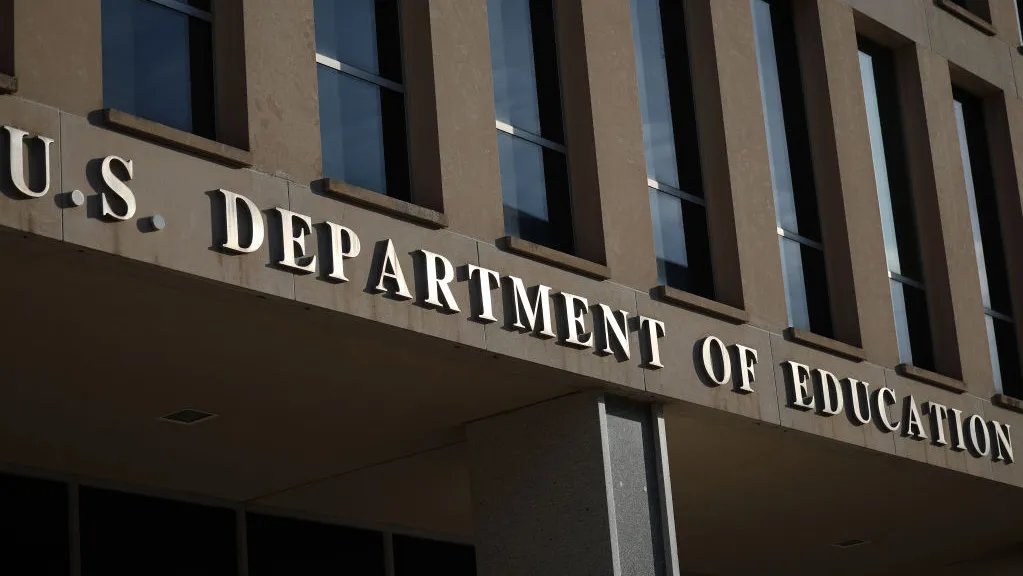
It’s a crisp autumn morning in Washington D.C., the kind where the leaves are turning a vibrant red and gold, and the air carries a hint of woodsmoke. Inside the Department of Education, however, the atmosphere is anything but serene. Career civil servants, many of whom have dedicated their lives to public service, are watching with a mix of anxiety and resignation as policies enacted during the Trump administration continue to reshape the landscape of American education. The big question on everyone’s mind: What does it all really mean? Trump’s approach to the Education Department, marked by deregulation and a focus on school choice, has left a lasting imprint. Think about it: drastically different priorities, different funding allocations, different expectations. (It’s enough to make your head spin!) These changes, often implemented with speed and a clear ideological bent, have sparked intense debate about the role of the federal government in education.
The story of Trump’s education policy is not simply about policy changes, though. It’s about people. It’s about students struggling to repay student loans, teachers grappling with shrinking budgets, and parents navigating an increasingly complex educational system. It’s about the fundamental belief in what education *should* be in America. The debate rages on. One anonymous source within the Department, a policy analyst with over 20 years of experience, told me in hushed tones last week, “We’re still picking up the pieces. The damage done by the previous administration to morale and the department’s effectiveness is significant.” And the implications are far-reaching, influencing everything from federal funding for schools to the implementation of standardized testing.
Consider the appointment of Betsy DeVos as Secretary of Education. Her strong advocacy for charter schools and vouchers signaled a clear shift towards privatization and deregulation. While proponents argued that these policies would empower parents and improve educational outcomes, critics warned of the potential for increased inequality and the erosion of public education. (And let’s be honest, a LOT of people had very strong feelings about Betsy DeVos.) The Biden administration has since attempted to reverse many of these policies, but the effects of the Trump era continue to be felt across the country. The question remains: what will be the lasting legacy of this period of upheaval and transformation in American education? Let’s dive in and take a closer look.
A Shift in Priorities: Deregulation and School Choice
Trump’s vision for education was clear: reduce federal oversight and empower parents to choose the best educational options for their children. This approach contrasted sharply with the emphasis on standardized testing and accountability that characterized the Obama era. The Every Student Succeeds Act (ESSA), passed in 2015, already offered states more flexibility in designing their education systems, but the Trump administration sought to further reduce the federal government’s role.
One of the key strategies was to promote school choice through various means, including charter schools, vouchers, and education savings accounts. The argument was that competition among schools would drive innovation and improve outcomes for all students. “Parents know best what their children need,” DeVos often stated, advocating for policies that would allow families to use public funds to attend private schools.
However, critics raised concerns about the potential for these policies to exacerbate inequalities. They argued that diverting public funds to private schools would disproportionately benefit wealthier families and leave public schools, particularly those in underserved communities, with fewer resources. “This is not about empowering students, it’s about defunding public education,” said Randi Weingarten, president of the American Federation of Teachers.
The Impact on Federal Funding
The Trump administration also proposed significant cuts to federal funding for education programs. While some programs, such as those supporting charter schools, received increased funding, others, including those focused on teacher training and after-school programs, faced steep reductions. These proposed cuts were often met with resistance from Congress, which ultimately restored funding for some programs.
The changes in funding priorities reflected a shift in the administration’s vision for the Education Department. Rather than focusing on broad-based support for public schools, the emphasis was on targeted investments in programs that aligned with the administration’s goals, such as school choice and vocational training. I remember thinking, “Where will this leave the students who need the most support?” It felt like a risky gamble.
Student Loans and Higher Education
The Trump administration also took steps to overhaul the federal student loan program. These efforts included simplifying income-driven repayment plans and cracking down on fraud and abuse. However, some of these changes faced legal challenges and were ultimately blocked by the courts.
One of the most controversial aspects of the administration’s approach to higher education was its skepticism towards regulations designed to protect students from predatory for-profit colleges. The Department of Education rolled back regulations implemented during the Obama administration that held these institutions accountable for their graduates’ success.
The Borrower Defense Rule
The “borrower defense to repayment” rule allowed students who were defrauded by their colleges to have their federal student loans forgiven. The Trump administration argued that the rule was too broad and costly, and it sought to narrow its scope. This move sparked outrage from consumer advocates and student borrowers who argued that it would leave vulnerable students with no recourse.
One former student, Sarah Miller, who attended a now-defunct for-profit college, shared her experience. “They promised me a great career, but all I got was debt and a worthless degree. The borrower defense rule was my only hope,” she explained, highlighting the real-life consequences of these policy changes.
Deregulation and Civil Rights
Another area where the Trump administration’s policies had a significant impact was in the area of civil rights. The Department of Education’s Office for Civil Rights (OCR) is responsible for enforcing federal laws that prohibit discrimination in education. Under the Trump administration, the OCR shifted its focus away from systemic investigations and towards individual complaints.
This shift was criticized by civil rights advocates who argued that it would make it more difficult to address widespread discrimination in schools. They also raised concerns about the administration’s stance on issues such as transgender students’ rights and the use of affirmative action in college admissions.
The Rescission of Guidance on Transgender Students
One of the most controversial actions taken by the Trump administration was the rescission of guidance issued by the Obama administration that directed schools to allow transgender students to use bathrooms and locker rooms that aligned with their gender identity. This decision sparked protests and legal challenges from LGBTQ+ advocates who argued that it would harm transgender students.
The debate over transgender students’ rights in schools continues to be a contentious issue, with varying policies and legal interpretations across different states. It really makes you wonder, how can we ensure a safe and inclusive learning environment for *all* students? It’s a complex question with no easy answers.
The Biden Administration’s Response
Upon taking office, the Biden administration moved quickly to reverse many of the policies implemented during the Trump era. This included reinstating regulations protecting student borrowers, restoring guidance on transgender students’ rights, and increasing funding for public education programs.
The Biden administration has also emphasized the importance of addressing systemic inequities in education, particularly those affecting students from low-income families and students of color. This includes initiatives to improve teacher diversity, expand access to early childhood education, and invest in school infrastructure.
A Return to Federal Oversight?
The Biden administration’s approach to education signals a return to a more active role for the federal government in shaping education policy. This includes not only providing funding and resources to states and local school districts but also setting standards and guidelines to ensure that all students have access to a high-quality education.
The big question is: Will these efforts be enough to undo the changes implemented during the Trump era? And what will be the long-term impact of these competing visions for American education? It remains to be seen.
The Lasting Legacy
The Trump administration’s impact on the Education Department is undeniable. Its focus on deregulation, school choice, and reduced federal funding has left a lasting mark on the landscape of American education. While the Biden administration has sought to reverse many of these policies, the effects of the Trump era will continue to be felt for years to come.
The debate over the proper role of the federal government in education will likely continue to be a major point of contention in American politics. The question of how best to ensure that all students have access to a high-quality education remains a complex and challenging one. The stakes are high, and the future of American education hangs in the balance.
Looking back, it’s clear that the Trump administration’s approach to the Education Department was driven by a distinct set of priorities and values. Whether those priorities ultimately served the best interests of American students is a question that will be debated for years to come.
Ultimately, the legacy of Trump’s policies on education is one of disruption and division. The rapid shifts in policy, the cuts to funding, and the focus on deregulation created a climate of uncertainty and anxiety within the Education Department and across the education sector. While some argue that these changes were necessary to shake up a stagnant system, others believe that they undermined the progress made in expanding access to quality education for all students. Only time will tell what the true long-term consequences will be.
Frequently Asked Questions
| What specific actions did Trump take to flatten the Education Department? | Trump’s administration pursued deregulation, reduced federal funding for certain programs, and promoted school choice initiatives, often leading to a reduction in the department’s overall influence and scope. |
| What are the potential benefits of Trump’s education policies? | Proponents argue that school choice empowers parents, fosters competition among schools, and promotes innovation, potentially leading to improved educational outcomes for students. |
| How has the Biden administration responded to these changes? | The Biden administration has sought to reverse many Trump-era policies, including reinstating regulations protecting student borrowers, restoring guidance on transgender students’ rights, and increasing funding for public education. |
| What challenges did the Trump administration face in implementing its education agenda? | The administration faced resistance from Congress, legal challenges to its policies, and criticism from civil rights advocates and teachers’ unions. |
| What is the future of education policy in the United States? | The future of education policy remains uncertain, with ongoing debates about the role of the federal government, school choice, and funding priorities. The long-term impact of both the Trump and Biden administrations’ policies will continue to shape the educational landscape for years to come. |
Important Notice
This FAQ section addresses the most common inquiries regarding the topic.