The drizzle was just starting, a fine, almost imperceptible mist that clung to everything as you stepped out of the bustling coffee shop, the warmth of your latte still a comfort in your hands. You glance towards where you’d left your car, just for a moment, near the curb. A quick errand, maybe ten minutes tops. You remember seeing a sign, something about “No Parking” but surely that was further down, right? You blink once, twice, a creeping chill unrelated to the weather starting to spread through your chest. Your car, your familiar, trusty vehicle, isn’t there. The space is empty, devoid of anything but a faint oil stain on the asphalt. Your heart plummets to your stomach, a sickening lurch that makes the coffee nearly spill. Panic flares. “Where is it?” you whisper to yourself, eyes darting frantically up and down the street. Did you forget where you parked? No, impossible. This is the spot. A wave of dread washes over you as the terrifying realization hits: your car has been towed. But are they allowed to tow my car? Was it legal? This sudden, gut-wrenching experience is far too common, leaving countless drivers feeling helpless, confused, and often, exploited. The question isn’t just a simple yes or no; it dives deep into a labyrinth of local ordinances, state laws, private property rights, and consumer protections. Understanding the precise circumstances under which a vehicle can be legally removed is not just important, it’s absolutely crucial to protect yourself from unnecessary fees, stress, and potential scams. Let’s unravel this complex issue, because nobody deserves that sinking feeling without knowing why.
The Heart-Stopping Moment: Your Car is Gone!
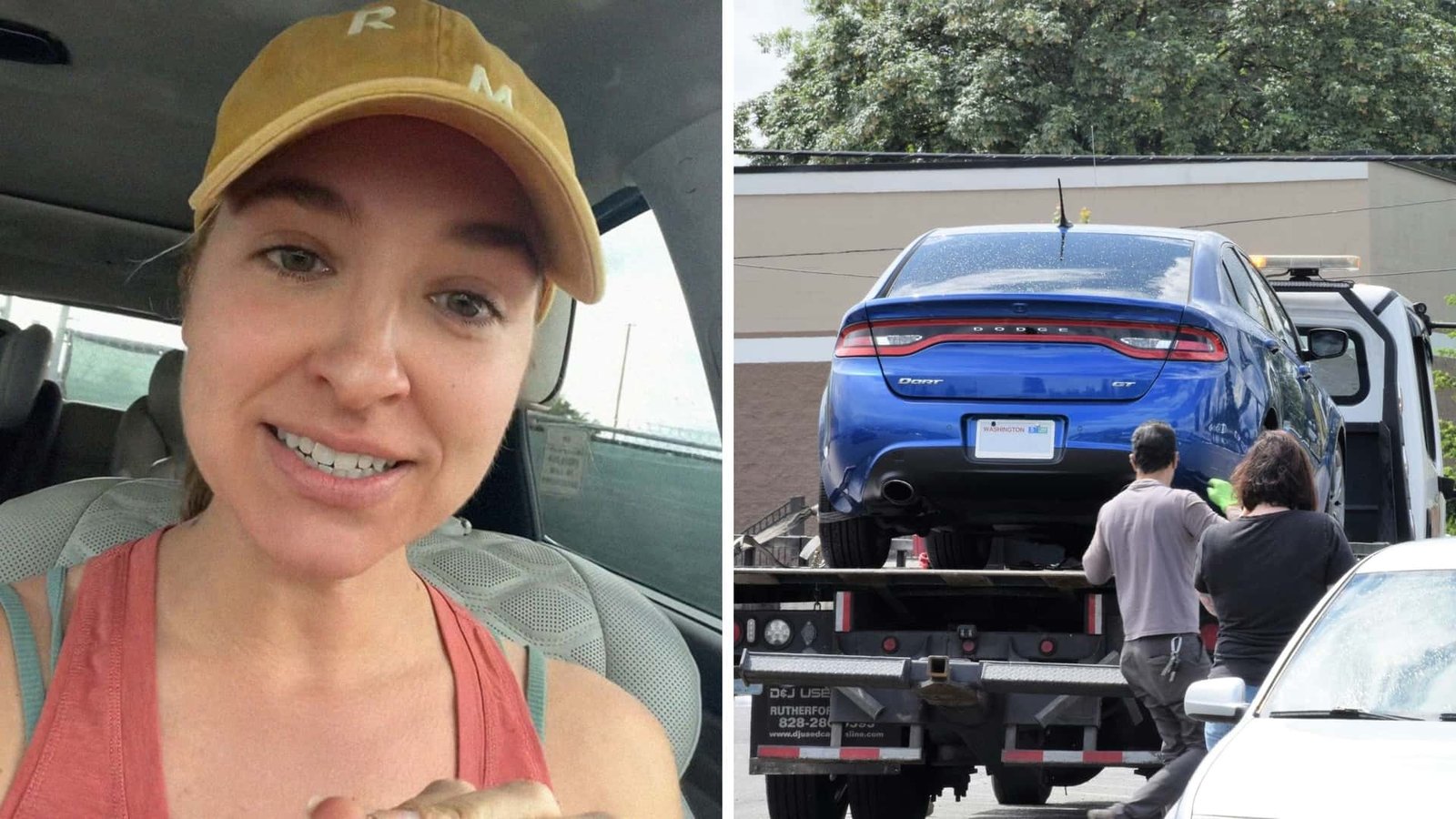
That initial shock, the sheer disbelief when you realize your car isn’t where you left it, is a universally shared nightmare. “I remember Sarah, a friend of mine, who parked for ‘just a minute’ to grab coffee near her office,” she recalled, still visibly shaken months later. “She came back, and poof! Gone! She thought it was stolen, immediately called the police, and was in tears. It turned out it was towed for being in a tow-away zone she swore she didn’t see.” It’s a tale as old as time, really. The mind races through a dozen possibilities: theft, misremembering the parking spot, or the dreaded tow. The first instinct for many is often to call the police, assuming it’s stolen. While that’s a valid first step, especially if you’re truly unsure, often the police dispatcher will direct you to check with local towing companies. Why? Because the legality of a tow hinges on a myriad of factors, often tied to very specific infractions that enforcement agencies or private property owners deem worthy of immediate removal. This isn’t just about an inconvenience; it’s about a sudden loss of property and often, a hefty financial burden to get it back.
Public Streets vs. Private Property: Where Do the Rules Differ?
This distinction is perhaps the most critical when trying to understand if they are allowed to tow your car. The laws governing towing on public streets are typically different from those on private property, and knowing which category your parking spot falls into is your first line of defense. It’s like comparing the rules of a public park to those of someone’s backyard – different jurisdictions, different rights.
Towing on Public Streets: When Enforcement Steps In
On public streets, towing is generally regulated by municipal ordinances and state traffic laws. This means police, parking enforcement officers, or authorized contractors are the ones initiating the tow. The reasons are usually quite clear, though sometimes signage can be overlooked or misunderstood.

The most common reasons for a public street tow include:
- Parking Violations: This is the big one. Expired meters, parking in a “No Parking” zone (especially during peak hours), blocking a fire hydrant, street sweeping schedules, bus stops, or designated loading zones. Sometimes, it’s simply parking for too long in a time-limited spot.
- Abandoned Vehicles: If a vehicle appears abandoned (e.g., flat tires, expired tags, covered in dust, hasn’t moved for a long time), it might be flagged and towed after a certain waiting period and notification.
- Emergency Situations: During accidents, natural disasters, or major public events, vehicles might be towed to clear roads for emergency services or traffic flow.
- Blocking Driveways or Crosswalks: Even partially obstructing these vital areas can lead to a quick tow.
- Impoundment: This is more severe. If you’re arrested for DUI, your car will likely be impounded. The same goes for serious traffic offenses or if your vehicle is involved in a crime.
“We don’t tow vehicles lightly,” explained Officer Ramirez from the city’s traffic division. “Our primary goal is to ensure public safety and traffic flow. If a vehicle is posing a hazard, blocking access, or repeatedly violating clear parking rules, we have to act. The signage is almost always there, but people sometimes just miss it or gamble.” He stressed the importance of reading every sign, no matter how small or seemingly insignificant.
Private Property Towing: The Wild West?
Private property, such as shopping malls, apartment complexes, business parks, or even private homes, operates under a different set of rules, though still often regulated by state law. Here, the property owner or their authorized agent can request a tow. The key difference is that the property owner usually needs to have proper signage in place, clearly stating the parking rules and the consequences of violating them.
What makes private property towing feel like the “Wild West” sometimes is the perception of predatory towing. Many people have stories of returning to a restaurant or apartment complex only to find their car gone, towed for what felt like a minor or unclear infraction. To legally tow from private property, usually:
- Clear and Visible Signage: There must be signs at each entrance and within the parking area, prominently displaying “No Parking,” “Permit Parking Only,” “Customer Parking Only,” or “Tow-Away Zone.” These signs should also typically state who can tow the vehicle and provide a contact number.
- Owner’s Permission: In many jurisdictions, the property owner or their authorized representative must specifically request each tow. A tow truck company cannot simply patrol a lot and tow vehicles without specific authorization, unless they are acting under a contractual agreement that outlines clear parameters for self-initiated towing (which is often more heavily regulated).
- Actual Violation: The vehicle must actually be in violation of the posted rules. Parking briefly to pick up takeout, if signage strictly prohibits it, could still be a valid reason, however frustrating.
“We had so many issues with people parking in our tenants’ reserved spots,” said Maria Rodriguez, a property manager for a downtown apartment building. “Despite big, bright signs, people would still park, run into a nearby shop, and vanish. We had no choice but to contract a towing company. It’s not to be mean; it’s to protect our residents’ rights to their paid parking.” She mentioned that the signs clearly state “Resident Permit Parking Only, Unauthorized Vehicles Will Be Towed at Owner’s Expense,” and include the towing company’s name and phone number. This transparency is crucial.
Understanding the ‘Valid Reason’ for a Tow
So, when exactly are they allowed to tow your car? Beyond the general distinction between public and private land, there are specific, legally recognized reasons. It’s not just a tow truck driver’s whim.
Here’s a breakdown of commonly accepted valid reasons:
- Illegally Parked in a Disabled Spot: This is almost universally a towable offense, often with severe fines attached, even if for “just a minute.”
- Blocking a Fire Lane or Driveway: These areas must remain clear for safety and access. Obstruction, even partial, warrants a tow.
- Parking Without a Permit in a Permitted Area: This is very common in apartment complexes, universities, or private business lots where specific permits are required.
- Expired Registration/Tags (sometimes): In some states or municipalities, severely expired tags or registration can lead to impoundment, especially if the vehicle is also considered abandoned or unsightly.
- Vehicle Considered a Hazard: If your car breaks down in a dangerous spot on a highway or blocks traffic significantly, it will be towed for safety reasons.
- Impoundment Due to DUI or Serious Traffic Offense: As mentioned, this is a legal consequence of certain criminal or severe traffic violations.
- Repeated Parking Violations: In some cities, if you accumulate a certain number of unpaid parking tickets, your vehicle could be booted or towed.
A “valid reason” essentially means there’s a specific law or clearly posted rule that has been violated. The absence of such a rule or sign often forms the basis of an illegal towing claim.
Your Rights as a Vehicle Owner: Don’t Get Taken for a Ride
Discovering your car has been towed is stressful enough; dealing with the aftermath shouldn’t be a maze of confusion and exploitation. Knowing your rights is your strongest defense.
Firstly, if your car is towed, you have the right to know where it is. Towing companies are generally required to notify local law enforcement within a certain timeframe (often within an hour) that they have towed a vehicle. This is how police dispatchers can tell you where your car has been taken.
Secondly, you have the right to retrieve personal items from your vehicle, often without incurring a fee, before paying the tow and storage fees. This doesn’t mean you can drive the car away, but you should be able to get your wallet, medications, child seats, or other necessities. “Many people don’t know they can grab their essentials,” commented David Chen, a consumer advocate specializing in vehicle owner rights. “It’s a small but significant right that can save you a lot of hassle and even money if you need something urgently.”
Thirdly, you have the right to a detailed, itemized invoice for all towing and storage fees. This invoice should clearly state the reason for the tow, the date and time, the location it was towed from, and a breakdown of all charges. Be wary of companies that give vague or unitemized bills. Local ordinances often cap towing and storage fees, so it’s wise to check your city or county’s regulations. You should also have the right to pay by various methods, not just cash.
Finally, you have the right to dispute the charges or the legality of the tow itself. This might involve filing a complaint with a consumer protection agency, the local police department (if they initiated the tow), or the state’s department of motor vehicles. In some cases, a small claims court might be necessary, especially if you believe the tow was truly illegal. Document everything: take photos of the parking area, the signs (or lack thereof), the time, and any interactions with the tow company. This evidence is invaluable.
The Dark Side: Predatory Towing and How to Fight Back
Unfortunately, not all towing operations are legitimate or ethical. “Predatory towing” refers to practices where tow companies exploit ambiguities in parking rules, lack of clear signage, or engage in outright deceptive tactics to tow vehicles for profit. This can include:
- Exorbitant Fees: Charging far more than the standard or legally capped rates for towing and storage.
- Lack of Transparency: Refusing to provide an itemized bill, demanding cash only, or refusing to disclose the tow company’s information.
- “Patrolling” Private Lots: Tow trucks actively cruising private lots, often without explicit instruction from the property owner, looking for minor infractions.
- Rapid Tows: Towing vehicles within minutes of a violation, especially on private property where clear notice might be required by law.
- Improper Signage: Towing from private property where signs are missing, obscured, or not compliant with legal requirements (e.g., too small, placed too high, not at every entrance).
“I fought a tow company once that charged me triple the legal rate,” shared Michael, a local resident. “They said I was parked in a ‘no parking’ zone, but the sign was behind a huge bush! I took pictures, called the city, and eventually, after a lot of back and forth, I got my money back. It was a nightmare, but I learned you absolutely have to stand up for yourself.”
If you suspect you’ve been a victim of predatory or illegal towing:
1. Document Everything: Take photos of the spot where your car was parked (especially looking for signs or lack thereof), the tow company’s truck (if still there), the invoice, and any damage to your vehicle. Note the time, date, and exact location.
2. Contact Local Authorities: If you believe the tow was illegal, contact the police department in the jurisdiction where your car was towed. They can often mediate or advise on the legality.
3. File a Complaint: Reach out to your state’s Attorney General’s office, consumer protection agencies, or your local Department of Motor Vehicles (DMV). These bodies often have specific departments that handle towing complaints.
4. Review Local Ordinances: Many cities and counties have specific laws governing towing practices, including maximum fees, signage requirements, and notification procedures. Knowing these can empower your complaint.
5. Seek Legal Advice: For particularly egregious cases, consulting with an attorney specializing in consumer law might be necessary.
Getting Your Car Back: The Process and the Pain
Once you’ve confirmed your car was towed and know its location, the next step is retrieval. It’s rarely a pleasant experience, and it almost always involves fees.
First, you’ll need to go to the impound lot. Be prepared with:
- Proof of Ownership: This usually means your vehicle registration.
- Valid Identification: A government-issued ID, like your driver’s license.
- Proof of Insurance: While not always required to release the car, it’s good to have on hand.
- Payment: This is crucial. Towing companies typically require payment in full before releasing your vehicle. Confirm accepted payment methods (cash, credit card) beforehand to avoid another trip.
The fees can be substantial. You’ll usually face:
* Towing Fee: The cost for the actual tow, which can vary widely depending on the distance towed, the type of vehicle, and the time of day (after-hours often incur higher rates).
* Storage Fees: These accrue daily, sometimes hourly, and can quickly add up. This is why retrieving your car as soon as possible is vital. “Every day you wait, it just gets more expensive,” warned a tow yard employee, who preferred to remain anonymous. “Some people wait weeks, then the storage fees are more than the car is worth.”
* Administrative Fees: Some companies charge additional processing or administrative fees.
Always scrutinize the invoice. If any charges seem excessive or unwarranted, question them immediately. While you might have to pay to get your car back, paying under protest (making a note on the receipt) can preserve your right to dispute the charges later. The entire process is designed to be a deterrent, a costly reminder of parking regulations, but it shouldn’t be an opportunity for exploitation.
Knowing if they are allowed to tow your car is a complex question with many answers, dependent on location, circumstances, and clear adherence to the law. What is undeniably clear, however, is the immense stress and financial burden that comes with a towed vehicle. As drivers, our best defense is vigilance: always read signs, know the local parking regulations for both public and private property, and keep a mental note of your rights should you ever fall victim to a questionable tow. The feeling of seeing an empty spot where your car once was is jarring enough; being left in the dark about your rights makes it even worse. Stay informed, be prepared, and protect your wheels.
Frequently Asked Questions
| What are the primary reasons my car can be legally towed? | Your car can be legally towed for various reasons, broadly categorized by where you park. On public streets, common reasons include parking violations (expired meter, “No Parking” zones, street cleaning, blocking fire hydrants or driveways), abandoned vehicle status, or impoundment due to serious traffic offenses like DUI. On private property, towing is typically for violating clearly posted parking rules (e.g., “Permit Parking Only,” “Customer Parking Only,” unauthorized parking) provided the property owner has proper signage and has authorized the tow. |
| What are my rights if I believe my car was illegally towed? | If you suspect an illegal tow, you have several rights: you must be able to retrieve personal items from your vehicle without paying the tow fee (in most jurisdictions), you are entitled to a detailed, itemized invoice for all charges, and you have the right to dispute the charges or the legality of the tow. Document everything with photos, contact local police, consumer protection agencies, or the DMV, and review local towing ordinances. You might also consider legal advice for severe cases. |
| How can I verify if my car has been towed and where it is? | The first step is to contact the local police department (non-emergency line) in the jurisdiction where you believe your car was towed. Towing companies are usually required by law to notify law enforcement when they tow a vehicle. The police can often tell you if your car was towed, by which company, and to which impound lot. |
| What common pitfalls should I avoid to prevent my car from being towed? | To prevent your car from being towed, always pay close attention to parking signs, even small ones, both on public streets and private property. Be aware of street sweeping schedules, permit-only zones, time limits, and “no parking” hours. Never block driveways, fire hydrants, or disabled parking spots. If parking on private property, ensure you are authorized to be there and that your vehicle doesn’t violate any clearly posted rules. |
| Are there any ongoing changes or new regulations impacting car towing? | Towing regulations can vary significantly by state, county, and city, and they are subject to change. Some jurisdictions are implementing stricter rules to combat predatory towing, such as capping fees, requiring clearer signage, or mandating immediate notification to vehicle owners. It’s always a good idea to periodically check your local municipality’s official website or consumer protection resources for the most up-to-date towing laws and consumer rights in your area. |
Important Notice
This FAQ section addresses the most common inquiries regarding the topic.