Picture this: a bustling Italian restaurant in the heart of Little Italy, New York City. The aroma of garlic, basil, and simmering tomato sauce hangs heavy in the air. But tonight, there’s a subtle undercurrent of anxiety. The whispers are about tariffs – tariffs on imported pasta, the very lifeblood of this establishment. What will they serve? How will they survive? Across the country, similar scenes are playing out. However, while some worry, others see opportunity. The American pasta brands are gearing up, sharpening their elbows, and preparing to step into the spotlight. It’s a pivotal moment, a potential turning point in the culinary landscape of the United States.
These tariffs, while disruptive to some, could be the very catalyst needed to propel the domestic pasta market to new heights. We’re talking about more than just elbow macaroni and spaghetti here. We’re talking about a burgeoning industry, ready to showcase its innovation, quality, and commitment to the American consumer. (And honestly? I’m kind of excited to see what they come up with!) Think artisanal pasta, locally sourced ingredients, and unique flavor combinations that could redefine what we consider “classic” Italian.
The food industry is a complex beast, constantly adapting to shifting consumer preferences, economic pressures, and, yes, even government policies. This isn’t just about pasta; it’s about the larger implications for the US economy, about supporting local businesses, and about ensuring a stable and sustainable food supply. It’s about putting American pasta on American tables, and doing it with pride. Let’s face it, nobody wants to pay double for their favorite penne. The big question: who are these brands ready to rise to the occasion?
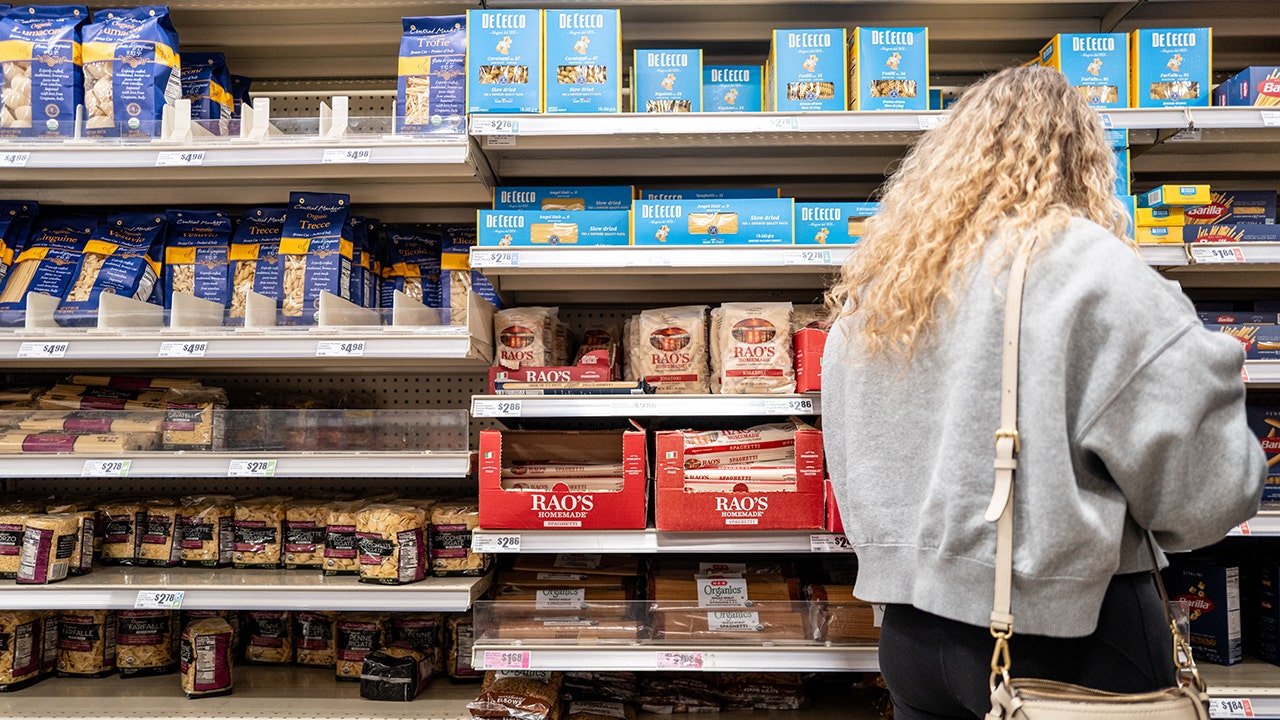
So, who are these contenders? What are their strengths? And what challenges do they face in filling the void left by potentially reduced imports? We’re diving deep into the world of pasta production, exploring the brands that are poised to become household names, and analyzing the factors that will determine their success in this new, tariff-laden environment. Get your forks ready, because things are about to get saucy!
The Rise of American Pasta: A Perfect Storm
The imposition of tariffs on imported goods, particularly pasta, has created a unique opportunity for American pasta brands. While consumers might initially balk at the prospect of higher prices or limited choices (and who wouldn’t?), the long-term benefits could be significant. Think about it: increased investment in domestic production, job creation in local communities, and a renewed focus on quality and innovation. But it’s not just about tariffs. Several other factors are contributing to the potential “takeover” we’re seeing.
Consumer Demand and Shifting Preferences
There’s a growing demand for locally sourced and sustainable food products. Consumers are increasingly interested in knowing where their food comes from, how it’s made, and the environmental impact of its production. American pasta brands that can capitalize on this trend by emphasizing local ingredients, eco-friendly packaging, and transparent production processes will have a distinct advantage. “I’m willing to pay a little more for something that’s made here and supports our farmers,” says Sarah Miller, a shopper at a local farmers market. “Plus, it just feels good to know where my food is coming from.”

Furthermore, there’s a growing interest in healthier pasta options. Think whole wheat, gluten-free, and even pasta made from alternative grains like quinoa and lentils. American pasta brands are already experimenting with these ingredients, creating innovative products that cater to a wider range of dietary needs and preferences.
Technological Advancements in Pasta Production
Gone are the days of solely relying on traditional, labor-intensive methods. Modern pasta production facilities are equipped with advanced technology that allows for greater efficiency, consistency, and quality control. This means American pasta brands can produce large quantities of pasta without sacrificing taste or texture. Automated systems, precision extruders, and sophisticated drying techniques are all contributing to the improved quality and affordability of domestic pasta.
Government Support and Investment
The US government has recognized the importance of supporting domestic industries, including the pasta market. Through grants, subsidies, and other forms of financial assistance, the government is encouraging American pasta brands to invest in new equipment, expand their production capacity, and create jobs. This support is crucial for helping these brands compete with established international players.
Meet the Contenders: Top American Pasta Brands
So, who are the key players in this burgeoning American pasta revolution? Here’s a look at some of the top brands that are poised to capitalize on the changing market dynamics:
* American Beauty Pasta: A classic brand known for its affordability and wide availability. They offer a range of traditional pasta shapes, perfect for everyday meals.
* Ronzoni Pasta: Another established brand with a long history in the US. Ronzoni is known for its quality and consistency, and they offer a variety of pasta options, including gluten-free and whole wheat varieties.
* Hodgson Mill: This brand focuses on natural and organic pasta made with high-quality ingredients. They offer a range of unique pasta shapes and flavors, catering to health-conscious consumers.
* DeLallo Foods: While DeLallo imports many items, they also have a strong American-made pasta line. Their focus is on artisanal quality and authentic Italian flavors.
* Banza: This innovative brand has disrupted the pasta market with its chickpea-based pasta, which is high in protein and fiber. Banza is a popular choice for those looking for a healthy and delicious alternative to traditional pasta.
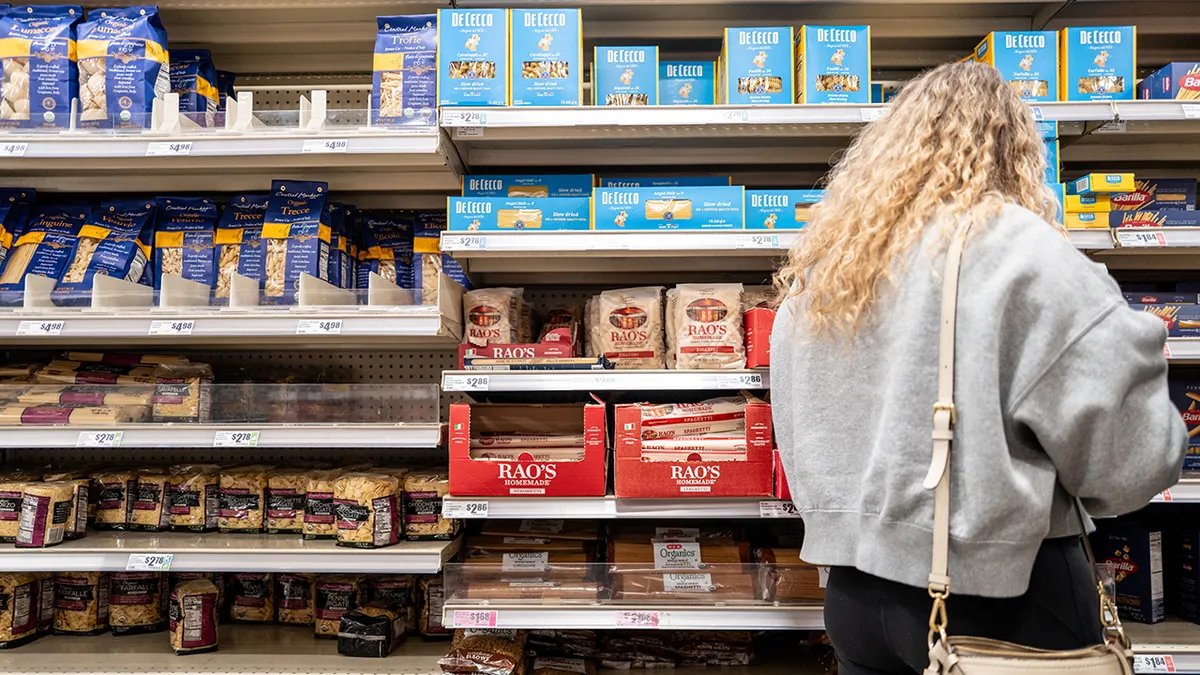
These are just a few examples, and many other American pasta brands are working hard to innovate and expand their market share. The competition is fierce, but that’s good news for consumers, who will ultimately benefit from a wider selection of high-quality, affordable pasta options.
Challenges and Opportunities for American Pasta Brands
While the future looks bright for American pasta brands, they also face several challenges. Overcoming these hurdles will be crucial for their long-term success.
Scaling Up Production
One of the biggest challenges is scaling up production to meet the potential increase in demand. Many American pasta manufacturers are smaller than their international counterparts, and they may need to invest in new equipment and facilities to increase their output. This requires significant capital investment and careful planning.
Maintaining Quality and Consistency
As production scales up, it’s essential to maintain the quality and consistency of the pasta. Consumers expect a certain level of quality, and any drop in standards could damage a brand’s reputation. Implementing rigorous quality control measures is crucial.
Competing on Price
Price is always a major factor in the food industry, and American pasta brands need to be competitive with imported pasta, even after tariffs are applied. This requires efficient production processes, strategic sourcing of ingredients, and effective marketing.
Building Brand Awareness
Many consumers are simply more familiar with imported pasta brands. American pasta brands need to invest in marketing and advertising to build brand awareness and educate consumers about the quality and value of their products.
Despite these challenges, the opportunities for American pasta brands are immense. By focusing on quality, innovation, and customer satisfaction, they can carve out a significant share of the pasta market and contribute to the growth of the US economy.
The Future of Pasta: An American Renaissance?
What does the future hold for the American pasta industry? It’s difficult to say for sure, but several trends suggest that we’re on the cusp of an “American pasta renaissance.”
* Increased Innovation: We can expect to see even more innovation in terms of pasta shapes, flavors, and ingredients. Think pasta made with ancient grains, vegetable-infused pasta, and even 3D-printed pasta.
* Sustainable Practices: Sustainability will become increasingly important. American pasta brands will likely adopt more environmentally friendly production practices, such as using renewable energy and reducing waste.
* Direct-to-Consumer Sales: Online sales and direct-to-consumer models will continue to grow. This allows American pasta brands to reach a wider audience and build closer relationships with their customers.
* Hyper-Local Pasta: Imagine local mills grinding local wheat, then creating pasta just steps away. The hyper-local movement could even extend to individual restaurants making their own pasta daily with regional ingredients.
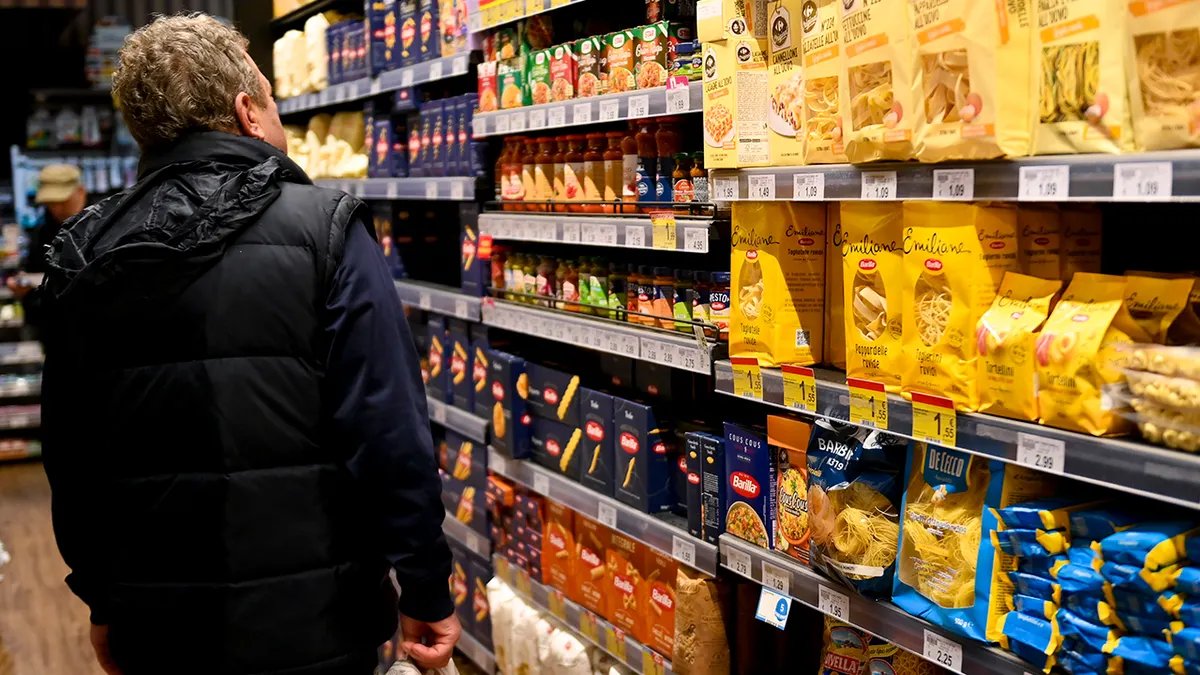
The tariffs on imported pasta may have initially seemed like a setback for consumers, but they could ultimately be a catalyst for positive change. By supporting American pasta brands, we can foster innovation, create jobs, and build a more sustainable food system. So, the next time you’re at the grocery store, take a closer look at the American pasta options. You might be surprised by what you find!
Conclusion
The landscape of the American pasta market is shifting. Tariffs on imported products are creating a vacuum, and domestic brands are eager to fill it. While challenges remain, the opportunities for growth and innovation are undeniable. By embracing new technologies, focusing on sustainability, and catering to evolving consumer preferences, American pasta brands are poised to not only survive but thrive in this new era. So, grab a box of your favorite American-made pasta, whip up a delicious sauce, and savor the taste of a culinary revolution in the making. It’s a pasta-bility we should all be excited about!

Frequently Asked Questions
| How will tariffs impact the price of pasta? | Tariffs on imported pasta are likely to increase the price of those products, making American pasta brands more competitive in terms of cost. However, the overall price impact will depend on the specific tariff rates and the pricing strategies of both domestic and international manufacturers. |
| What are the benefits of buying American-made pasta? | Buying American pasta supports local businesses, creates jobs in the US, and often reduces the environmental impact associated with transportation. Additionally, many American pasta brands focus on using high-quality ingredients and sustainable production practices. |
| How can I identify American-made pasta? | Look for labels that clearly state “Made in USA” or “Product of USA.” You can also check the manufacturer’s website or contact them directly to confirm the origin of their pasta. |
| What are the challenges faced by American pasta manufacturers? | American pasta manufacturers face challenges such as scaling up production to meet increased demand, maintaining quality and consistency, competing on price with established international brands, and building brand awareness. |
| What is the future outlook for the American pasta industry? | The future outlook for the American pasta industry is positive. Increased consumer demand for locally sourced and sustainable products, technological advancements in pasta production, and government support are all contributing to the growth of the industry. We can expect to see more innovation, sustainable practices, and direct-to-consumer sales in the coming years. |
Important Notice
This FAQ section addresses the most common inquiries regarding the topic.