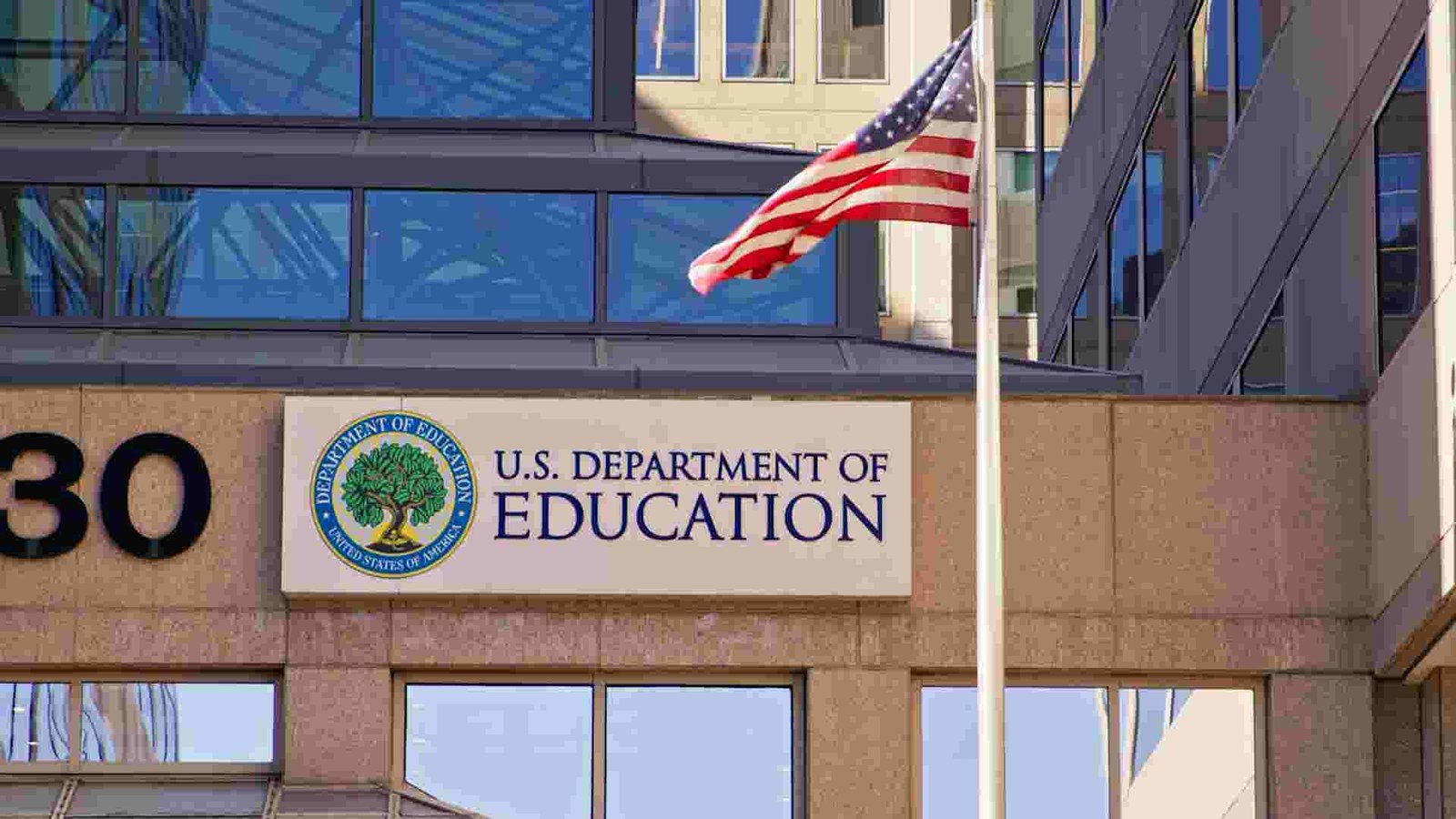
The air in Washington D.C. crackled with a nervous energy. It wasn’t just the usual political tension; something bigger was brewing. Rumors had been swirling for weeks, whispers in the hallways of Congress, hushed conversations in coffee shops. But now, it was official: the Department of Education was facing another significant round of dismantling. (I remember thinking, “Not again! What’s going to happen to our schools?”) This wasn’t just about shuffling desks or minor budget cuts; this was a fundamental shift in the landscape of American education. The news hit like a thunderclap, sending shockwaves through the nation’s schools, universities, and homes. Teachers, parents, and students alike braced themselves, unsure of what the future held. The already fragile education system, strained by years of underfunding and political battles, teetered on the edge.
This latest move, spearheaded by a coalition of conservative lawmakers and fueled by a growing distrust in federal oversight, aims to drastically reduce the department’s power and influence. The argument, proponents say, is to return control to local communities and empower parents to make the best choices for their children. But critics argue that this is a thinly veiled attempt to defund public education and pave the way for privatization. The proposed changes include significant cuts to federal funding for key programs like Title I (which supports low-income students) and special education grants. There’s even talk of eliminating the department altogether, distributing its remaining functions among other agencies. It feels like we’re going back in time, dismantling decades of progress in education equity and access.
The potential consequences are far-reaching, affecting everything from teacher salaries and classroom resources to curriculum standards and college affordability. Many worry that the dismantling of the Department of Education will exacerbate existing inequalities, leaving disadvantaged students even further behind. “This is a disaster,” said Sarah Miller, a high school teacher in rural Iowa. “We already struggle to provide our students with a quality education. Cutting federal funding will only make things worse.” The debate rages on, a battle between those who believe in local control and those who champion federal oversight, with the future of American education hanging in the balance. The sun sets over the Capitol, casting long shadows, a fitting metaphor for the uncertain days ahead.
The Proposed Changes: A Closer Look
The proposed changes to the Department of Education are multifaceted and complex, reaching into nearly every aspect of the American education system. It’s not just about budgets; it’s about philosophy and control. The core tenets of the reform can be summarized as follows:
* Significant Budget Cuts: The most immediate and tangible impact will be felt through drastic reductions in federal funding. Programs that support low-income students, special education, and teacher training are all on the chopping block. Imagine a school library with no new books, a science lab with outdated equipment, or a classroom where teachers are stretched thin, struggling to meet the needs of every student.
* Increased Local Control: The stated goal is to shift power away from the federal government and back to local school districts and individual schools. Proponents argue that this will allow communities to tailor education to their specific needs and values. However, critics fear that it will lead to a patchwork of uneven standards and unequal opportunities.
* Emphasis on School Choice: The reform prioritizes school choice initiatives, such as charter schools and voucher programs. This allows parents to use public funds to send their children to private schools, theoretically fostering competition and improving educational outcomes. But some worry this will drain resources from public schools, leaving them even more underfunded and struggling.
* Relaxed Federal Oversight: The federal government’s role in setting educational standards and holding schools accountable will be significantly reduced. This could lead to greater flexibility and innovation at the local level, but it also raises concerns about a lack of consistency and equity across the country.
The Arguments For and Against Dismantling
The debate surrounding the dismantling of the Department of Education is deeply polarizing, with passionate arguments on both sides. Understanding these arguments is crucial to comprehending the potential consequences of this sweeping reform.
Arguments in Favor:
* Local Control and Responsiveness: Supporters argue that local communities are best equipped to understand and address the unique needs of their students. By shifting power away from the federal government, schools can be more responsive to parental concerns and local values. “We know what’s best for our kids,” said a parent at a recent town hall meeting. “We don’t need the government telling us what to do.”
* Reduced Bureaucracy and Waste: Critics of the Department of Education claim that it is a bloated bureaucracy that wastes taxpayer money on ineffective programs. By streamlining the department or even eliminating it altogether, resources can be redirected to classrooms and students.
* Increased Competition and Innovation: School choice initiatives, such as charter schools and voucher programs, are seen as a way to foster competition and drive innovation in education. Parents are empowered to choose the best school for their children, forcing schools to improve or risk losing students.
* Return to Core Principles: Some believe that the federal government has overstepped its bounds in education, encroaching on the traditional rights and responsibilities of states and local communities. Dismantling the department is seen as a way to restore the balance of power and return to core principles of federalism.
Arguments Against:
* Erosion of Equity and Access: Opponents argue that dismantling the Department of Education will exacerbate existing inequalities in the education system. Federal funding is essential for supporting low-income students, students with disabilities, and other vulnerable populations. Without it, these students will be left behind.
* Lack of Accountability and Oversight: Reducing federal oversight could lead to a decline in educational standards and a lack of accountability for schools that fail to meet the needs of their students. Without federal benchmarks, it will be difficult to ensure that all students, regardless of their background or location, receive a quality education.
* Weakening of National Standards: Federal standards, such as the Common Core, are designed to ensure that students across the country are prepared for college and careers. Dismantling the department could lead to a fragmentation of standards, making it more difficult for students to transfer between schools and compete in the global economy.
* Loss of Expertise and Resources: The Department of Education houses a wealth of expertise and resources that are invaluable to schools and educators. Dismantling the department would eliminate this resource, leaving schools to fend for themselves.

Potential Impacts on Schools and Students
The dismantling of the Department of Education could have a profound impact on schools and students across the country. The effects will likely be felt differently depending on the location, demographics, and resources of each school.
* Increased Funding Disparities: Wealthier school districts, with access to local resources and private funding, will likely be able to weather the storm better than poorer districts that rely heavily on federal aid. This could lead to even wider disparities in educational opportunities, creating a two-tiered system where some students thrive while others struggle.
* Teacher Shortages: Budget cuts could lead to teacher layoffs and reduced salaries, making it more difficult to attract and retain qualified teachers. This would be particularly problematic in already underserved areas, where teacher shortages are already a major issue.
* Reduced Classroom Resources: Schools may be forced to cut back on essential classroom resources, such as textbooks, technology, and extracurricular activities. This could have a negative impact on student learning and engagement.
* Changes to Curriculum Standards: Local school districts may have more flexibility to set their own curriculum standards, but this could lead to a lack of consistency and coherence across the country. Students who move between schools may find themselves behind in some areas and ahead in others.
* Impact on Special Education: Federal funding for special education is essential for supporting students with disabilities. Cuts to this funding could have a devastating impact on these students, making it more difficult for them to access the services and support they need to succeed.
* Increased School Choice Options: The expansion of school choice programs could provide parents with more options, but it could also drain resources from public schools, leaving them even more underfunded and struggling.
Case Study: Impact on a Rural School District
To illustrate the potential impact of these changes, let’s consider a hypothetical case study of a rural school district in Appalachia. This district relies heavily on federal funding to support its schools, which serve a predominantly low-income population.
* Initial Situation: The district is already struggling to provide its students with a quality education. Teacher salaries are low, classroom resources are scarce, and many students come from homes where poverty and unemployment are rampant.
* Impact of Dismantling: The dismantling of the Department of Education leads to significant cuts in federal funding. The district is forced to lay off teachers, cut back on classroom resources, and eliminate extracurricular activities.
* Consequences: Student achievement declines, teacher morale plummets, and the community loses faith in its schools. Many families move away, further eroding the district’s tax base. The cycle of poverty and undereducation continues.
* Quote: “We’re just trying to survive,” said the superintendent of the district. “We can’t afford to lose any more funding. Our kids deserve better than this.”
The Political Landscape and Future Outlook
The future of the Department of Education remains uncertain. The political landscape is deeply divided, and the debate over education reform is likely to continue for years to come.
The success of the dismantling efforts will depend on a number of factors, including:
* Congressional Support: The reform will need to pass both the House and the Senate, which will require a significant degree of bipartisan support.
* Public Opinion: Public opinion on education reform is divided. A strong public outcry could sway lawmakers to reconsider their positions.
* Economic Conditions: Economic downturn could make it more difficult to secure funding for education, increasing the likelihood of budget cuts.
* Presidential Elections: The outcome of future presidential elections could significantly impact the direction of education policy.
It is important to stay informed and engaged in the debate over the future of the Department of Education. Your voice matters, and your actions can make a difference. Contact your elected officials, attend town hall meetings, and share your views with others.

Alternative Approaches to Education Reform
While the dismantling of the Department of Education is one approach to education reform, there are other alternatives that could be considered. These include:
* Increased Investment in Public Education: Instead of cutting funding, the federal government could invest more in public education, providing schools with the resources they need to succeed.
* Targeted Funding Reforms: Rather than broad-based funding cuts, the government could focus on reforming the way federal funds are distributed, ensuring that they are targeted to the schools and students who need them most.
* Teacher Training and Support: Investing in teacher training and support programs could improve the quality of teaching and learning in schools.
* Community-Based Solutions: Empowering local communities to develop and implement their own education solutions could lead to more effective and sustainable outcomes.
* Focus on Early Childhood Education: Investing in early childhood education programs could give children a strong start in life, setting them up for success in school and beyond.
The debate over education reform is complex and multifaceted. There is no one-size-fits-all solution. It is important to consider a variety of approaches and to work together to find solutions that meet the needs of all students.
The sun rises, casting a golden glow on the city. A new day begins, and with it, a renewed opportunity to shape the future of education. What path will we choose?
Ultimately, the dismantling of the Department of Education represents a profound philosophical shift in how we view the role of the federal government in education. Whether this shift will lead to positive or negative outcomes remains to be seen. It will require careful monitoring, thoughtful analysis, and a willingness to adapt as we learn from the consequences of these changes. The future of our children, and indeed, the future of our nation, depends on it.
Frequently Asked Questions
| What does “dismantling the Department of Education” mean? | It refers to a significant reduction in the Department of Education’s power, funding, and oversight responsibilities, potentially leading to its eventual elimination or reorganization. |
| What are the potential benefits of dismantling the Department of Education? | Proponents argue it could lead to increased local control, reduced bureaucracy, greater competition among schools, and a return to core principles of federalism in education. |
| How would increased local control be implemented? | Through reduced federal mandates, transferring decision-making power to local school boards and communities, and allowing them to tailor curricula and policies to their specific needs. |
| What are the potential challenges of dismantling the Department of Education? | Challenges include the erosion of equity and access for disadvantaged students, a lack of accountability and oversight for schools, and the potential for a decline in national educational standards. |
| What is the future outlook for the Department of Education? | The future is uncertain, depending on congressional support, public opinion, economic conditions, and the outcomes of future presidential elections. The debate over its role and structure is likely to continue. |
Important Notice
This FAQ section addresses the most common inquiries regarding the topic.