The air in Charlotte, North Carolina, feels heavier these days, thick with a palpable tension that’s hard to ignore. It’s not just the humid summer heat, but something far more unsettling. A quiet dread has settled over many neighborhoods, particularly those with strong immigrant roots, as news of an intensified immigration crackdown sweeps through the city. You can almost hear the hushed whispers in grocery stores and community centers, the worried phone calls late at night. (It truly feels like a storm brewing, doesn’t it?) This isn’t just a distant policy debate anymore; it’s unfolding right here, hitting our very own CharlotteNews headlines and deeply affecting real people, real families, and the fabric of our community. The sight of unmarked vans, the sudden fear of a knock at the door—these are the new realities for thousands who contribute so much to our city’s vibrant life and economy.
We’re talking about mothers, fathers, essential workers, and small business owners suddenly living under the shadow of deportation. The question on everyone’s mind is, what exactly is happening, and what will become of Mecklenburg County’s immigrant population? The impact is profound, reshaping lives and challenging the very identity of our diverse Queen City. Families who have built lives here for decades, contributing to schools, churches, and local businesses, now find themselves navigating a treacherous landscape of legal uncertainty and constant fear. It’s a situation that pulls at your heartstrings, making you wonder about the ripple effects across Charlotte.
This isn’t an abstract policy; it’s a deeply personal crisis unfolding on our doorsteps, changing the dynamic of community life. Everyone, from local government officials to everyday citizens, seems to be grappling with how to respond to this challenging shift. The crackdown’s reach is extensive, touching everything from construction sites to restaurant kitchens, and it leaves a profound mark on the collective consciousness of a city striving for progress and inclusivity.
The Shifting Sands of Enforcement: What’s Changed?
So, what exactly triggered this heightened state of anxiety? For many in Charlotte, the recent surge in U.S. Immigration and Customs Enforcement (ICE) activity feels like a dramatic escalation. We’ve seen a shift, a more aggressive posture that targets not just individuals with serious criminal backgrounds, but also those with minor infractions or even purely administrative violations. This broadens the net considerably. The renewed focus often stems from cooperation agreements between federal immigration authorities and local law enforcement, such as 287(g) programs, which essentially deputize local officers to act as immigration agents.
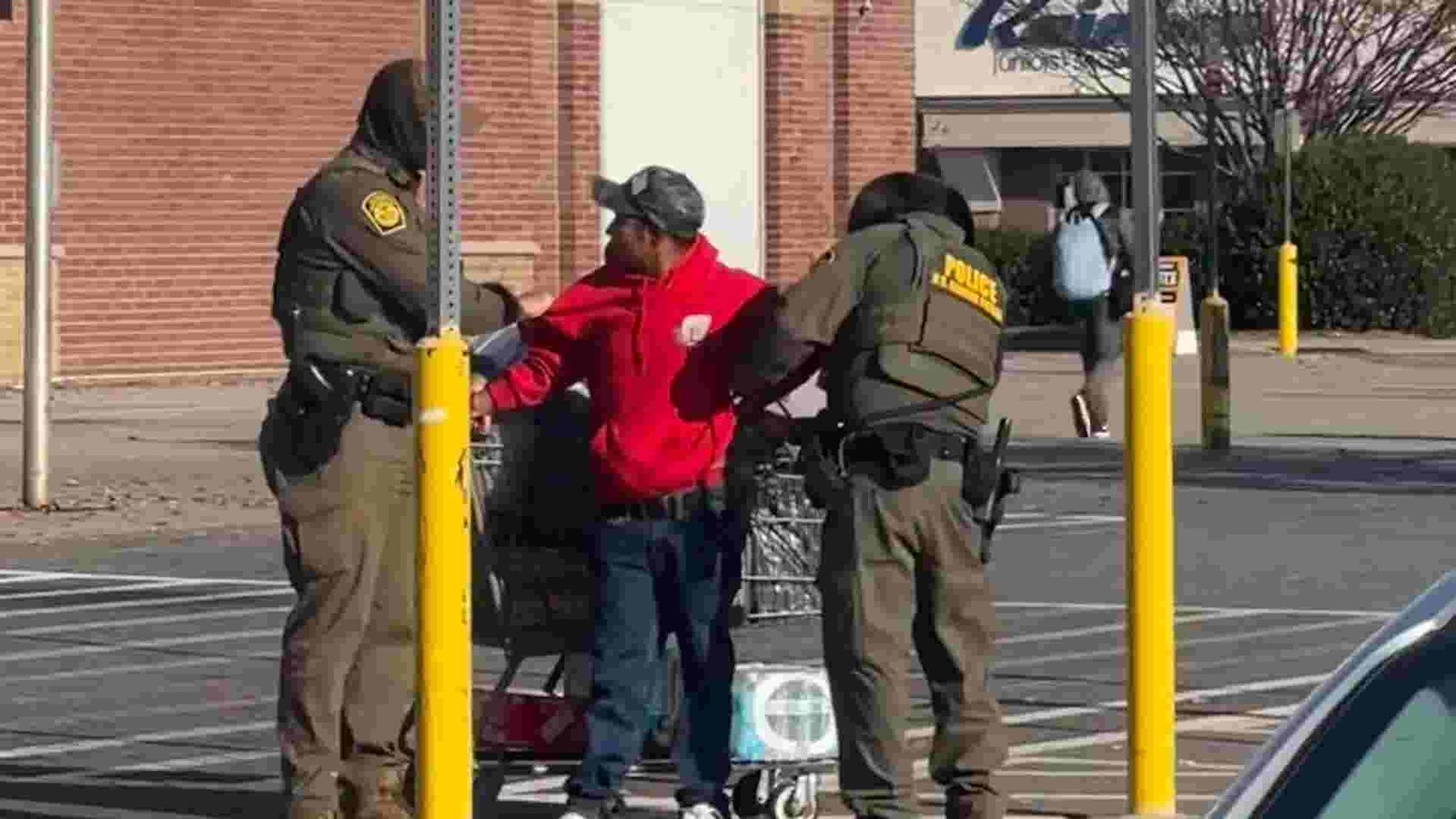
Charlotte, much like other diverse cities, has long been a home for people from all walks of life, including a significant immigrant population that contributes immensely to our economy and culture. But the recent intensification of the immigration crackdown has introduced a new level of apprehension. “It’s like walking on eggshells,” shared Maria Rodriguez, a mother of three who has lived in Charlotte for nearly two decades. “Every siren, every knock, makes your heart jump. My children are American citizens, but I worry about what happens if I’m not there to pick them up from school.” Her voice, filled with a raw, honest fear, perfectly encapsulates the mood across many households. This isn’t just about legal statuses; it’s about the deep-seated fear of family separation.
Impact on Families: A Deeply Personal Crisis
The personal toll of these enforcement actions cannot be overstated. Imagine waking up every day with the possibility that your family could be torn apart. Children, many of whom are U.S. citizens, are suddenly facing the prospect of losing a parent, or even being uprooted from the only home they’ve ever known. Schools report increased truancy and anxiety among students in immigrant-heavy areas. Counselors are scrambling to provide support, but how do you counsel a child through the fear that their mom or dad might just disappear?
“We’ve seen a dramatic increase in calls to our legal aid hotlines,” stated Attorney David Chen, who works with immigrant families in Mecklenburg County. “People are desperate for information, for help, for any hope. Many have lived here for years, paid taxes, built businesses, and suddenly they are considered a priority for deportation.” He gestured, exasperated. “It’s chaotic. The fear is palpable, and it’s making people incredibly vulnerable to scams and misinformation.” This environment of fear also means people are less likely to report crimes, seek medical attention, or even participate in community events, which ultimately makes Charlotte a less safe and less connected place for everyone.
Economic Ripple Effects: More Than Just People
Beyond the human element, the immigration crackdown is having a noticeable chilling effect on Charlotte’s economy. Immigrants are integral to various sectors, from construction and hospitality to agriculture and small business ownership. When these communities are targeted, the economic machinery begins to sputter. We’re talking about a potential labor shortage in industries that rely heavily on immigrant workers, leading to higher costs, slower growth, and even business closures.
Consider the restaurant industry, a vibrant part of Charlotte’s culture. Many kitchens and service staffs are powered by immigrant labor. If workers fear leaving their homes, or if they are detained, who fills those roles? Similarly, the construction boom that has defined Charlotte in recent years could face significant challenges if the workforce shrinks.
Local Businesses Feeling the Pinch
Small businesses, often owned and operated by immigrants themselves, are also taking a massive hit. “My sales are down,” lamented Carlos Sanchez, owner of a small Hispanic grocery store in West Charlotte. “People are afraid to come out. They’re afraid to spend money because they might need it for legal fees, or to send to family if someone gets deported.” His eyes, usually bright, were clouded with worry. “We’ve been here for fifteen years, built this business from nothing, and now it feels like everything is at risk.” This reduction in consumer spending, coupled with potential labor issues, paints a grim picture for the local economic landscape. It’s not just about lost wages; it’s about lost purchasing power that circulates through our city.
A recent report by a local advocacy group estimated that Mecklenburg County could lose millions in economic activity if the current rate of enforcement continues unabated. That’s a significant blow to a city that prides itself on its economic vitality. It’s a stark reminder that immigration isn’t just a social issue; it’s an economic one with tangible impacts on our daily lives.
Charlotte’s Response: A City Divided, A Community United
In the face of these challenges, Charlotte is responding in complex and varied ways. While federal agencies intensify their efforts, many local organizations, faith groups, and even city leaders are stepping up to offer support and voice their concerns. The debate over whether Charlotte should officially become a “Sanctuary City” has been reignited, sparking passionate discussions across the community.
On one side, proponents argue that such a designation would protect vulnerable populations, foster trust between immigrants and local authorities, and ensure that Charlotte remains a welcoming city. They believe that local resources should not be diverted to enforce federal immigration laws. “Our police should be focused on keeping our neighborhoods safe for everyone, not acting as an extension of ICE,” argued Sarah Jenkins, a community organizer. “When immigrants are afraid to talk to the police, it makes us all less secure.”
Conversely, opponents raise concerns about federal funding cuts, potential legal repercussions, and the principle of upholding federal law. They suggest that a sanctuary designation could incentivize further undocumented immigration, placing additional strain on local resources. It’s a thorny issue with no easy answers, reflecting the broader national conversation on immigration policy.
The Role of Advocacy and Legal Aid
Despite the political gridlock, various groups are working tirelessly on the ground. Legal aid organizations, often stretched thin, are offering pro-bono services, “Know Your Rights” workshops, and emergency hotlines. Community centers are acting as safe spaces, providing resources and emotional support. These efforts are crucial, offering a lifeline to those caught in the crosshairs of the crackdown. It’s incredible to see how quickly people mobilize when their neighbors are in distress.
We’ve seen vigils held outside detention centers, protests marching through Uptown, and countless conversations happening in living rooms and coffee shops. This isn’t just about immigrants; it’s about Charlotte defining who we are as a city. Are we a place that stands by its diverse communities, or one that allows fear to dictate policy? The collective spirit to protect and advocate is strong, but the resources are finite, and the challenges are immense.
Navigating the Legal Landscape: 287(g) and Beyond
At the heart of much of the local enforcement debate lies the 287(g) program. This is a voluntary agreement between ICE and local law enforcement agencies, allowing deputized local officers to perform certain immigration enforcement functions. In Mecklenburg County, this program has been a point of contention for years. Critics argue that it erodes trust between immigrant communities and local police, making residents less likely to report crimes for fear of deportation. Proponents maintain it’s a vital tool for public safety and for upholding federal law.
The nuances of these agreements are often lost in the broader discussion, but they are critical to understanding why some areas experience more intense enforcement than others. The decision to participate in or withdraw from such agreements often falls to local sheriffs and county commissioners, placing immense pressure on these elected officials. It’s a localized manifestation of a national debate, playing out with real human consequences in our own backyard.
Local jurisdictions are often caught between federal mandates and the needs of their diverse populations. It’s a tightrope walk, and the political winds can shift quickly, leaving communities scrambling to adapt. The tension highlights the complex relationship between various levels of government when it comes to immigration policy.
The Road Ahead: Uncertainty and Resilience
Looking ahead, the future for Charlotte’s immigrant communities remains uncertain. The federal stance on immigration enforcement could change with new administrations or shifts in policy, but for now, the intensity remains high. This ongoing immigration crackdown will continue to shape public discourse, influence local elections, and, most importantly, impact the lives of countless individuals.
What’s clear is that the resilience of Charlotte’s immigrant communities is unwavering. Despite the fear and uncertainty, people continue to show up, to work, to raise their families, and to contribute to the city they call home. Advocacy efforts will persist, legal battles will continue, and the debate over what kind of city Charlotte wants to be will undoubtedly evolve. It’s a challenging chapter for our Queen City, but one that also showcases the strength of its people and the enduring spirit of community. We can only hope that compassion and sensible policy will eventually prevail, allowing all residents to live without constant fear. It’s a future we all, surely, wish to see.
Frequently Asked Questions
| What is the core issue behind the “Immigration crackdown hits CharlotteNews”? | The core issue is the intensified enforcement of federal immigration laws by ICE in Charlotte and Mecklenburg County, leading to increased detentions and deportations. This has created significant fear and uncertainty within immigrant communities, impacting families, the local economy, and social services. |
| What are the main impacts of this crackdown on Charlotte’s community? | The crackdown has profound impacts, including family separations, increased anxiety among children, labor shortages in key industries like construction and hospitality, decreased consumer spending, and a general chilling effect on community participation and trust in local authorities. |
| How does the 287(g) program relate to the crackdown in Mecklenburg County? | The 287(g) program is a voluntary agreement that deputizes local law enforcement officers to perform certain federal immigration enforcement functions. In Mecklenburg County, its presence means local police can cooperate with ICE, leading to more arrests and detentions of individuals suspected of immigration violations, thus intensifying the crackdown. |
| What challenges do immigrant families face due to the intensified enforcement? | Immigrant families face numerous challenges, including the constant fear of deportation and family separation, difficulty accessing legal representation, increased psychological stress, reduced access to essential services due to fear, and economic instability if a primary earner is detained or deported. |
| What is Charlotte’s local government and community doing in response? | Charlotte’s community and local government response is multifaceted. Advocacy groups and legal aid organizations provide support, legal services, and “Know Your Rights” workshops. There’s an ongoing public debate about Charlotte potentially becoming a “Sanctuary City.” Local leaders are navigating federal pressures while aiming to protect vulnerable populations and maintain community trust. |
Important Notice
This FAQ section addresses the most common inquiries regarding the topic.