The news hit us like a punch to the gut, didn’t it? When Chevrolet announced the discontinuation of the road-going Camaro ZL1, a collective gasp went through the automotive world. It felt like a beloved chapter was closing, a roaring V8 engine silenced, a legend fading into history. Many of us, myself included, pictured those sleek lines and aggressive stance disappearing entirely, relegated to car show memories and dusty garages. But hold on a minute; just when you thought it was over, Chevrolet, with a sly grin, pulled a fast one on everyone. They decided the Camaro ZL1 wasn’t quite ready to hang up its racing helmet, ensuring its incredible legacy would continue where it truly belongs: on the high-speed, heart-pounding tracks of NASCAR. This wasn’t just a reprieve; it was a statement. A declaration that some legends are too powerful, too iconic, to simply disappear. For fans of American muscle and thrilling motorsports, the roar of the Camaro ZL1 NASCAR machine isn’t going anywhere, and honestly, that’s a huge relief and a cause for celebration. It’s a testament to the car’s enduring spirit and Chevrolet’s commitment to racing.
It feels like just yesterday we were all lamenting the approaching end of the sixth-generation production model, knowing that by 2024, the final street-legal Camaro would roll off the assembly line. The sadness was palpable among enthusiasts. “What will we do without it?” people wondered aloud at car meets, their voices thick with nostalgia. “It’s the end of an era for affordable performance cars!” And they weren’t wrong. The street version, especially the ZL1, offered an incredible blend of raw power, precise handling, and undeniable style that few could match. But then, a glimmer of hope, a beacon on the horizon for those who love the sight and sound of a Camaro at full throttle: NASCAR. Chevrolet confirmed that their beast of the track, the Camaro ZL1, would absolutely remain the brand’s representative in the Cup Series. Talk about a plot twist! It was like finding out your favorite superhero wasn’t retiring after all, but simply changing their focus to a more critical mission.
This decision wasn’t just a sentimental nod; it was a strategic move, showcasing Chevrolet’s unwavering dedication to motorsports. You see, NASCAR isn’t just about selling cars; it’s about proving engineering prowess, building brand loyalty, and keeping that competitive fire burning bright. The Camaro ZL1 has become synonymous with Chevrolet’s racing identity in the Cup Series, clinching victories, dominating races, and becoming a fan favorite. To pull it from the track just because its road-going counterpart ceased production would have been a disservice to its racing heritage and the countless fans who cheer it on every Sunday. It’s a powerful symbol, a moving billboard of performance and grit, tearing around the oval at over 200 miles per hour. That’s an image that sticks, an emotional connection that transcends a dealership visit.
The Legacy Lives On: Why NASCAR Needs the Camaro ZL1
The decision to keep the Camaro ZL1 in NASCAR’s Cup Series, even after its road car bows out, wasn’t just a whim. It’s a deep-seated commitment rooted in brand identity, performance validation, and, crucially, fan engagement. For Chevrolet, motorsports isn’t a side hobby; it’s a core part of their DNA, stretching back decades. The Camaro ZL1, with its aggressive styling and powerful presence, perfectly embodies the spirit of American performance on the track. “We know the road car is leaving, and that’s bittersweet,” admitted Jim Campbell, GM U.S. Vice President of Performance and Motorsports, in a recent interview. “But the Camaro ZL1 has earned its place in NASCAR. It represents everything we want our brand to be on the track: competitive, innovative, and victorious. It’s too important to our racing program to let go.”
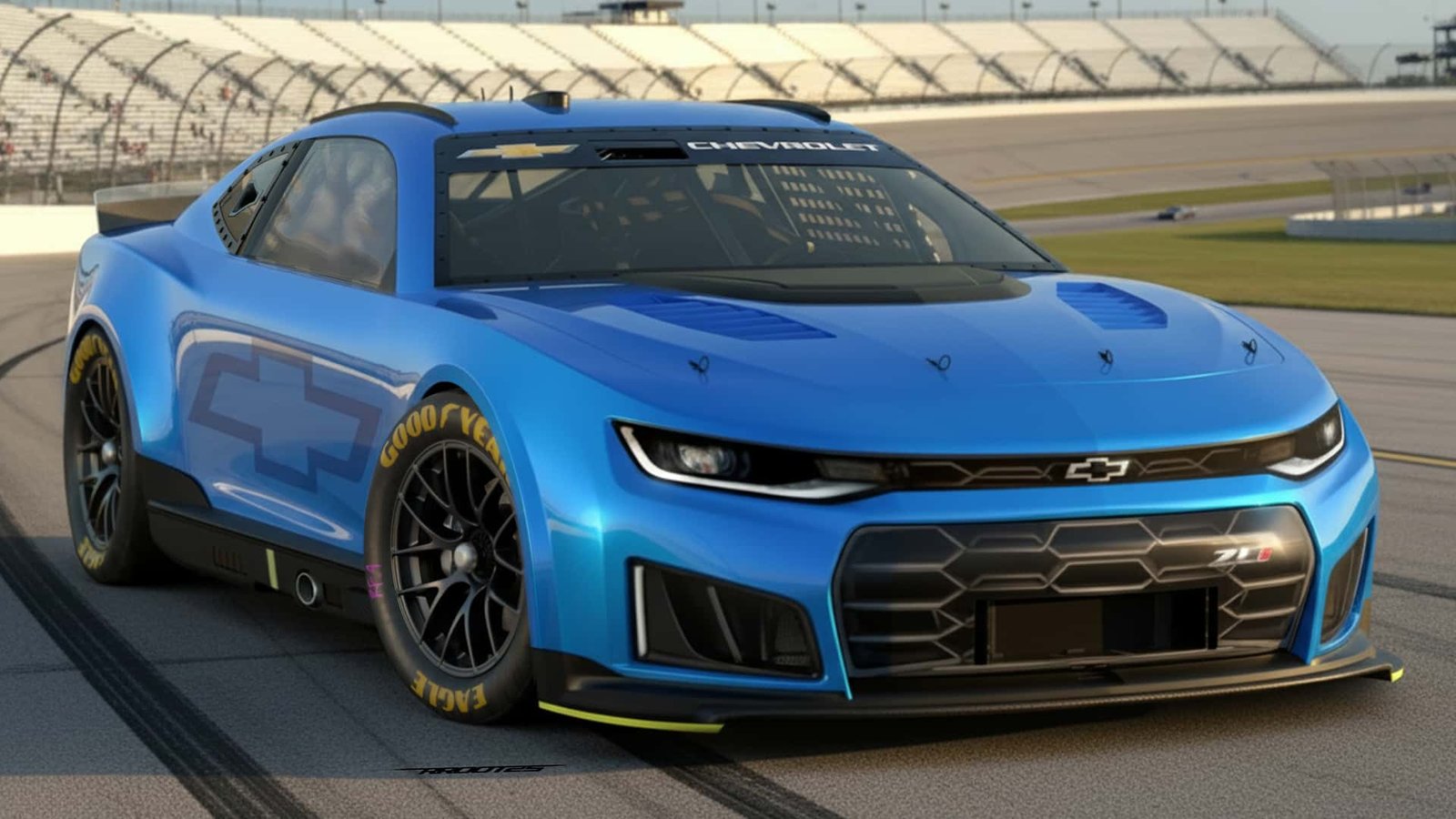
Think about it: when you see a Camaro ZL1 screaming down the straightaway at Daytona or Martinsville, you’re not just seeing a race car. You’re seeing a symbol of Chevrolet’s engineering prowess, a testament to what their brand stands for. It’s a direct link to the passion and performance that fans associate with the bowtie badge. To remove it would create a void, not just in the lineup, but in the hearts of those who bleed blue for Chevy. “It’s more than just a car; it’s our identity on Sundays,” explained one anonymous engineer working within the Chevrolet racing division, wiping grease from his hands. “It’s the car that Chase Elliott drives, that Kyle Larson conquers with. That means something.” The Next Gen car, introduced in 2022, was designed with a generic chassis but allowed manufacturers to graft their body styles onto it, maintaining brand recognition. This flexibility is precisely what allows the Camaro ZL1 to continue its track life, even as its street sibling goes into retirement.
Engineering the Track Beast: What Makes the ZL1 a NASCAR Contender
Now, let’s be real. The Camaro ZL1 tearing up the track isn’t exactly the same car you could buy from a dealership, even when it was available. While it shares some visual cues and, crucially, the spirit of its street-legal cousin, the NASCAR version is a highly specialized racing machine. Underneath that familiar shell, it’s a completely different animal, built from the ground up to withstand the brutal demands of stock car racing. “People sometimes forget how specialized these machines are,” commented a seasoned NASCAR crew chief, peering over his sunglasses from pit road. “The body panels might look like a Camaro, but everything underneath, from the tubular chassis to the suspension, is pure race-bred technology, meticulously crafted for speed and endurance.”
From Showroom to Speedway: Key Differences
The differences are vast, and they’re what make the continued presence of the Camaro ZL1 in NASCAR so fascinating.
- Chassis: The road car has a unibody construction; the NASCAR ZL1 uses a robust, modular steel tube chassis, designed for safety and repairability.
- Engine: While both are V8s, the street ZL1 uses a supercharged LT4 engine. The NASCAR ZL1 runs a 5.86-liter naturally aspirated V8, producing around 670 horsepower, built to strict NASCAR specifications and supplied by manufacturers like Hendrick Motorsports. It’s about reliability and regulated performance, not necessarily peak street-legal output.
- Aerodynamics: The NASCAR ZL1’s body is carefully sculpted within Cup Series rules for optimal downforce and minimal drag, with subtle modifications from the street version to meet performance parity standards with Ford and Toyota.
- Suspension and Tires: Gone are the independent rear suspensions and road tires. The NASCAR ZL1 features a solid rear axle, specialized racing suspension components, and massive Goodyear racing slicks designed for extreme grip and heat.
- Interior: No leather seats or infotainment here! Just a single racing seat, a roll cage, and instrumentation focused purely on performance and safety.

The fact that Chevrolet can continue to use the Camaro ZL1‘s body style is a testament to the foresight of NASCAR’s Next Gen car rules. It allows manufacturers to maintain their brand identity and appeal to their fanbase, even if the underlying components are highly standardized. This synergy ensures that fans can still cheer for a familiar face on the track, connecting the excitement of the race with the passion for their favorite car brand. It’s a clever way to bridge the gap between production realities and the enduring power of racing iconography. The roar of that V8, while a unique racing engine, still carries the spirit of the ZL1’s heritage.
The Driver’s Perspective: Pushing the ZL1 to its Limits
What does it feel like to be behind the wheel of a Camaro ZL1 NASCAR? I can only imagine the G-forces, the noise, the intense focus. But for the elite drivers who pilot these machines, it’s a symphony of power, precision, and pure adrenaline. “Driving the Camaro ZL1 is an experience like no other,” confessed a top-tier Chevrolet driver, taking a swig of water after a grueling practice session. “It’s a beast, no doubt, but it’s a predictable beast. You know what it can do, and you trust it to stick when you push it to the edge. The aero package, the way the power comes on—it’s just phenomenal.” He paused, looking out at the track. “Every win, every close call, it’s a testament to the engineering and the team behind this car.”
This sentiment is echoed throughout the garage. Drivers appreciate the consistent performance and robust construction of the Next Gen Camaro ZL1. They talk about its stability at speed, its handling through the corners, and the sheer grunt of that naturally aspirated engine as it slingshots them out of a turn. You hear stories about how the car reacts differently in various conditions—how it feels on a hot, slick track versus a cool, grippy one. “I remember a race at Talladega, drafting nose-to-tail,” recounted another driver with a grin. “The car was just rock solid, even with all that chaos around us. You have to have that confidence in your machine, and the Camaro ZL1 delivers.” It’s not just about raw speed; it’s about the entire package working together, giving the driver the feedback and control they need to compete at the highest level. The fact that it still carries the ZL1 badge gives them an extra sense of pride, a connection to a performance legend.
Fan Reactions and the Future: A Roaring Success Story
The announcement that the Camaro ZL1 would remain in NASCAR was met with an outpouring of enthusiasm from fans, a collective sigh of relief mixed with cheers. “When they said the road car was done, my heart sank,” admitted Sarah Jenkins, a lifelong Chevy fan who proudly wears a vintage Dale Earnhardt Sr. shirt to every race. “But then to hear it would still be racing? Oh, that was huge! It means we still get to see our car out there, fighting for wins. It’s like a part of the family isn’t really leaving.” This emotional connection is vital. NASCAR thrives on loyalty and tradition, and the Camaro nameplate carries immense weight in that regard.
This continuation also sparks curiosity about Chevrolet’s broader future in motorsports. While the Camaro ZL1 holds the fort in NASCAR, it begs the question: what comes next for Chevrolet’s road-going performance cars, and how will that influence their racing programs? Will we see an electric performance future translate to the track? For now, the focus is squarely on the Camaro ZL1’s continued success. Its prolonged presence isn’t just about winning races; it’s about maintaining a powerful narrative, a story of resilience and unwavering competitive spirit. It assures fans that even as the automotive landscape shifts, Chevrolet’s commitment to high-performance racing remains as strong as ever. The sight of that iconic car, roaring around the track, serves as a powerful reminder of automotive heritage and the thrill of competition.
What’s Next for Chevrolet’s Racing Heritage?
While the Camaro ZL1‘s extended stay in NASCAR is fantastic news for fans and the brand alike, it does prompt a look ahead. What does this mean for Chevrolet’s long-term strategy in racing, especially as the automotive industry leans heavily into electric vehicles and different forms of propulsion? The current Next Gen platform is designed to be adaptable, theoretically allowing for various powertrains in the future, if NASCAR chooses to go that route. Could we one day see a silent, electric-powered “Camaro” on the track? It’s a thought that excites some and unnerves others, but for now, the thunder of the V8 reigns supreme.
Chevrolet is actively involved in other racing series with different platforms, like the Corvette in IMSA and WEC, showcasing their diverse engineering capabilities. The decision to keep the Camaro ZL1 in NASCAR buys them time, allowing them to carefully plan their next move for their flagship stock car entry. It allows them to assess market trends, technological advancements, and fan sentiment without rushing to replace a proven winner. “This isn’t just kicking the can down the road,” explained a motorsports analyst I spoke with recently, tapping his pen on a notepad. “This is a strategic pause. It ensures stability for their racing teams and gives Chevy ample runway to develop what comes next, without disrupting a winning formula.” So, while the street Camaro may be gone, its spirit and nameplate will continue to thrill us on the track for the foreseeable future. It’s a brilliant move, really, keeping the legend alive where it truly matters to so many.
The roar of the crowd, the smell of burnt rubber, the flash of a familiar silhouette crossing the finish line first – these are the moments that define NASCAR. And thanks to Chevrolet’s unwavering commitment, the Camaro ZL1 will continue to deliver those moments, etching new chapters into its already storied racing history. It’s a testament to the enduring power of a legend, a reminder that some machines are simply too important, too iconic, to fade away entirely. So, the next time you’re watching a Cup Series race and you see that unmistakable Camaro ZL1 charging hard, take a moment to appreciate it. It’s more than just a race car; it’s a symbol of passion, perseverance, and a legacy that refuses to be silenced. And for that, every racing fan, every Chevy loyalist, should feel a thrill of excitement. The legend lives on, and the track is its stage.
Frequently Asked Questions
| Why is Chevrolet keeping the Camaro ZL1 in NASCAR despite discontinuing the road car? | Chevrolet is keeping the Camaro ZL1 in NASCAR to maintain its strong brand identity in motorsports, leverage its established racing legacy, and continue engaging its dedicated fanbase. The NASCAR version is a highly specialized race car, and its continued presence allows Chevrolet to showcase engineering prowess and competitive spirit on the track, separate from road car production. |
| What are the main differences between the road-going Camaro ZL1 and the NASCAR version? | While sharing visual cues, the NASCAR Camaro ZL1 is fundamentally different. It features a modular steel tube chassis (vs. unibody), a naturally aspirated 5.86-liter V8 race engine (vs. supercharged LT4), specialized racing suspension and tires, and a stripped-down, safety-focused interior. The body is an aerodynamic shell designed within NASCAR’s Next Gen car rules, making it a purebred racing machine. |
| How does the NASCAR Next Gen car platform allow the Camaro ZL1 to continue racing? | The NASCAR Next Gen car, introduced in 2022, utilizes a standardized chassis and components across all manufacturers. This design allows brands like Chevrolet to fit their distinctive body styles (like the Camaro ZL1) onto the common platform, maintaining brand recognition and connection with fans, even if the underlying production car is no longer available. |
| What is the impact of this decision on Chevrolet’s racing teams and fans? | For racing teams, it provides stability, allowing them to continue developing a known, competitive platform without immediate disruption. For fans, it’s a huge emotional boost, ensuring their favorite brand’s iconic muscle car remains a formidable presence on the track, preserving a vital part of NASCAR’s excitement and heritage. |
| What does the continuation of the Camaro ZL1 mean for Chevrolet’s future in motorsports? | It signifies Chevrolet’s enduring commitment to high-performance racing and buys them time to strategically plan their next steps in motorsports, especially as the automotive industry evolves with new technologies like electric vehicles. It allows them to maintain a strong presence while assessing future market trends and potential racing platforms beyond the current Camaro ZL1. |
Important Notice
This FAQ section addresses the most common inquiries regarding the topic.