Imagine walking into your favorite natural foods store, the scent of essential oils mingling with freshly baked bread, and heading straight for the wellness aisle. You’re looking for that familiar bottle of CBD oil, perhaps some gummies to help unwind after a long day, or a soothing topical balm. For years, these products have been a staple for many seeking natural alternatives, a testament to the promise of the 2018 Farm Bill that legalized hemp and its non-intoxicating derivatives. But what if those shelves suddenly looked… empty? Or filled with products you didn’t recognize, at prices you couldn’t quite justify? That unsettling scenario is precisely the concern rippling through the entire hemp industry right now, a palpable anxiety you can almost taste in the air, thick with uncertainty. (It’s enough to make you pause, isn’t it?) A bombshell new hemp rule targeting THC is on the horizon, threatening to redefine what counts as legal hemp and, in doing so, pushing countless mainstream CBD products into a precarious legal limbo. This isn’t just a minor bureaucratic tweak; it’s a potential seismic shift that could upend businesses, disappoint consumers, and radically reshape the landscape of natural wellness in America. The stakes are incredibly high, and everyone, from the smallest farmer to the largest retailer, is holding their breath, wondering what the future holds for this booming, yet fragile, market.
The original intent of the 2018 Farm Bill was clear: distinguish between psychoactive cannabis (marijuana) and non-psychoactive hemp by setting a threshold of 0.3% delta-9 THC by dry weight. This simple, seemingly straightforward distinction unlocked a multi-billion-dollar industry, allowing farmers to cultivate hemp and companies to innovate with CBD products, oils, tinctures, and edibles without the federal stigma of cannabis. For years, this standard has been the bedrock, fostering an environment where entrepreneurs thrived and consumers found relief. Now, however, regulatory bodies are eyeing a shift from merely measuring delta-9 THC to calculating “total THC,” which includes tetrahydrocannabinolic acid (THCA), a non-intoxicating precursor that converts to delta-9 THC when heated or processed. This seemingly subtle change has profound implications, creating a deep sense of concern among those who’ve built their livelihoods around the existing framework. It’s like moving the goalposts mid-game, and nobody is quite sure how to adapt. The buzzing optimism that once characterized the nascent hemp market is slowly giving way to a collective sigh of apprehension.
Just last week, while I was visiting a small organic farm in rural Oregon, the air was thick with more than just the scent of rich soil after a morning rain. There was a palpable tension, a quiet hum of worry among the farmers tending their rows of lush green plants. “We’ve invested everything into this,” one farmer, Sarah, told me, her voice tinged with frustration as she gestured across her fields, “building a business on the promise of clear regulations. Now, it feels like the rug is about to be pulled out from under us.” She wasn’t alone in her sentiment; nearly every conversation revolved around the impending new hemp rule and its potential fallout. It’s not just about compliance; it’s about survival for countless small businesses and the accessibility of beneficial products for millions. The uncertainty is a heavy cloud, casting a long shadow over an industry that has worked tirelessly to legitimize itself.
The Regulatory Quagmire: Understanding the New Hemp Rule
Let’s dive into the nitty-gritty of what’s happening. For years, the federal benchmark for legal hemp has been a delta-9 THC concentration of no more than 0.3% on a dry weight basis. This figure, enshrined in the 2018 Farm Bill, was supposed to be the line in the sand, distinguishing industrial hemp from its psychoactive cousin, marijuana. It allowed for the cultivation and sale of a vast array of mainstream CBD products, from lotions to tinctures, all designed to offer wellness benefits without any intoxicating effects. If you’ve ever enjoyed a full-spectrum CBD oil, you’ve likely consumed trace amounts of delta-9 THC, always well within that legal limit.
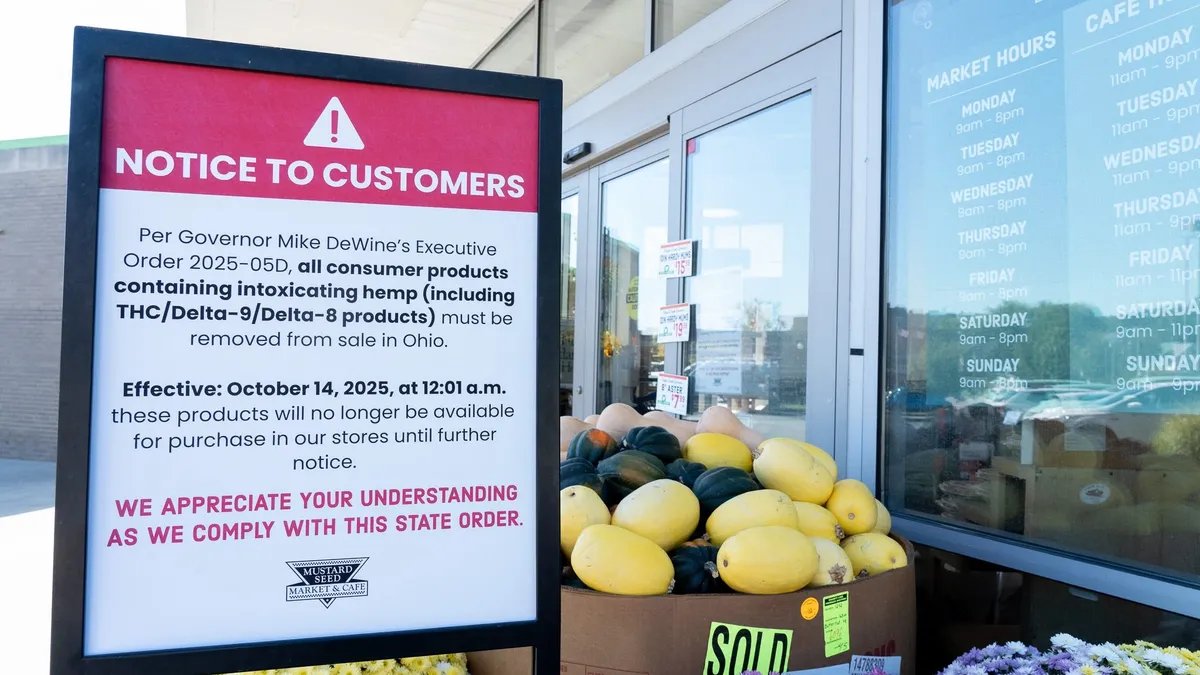
The proposed change, however, is a game-changer. Regulatory bodies are now suggesting that the 0.3% limit should apply to “total THC,” which means factoring in THCA (tetrahydrocannabinolic acid) alongside delta-9 THC. Why is this such a big deal, you ask? Well, THCA is the acidic precursor to delta-9 THC. It’s non-intoxicating in its raw form. But here’s the kicker: when THCA is heated, dried, or processed—a process known as decarboxylation—it converts directly into delta-9 THC. This chemical transformation is precisely why cannabis is often heated before consumption to achieve its psychoactive effects. For hemp industry professionals, this proposed shift is nothing short of a crisis. Many hemp varieties, especially those bred for higher CBD content, naturally contain significant levels of THCA. Under the current delta-9 standard, these plants are perfectly legal. Under a total THC standard, they would instantly become “hot” – exceeding the 0.3% limit – even if the raw plant wouldn’t get anyone high.
“It’s a complete misunderstanding of the plant’s chemistry,” argued Dr. Elena Petrova, a cannabis biochemist I spoke with over a video call, her voice echoing with exasperation. “Most CBD products on the market are derived from plants that would fall out of compliance if THCA is included in the calculations. It’s like penalizing a baker for having flour in their kitchen when you’re only concerned about baked bread.” Her analogy really stuck with me. The nuance between a precursor and the final intoxicating compound is crucial, and this rule change seems to disregard it entirely. This is why you see such widespread concern about the future of mainstream CBD products in limbo. It’s not just about slightly adjusting a formula; it’s about fundamentally changing the definition of what constitutes legal hemp.
A Tidal Wave of Uncertainty for Mainstream CBD
Think about your favorite CBD products. Chances are, they are “full-spectrum.” This means they contain not just CBD but a wide array of other cannabinoids, terpenes, and compounds naturally found in the hemp plant, including trace amounts of delta-9 THC and its precursor, THCA. This synergistic blend, often referred to as the “entourage effect,” is believed by many to offer enhanced therapeutic benefits compared to isolated CBD. Brands proudly market their full-spectrum offerings, and consumers seek them out precisely for this reason. But if the new THC rule comes into effect, many of these beloved products will simply vanish from shelves.
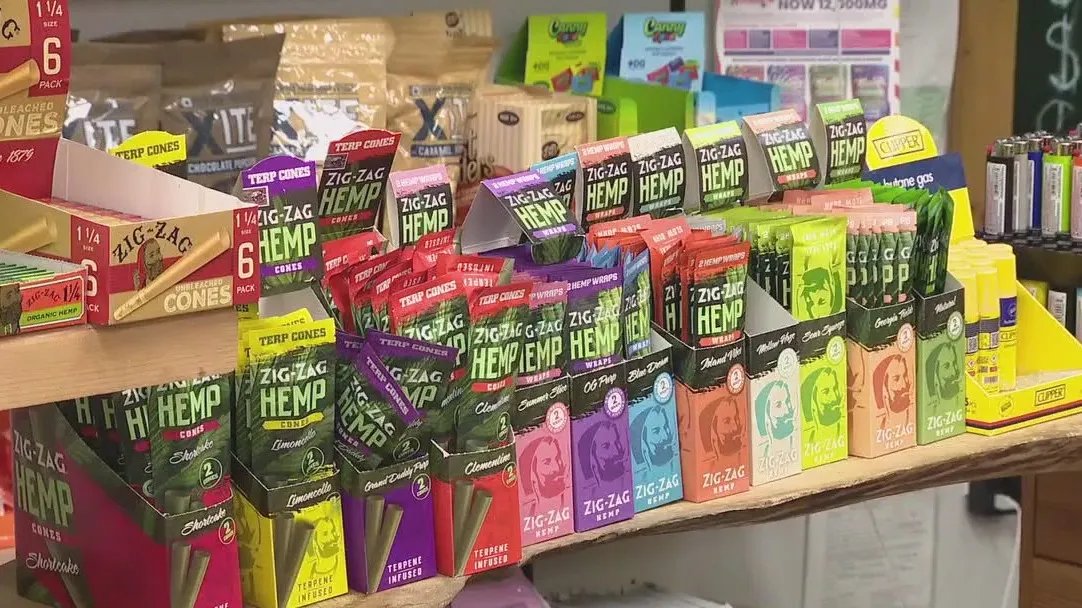
Consider the small business owner, like Maria Rodriguez, who runs a popular online store specializing in artisan CBD tinctures and lotions. “We’ve spent five years building trust with our customers, ensuring every product is third-party tested and fully compliant,” Maria shared with me, her voice cracking slightly during our phone call. “We use a beautiful full-spectrum extract. If this ‘total THC’ rule goes through, 90% of our inventory will be illegal overnight. What do I tell my customers? What do I tell my employees?” Her desperation was palpable. The impact isn’t just on her business, but on her customers who rely on her carefully curated selection. Many consumers, myself included, have grown accustomed to the efficacy of full-spectrum options. The idea that these could become unavailable or significantly more expensive is genuinely disheartening. It feels like a step backward for wellness accessibility.
The alternatives aren’t easy either. Companies would need to invest heavily in more rigorous and expensive extraction methods to remove virtually all other cannabinoids, leaving behind only CBD isolate, or heavily processed broad-spectrum products. This would inevitably drive up costs, making CBD wellness less affordable for the average consumer. Worse, it could strip away the very benefits many users seek from full-spectrum formulations. The regulatory change could inadvertently push consumers towards unregulated, potentially unsafe sources, negating the very public safety arguments often used to justify stricter controls.
Economic Ripple Effects: More Than Just CBD
The proposed hemp regulations extend far beyond just CBD manufacturers; they threaten to send shockwaves through the entire agricultural supply chain. Farmers, many of whom pivoted from traditional crops to hemp after the 2018 Farm Bill, are staring down the barrel of economic devastation. Growing compliant hemp strains with ultra-low THCA levels is incredibly challenging, if not impossible, for many existing cultivars. “We picked our seeds based on years of research into CBD content and disease resistance, always within the delta-9 limit,” explained Jake Thompson, a hemp farmer from Kentucky, wiping sweat from his brow as we walked through his fields. “Now, they want us to abandon all that knowledge, all that investment, and try to find a unicorn plant that barely has any THCA. It’s like asking a dairy farmer to suddenly produce milk with no lactose, but for an entire herd, without new breeds available.”
The ripple effect is profound. If farmers can’t grow compliant hemp, they can’t sell it. Processors, who extract CBD and other cannabinoids, would see their raw material supply dry up or become prohibitively expensive to remediate. This means less product on the market, higher prices for consumers, and potentially thousands of job losses across cultivation, processing, manufacturing, and retail. Consider the sheer scale: the U.S. cannabis market, heavily influenced by hemp-derived products, is projected to reach tens of billions of dollars annually. To suddenly hamstring a significant portion of that market with a single rule change is to invite economic chaos. “We’re talking about a multi-billion dollar industry that has brought jobs and economic growth to rural communities,” stated an anonymous source from a leading hemp advocacy group, “and this rule change could erase much of that progress overnight. It’s not just about CBD; it’s about the vitality of entire agricultural sectors.” The concern is that instead of fostering responsible innovation, these new hemp rule amendments could simply stifle it, pushing valuable economic activity underground or out of the country entirely.
The Science Behind the Scramble: Delta-9 vs. Total THC
To truly grasp the gravity of this situation, it’s essential to understand the scientific distinction that lies at the heart of the debate. Cannabis plants produce cannabinoids in their acidic form, such as THCA and CBDA (cannabidiolic acid). These acidic forms are not psychoactive. For instance, THCA, even in high concentrations, will not produce the “high” associated with THC. It’s only when these acidic forms are exposed to heat – through smoking, vaping, or cooking – that they undergo decarboxylation, shedding a carboxyl group and converting into their neutral, psychoactive counterparts, like delta-9 THC and CBD. This process is fundamental to how cannabis is consumed for its intoxicating effects.
The 2018 Farm Bill’s focus on delta-9 THC was based on this understanding: it targeted the intoxicating compound. The current proposal to measure “total THC” by including THCA essentially treats the raw, non-intoxicating precursor as if it were the psychoactive compound itself. This is where the industry argues the regulations become overly restrictive and unscientific for non-intoxicating hemp. While it’s true that THCA can convert to THC, the amount of conversion that occurs naturally during typical processing for CBD products (like cold pressing or gentle extraction) is usually minimal, and the final delta-9 THC levels remain well below the 0.3% threshold. Imposing a “total THC” limit forces manufacturers to account for potential, rather than actual, intoxication, leading to an impossible standard for many naturally occurring full-spectrum extracts. It’s a bit like measuring the potential alcohol content of a batch of grapes before fermentation, and then penalizing a vineyard if that potential exceeds a certain limit for wine, even if they’re just selling fruit juice.
Consumer Concerns and Access
Let’s not forget the most important stakeholders in all of this: the consumers. Millions of people have integrated CBD products into their daily routines for managing stress, improving sleep, alleviating discomfort, and supporting general well-being. For many, these products are not luxury items but essential components of their personal health regimen. The potential unavailability of popular mainstream CBD products, or a significant increase in their price, would be a major blow.
Imagine the frustration: you finally find a CBD product that works for you, only to discover it’s been pulled from the market due to a new regulation. What then? Will consumers be forced to seek out less effective, more expensive alternatives, or worse, turn to the illicit market where product quality and safety are far from guaranteed? “I rely on my full-spectrum CBD oil for chronic pain management,” shared Emily Chen, a 45-year-old teacher from California, speaking with genuine concern. “I’ve tried isolates, but they just don’t work as well. If they take away my trusted products, I honestly don’t know what I’ll do. It feels like they’re removing a vital tool from my wellness toolkit without offering a viable replacement.” Her sentiment resonates with a vast segment of the population who have found genuine relief through these products.
The public health implications are significant. A regulated, transparent market ensures product testing, labeling accuracy, and consumer safety. If a strict “total THC” rule inadvertently pushes products underground, it creates a vacuum that unregulated actors will be eager to fill. This could lead to a proliferation of untested, mislabeled, or even contaminated products, posing serious risks to consumers. It’s a complex balancing act for regulators: how do you ensure public safety without inadvertently creating a less safe environment?
The Path Forward: Advocacy and Adaptation
The hemp industry is not taking this lying down. Advocacy groups, farmers’ associations, and individual businesses are mobilizing, launching campaigns, and engaging in intense lobbying efforts to educate lawmakers and regulatory agencies about the severe unintended consequences of a “total THC” standard. They are pushing for a more nuanced approach, one that recognizes the scientific distinction between THCA and delta-9 THC, and that maintains the spirit of the 2018 Farm Bill.
One potential solution being discussed involves raising the “total THC” limit for raw hemp, or perhaps maintaining the delta-9 THC limit for finished products while allowing for higher THCA in raw materials, acknowledging the natural variations in the plant. Another strategy involves technological innovation. Hemp breeders are already working on developing new strains with naturally lower THCA content, though this is a long-term solution that won’t help existing crops. Processors are exploring advanced remediation techniques to selectively remove THC (including converted THCA) while preserving other beneficial cannabinoids, but these processes are costly and complex.
For now, the industry is in a holding pattern, a state of anxious readiness. Many businesses are developing contingency plans, exploring options for reformulation or even considering exiting the market if the new hemp rule targets THC as severely as anticipated. Government agencies, on their part, are likely grappling with balancing public health concerns, industry growth, and international trade agreements. The clock is ticking, and the fate of a dynamic, rapidly evolving industry, along with the wellness routines of millions, hangs precariously in the balance. It’s a stark reminder that even seemingly small regulatory changes can have monumental, far-reaching consequences.
What happens next is anyone’s guess, but one thing is certain: the dialogue needs to be robust, informed, and empathetic to all parties involved. The future of mainstream CBD products and the broader hemp industry depends on it. We can only hope that rationality and a clear understanding of the science will prevail, allowing this promising industry to continue to thrive responsibly.
Frequently Asked Questions
| What is the new hemp rule targeting THC, and why is it significant? | The new hemp rule targets THC by proposing to shift the legal limit from measuring only delta-9 THC to “total THC,” which includes tetrahydrocannabinolic acid (THCA). This is significant because THCA, a non-intoxicating precursor, converts to psychoactive delta-9 THC when heated or processed. If implemented, many currently legal hemp plants and full-spectrum CBD products would exceed the 0.3% THC limit, rendering them non-compliant. |
| How does the new rule aim to benefit consumers or public safety? | Proponents of the new hemp rule argue it aims to close a perceived loophole, ensuring that no hemp-derived product, even after processing, could potentially yield intoxicating levels of THC. The goal is often cited as enhancing public safety by further distinguishing hemp from marijuana and preventing the sale of products that might have a psychoactive effect. However, critics argue it may inadvertently push consumers to unregulated markets. |
| What immediate challenges do mainstream CBD product manufacturers face due to this rule? | Manufacturers of mainstream CBD products, especially full-spectrum formulations, face immediate challenges. Their existing inventory and formulations, which naturally contain THCA, may become illegal. They would need to invest heavily in new extraction and remediation technologies to remove THCA, leading to increased production costs, potential product reformulation that may alter efficacy, and significant supply chain disruptions. Many popular CBD products in limbo could be pulled from shelves. |
| What are the broader economic implications for the hemp industry if this rule is fully implemented? | The economic implications for the hemp industry are severe. Hemp farmers would struggle to grow compliant strains, potentially facing crop destruction and financial ruin. Processors and manufacturers would incur massive costs for new equipment and processes, leading to higher product prices and reduced consumer access. The multi-billion dollar cannabis market, particularly its hemp segment, could contract significantly, resulting in job losses across the entire supply chain and stifling innovation. |
| What are industry leaders and advocates doing to address the concerns raised by the new hemp rule? | Industry leaders and advocates are actively engaged in lobbying efforts, educating lawmakers and regulatory agencies about the science behind THCA and delta-9 THC, and highlighting the economic and consumer impacts. They are proposing alternative regulatory frameworks, such as maintaining the delta-9 THC limit for finished products or adjusting the “total THC” threshold to be more scientifically appropriate for non-intoxicating hemp. They are also exploring long-term solutions like breeding new low-THCA hemp strains. |
Important Notice
This FAQ section addresses the most common inquiries regarding the topic.