The rain hammered against the window, a rhythmic drumming that usually helped me focus, but today, my heart was doing a far more frantic beat. I was deep into a raid on Streets of Tarkov, the tension thick enough to cut with a combat knife. My inventory was overflowing with high-tier loot – a graphics card, a valuable LEDX, and a couple of heavily modified weapons from a PMC I’d just barely outgunned. The extraction point was tantalizingly close, just across the ruined square. Then it happened. A sudden, jarring stutter. My character froze, the world around me paused, and that dreaded red network icon flickered in the top right corner of my screen. My stomach dropped. “No, not now,” I muttered, leaning closer to the monitor, as if proximity could somehow mend the digital rift. It was a familiar, unwelcome guest: another crippling server issue. It feels like a punch to the gut every time, doesn’t it? This isn’t just a minor inconvenience; for many, including myself, these consistent Escape From Tarkov server issues are actively sabotaging the hardcore, high-stakes experience the game is known for. Players across the globe are united in their frustration, reporting everything from persistent lag and crippling desync to outright disconnects that send them back to the main menu, their hard-earned gear vanishing into the ether. It’s a recurring nightmare for anyone who loves the brutal, unforgiving world of EFT, and it’s truly starting to wear on the community.
You see, in a game where every bullet, every tactical decision, and every piece of loot carries immense weight, even a momentary lapse in network performance can mean the difference between a triumphant extraction and losing everything. This isn’t just about a bad round; it’s about the investment of time, effort, and often, highly valuable in-game currency. When Escape From Tarkov players are running into server issues with such regularity, it erodes the very foundation of trust between the player and the game, leaving a bitter taste in your mouth. The once-thrilling anticipation of a raid is now often tainted by the underlying anxiety of whether the game servers will hold up. It’s a question that hangs heavy in the air, especially after a fresh wipe or a major content update brings an influx of new and returning players, pushing the infrastructure to its limits.
It’s almost a cruel joke: you spend hours honing your skills, learning the maps, mastering weapon recoil, only for the invisible hand of a failing server to snatch victory from your grasp. The current state of online multiplayer stability is, frankly, alarming. Imagine navigating a dimly lit corridor, your heart pounding, only to find yourself teleported back a few meters, or worse, watching your character simply stand there while you get shot by an unseen enemy due to desync. These aren’t isolated incidents; they’re becoming an almost expected part of the Tarkov experience, especially during peak hours. The community’s forums, Reddit threads, and Discord channels are overflowing with desperate pleas and angry rants, all echoing the same sentiment: “Please, fix the servers.”
The Persistent Glitch in the Matrix: What’s Going Wrong?
The problems manifesting across Escape From Tarkov’s servers are varied, but they all point to a fundamental instability in the game’s online infrastructure. We’re talking about frequent disconnects that boot you straight back to the main menu, often mid-firefight or when you’re just about to extract. Then there’s the notorious “rubberbanding,” where your character snaps back to a previous position, making precise movement and aiming a maddening exercise in futility. High ping spikes are commonplace, turning what should be fluid engagements into choppy, unpredictable encounters. And let’s not forget desync – that terrible moment when what you see on your screen doesn’t quite match what the server thinks is happening, leading to phantom hits, missed shots, and inexplicable deaths. “It’s soul-crushing to lose a fully kitted M4 because the server decided to hiccup right as I was about to land the killing blow,” lamented a player on the official forums, known as ‘TarkovVeteran87’. “I had just wiped a trio on Customs, and then poof, black screen. Logged back in, and my PMC was dead. It feels like my time is just being thrown away.”

Imagine spending an hour meticulously gearing up, meticulously planning your route through a treacherous map, only for a sudden, inexplicable freeze to send you back to your stash empty-handed, your character dead, your hard-earned items gone. This is the brutal reality many EFT players are currently facing. The unique permadeath mechanics in Tarkov mean that every server hiccup isn’t just an annoyance; it’s a direct, punitive loss that can set back hours of grinding. It’s not hard to see why the community is at its wit’s end.
A History of Instability: Is This a New Problem?
To truly understand the depth of the current frustration, it’s important to acknowledge that Escape From Tarkov has, regrettably, had a somewhat turbulent history with its server stability. While it’s an incredible game with an unparalleled atmosphere and intense gameplay loop, it’s also a title that has periodically struggled under the weight of its own success. Every major content update, every highly anticipated “wipe” that resets player progress, and every significant event sees a massive surge in player numbers. This influx, while great for the game’s popularity, consistently puts immense strain on the existing server infrastructure. “Honestly, it feels like groundhog day sometimes,” shared an anonymous long-time player with me via Discord. “Every major update, every wipe, same story. The servers buckle under the pressure, and we’re left hoping for hotfixes to come quickly.”
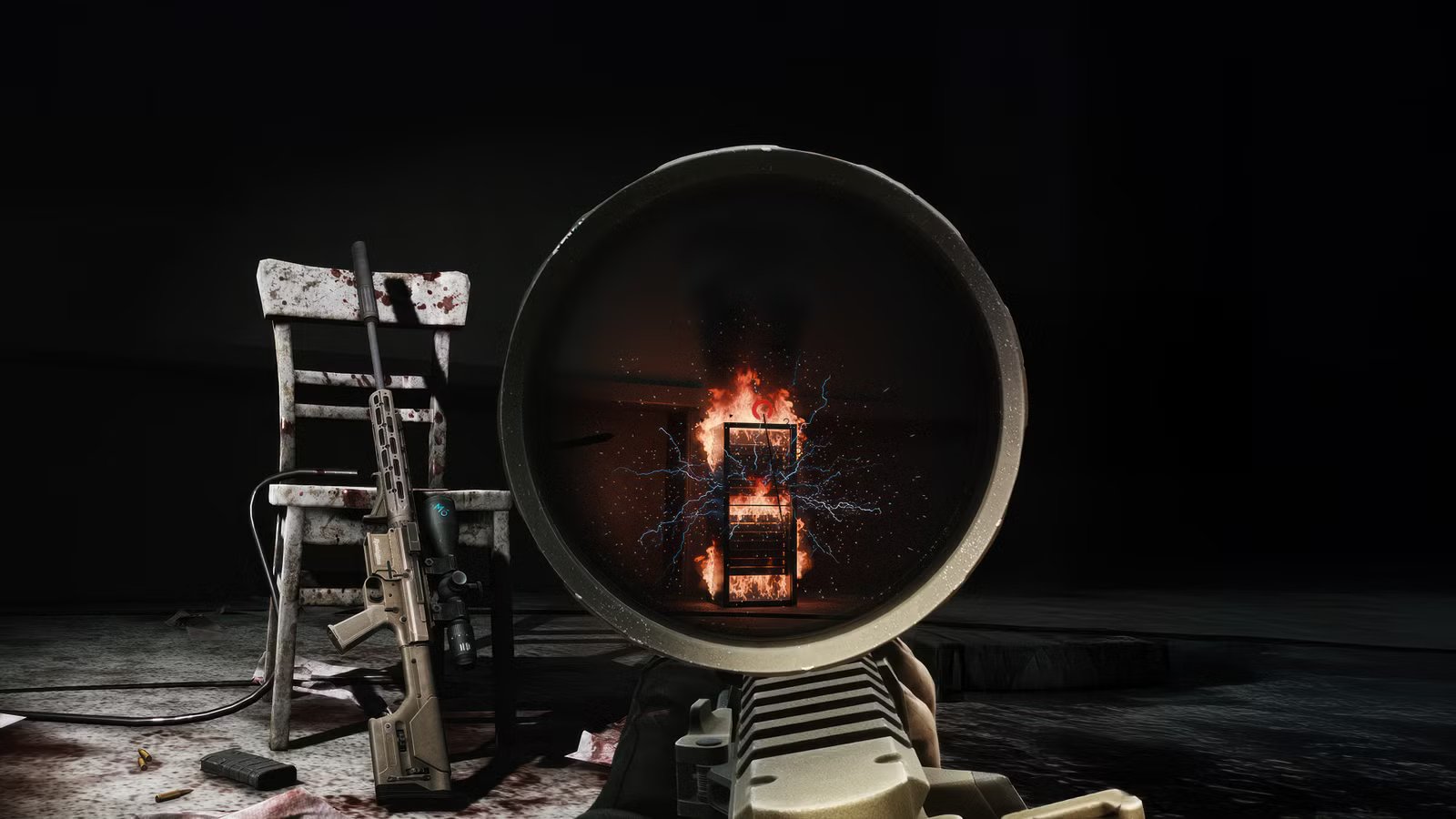
Battlestate Games (BSG), the developers behind Tarkov, have often been transparent about the challenges of managing such a complex online environment. They’ve invested in new hardware, expanded server regions, and implemented various optimizations over the years. Yet, the problem persists, often resurfacing with renewed vigor during peak player activity. This cycle of excitement, server strain, and player frustration has become an almost integral part of the Escape From Tarkov experience, much to the chagrin of its dedicated fanbase. It’s a tough balance to strike, providing groundbreaking gameplay while ensuring the underlying technical framework can support it for millions of simultaneous players.
The Player Experience: Frustration Mounts on the Streets of Tarkov
The mood within the Escape From Tarkov community is palpable; a mix of weary resignation and simmering anger. On any given day, you can scroll through Reddit or hop into a popular Discord server and instantly feel the collective frustration. Players are sharing stories of losing valuable quest items, high-tier armor, and rare weapons not to enemy PMCs or cunning Scavs, but to an unresponsive server. This isn’t just about a few unlucky souls; it’s a widespread epidemic affecting a significant portion of the player base. “I just want to play without constantly checking my ping. Is that too much to ask?” pleaded a user named ‘LootGoblin’ on a community forum. “I spent an hour trying to link up with my squad on Interchange, and I disconnected three times before we even saw another player. Ended up losing my kit to a Scav because I lagged out mid-reload.”

This constant threat of disconnections and performance issues forces players to adopt cautious, often unenjoyable, playstyles. Some avoid bringing their best gear into raids, fearing it will be lost to an invisible enemy – the server itself. Others restrict their play sessions to off-peak hours, hoping to catch a window of relative stability. It severely detracts from the intended vision of Tarkov as a game where every decision is a calculated risk, not a gamble against a shaky connection. The emotional toll is significant, too. Hours of grinding, careful inventory management, and tactical planning can be undone in a split second, leading to burnout and a general sense of demoralization. It’s a game that already demands so much from its players; adding unpredictable technical difficulties only pushes that demand to an unsustainable level.
When Lag Leads to Loot Loss: The Dire Consequences
The core loop of Escape From Tarkov revolves around raiding, looting, surviving, and extracting. Every item, from a humble bolt to a multi-million ruble graphics card, has value. The game is designed to be punishing, with permanent loss of gear upon death, making every raid a high-stakes gamble. When server issues intervene, this carefully balanced risk-reward system crumbles. Losing a fully kitted assault rifle and body armor because of a sudden ping spike that leaves you vulnerable is not just frustrating; it feels unfair. It’s a violation of the unspoken contract between player and developer: “we provide the skill, you provide the stable environment.”

This isn’t just a matter of losing virtual items; it’s an investment of time, effort, and often, real-world money if players purchased the more expensive editions for larger stashes or better starting gear. The value players place on their in-game possessions is immense, and seeing them vanish due to circumstances beyond their control can be incredibly demoralizing. It fosters a sense of insecurity that permeates every aspect of the game, turning potentially thrilling engagements into cautious, hesitant movements, or worse, prompting players to avoid the game entirely for fear of further losses. The economic impact on a player’s stash can be devastating, forcing them back into lower-tier raids just to rebuild their lost wealth.
Battlestate Games’ Response: Acknowledgement and Action?
In response to the widespread reports and community outcry, Battlestate Games has, on several occasions, acknowledged the ongoing server issues. Their official channels, including Twitter and developer updates, have often contained messages assuring players that they are “aware of the problems” and “working on solutions.” This usually translates into periods of server maintenance, hotfixes aimed at network optimization, and sometimes, regional server expansions. A recent statement from a community manager, which could be paraphrased, read: “We understand the frustration and are dedicating significant resources to improving stability and network performance. Please bear with us as we implement these changes.”

While these acknowledgments are appreciated, the recurring nature of the problems leaves many players questioning the efficacy of the solutions. There’s a persistent feeling that the fixes are often temporary bandages rather than comprehensive cures. The developers are clearly facing a monumental task, managing a game that is not only highly complex but also demands extremely low latency and high bandwidth for its player-versus-player-versus-environment (PvPvE) gameplay. The constant ebb and flow of player numbers, especially during a fresh Tarkov wipe, makes predicting and scaling server resources a significant challenge. However, for a game that has been in extended beta for years, players expect a level of polish and reliability that, at times, feels out of reach.
The Technical Deep Dive: Why Are Servers Struggling?
Understanding why these server problems are so persistent requires a brief look at the technical complexities involved. Firstly, the sheer volume of concurrent players, particularly during a “wipe” event, can overwhelm even robust server farms. When thousands, sometimes hundreds of thousands, of players log in simultaneously, the demand on data centers skyrockets. If the infrastructure isn’t adequately provisioned, or if scaling solutions aren’t nimble enough, bottlenecks occur, leading to lag and disconnects.

Secondly, the nature of Tarkov’s gameplay itself adds layers of complexity. It’s not just a simple shooter; it’s a game with intricate inventory systems, persistent loot, AI-controlled Scavs, and detailed ballistics, all of which need to be constantly synchronized across multiple clients and the server. This heavy server-side processing, combined with potentially unoptimized netcode, can lead to issues like desynchronization. If the game’s netcode isn’t efficient in how it communicates player actions and world state, even a decent internet connection can suffer. DDoS attacks, though less common as a root cause for consistent issues like these, can also temporarily exacerbate problems by overloading server capacity. It’s a complex beast, running a game like Tarkov, with all its intricate systems and persistent world elements, and finding the perfect balance for stability is an ongoing battle.
Community Solutions and Coping Mechanisms
While developers scramble to reinforce their digital fortresses, Escape From Tarkov players have had to devise their own strategies to cope with the volatile server conditions. Many have resorted to playing during off-peak hours, hoping for a quieter, more stable experience when fewer players are online. This often means late-night raids or early morning excursions, which can disrupt personal schedules but offer a better chance of a smooth run. Others are actively avoiding popular maps like Streets of Tarkov or Lighthouse, opting for less demanding environments like Factory or Customs, which tend to have fewer entities and, theoretically, less strain on the server.

Some players have simply taken a break from the game entirely, choosing to wait until a more stable environment is assured. “I’m just bailing for a bit,” said ‘PMC_Solo’ in a Reddit thread. “Until they get these network problems sorted, I’m just going to lose too much gear and get too frustrated to enjoy it.” For those who can’t tear themselves away, venturing into offline mode (which thankfully doesn’t affect your online stash) offers a way to practice and enjoy the core gameplay without the threat of server-induced losses. It’s a testament to the game’s allure that players are willing to jump through such hoops, but it also highlights the urgent need for a more consistent and reliable online experience.
Ultimately, the thrill of Tarkov is undeniable. Its unique blend of tactical combat, RPG elements, and ruthless realism creates an unparalleled gaming experience. However, the persistent server issues are casting a long shadow over that brilliance. For Escape From Tarkov players to truly embrace the brutal beauty of its world, they need the assurance that their efforts won’t be undone by an invisible network fault. Battlestate Games faces a critical juncture: either they conquer these technical demons once and for all, providing the stable foundation their ambitious game deserves, or they risk alienating a significant portion of their dedicated player base. One can only hope that the current struggles lead to a future where the only threat you face in Tarkov is from other players, not the servers themselves.
Frequently Asked Questions
| What are the main server issues Escape From Tarkov players are experiencing? | Players are frequently encountering issues such as sudden disconnects from raids, severe lag spikes, rubberbanding (where character movement snaps back), and desynchronization (desync) between the client and server. These problems lead to unfair deaths and loss of valuable in-game gear. |
| How do server issues impact the Escape From Tarkov gameplay experience? | The impact is significant and often devastating. Due to Tarkov’s hardcore mechanics, server instability can lead to the permanent loss of all gear a player brought into a raid. This erodes player trust, wastes valuable time, and can lead to immense frustration, hindering the game’s high-stakes, realistic combat design. |
| Has Battlestate Games acknowledged these server problems? | Yes, Battlestate Games (BSG), the developers of Escape From Tarkov, have periodically acknowledged ongoing server and network performance issues through official channels. They often state they are working on solutions, implement server maintenance, and release hotfixes to address stability. |
| Why are Escape From Tarkov’s servers particularly prone to issues? | Several factors contribute. The game experiences massive player surges during events and “wipes,” straining server capacity. Its complex PvPvE gameplay with intricate inventory and ballistics systems demands high server-side processing and low latency. Additionally, potential network optimization challenges and the scale of the game’s ambition make stable server performance a continuous challenge. |
| What can players do to mitigate the effects of server issues? | Players often resort to coping mechanisms such as playing during off-peak hours, choosing less popular server regions, avoiding highly populated maps, or taking temporary breaks from the game. Some also utilize offline mode for practice without the risk of losing gear due to network problems. |
Important Notice
This FAQ section addresses the most common inquiries regarding the topic.