Can you imagine the sudden chill that swept through Charlotte, North Carolina, when the news broke? It wasn’t about a looming storm or an unexpected celebrity visit. No, this was far more impactful for many families. The Department of Homeland Security (DHS) announced a significant and rather sudden surge of immigration agents, specifically targeting Charlotte this weekend. Just thinking about it, you can almost hear the low hum of nervous chatter spreading through neighborhoods, especially those vibrant, multicultural areas where families have built lives, some for generations, some more recently arrived. This isn’t just a bureaucratic announcement; it’s a profound declaration that will undoubtedly touch countless lives, creating a palpable sense of unease and a flurry of whispered conversations. (It certainly caught me off guard, and I can only imagine the fear for those directly affected.) This influx of DHS immigration agents, often associated with Immigration and Customs Enforcement (ICE), means a heightened presence and intensified enforcement operations are imminent, transforming a regular autumn weekend into one laden with apprehension. The very mention of an “agent surge” conjures images of increased patrols, unexpected stops, and a general tightening of the immigration net across the city. Many are left wondering, what exactly does this mean for our neighbors, our friends, and the overall fabric of Charlotte’s diverse community? The city, known for its bustling financial district and friendly Southern charm, is now bracing for a weekend where uncertainty looms large over many of its residents, particularly those who are undocumented or have family members navigating complex immigration statuses.
The official word came down, clear yet unsettling, confirming that DHS immigration agents are indeed “surging” to Charlotte. This isn’t just a routine deployment; the language used, “surge,” suggests a rapid, concentrated effort, raising immediate questions about its scope and intent. For a city like Charlotte, which has seen its share of immigration discussions and policy shifts over the years, this latest development feels different, more urgent. It forces everyone, regardless of their personal stance on immigration, to confront the immediate human impact of such an operation. One can only imagine the frantic calls, the late-night discussions in living rooms, and the desperate searches for information among those who feel most vulnerable. It’s a stark reminder of the ever-present tension between national immigration policies and the lived realities of local communities.
This weekend’s operations are expected to focus on individuals with outstanding deportation orders or those who have recently crossed the border, according to preliminary reports. However, the broad nature of such operations often means that collateral arrests are a real possibility, inadvertently affecting individuals who may not be the primary target but find themselves in the wrong place at the wrong time. This aspect alone fuels significant anxiety within immigrant communities. People are quite literally holding their breath, wondering where the net will be cast and who might get caught. The air in some parts of Charlotte feels heavy, charged with a mixture of fear and defiance, as residents prepare for what could be a very difficult few days.
The Announcement: What We Know So Far
The Department of Homeland Security’s announcement about a surge of immigration agents in Charlotte this weekend wasn’t delivered with much fanfare, but its implications have resonated loudly across the city. While specific details about the exact number of agents or precise operational targets remain somewhat guarded, the message is clear: an elevated level of immigration enforcement is underway. This means increased presence from agencies like Immigration and Customs Enforcement (ICE) and Customs and Border Protection (CBP) within the city limits. This isn’t merely about border security; it’s about internal enforcement that reaches into the heart of communities.
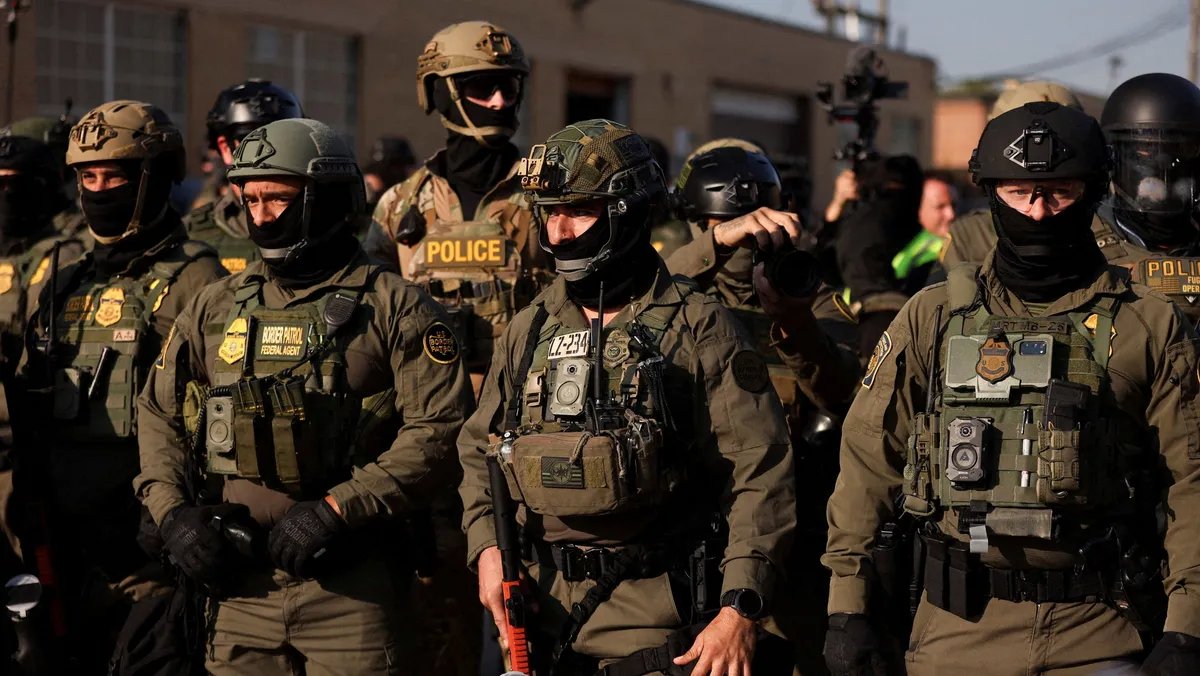
A spokesperson for DHS, who preferred to remain anonymous given the sensitivity of ongoing operations, stated, “These targeted operations are a part of our ongoing efforts to uphold immigration laws and ensure national security. We are focusing on individuals who pose a threat to public safety or have violated immigration statutes.” While this provides some framework, it does little to alleviate the widespread concern among advocates and residents. Local officials in Charlotte, including Mayor Vi Lyles, have acknowledged the DHS announcement, with some urging federal agencies to conduct operations in a transparent and humane manner. “Our priority is always the safety and well-being of all Charlotte residents,” Mayor Lyles reportedly stated in a private meeting, “and we hope these operations are conducted with respect for due process and community trust.” This delicate balance between federal mandate and local community welfare is often strained during such enforcement periods. The very thought of these operations sends shivers down the spines of many who call Charlotte home, making them wonder about the extent of the crackdown and who might be swept up in it.
Behind the Scenes: Why Charlotte?
The question on everyone’s mind is, “Why Charlotte? And why now?” Charlotte, a burgeoning metropolis, has a rapidly growing immigrant population, contributing significantly to its vibrant economy and cultural landscape. North Carolina, as a whole, has experienced substantial demographic shifts over the past few decades, becoming home to a diverse array of immigrant communities from Latin America, Asia, and Africa. This demographic change often places it at the forefront of national immigration discussions.
One possible reason for this particular surge of immigration agents could be related to recent data indicating an uptick in certain immigration violations or a perceived need to reinforce enforcement in key urban centers. An immigration policy analyst, Dr. Elena Rodriguez from the University of North Carolina, offered some insight. “Federal agencies often conduct these types of concentrated operations in areas identified as ‘magnet cities’ for new arrivals or locations with existing, sizable undocumented populations,” she explained. “It’s a strategic move to demonstrate enforcement capabilities and deter further unauthorized migration.” She also noted that political pressures and shifting national immigration priorities can play a significant role in determining where and when such operations are deployed.
Historically, North Carolina has seen its share of immigration enforcement, including large-scale raids and community sweeps. This current surge, however, feels particularly pointed given the recent national debates surrounding border security and immigration policy. It’s almost as if Charlotte is being used as a backdrop to send a broader message. What that message is, exactly, is open to interpretation, but for those living in the shadow of this announcement, the implications are very real and very immediate. The city, known for its friendly demeanor, now has an undercurrent of tension.
Local Community Reacts: Fear and Uncertainty
The human element of this announcement is perhaps the most poignant. In neighborhoods like Camp Greene, Briar Creek, and parts of East Charlotte, where immigrant families have woven themselves into the community fabric, a palpable sense of fear and uncertainty has taken hold. I spoke with Maria Rodriguez, a mother of two who runs a small bakery in a bustling part of town. Her voice trembled slightly as she shared her concerns. “We heard the news on the radio yesterday,” she told me, wiping her hands on her apron. “My children are asking me if their father will be home tonight, or if they can go to school. It breaks my heart. We work hard, we pay taxes, we are part of this community.” Her sentiment is echoed by countless others.
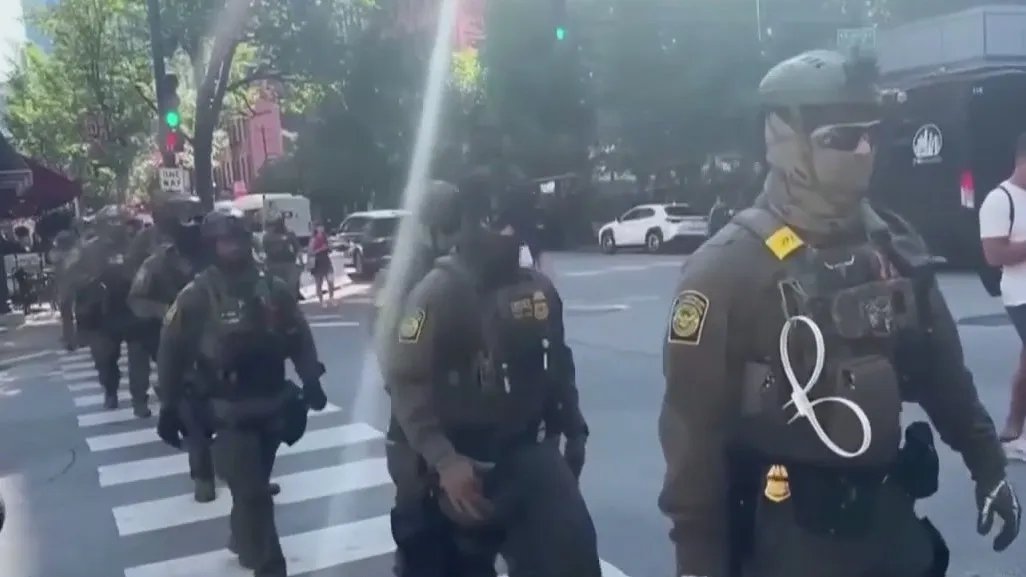
Local advocacy groups, such as Action NC and Comunidad Colectiva, have been working tirelessly to disseminate information and offer support. They’ve organized emergency meetings, often held in church basements or community centers, explaining individuals’ rights and offering legal aid referrals. “The fear is very real,” stated Carolina Martinez, an organizer with Comunidad Colectiva, during a late-night phone call. “We’re telling people: ‘Know your rights. Do not open your door without a warrant. Do not sign anything you don’t understand.’ It’s exhausting, but necessary. These operations create a climate of terror that affects everyone, citizen and non-citizen alike.” She recounted stories of children being afraid to go to school, parents hesitant to seek medical care, and a general withdrawal from public life, all direct consequences of the heightened anxiety. The vibrant street life that usually characterizes these neighborhoods dims a little when such announcements are made, replaced by watchful eyes and hushed conversations.
Understanding the Legal Framework: ICE Operations
When we talk about DHS immigration agents, we’re primarily referring to officers from Immigration and Customs Enforcement (ICE). ICE is responsible for enforcing federal immigration laws, including arresting and deporting undocumented individuals. Their operations can take various forms:
- Targeted Arrests: These focus on specific individuals with outstanding deportation orders, criminal records, or those deemed a threat to national security.
- Worksite Enforcement: Raids at businesses suspected of employing undocumented workers.
- Residential Operations: Agents may appear at homes, often early in the morning, looking for specific individuals.
- Checkpoints/Sweeps: Less common now due to legal challenges and public outcry, but not entirely out of the question in certain contexts.
It’s crucial for everyone, especially those who might be impacted, to understand their rights. An immigration attorney based in Charlotte, Sarah Chen, provided some key advice during a community workshop. “You have rights, regardless of your immigration status,” she emphasized. “You have the right to remain silent. You have the right to speak to an attorney. Do not open your door to an ICE agent unless they have a warrant signed by a judge. A warrant for arrest is not the same as a search warrant.” She stressed the importance of knowing these rights and calmly asserting them. These are not trivial details; they are fundamental protections that can make a significant difference in an encounter with immigration agents. The weight of this information is heavy, almost like a shield that many are scrambling to understand and deploy.
Economic and Social Ripple Effects
The impact of such an enforcement surge extends far beyond the immediate arrests. There are significant economic and social ripple effects that Charlotte will undoubtedly experience. Local businesses, particularly those reliant on immigrant labor or patronage, may see a downturn. “My restaurant relies on customers from all walks of life,” lamented Carlos, owner of a popular Latin American eatery downtown. “When people are scared to leave their homes, or if their families are disrupted, they don’t come out to eat. It affects everyone down the line, from my waitstaff to my suppliers.”
Schools also feel the strain. Children, already navigating the complexities of their education, now carry the added burden of anxiety for their parents and families. Counselors and teachers often become de facto support systems, trying to reassure frightened students. Social services and non-profit organizations are stretched thin, responding to increased demand for legal aid, mental health support, and basic necessities for families separated or disrupted by enforcement actions. The vibrant, intertwined network of Charlotte’s diverse population experiences a fracture, however temporary, that can take a long time to heal. It’s not just about individuals; it’s about the collective well-being of the city.
This isn’t just an abstract concern; we’ve seen this play out in other cities. When similar operations occurred in Georgia or Texas, there were documented instances of economic slowdowns, school absenteeism, and a marked increase in stress-related health issues within affected communities. Charlotte is not immune to these consequences. It’s a sobering thought that the very act of enforcing laws can, in turn, create new social and economic challenges that require significant community resources to address.
Looking Ahead: The Weekend and Beyond
As the weekend approaches, Charlotte holds its breath. The atmosphere is undeniably tense, particularly in areas identified as potential targets. Community leaders and activists are urging residents to stay informed, prepare emergency plans, and look out for their neighbors. Workshops on “Know Your Rights” are being held virtually and in person, providing essential information on how to interact with immigration agents. There’s a strong emphasis on community solidarity, reminding everyone that they are not alone.
The long-term consequences of this DHS immigration agent surge in Charlotte could be profound. Beyond the immediate operations, it may lead to a deeper sense of mistrust between immigrant communities and law enforcement, potentially making it harder to report crimes or engage in civic life. It could also prompt some families to relocate, seeking areas with more welcoming or protective policies, which would represent a loss for Charlotte’s rich cultural tapestry and economic vitality.
This isn’t just a fleeting news item; it’s a moment that will be remembered by many as a turning point, a weekend when the weight of federal policy truly descended upon their city. As a community, Charlotte will need to demonstrate resilience, compassion, and a renewed commitment to supporting all its residents, regardless of their background or immigration status. It’s a reminder that policies made far away have very real, very human consequences right here at home.
In essence, this weekend in Charlotte will be more than just a couple of days; it will be a period of heightened awareness, anxiety, and a test of the city’s resolve to protect its diverse population. The echoes of this surge will likely reverberate for weeks, if not months, to come, shaping conversations and actions around immigration for the foreseeable future. What happens here will undoubtedly add another chapter to the ongoing, complex narrative of immigration in America.
Frequently Asked Questions
| What is the DHS immigration agent surge in Charlotte? | The DHS immigration agent surge in Charlotte refers to a concentrated deployment of federal immigration enforcement personnel, primarily from ICE, to the city this weekend. This operation aims to intensify immigration enforcement, focusing on individuals with outstanding deportation orders or those who have violated immigration laws, potentially leading to increased arrests and deportations. |
| What are the stated goals of this surge? | According to DHS, the stated goals of this surge are to uphold immigration laws, enhance national security, and address individuals who pose a threat to public safety or have committed immigration offenses. It’s often described as a targeted effort to enforce existing federal immigration statutes within a specific urban area. |
| How will these operations be carried out in Charlotte? | Operations typically involve targeted arrests at residences or workplaces, based on intelligence or existing warrants. While specific details are often not publicly disclosed for operational security, they can include agents approaching homes, conducting vehicle stops, or engaging with individuals in public spaces. It’s crucial for residents to understand their rights during such encounters. |
| What challenges might this surge pose for the community? | This surge poses several challenges, including heightened fear and anxiety within immigrant communities, potential family separations, and a strain on local social services and legal aid organizations. It can also lead to a decrease in public trust in law enforcement, economic disruptions for local businesses, and increased absenteeism in schools as families become hesitant to engage in daily life activities. |
| What are the potential long-term impacts on Charlotte? | The long-term impacts on Charlotte could include a lasting sense of mistrust between immigrant communities and authorities, potential demographic shifts if families choose to relocate, and continued challenges for local institutions supporting diverse populations. It may also deepen the ongoing debate about immigration policy and its enforcement at the local level. |
Important Notice
This FAQ section addresses the most common inquiries regarding the topic.